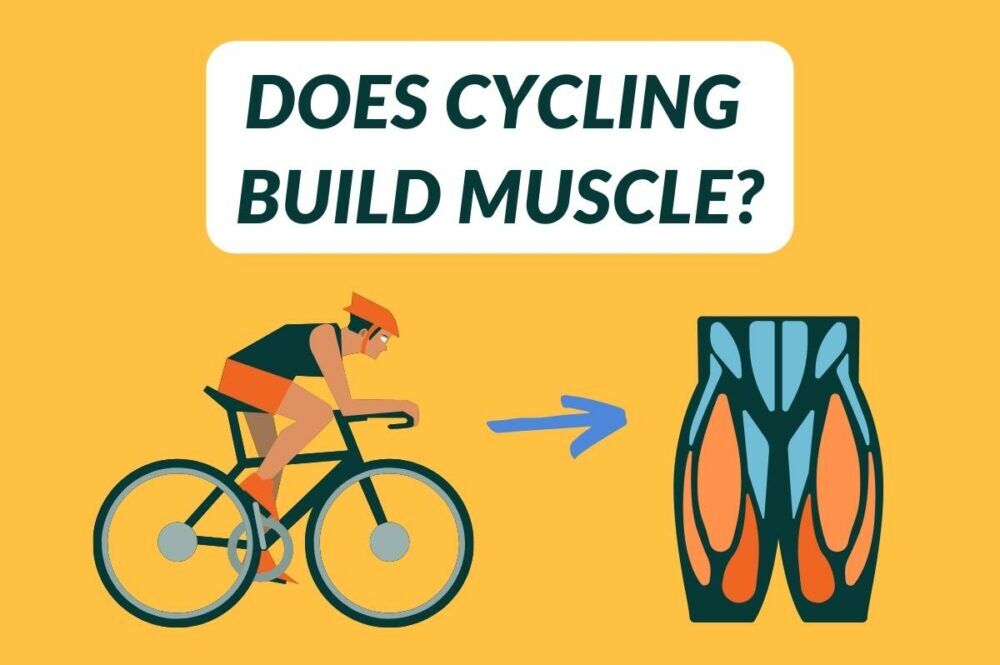
Have you ever wondered if hopping on a bike helps you build muscle or burn fat? This question might have crossed your mind if you’re considering cycling as your go-to exercise.
Understanding how cycling impacts your body can be a game-changer in achieving your fitness goals. Imagine the thrill of knowing exactly what cycling does for you—will it sculpt your muscles, melt away the fat, or perhaps do both? Dive into this article to uncover the truth behind cycling’s effects on your body and how you can maximize every pedal stroke for your benefit.
You won’t want to miss these insights that could transform your fitness journey.
Basics Of Cycling
Cycling is a popular activity that appeals to all ages. It offers a great way to explore nature and stay fit. Many people wonder if cycling builds muscle or burns fat. The answer depends on several factors. Let’s delve into the basics of cycling to understand its benefits.
Types Of Cycling
There are various types of cycling activities. Road cycling involves riding on paved roads. It is great for endurance and speed. Mountain biking takes you off-road, challenging your balance and agility. BMX cycling is about tricks and jumps, requiring strength and control. Each type offers unique benefits for fitness and health.
Cycling As A Workout
Cycling can be a powerful workout for your body. It engages multiple muscle groups, including the legs and core. Regular cycling strengthens your muscles over time. It also helps in burning calories effectively. An hour of cycling can burn significant calories, aiding fat loss. The intensity and duration of cycling impact the results.
Muscle Building Through Cycling
Cycling isn’t just for burning calories. It also builds muscle. Pedaling consistently engages various muscle groups. This makes cycling a fantastic workout for muscle development. Understanding how cycling contributes to muscle growth can help optimize your fitness routine. Let’s explore how cycling targets muscles and compares to other forms of exercise.
Muscles Targeted By Cycling
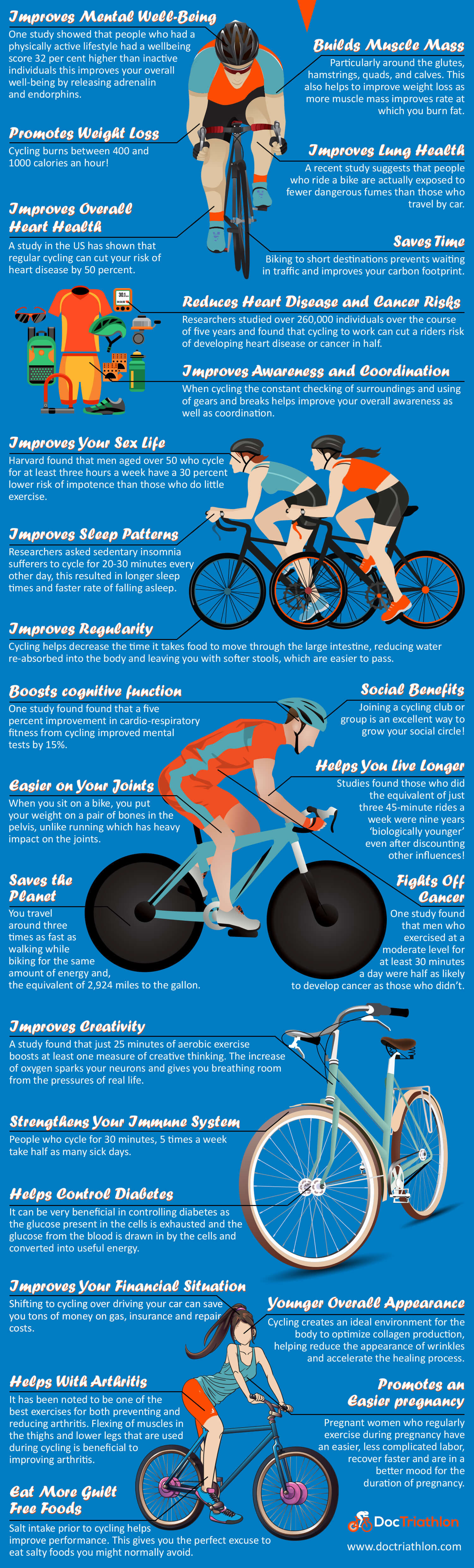
Cycling primarily targets the legs. The quadriceps and hamstrings work hard during each pedal stroke. Calves get a workout too, especially on uphill rides. Glutes activate when seated. They assist in pushing pedals. The core muscles stabilize the body, enhancing balance. Arms and shoulders maintain grip and posture. Cycling provides a full-body workout.
Cycling Intensity And Muscle Gain
Intensity impacts muscle gain. High-intensity rides push muscles harder. This leads to more muscle growth. Sprinting or uphill cycling demands more from leg muscles. Consistent pressure increases muscle endurance. Low-intensity rides focus more on endurance. They still offer muscle benefits but less than high-intensity sessions.
Comparing Cycling To Weight Training
Weight training targets specific muscles with direct pressure. It builds muscle size faster. Cycling offers a different benefit. It enhances muscle endurance and tone. Weight training focuses on individual muscle groups. Cycling engages multiple groups simultaneously. Both methods complement each other. Combining them provides balanced muscle growth.
Fat Burning Benefits
Cycling helps build muscle and burn fat by engaging multiple muscle groups. This low-impact exercise boosts metabolism and increases endurance. Regular cycling can enhance overall fitness and support weight loss efforts.
Cycling is an excellent activity for burning fat. It is a low-impact exercise that keeps your joints healthy. It is suitable for all ages. Engaging in regular cycling can lead to significant fat loss. Let’s explore how cycling helps with weight loss.Cycling For Weight Loss
Cycling is a great way to shed pounds. It engages large muscle groups in the legs. This increases your heart rate. The body uses stored fat for energy during cycling. Regular sessions can lead to noticeable weight loss. Keep a steady pace to maximize fat burning.Calories Burned During Cycling
Cycling can burn hundreds of calories. It depends on your speed and duration. A moderate pace burns around 300 calories per hour. Faster cycling increases calorie burn. Factors like weight and resistance also affect calorie burning. Cycling outdoors or using a stationary bike both help.Combining Diet With Cycling
Pair cycling with a balanced diet for better results. Eat nutritious foods to fuel your rides. Focus on fruits, vegetables, and lean proteins. This helps maintain energy levels. Avoid sugary snacks and drinks. A healthy diet enhances fat-burning efforts. Combining both leads to improved fitness.
Credit: www.onepeloton.com
Impact Of Cycling On Body Composition
Cycling impacts body composition by building muscle and burning fat. Pedaling strengthens leg muscles and promotes endurance. Regular cycling helps reduce body fat, enhancing overall fitness and energy levels.
Cycling is more than just a mode of transportation or a hobby; it’s a powerful workout that can transform your body composition. Whether you’re looking to shed excess fat or build lean muscle, cycling offers numerous benefits that can help you achieve your fitness goals. But how exactly does it impact your body composition? Let’s dive into the specifics.Changes In Body Fat Percentage
Cycling is an excellent calorie-burning exercise. If you cycle regularly, you’ll likely notice a decrease in body fat percentage. This reduction happens because cycling elevates your heart rate, leading to increased fat oxidation. Imagine pedaling up a steep hill—your muscles are working hard, and your body is tapping into stored fat for energy. Consistent cycling can lead to a leaner physique over time. Have you ever noticed how cyclists often have toned legs and minimal body fat? That’s a testament to the effectiveness of cycling in reducing fat.Building Lean Muscle Mass
While cycling is primarily cardio, it also plays a role in muscle building. The muscles in your legs, such as quadriceps, hamstrings, and calves, are consistently engaged. This engagement leads to increased muscle endurance and strength. Picture this: after months of cycling, you notice your legs are not just leaner but also more defined. This transformation is due to the repetitive contraction of muscles, which promotes muscle fiber growth. Even your core and arms get a workout, especially when you tackle challenging terrains.Long-term Body Transformation
Long-term cycling can lead to significant body transformations. It’s not just about losing fat or gaining muscle but achieving a balanced and healthier physique. As you continue cycling, your body adapts, becoming more efficient at burning calories and utilizing energy. Have you considered how consistent cycling can improve your metabolic rate? A higher metabolism means you’re burning more calories even when you’re not cycling. Over time, this can lead to sustained weight management and improved overall health. Cycling also promotes a healthier lifestyle, encouraging you to make better dietary choices and engage in other physical activities. Are you ready to embrace cycling for a long-term body transformation? Remember, the journey is as rewarding as the destination.Factors Affecting Results
Understanding whether cycling builds muscle or burns fat involves several factors. These factors influence the outcomes of your cycling sessions. Knowing them can help tailor your cycling routine for better results. Let’s explore these factors in detail.
Duration And Frequency Of Cycling
The length of your cycling sessions matters. Longer rides burn more calories, aiding fat loss. Regular sessions contribute to consistent muscle building. Cycling frequently helps maintain fitness. It also improves endurance over time.
Cycling Intensity Levels
Intensity plays a crucial role in cycling results. High-intensity cycling burns more fat. It also elevates metabolism after the ride. Low-intensity rides are gentle on muscles. They help in recovery and endurance. Mix both intensities for balanced benefits.
Individual Metabolism And Genetics
Everyone’s metabolism is unique. Some people burn calories faster. Others may build muscle more easily. Genetics also influence body response to cycling. Understanding your body’s tendencies helps tailor your workouts. Consult with a fitness expert for personalized advice.
Cycling Tips For Optimal Results
To maximize the benefits of cycling, strategic approaches are essential. Cycling can effectively build muscle and burn fat. But, getting the best results requires more than just pedaling. Various factors contribute to achieving fitness goals through cycling. From selecting the perfect bike to incorporating specific training techniques. Each step plays a crucial role in enhancing your cycling experience.
Choosing The Right Bicycle
Selecting the right bicycle is crucial for cycling success. Consider your body size and cycling goals. A well-fitted bike enhances comfort and prevents injuries. Different bikes serve different purposes. Road bikes suit long-distance rides. Mountain bikes are great for off-road adventures. Hybrid bikes offer versatility for various terrains. Consult a professional for proper bike fitting.
Setting Realistic Goals
Setting achievable goals keeps motivation high. Start with short distances. Gradually increase the intensity and duration of rides. Track your progress regularly. This helps maintain momentum. It’s essential to balance muscle building and fat burning. Identify specific areas you want to improve. Whether endurance, strength, or weight loss.
Incorporating Interval Training
Interval training boosts calorie burn and muscle gain. Alternate between high-intensity bursts and moderate-paced cycling. This method maximizes fat loss and strengthens muscles. Start with short intervals. Gradually increase the duration and intensity. Ensure adequate rest between intervals. This prevents exhaustion and promotes recovery.
Balancing Cycling With Other Exercises
Cycling is a fantastic way to stay fit. It can build muscle and burn fat. But to get the best results, it’s wise to mix cycling with other exercises. This balance helps enhance overall fitness. It can also prevent injuries and boost performance. Let’s explore some ways to combine cycling with other workouts.
Combining Cycling With Strength Training
Strength training complements cycling well. It targets muscles that cycling might miss. Focus on exercises like squats and lunges. They build leg strength, essential for powerful cycling. Don’t forget upper body workouts too. Strong arms and core improve cycling stability. Aim for two strength sessions a week.
Cross-training For Enhanced Performance
Cross-training involves varied workouts to improve fitness. Swimming, yoga, and running are great options. These activities boost endurance and flexibility. They also add fun and variety to your routine. Cross-training reduces boredom and keeps motivation high. It ensures all muscle groups get attention.
Preventing Overuse Injuries
Overuse injuries occur from repetitive actions. Cycling can strain specific muscles and joints. Balancing with other exercises helps reduce this risk. Stretch regularly to maintain flexibility. Listen to your body and rest when needed. This approach keeps you healthy and cycling longer.
Credit: www.greensafaris.com

Credit: www.youtube.com
Frequently Asked Questions
Does Cycling Burn Muscle Or Fat?
Cycling primarily burns fat, especially during steady, moderate-paced rides. It uses stored fat as fuel, promoting weight loss. Muscle can be preserved or even built, especially with higher intensity intervals. Proper nutrition and recovery are crucial to maintaining muscle mass while cycling for fitness.
Can You Lose Belly Fat By Cycling?
Cycling helps burn calories and reduce belly fat. Regular cycling boosts metabolism and improves cardiovascular health. To maximize fat loss, combine cycling with a balanced diet and strength training. Consistency is key for visible results. Enjoy cycling outdoors or indoors for effective weight management and a healthier lifestyle.
Can I Build Muscles By Cycling?
Yes, cycling helps build muscles, especially in the lower body. It strengthens the calves, hamstrings, quads, and glutes. For better muscle growth, incorporate resistance and interval training. Combine cycling with strength exercises for optimal results. Consistency and a balanced diet enhance muscle development.
Can You Get In Shape By Just Cycling?
Yes, cycling can help you get in shape. It improves cardiovascular health, builds muscle, and burns calories. Regular cycling enhances endurance and strength, contributing to overall fitness. Consistency and a balanced diet further optimize results.
Conclusion
Cycling helps build muscle and burn fat. It’s a versatile activity. You work your legs, core, and arms. Calories burn quickly during rides. Muscles strengthen with regular cycling. It’s a great cardio exercise. You gain endurance and stamina. Cycling suits many fitness goals.
Weight loss and muscle building included. It’s simple and fun to start. Ride often for best results. Remember to enjoy the journey. Fitness and health improvements follow. Keep pedaling towards your goals. Cycling benefits both body and mind. Perfect for a healthier lifestyle.