Ever wondered if lugging around a heavy backpack could actually help you build muscle? You’re not alone.
Many fitness enthusiasts and everyday people alike are curious about the potential benefits of this common activity. Imagine turning your daily commute or weekend hike into a muscle-building workout without even stepping foot in a gym. Sounds intriguing, doesn’t it?
Before you start loading up your backpack, let’s explore whether this seemingly simple activity can really transform your muscles. Stick around to discover insights that might just change how you think about carrying weight on your back. You’ll learn the science behind it, the potential benefits, and the possible downsides, so you can make an informed decision about adding this to your routine.
Muscle Growth Basics
Muscle growth is a fascinating process that involves various factors. Understanding the basics can help you see how carrying a heavy backpack may influence muscle development. Muscles grow through certain activities and conditions. Here, we’ll break down the essentials.
How Muscles Grow
Muscles grow through stress and recovery. When muscles face resistance, tiny tears occur in the fibers. This happens during activities like lifting weights or carrying heavy loads. The body repairs these tears, making muscles stronger and bigger. Proper nutrition supports this growth. Protein is key for muscle repair. Rest is crucial too. Muscles need time to recover and rebuild. Without enough rest, growth slows down.
Role Of Resistance Training
Resistance training is essential for muscle growth. It involves exercises that make muscles work against a force. Carrying a heavy backpack can be considered resistance training. It challenges muscles to adapt and strengthen. Different exercises target various muscle groups. Squats, lunges, and deadlifts are effective examples. Consistent training leads to muscle growth. Varying exercises prevents muscle adaptation and plateau. Gradually increasing weight ensures continued growth. Over time, muscles become more defined and stronger.

Credit: www.facebook.com
Impact Of Heavy Backpacks
Have you ever wondered if lugging around a heavy backpack might be doing more than just straining your shoulders? The impact of carrying a heavy backpack extends beyond the surface discomfort. It can actually engage your muscles in unexpected ways, potentially contributing to muscle building. But how does this happen, and which muscles are involved?
Weight And Muscle Engagement
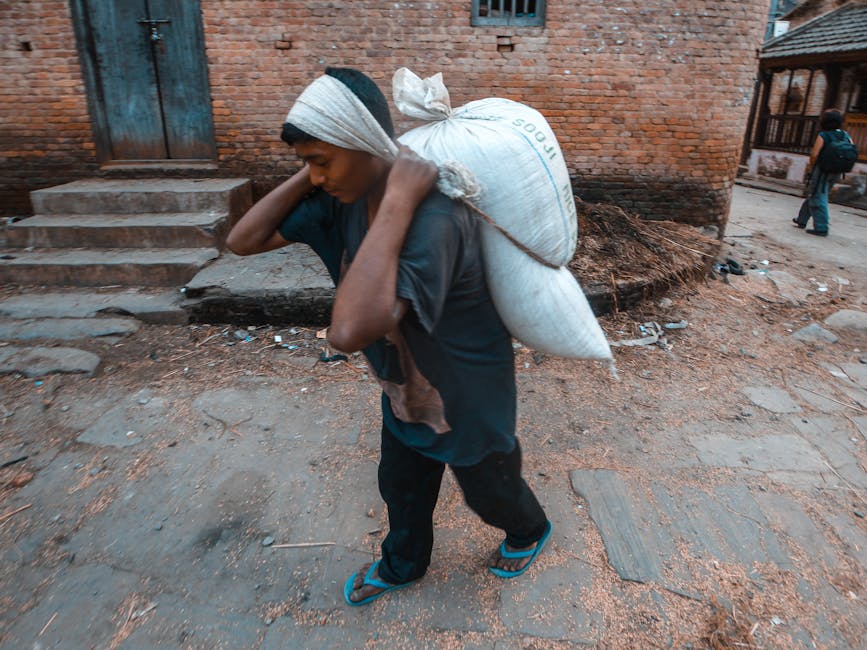
Carrying a heavy backpack is like a mini workout session. When the weight rests on your shoulders, it requires your body to engage multiple muscle groups to maintain balance and posture. This process involves muscle contraction and can lead to muscle strengthening over time.
Think about a long hike or a day at school with a backpack filled with books. Your body naturally adjusts to the weight, engaging muscles to stabilize and support it. This constant engagement can contribute to muscle endurance and strength.
But how heavy is too heavy? If you’re straining or feeling pain, it might be time to lighten the load. The key is finding a balance that challenges your muscles without causing harm.
Common Muscles Targeted
It’s not just your shoulders that bear the brunt of a heavy backpack. Various muscles come into play, providing an unexpected workout. Your back muscles, particularly the trapezius and latissimus dorsi, work hard to support the weight.
Additionally, your core muscles, including the abdominals and obliques, are engaged to keep your spine aligned and maintain balance. This engagement can lead to a more toned and stable core over time.
Even your legs, especially the quadriceps and hamstrings, play a crucial role. They help with the constant lifting and movement as you walk. Next time you feel that familiar soreness, remember it’s these muscles thanking you for the workout!
So, does carrying a heavy backpack build muscle? It might, but it’s essential to ensure you’re not overloading and causing harm. Consider your body’s limits and adjust accordingly.
What’s your experience with carrying heavy backpacks? Have you noticed any change in your muscle tone or endurance? Share your thoughts in the comments below!
Benefits Of Carrying Backpacks
Carrying a backpack daily offers more than just convenience. It can be a simple yet effective way to build muscle and improve physical health. From strengthening muscles to boosting endurance, carrying a backpack can contribute to your fitness journey. Let’s explore the benefits of carrying backpacks.
Strength Enhancement
Backpacks add weight, requiring more effort to carry. This resistance helps build muscle strength over time. Muscles in your back, shoulders, and arms work harder. Regularly carrying a backpack can lead to noticeable strength gains. It’s like having a mini workout during daily tasks. The added weight challenges your muscles, promoting growth.
Improved Endurance
Carrying a backpack can boost your endurance levels. Walking with extra weight increases stamina. Your body learns to sustain effort for longer periods. This endurance boost helps with daily activities. It also supports other physical exercises. Over time, you might notice improved breathing and energy levels. A backpack can be a tool for enhancing overall endurance.

Credit: www.sciencedirect.com
Potential Risks And Drawbacks
Carrying a heavy backpack can lead to muscle strain or injury. Overloading may cause back pain and posture issues. It’s important to balance weight to avoid long-term health problems.
Carrying a heavy backpack might seem like an effortless way to build muscle, but it’s not without its potential risks and drawbacks. Before you sling on that weighty pack, consider the impact on your body. You might be inadvertently setting yourself up for posture issues and injury risks that could outweigh the benefits.Posture Issues
A heavy backpack can wreak havoc on your posture. When you load up your backpack, your body might compensate by hunching forward. This hunched position can strain your neck and shoulders. Imagine walking through the city with your backpack pulling you down. You might not notice it immediately, but over time, this stress on your spine can lead to lasting discomfort. Have you ever felt that nagging tension after a long day of carrying your backpack? It’s your body’s way of telling you to pay attention to your posture. Consider using a backpack with ergonomic designs or reducing the weight to minimize posture problems.Injury Risks
The risk of injury is another significant concern. Carrying excessive weight can lead to muscle strains, particularly in the back and shoulders. A friend of mine once carried a heavy backpack on a hiking trip, thinking it would boost his endurance. Instead, he ended up with a painful shoulder injury that sidelined him for weeks. Think about how much weight your body can realistically handle. It’s tempting to load up your backpack, but your muscles and joints have limits. Could you be pushing yourself too far? Incorporating breaks and adjusting the weight distribution can help mitigate injury risks. Listen to your body and take preventive measures to protect your health. Being mindful of these potential drawbacks can help you make informed decisions about how you carry your backpack. Are the risks worth the muscle gains? Your body’s well-being might be telling you otherwise.Optimizing Backpack Training
Backpack training is a great way to build muscle and strength. It combines resistance with cardio for a full-body workout. Optimizing this practice can lead to better results and prevent injuries.
Proper Weight Distribution
Weight should be evenly distributed in the backpack. This helps avoid muscle strain and injury. Use padded straps to balance the load on your shoulders. Place heavier items close to your back for stability. Adjust the straps to keep the backpack snug against your body.
Complementary Exercises
Pair backpack training with other exercises to enhance muscle growth. Squats and lunges are effective for strengthening the legs. They support the load carried during hiking or walking. Incorporate push-ups and pull-ups for upper body strength. These exercises target muscles not engaged by backpack training alone.
Comparing To Traditional Workouts
Carrying a heavy backpack can build muscle by providing resistance similar to traditional workouts. This activity engages core and back muscles, contributing to strength development. While not a complete substitute for gym exercises, it enhances muscle endurance and overall fitness.
Carrying a heavy backpack can seem like an unconventional way to build muscle. But how does it stack up against traditional workouts? Many fitness enthusiasts are curious about its effectiveness. They wonder if this method offers benefits that traditional workouts do not. Let’s explore this further by comparing the two approaches.Effectiveness And Efficiency
Traditional workouts target specific muscle groups. They use weights, machines, and structured routines. Carrying a heavy backpack, on the other hand, engages multiple muscles at once. It involves the core, shoulders, and legs simultaneously. This method provides a full-body workout without the need for gym equipment. The convenience makes it an appealing choice for busy individuals. Though not as precise, it efficiently builds endurance and strength.Variety And Flexibility
Traditional workouts often follow a set routine. They can sometimes become repetitive and boring. Carrying a backpack offers more variety. You can adjust the weight and duration based on your goals. It fits into different environments, from hiking trails to urban settings. This flexibility allows for creative exercise routines. It transforms everyday activities into muscle-building opportunities. It keeps workouts fresh and engaging, making them more enjoyable. Each method has its own set of benefits. Understanding these can help you choose the right approach for you.Expert Opinions And Studies
Studies and expert opinions explore the impact of heavy backpacks on muscle development. Carrying weight may strengthen muscles over time. It requires consistent effort and proper technique to avoid injuries.
Carrying a heavy backpack is a common activity for hikers, students, and travelers alike. But does this routine task contribute to muscle building? To understand this, let’s explore what experts and studies have to say.Research Findings
Studies suggest that carrying a heavy backpack can indeed build muscle, particularly in the back, shoulders, and core. According to a study published in the Journal of Strength and Conditioning Research, the act of bearing weight while walking can enhance muscle strength, endurance, and balance. However, the weight of the backpack and the duration of carrying it are crucial. Carrying a backpack that is too heavy for prolonged periods can lead to muscle strain or injury. So, it’s essential to find a balance that challenges your muscles without causing harm.Professional Insights
Fitness professionals often compare carrying a heavy backpack to a form of resistance training. Just as lifting weights in the gym targets specific muscle groups, a backpack can do the same when properly used. A personal trainer might advise incorporating backpacking into your routine gradually. Begin with a lighter weight and increase as your muscles adapt. This incremental approach prevents overexertion and maximizes muscle gains. Have you ever noticed how your posture changes when you carry a heavy load? This natural adjustment engages your core muscles, strengthening them over time. But, experts also warn: if your posture deteriorates, the benefits diminish and the risk of injury rises. Have you tried adjusting your backpack routine to see muscle gains? Or do you need to reconsider the weight and duration to avoid injury? Your approach can make all the difference.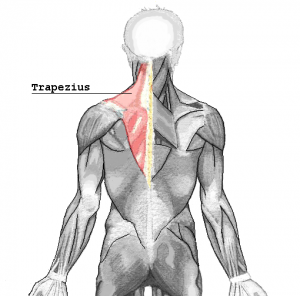
Credit: www.pinoymountaineer.com
Frequently Asked Questions
Is It Healthy To Carry A Heavy Backpack?
Carrying a heavy backpack can strain your back, shoulders, and neck, leading to pain. Distribute weight evenly to avoid discomfort. Choose a backpack with padded straps and back support. Adjust straps to fit snugly. Limit backpack weight to 10-15% of your body weight for better health and comfort.
Can You Build Muscle With A Heavy Bag?
Yes, you can build muscle with a heavy bag. It enhances strength, endurance, and muscle tone through intense workouts. Engage in varied punches and kicks to activate different muscle groups. Consistent training with proper technique boosts muscle growth and overall fitness.
Does Rucking Really Build Muscle?
Yes, rucking builds muscle by combining cardio and resistance training. Carrying a weighted backpack strengthens legs, back, and core muscles. It also increases endurance and burns calories. Rucking is an effective, low-impact workout for muscle growth and fitness.
Is Carrying Heavy Bags A Workout?
Carrying heavy bags can be a workout. It engages muscles, boosts strength, and increases heart rate. It counts as resistance exercise. Ensure proper form to avoid injury. It’s a practical way to incorporate physical activity into daily routines.
Conclusion
Carrying a heavy backpack can strengthen muscles over time. It offers resistance, which can help build strength. But it’s not a complete workout. Consider safety first. Overloading can harm your back. Balance is key. Mix backpack carrying with other exercises.
It provides better results. Always listen to your body. Pain isn’t gain. Consistency is important for muscle growth. Remember, variety keeps workouts effective and fun. With the right approach, a heavy backpack can be part of your fitness routine. Stay mindful and enjoy your journey to strength.