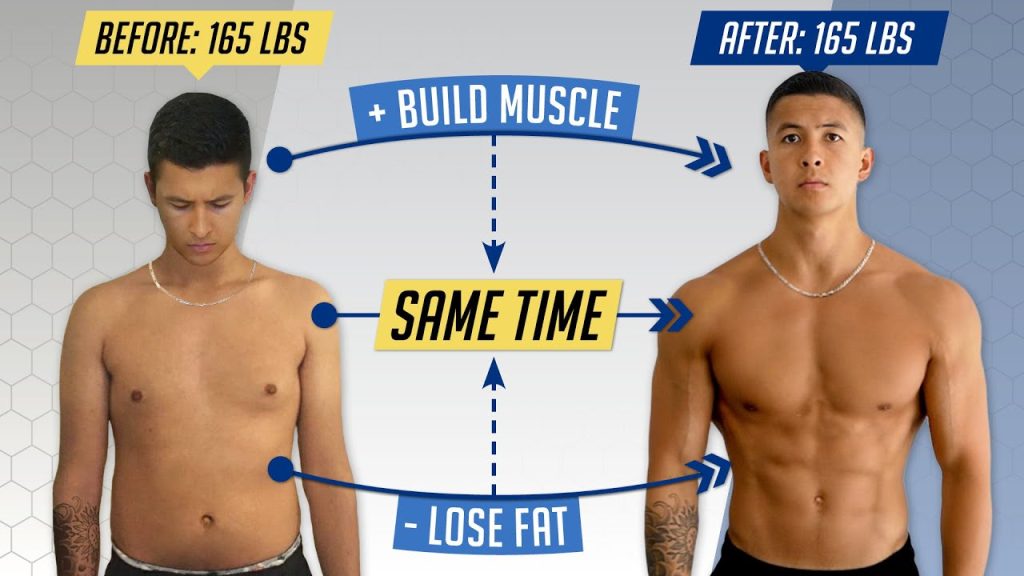
Have you ever hit the gym hard, only to step on the scale and see the numbers going up? You might be wondering, “Does building muscle make you gain weight?”
If you’ve been scratching your head about this, you’re not alone. Many people experience this confusion when they start a workout regimen. But here’s the twist: gaining weight while building muscle can be a positive sign of progress. Imagine feeling stronger, more energized, and noticing your clothes fit better, even if the scale says you weigh more.
Intrigued? Let’s dive deeper into why this happens and what it means for your fitness journey. Keep reading, and you’ll discover the surprising truth about muscle, weight, and how your body is transforming in ways you might not expect.
Muscle Vs. Fat: Understanding The Difference
Understanding the difference between muscle and fat is crucial. Many wonder if building muscle leads to weight gain. This confusion often arises because muscle and fat have distinct characteristics. While both are part of your body composition, they have different roles and impacts on your weight.
Muscle Density Vs. Fat Density
Muscle is denser than fat. It takes up less space in your body. This means two people with the same weight can look different. One may have more muscle, appearing leaner. The other might have more fat, appearing larger.
Weight Gain From Muscle
Gaining muscle might make you heavier. Muscle growth adds weight. This is often healthy weight gain. Muscle supports your body’s strength and metabolism. It’s beneficial for overall health.
Impact On Body Composition
Building muscle improves body composition. More muscle means less fat percentage. This can lead to a toned and fit appearance. Even with weight gain, muscle enhances physical health.
Burning Calories
Muscles burn more calories than fat. Even at rest, muscles use energy. This helps maintain a healthy weight. Increased muscle mass boosts metabolism, aiding in weight management.
Visual Changes
Muscle gain can change your appearance. You may look fitter and more defined. Even if the scale shows weight gain, your clothes may fit better. Muscle gives shape and tone to your body.
The Science Behind Muscle Gain
Understanding the science behind muscle gain helps clarify weight changes. Building muscle often leads to weight gain. Muscle weighs more than fat. As you build muscle, your body composition shifts. This shift can increase your overall weight.
The Role Of Protein In Muscle Gain
Protein plays a key role in muscle development. It helps repair tissues after workouts. Consuming enough protein supports muscle growth. It aids in recovering from exercise stress.
How Muscle Fibers Adapt
Muscle fibers adapt to resistance training. This adaptation leads to increased muscle size. More muscle fibers mean more muscle mass. This contributes to weight gain.
Water Retention In Muscles
Muscle gain can cause temporary water retention. Muscles store glycogen, which holds water. This process adds to weight. It’s usually short-term. The weight stabilizes as training continues.
Calories And Muscle Growth
Muscle growth requires energy from calories. Eating more calories supports muscle building. It fuels workouts and aids recovery. Excess calories can lead to weight gain. Balance is key.
Hormonal Influence On Muscle Gain
Hormones like testosterone influence muscle growth. They enhance protein synthesis and muscle repair. Increased hormone levels can increase muscle mass. This affects weight gain.
Weight Gain Explained
Building muscle can lead to weight gain due to increased muscle mass. Muscle tissue is denser than fat, adding weight. This gain is healthy, reflecting improved strength and body composition.
Understanding weight gain can be tricky. You might wonder how building muscle impacts your weight. If you’ve started lifting weights or doing strength training, you may notice the scale creeping up. But don’t worry; this isn’t necessarily a bad thing.Why Muscle Matters
Muscle is denser than fat. Imagine holding a pound of feathers versus a pound of rocks. The rocks will take up less space but weigh the same. This is similar to how muscle works in your body. You may gain weight, but you’ll likely look leaner and more toned.The Impact Of Muscle On Weight
When you build muscle, your body composition changes. You may weigh more, but that weight is healthier and more beneficial. Muscle boosts your metabolism, helping you burn calories even when you’re not working out.Muscle Gain Versus Fat Loss
Gaining muscle doesn’t mean you’re not losing fat. Muscle growth may mask fat loss on the scale. Look at your clothes and how they fit. Are they looser? That’s a sign you’re losing fat even if the scale doesn’t reflect it.Tracking Progress Beyond The Scale
Consider using a tape measure or body fat scale to track changes. Your waist size might shrink, or your arms might become more toned. These metrics can give you a clearer picture of your progress.Personal Experience With Muscle Gain
I remember hitting the gym and feeling frustrated when the scale went up. But then, my favorite pair of jeans started fitting better. I realized my muscle gain was reshaping my body, not just adding pounds.What Does Weight Gain Mean For You?
Ask yourself: Is gaining weight from muscle a bad thing? If you feel stronger and more energetic, then perhaps it’s a positive change. Consider your goals and how you feel in your body.Should You Focus On The Scale?
The scale is just one way to measure progress. Sometimes, it’s misleading. Focus on how you feel, your strength, and your energy levels. These aspects are often better indicators of success. In the end, muscle gain can lead to weight gain, but it’s not the enemy. It’s about understanding what weight gain means for your health and fitness goals.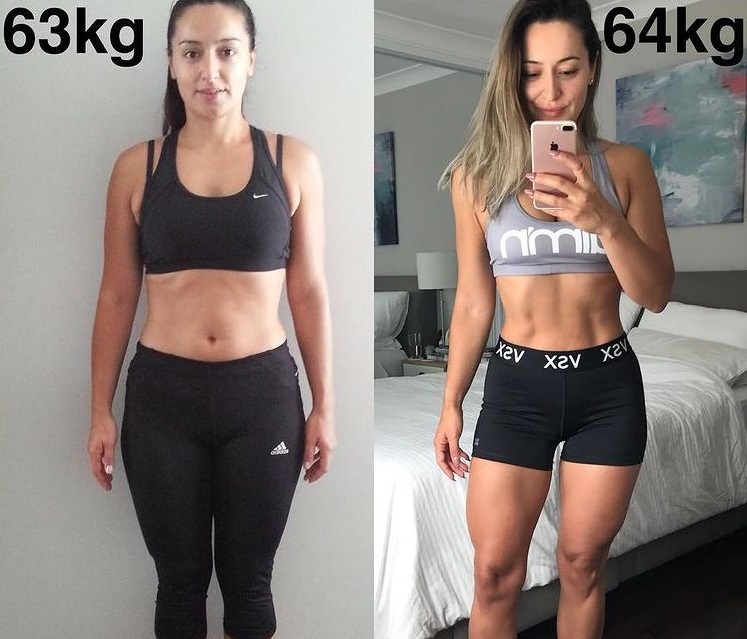
Credit: runtothefinish.com
Role Of Diet In Muscle Building
The role of diet in muscle building is crucial. Nutrition directly impacts muscle growth. Consuming the right foods supports your strength training efforts. This synergy between diet and exercise is essential for effective muscle gain. Proper nourishment fuels workouts and aids recovery. Understanding dietary needs can optimize your muscle-building journey.
Protein: The Building Block Of Muscle
Protein is vital for muscle repair and growth. It supplies amino acids necessary for muscle development. Lean meats, eggs, and dairy are excellent protein sources. Plant-based options include beans, lentils, and tofu. Aim for a balanced intake throughout the day. This helps maintain protein synthesis effectively.
Carbohydrates: Fuel For Energy
Carbohydrates provide energy for workouts. They replenish glycogen stores, aiding recovery. Whole grains, fruits, and vegetables are great choices. A balanced carb intake supports endurance and performance. Ensuring energy availability is key to sustaining intense training sessions.
Fats: Essential For Hormonal Balance
Healthy fats play a role in hormone production. They support testosterone levels, which influence muscle growth. Avocado, nuts, and olive oil are good fat sources. Balancing fat intake ensures optimal hormonal function. This balance is critical for muscle development.
Hydration: The Unsung Hero
Water is often overlooked in muscle building. Hydration aids digestion and nutrient absorption. It regulates body temperature during workouts. Dehydration can hinder performance and recovery. Drink enough water daily to support your training. Staying hydrated is fundamental for muscle health.
Meal Timing: Optimizing Nutrient Intake
Meal timing can affect muscle growth. Eating protein-rich meals post-workout aids recovery. Spacing meals evenly stabilizes energy levels. This approach maximizes nutrient absorption. Consistent meal timing supports steady muscle development.
Exercise Routines For Muscle Growth
Building muscle often leads to weight gain. Muscle weighs more than fat, contributing to overall weight increase. Regular exercise routines enhance muscle growth, boosting strength and size.
Building muscle can indeed make you gain weight, but it’s important to understand how this process works. Muscle tissue is denser than fat, so as you build muscle, you might notice an increase in weight. However, this weight gain is often a positive change, as it reflects a healthier, more toned body. The key to muscle growth lies in the right exercise routines. Let’s dive into some effective strategies that can help you achieve your muscle-building goals.Strength Training Basics
Strength training is the cornerstone of muscle growth. Lifting weights challenges your muscles, prompting them to grow stronger and bigger. Start with exercises like squats, deadlifts, and bench presses. These compound movements engage multiple muscle groups, maximizing your workout efficiency. Aim for 3-4 sessions a week, allowing your muscles time to recover between workouts.Progressive Overload
Are you pushing yourself enough during workouts? Progressive overload means gradually increasing the weight, frequency, or number of repetitions in your strength training routine. This method ensures continuous muscle growth. Keep track of your progress, and don’t shy away from adding a little extra weight each week. Your muscles adapt to the stress, leading to noticeable gains over time.High-intensity Interval Training (hiit)
HIIT isn’t just for cardio enthusiasts; it can be a powerful tool for muscle growth too. Short bursts of intense activity followed by rest periods can stimulate muscle fibers in unique ways. Incorporate exercises like kettlebell swings or burpees into your routine. This approach helps in burning fat while building lean muscle, making it an efficient workout strategy.Rest And Recovery
Do you give your muscles enough time to heal? Rest is crucial for muscle growth. Without adequate recovery, your muscles can’t repair and grow stronger. Make sure to get 7-8 hours of sleep each night. Consider active recovery days with activities like yoga or stretching to keep your body moving without overexerting your muscles.Nutrition And Hydration
Your diet plays a pivotal role in muscle building. Protein is essential, as it provides the building blocks for new muscle tissue. Include lean meats, fish, eggs, and plant-based proteins in your meals. Don’t forget about hydration—water helps transport nutrients to your muscles and removes waste products. Stay hydrated to support your muscle growth journey. How have these exercise routines impacted your weight and muscle growth? Remember, building muscle is a marathon, not a sprint. Celebrate small victories and stay committed to your fitness goals.Common Myths About Muscle And Weight Gain
Building muscle might increase weight, but it’s not just fat. Muscle mass boosts metabolism and strengthens the body. Gaining muscle leads to healthier weight changes, offering more benefits than just numbers on a scale.
Building muscle is often associated with weight gain, leading to confusion and myths about what it truly means for your body. Many people fear that adding muscle will automatically make them bulkier, heavier, or ruin their weight loss efforts. However, understanding the relationship between muscle and weight can help you achieve your fitness goals more effectively. In this section, we’ll debunk some of the most common myths surrounding muscle building and weight gain.Myth 1: Muscle Weighs More Than Fat
Have you ever heard someone say that muscle weighs more than fat? The truth is, a pound is a pound, whether it’s muscle or fat. However, muscle is denser than fat. This means that muscle takes up less space in your body compared to fat. When you build muscle, you may notice that your clothes fit better even if the scale shows a higher number.Myth 2: Lifting Weights Will Make You Bulky
Many fear that lifting weights will automatically make them look like a bodybuilder. The reality is that building significant muscle mass requires specific training and nutrition over a long period. Most people, especially women, will not bulk up from regular strength training. Instead, weightlifting can lead to a toned appearance and increased strength.Myth 3: You Can Turn Fat Into Muscle
Some believe that fat can magically transform into muscle with the right exercise. These are two different types of tissue, and one cannot turn into the other. You can lose fat and build muscle simultaneously, but each requires distinct processes. Diet and exercise work together to help you achieve a leaner, more muscular physique.Myth 4: Muscle Gain Will Stall Weight Loss
It’s a common misconception that gaining muscle will stop you from losing weight. While muscle gain can affect the scale, it doesn’t mean you’re not losing fat. Muscle boosts your metabolism, helping you burn more calories even at rest. Consider using other measures like body composition or progress photos to track your fitness journey.Myth 5: Cardio Is Better For Weight Loss Than Strength Training
Cardio is often seen as the go-to for shedding pounds, but strength training plays a crucial role in weight loss too. Building muscle increases your resting metabolic rate, which means you burn more calories throughout the day. Combining both cardio and strength training in your routine can lead to more sustainable weight loss and overall health improvements. Do these myths sound familiar? Understanding the truth about muscle and weight can empower you to make informed decisions about your fitness routine. What changes will you make now that you know the facts?Balancing Muscle Gain And Overall Health
Building muscle is a popular fitness goal for many. But it often leads to weight gain. This can confuse those who aim for a healthier lifestyle. Understanding the balance between muscle gain and overall health is crucial. It helps in achieving fitness without unwanted surprises. Knowing how to manage muscle growth and health is key. It ensures both goals align.
Understanding Muscle Weight Vs. Fat Weight
Muscle weighs more than fat. This means building muscle can increase your weight. But this isn’t a bad thing. Muscle is denser and takes up less space than fat. So, clothes may fit better even if the scale shows more pounds. Focus on how your body feels and looks, not just the numbers.
The Role Of Nutrition In Muscle Gain
Nutrition plays a vital role in building muscle. Eating protein-rich foods supports muscle growth. Carbohydrates provide energy for workouts. Healthy fats are essential for overall health. Balance your diet to support muscle gain and not just weight increase.
Incorporating Cardio For Heart Health
Cardio is important for heart health. It helps burn calories and maintain a healthy weight. Combining cardio with strength training offers balance. It ensures muscle gain does not compromise cardiovascular health.
Importance Of Rest And Recovery
Rest is crucial for muscle growth. Muscles repair and grow during rest periods. Overtraining can lead to injury and hinder progress. Ensure you get enough sleep and rest days. This will support muscle gain and overall health.
Monitoring Progress For A Balanced Approach
Track your progress with measurements, not just the scale. Use a tape measure to see changes in body dimensions. Take photos for visual progress tracking. This helps in keeping a balanced view of muscle gain and health.
:max_bytes(150000):strip_icc()/VWFit-i-just-started-exercising-why-am-i-gaining-weight-1231585-b13e3c8e91e340919a73c903a7f4fda2.jpg)
Credit: www.verywellfit.com
Tracking Progress And Setting Goals
Building muscle often leads to weight gain because muscle weighs more than fat. Tracking progress helps ensure goals are met. Setting goals can guide efforts, making it easier to balance muscle gain and overall weight.
Tracking your progress and setting goals are essential parts of any fitness journey, especially when building muscle. Many people wonder if gaining muscle will inevitably lead to weight gain. The answer is yes, but it’s not as straightforward as it seems. Muscle is denser than fat, which means the scale might show an increase, but your body could be leaner and more toned. Let’s explore how to track your progress and set meaningful goals on your muscle-building journey.Understanding Muscle Weight Gain
Muscle weighs more than fat by volume. If you gain muscle, you might see a higher number on the scale. This doesn’t mean you’re “gaining weight” in the traditional sense. Your body composition is improving, which is a good thing.Setting Realistic Goals
Setting goals is crucial to keep you motivated. Your goals should be specific, measurable, achievable, relevant, and time-bound (SMART). Instead of aiming to “gain muscle,” aim to “increase bench press by 20 pounds in three months.”Tracking Your Progress
Don’t rely solely on the scale. Use a combination of methods to track progress. Take measurements of your waist, arms, and thighs. Use photos to document changes in your body. Keep a workout journal to track strength gains.Listening To Your Body
Pay attention to how you feel during workouts and in everyday activities. Are you lifting heavier weights or feeling more energetic? These are signs of progress that the scale might not show.Adjusting Goals And Plans
As you gain muscle, your goals may need to change. Maybe you’ve hit your initial target, or perhaps progress has slowed. Adjust your goals and workout plans to keep challenging your body. This keeps your routine fresh and prevents plateaus.Engaging With A Community
Join a fitness group or online community. Sharing your goals and progress with others provides accountability and motivation. It’s encouraging to exchange tips and celebrate milestones together. Are you tracking your progress effectively? Have you set goals that truly motivate you? Reflecting on these questions can lead to better results and a more fulfilling fitness journey.
Credit: www.anytimefitness.com
Frequently Asked Questions
How Much Weight Do You Gain When Building Muscle?
Muscle gain usually leads to an increase of 1 to 2 pounds per month. This varies based on factors like diet, workout intensity, and genetics. Monitoring progress and adjusting your fitness plan can optimize results. Focus on healthy muscle-building strategies for balanced weight gain.
Does Muscle Weigh More Than Fat?
Muscle is denser than fat, so it takes up less space. This means that while muscle doesn’t weigh more than fat, it can lead to weight gain when you build muscle. However, muscle mass contributes to a leaner and more toned physique, which is often desirable.
Can Muscle Gain Cause Weight Increase?
Yes, gaining muscle can lead to weight increase because muscle tissue is denser than fat. As you build muscle, your body composition changes, often resulting in a higher overall weight. This is a healthy form of weight gain that improves your physical appearance and boosts metabolism.
Is Weight Gain From Muscle Healthy?
Weight gain from muscle is healthy because it indicates increased muscle mass. This boosts metabolism and improves physical strength and endurance. Unlike fat gain, muscle gain contributes to a toned appearance and enhances overall body function, making it a positive and desirable outcome.
Conclusion
Building muscle can lead to weight gain. But that’s not bad. Muscle weighs more than fat. It also boosts metabolism. So, gaining weight can mean more strength and health. Don’t fear the scale. Focus on how you feel. Stronger and more energetic.
Muscle gain improves body shape. Embrace the change. Remember, health isn’t just a number. It’s about feeling good in your body. Keep working hard and stay positive. Your body will thank you.