Feeling sore after a workout can leave you wondering if your muscles are growing stronger. You might be asking yourself, “Does this soreness mean I’m building muscle?”
Many fitness enthusiasts have pondered this question, and it’s one that intrigues anyone who’s ever pushed themselves at the gym. In this blog post, you’ll discover the truth about muscle soreness and its relationship with muscle growth. We’ll unpack the science in a way that’s easy to understand, so you can walk away with clear insights.
Whether you’re a gym newbie or a seasoned athlete, understanding this connection can help you optimize your workouts and track your progress more effectively. Keep reading to learn if that post-workout ache is a sign of success or just a part of the process.
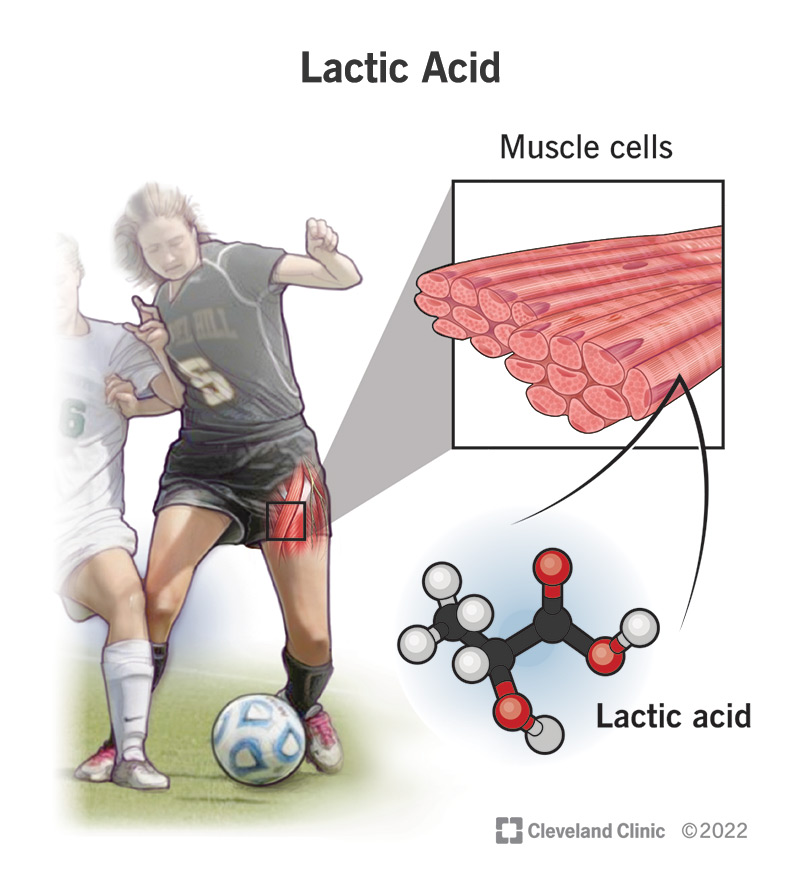
Credit: my.clevelandclinic.org
Muscle Soreness Explained
Feeling sore after a workout might suggest muscle growth. It’s a sign that muscles experienced stress. This stress can lead to muscle building as they repair and strengthen. However, soreness alone doesn’t always mean muscle is growing.
Feeling sore after a workout can leave you wondering if you’re on the right track. Muscle soreness is a common experience for anyone engaging in physical exercise, especially when trying new routines or intensifying workouts. Understanding what muscle soreness really means can help you gauge your progress and make informed decisions about your fitness journey.Types Of Soreness
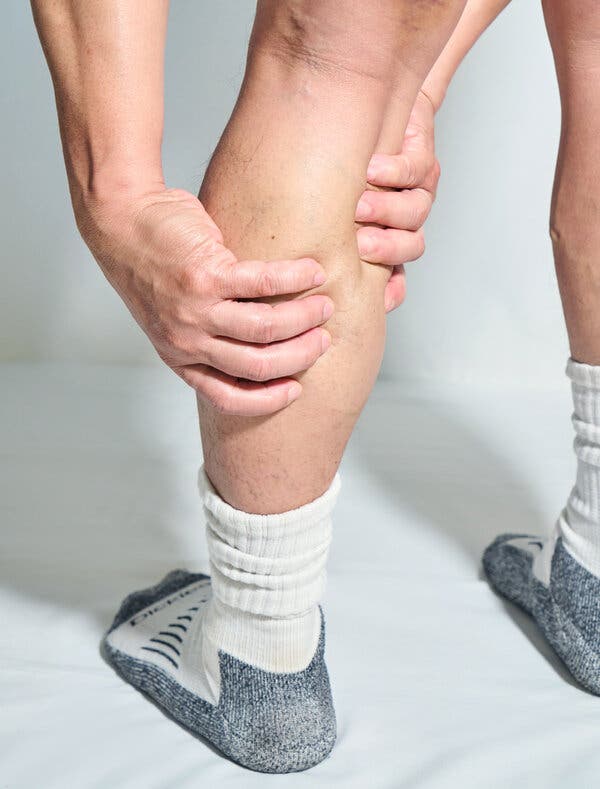
There are generally two types of muscle soreness: acute and delayed onset muscle soreness (DOMS). Acute soreness is the immediate discomfort you feel during or right after exercising. It’s your muscles telling you they’re working hard. On the other hand, DOMS usually sets in 12 to 24 hours after your workout and can last up to 72 hours. This type of soreness is more common when you push your boundaries or try something new.Causes Of Muscle Pain
Muscle pain can arise from several factors. One primary cause is the microscopic tears in your muscle fibers that occur when you challenge them with weight lifting or intense cardio. Your body repairs these tears, leading to stronger muscles. Another cause might be the buildup of lactic acid, especially if you’re not used to the intensity of your workout. Now, think about your own experiences. Have you ever tried a new exercise and felt sore the next day? That soreness is your body adapting, growing, and becoming more resilient. But remember, excessive pain might mean overexertion, so listen to your body. Is soreness a sign of muscle growth? Not necessarily. It indicates your muscles are being challenged, but muscle growth depends on consistent training, proper nutrition, and adequate rest. So, should you push through the pain or rest? It depends on the intensity. Mild soreness can be a green light to continue, but severe pain may signal you need rest. Always aim for balance. Your body needs both challenge and recovery to truly build muscle. What does your current routine look like? Is it time to tweak it for better results?
Credit: www.onepeloton.com
Connection Between Soreness And Muscle Growth
Many people feel sore after a workout. It’s often seen as a sign of progress. But does soreness mean muscle growth? Understanding this connection helps optimize workouts.
Soreness is common in fitness routines. It can be misleading, though. Not every sore muscle grows significantly. Knowing the facts clears misconceptions.
Myths And Facts
Some believe soreness equals muscle gain. This is not entirely true. Soreness indicates muscle stress. It doesn’t always mean growth. Muscles repair and grow differently.
Another myth is soreness shows a good workout. Not necessarily. Effective workouts focus on balance. They mix intensity with recovery.
Scientific Insights
Science explains muscle soreness. It’s known as delayed onset muscle soreness (DOMS). DOMS results from tiny tears in muscle fibers. These tears don’t guarantee growth. They only show muscle stress.
Muscle growth requires protein synthesis. Rest and nutrition aid this process. Soreness might not reflect these factors. Consistent training and diet play bigger roles.
Studies show soreness varies. It’s not a reliable measure of muscle growth. Track progress through strength gains. Monitor changes in muscle size.
Factors Influencing Muscle Growth
Muscle soreness isn’t a direct sign of growth. It indicates muscle stress and repair, which might lead to growth. Proper nutrition, rest, and consistent exercise play crucial roles in building muscle effectively.
Building muscle isn’t just about lifting heavy weights or feeling sore after a workout. Various factors influence muscle growth, and understanding them can help you optimize your fitness journey. Whether you’re a seasoned athlete or a beginner, knowing what contributes to muscle development can make a significant difference. Let’s dive into some key aspects that play a crucial role in how your muscles grow and strengthen.Role Of Nutrition
What you eat significantly affects muscle growth. Consuming enough protein is essential, as it helps repair and build muscle tissues. But don’t forget about carbohydrates and fats—they provide the energy needed to fuel your workouts. Eating a balanced diet ensures your body gets all the necessary nutrients for muscle recovery and growth. Have you checked if your meals are giving you the right nutrition?Importance Of Rest
While working out is vital, rest is equally important for muscle growth. When you exercise, you create small tears in your muscle fibers, and rest allows these tears to heal and grow stronger. Sleep plays a crucial role in this recovery process. Aim for 7-9 hours of quality sleep to ensure your body has the time to rebuild and strengthen muscles. Have you ever noticed how much better your workout feels after a good night’s sleep? It’s not just a coincidence!Exercise Intensity
The intensity of your workouts determines how effectively your muscles grow. Pushing your limits can lead to better results, but it’s vital to balance intensity with proper form to avoid injuries. Implementing progressive overload, where you gradually increase the weight or resistance, can help stimulate muscle growth. Consider mixing up your routine—adding variation can keep your muscles guessing and growing. Are you challenging your muscles enough during your workouts? Understanding these factors can help you tailor your approach to muscle growth, ensuring you’re not just sore but actually building the strength you desire.Soreness In Different Training Phases
Muscle soreness varies throughout training phases. Whether you’re new or experienced, soreness can mean different things. Understanding these differences helps in optimizing your workout strategy.
Beginners Vs. Experienced Athletes
Beginners often experience more soreness. Their muscles aren’t used to the strain. Every workout feels challenging and new. This soreness is due to muscle fibers adapting to stress.
Experienced athletes feel less soreness. Their muscles are used to the exertion. They may still experience soreness, but it’s less intense. Their bodies recover faster, allowing them to train more efficiently.
Impact On Performance
Soreness can affect performance levels. Beginners might struggle with consistency. Soreness can discourage them from pushing further. It’s important to balance recovery and training.
Experienced athletes manage soreness better. They know how to maintain performance despite discomfort. They use techniques to minimize soreness impact. This helps maintain their training schedules.
Alternatives To Gauge Progress
Feeling sore after a workout is common, but does it really mean your muscles are growing? While soreness can indicate muscle repair, it isn’t the only way to measure progress. There are more reliable methods to track your fitness journey.
How do you truly know if you’re on the right track? Let’s dive into some practical alternatives.
Measuring Strength Gains
Strength gains can be a clear indicator of progress. Have you ever noticed how you can lift heavier weights or perform more repetitions over time? This improvement in strength shows that your muscles are adapting and growing.
Consider keeping a log of your workouts. Record the weights you lift and the number of reps you complete each session. This helps you see your progress clearly and keep motivated. Are you lifting more than you did last month? Then you’re building muscle, regardless of soreness.
Tracking Physical Changes
Physical changes often accompany strength gains. Have you noticed your clothes fitting differently or changes in your body shape? These are tangible signs of progress.
Take regular photos of yourself. Compare them over weeks or months. Sometimes, visual evidence can be more encouraging than numbers on a scale. You might be surprised by the transformation you see.
Use measurements like waist or arm circumference. These can offer a more detailed view of your progress than weight alone. Are you losing inches but maintaining weight? It’s likely muscle growth. Keep these methods consistent and watch your body evolve.
So, while soreness might be a part of your routine, don’t let it be the only way you measure success. Why limit yourself to just one sign? Try these alternatives and discover a fuller picture of your fitness journey.
Managing And Reducing Soreness
Feeling sore after a workout doesn’t always mean muscle growth. Soreness can result from unfamiliar exercises or increased intensity. Muscle building occurs when muscles repair and grow stronger, not just from feeling sore.
Managing and reducing soreness is crucial for anyone aiming to build muscle. Feeling sore after a workout is common. But constant soreness can affect your daily activities. Understanding how to manage and reduce this soreness is vital. It helps you stay consistent with your fitness routine.Effective Recovery Techniques
Rest is the most crucial factor for muscle recovery. Give your muscles time to heal and grow stronger. Stretching post-workout can also aid recovery. It helps improve blood flow to your muscles. Consider incorporating foam rolling into your routine. Foam rolling can reduce tightness and increase flexibility. Hydration plays a key role in muscle recovery, too. Drinking water helps flush out toxins from your body. Proper nutrition is essential for muscle repair. Eating protein-rich foods supports muscle recovery and growth.Preventive Measures
Warm up before you start exercising. A good warm-up prepares your muscles for the workout. It reduces the risk of injury and soreness. Start with light exercises to get your blood flowing. Gradually increase the intensity of your workouts. Avoid jumping into heavy lifting right away. Listen to your body. If something feels too intense, slow down. Ensure you maintain proper form during exercises. Incorrect form can lead to unnecessary strain and soreness. Adding rest days into your routine is important. Rest days give your muscles time to recover and strengthen.
Credit: www.onepeloton.com
Frequently Asked Questions
Does Sore Muscle Mean Growth?
Sore muscles can indicate growth, as they often result from intense exercise causing micro-tears in muscle fibers. This leads to repair and growth. However, soreness isn’t the only sign of growth; proper nutrition and rest are crucial. Always prioritize recovery to prevent injury and ensure effective muscle development.
Am I Building Muscle If I Am Sore?
Muscle soreness often indicates muscle growth due to tiny tears in muscle fibers. This is a common post-exercise response. While soreness can suggest muscle building, consistent workouts and recovery are crucial for effective muscle growth. Listening to your body and ensuring proper rest is essential.
What Are The First Signs Of Muscle Growth?
Early signs of muscle growth include increased strength, fuller muscles, improved endurance, and slight weight gain. You might notice clothes fitting tighter due to muscle mass. Enhanced muscle definition and reduced body fat can also indicate growth. Consistent workouts and nutrition support these changes.
Is It A Good Thing If My Muscles Are Sore?
Muscle soreness can indicate effective workouts, signaling muscle growth and adaptation. It’s generally a positive sign. However, excessive soreness may require rest or modified exercises to prevent injury. Listen to your body and ensure proper recovery for optimal results. Balance is key to maintaining a healthy fitness routine.
Conclusion
Soreness after exercise doesn’t always mean muscle growth. It’s just one sign. Muscles can grow without feeling sore. Listen to your body. Focus on balanced workouts. Include rest and proper nutrition. Monitor progress with strength and endurance, not just soreness.
Everyone’s body reacts differently. Pay attention to changes over time. Enjoy the journey of building strength. Celebrate small wins and improvements. Stay motivated and patient. Consistency is key in achieving fitness goals. Keep learning and adapting your routine. Always prioritize health and well-being.
Embrace the process, not just the outcome.