Are you wondering if lifting heavy weights is the only path to building muscle? It’s a common question that might have you feeling a bit overwhelmed, especially with so much conflicting information out there.
You’re not alone. Many people like you want to know the real secret behind muscle growth. Is it all about the heavy lifting, or is there more to the story? We’ll cut through the noise and give you the straightforward answers you’re looking for.
Imagine finally understanding what your body truly needs to build muscle effectively. By the end, you’ll feel empowered with the knowledge to make informed decisions about your fitness routine. So, are you ready to unlock the truth and take control of your muscle-building journey? Let’s get started!
Muscle Building Basics
Building muscle does not always mean lifting heavy weights. Understanding muscle building basics helps achieve fitness goals efficiently. Many factors contribute to muscle growth. Nutrition, workout intensity, and rest play crucial roles. A balanced approach often yields better results.
Understanding Muscle Growth
Muscle growth happens through a process called hypertrophy. When muscles face resistance, tiny tears occur in the muscle fibers. Your body repairs these tears, making muscles stronger and larger. It’s not just about lifting heavy. Consistent and progressive overload is key.
The Role Of Nutrition
Nutrition is vital in muscle building. Proteins repair and build muscle tissue. Carbohydrates provide energy for workouts. Healthy fats support overall health. Eating a balanced diet ensures your body gets the nutrients it needs.
Importance Of Workout Intensity
Workout intensity impacts muscle growth. High intensity workouts challenge muscles and stimulate growth. Focus on form and technique. This ensures effective workouts and prevents injuries. Sometimes lighter weights with higher repetitions can be effective.
Rest And Recovery
Rest is crucial for muscle recovery. Muscles need time to repair and grow. Adequate sleep supports this process. Rest days prevent overtraining. Listen to your body and allow recovery periods. This is essential for long-term gains.
Credit: medium.com
Heavy Lifting Explained
Building muscle often conjures images of people lifting massive weights in the gym. But is heavy lifting the only way to achieve those gains? Understanding what heavy lifting truly means can help you tailor your workouts to suit your goals and capabilities. Let’s break down the concept of heavy lifting and address some common misconceptions.
Defining Heavy Lifting
Heavy lifting doesn’t have a one-size-fits-all definition. It varies depending on your fitness level, experience, and individual strength. For a seasoned lifter, heavy might mean squatting twice their body weight. For a beginner, it could be a set of 10 reps with a weight that challenges them.
Heavy lifting is about pushing your limits safely. It’s about finding a weight that tests your strength without compromising your form. It’s not just about the numbers on the weights; it’s about the effort you put into each lift.
Common Misconceptions
Many believe heavy lifting is only for bodybuilders or those who want to bulk up. The truth is, lifting heavy can benefit anyone looking to increase strength or muscle tone. It’s not exclusive to those aiming for massive muscles.
Another misconception is that heavy lifting is dangerous. While it’s true that improper technique can lead to injury, lifting heavy with the right form and guidance is safe. The key is listening to your body and knowing when to stop.
Some think that heavy lifting must be done daily to see results. In reality, your muscles need time to recover. Overworking them can lead to fatigue and reduce your progress. Balance is crucial in any fitness routine.
Have you ever watched someone lift heavy weights effortlessly and wondered if you could do the same? You probably can, with consistent practice and patience. Reflect on your fitness journey—are you challenging yourself enough, or is there room to push a bit harder?
Remember, the path to building muscle isn’t paved solely with heavy weights. It’s about understanding your body’s needs and capabilities. Are you ready to redefine what heavy lifting means for you?
Muscle Growth Mechanisms
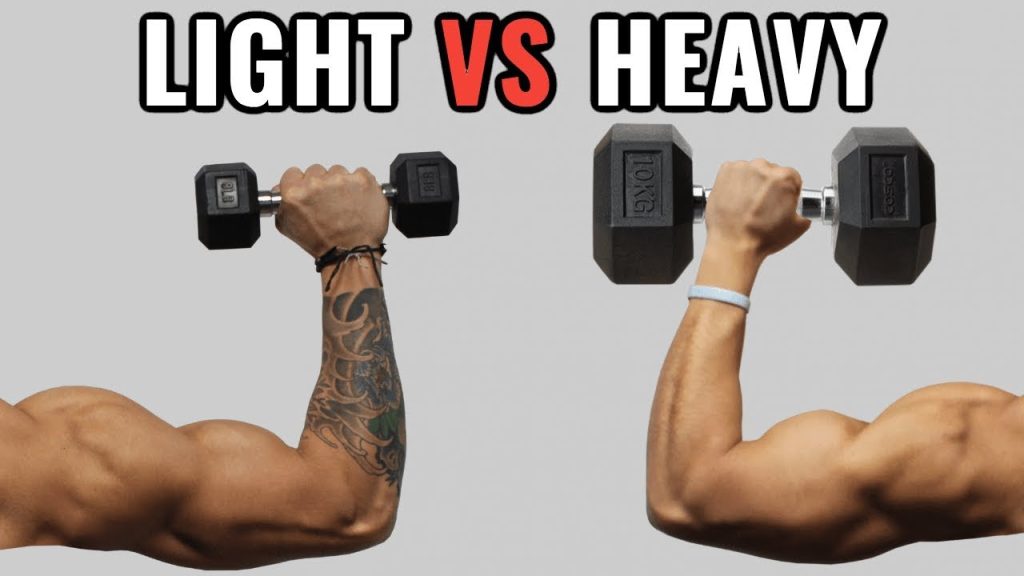
Building muscle doesn’t always mean lifting heavy weights. Light weights with more repetitions can also stimulate muscle growth. Focus on increasing tension and challenging muscles through varied exercises and progressive overload.
Building muscle is more than just lifting heavy weights. It’s a complex process involving different mechanisms that trigger muscle growth. Understanding these mechanisms can help you optimize your workouts and achieve better results. Let’s dive into some key factors that play a role in muscle development.Hypertrophy And Strength
Hypertrophy refers to the increase in muscle size. It’s a primary goal for many who hit the gym. But how do muscles get bigger? It’s all about challenging your muscles. When you lift weights, your muscles experience stress, leading to microscopic tears. Your body repairs these tears, making muscles larger and stronger. Strength is about how much force your muscles can produce. It’s not just about size; it’s about efficiency. Think of it as tuning a car engine for better performance. You don’t always need heavy weights to boost strength. Focus on proper form and controlled movements. This ensures your muscles are working efficiently, which can lead to strength gains.Role Of Resistance
Resistance is crucial for muscle growth. It’s the force your muscles must overcome to perform an exercise. Without resistance, muscles have no reason to grow. You might wonder, do you need heavy weights for effective resistance? Not necessarily. Resistance can come from various sources, like resistance bands or bodyweight exercises. Imagine doing push-ups; your body acts as resistance. It’s not about how heavy the weight is but how challenging the movement feels. Have you tried increasing resistance with lighter weights by slowing down your reps? This technique can shock your muscles, promoting growth without heavy lifting. Ultimately, it’s about finding the right balance. Challenge your muscles consistently with varied resistance levels, and you’ll see progress. What strategies have you found effective in your muscle-building journey? Share your thoughts below!
Credit: www.fitandwell.com
Alternative Training Methods
Building muscle doesn’t always mean lifting heavy weights. Many effective methods exist for those who prefer lighter weights or varied routines. These alternative training methods can help you achieve muscle growth without the strain of heavy lifting. Explore these options to find what suits your body and fitness goals.
High Reps, Low Weight
Using high reps with low weight can boost muscle endurance. This method focuses on performing many repetitions with less weight. It targets muscle fibers differently than heavy lifting. Muscles experience prolonged tension, which can lead to growth. This approach is ideal for toning and increasing stamina.
Variable Intensity Techniques
Variable intensity techniques keep muscles guessing. By changing the intensity, muscles adapt and grow. Techniques like drop sets and supersets add variety. Drop sets involve reducing weight after each set. Supersets combine exercises for different muscle groups. These methods challenge muscles in new ways. They can enhance strength and endurance without lifting heavy.
Scientific Studies
Muscle growth doesn’t always require lifting heavy weights. Scientific studies show lighter weights with more repetitions can be effective. Focus on consistent workouts and proper form for muscle development.
Building muscle is often associated with lifting heavy weights, but how true is this belief? Scientific studies have delved into this question to uncover whether heavy lifting is indeed necessary for muscle growth. Understanding these findings can help you make informed decisions about your workout routines and achieve your fitness goals more effectively.Research Findings
Recent studies have shown that both heavy and lighter weights can lead to muscle growth, provided that you exercise to the point of muscle fatigue. A pivotal study published in the Journal of Applied Physiology found that lifting lighter weights for more repetitions can stimulate muscle growth just as effectively as lifting heavier weights for fewer reps. This is great news if you’re concerned about joint stress or have access to limited equipment. Lifting lighter weights with more repetitions can also improve muscle endurance. You might find this approach more sustainable in the long run, allowing you to maintain a consistent workout routine without the risk of overtraining.Expert Opinions
Many fitness experts agree that lifting heavy is not the only way to build muscle. Renowned strength coach Brad Schoenfeld suggests that the key factor is training to muscle failure, regardless of the weight you use. Experts emphasize the importance of progressive overload. This means gradually increasing the difficulty of your workouts, whether by adding more reps, increasing weight, or reducing rest time between sets. Remember, personal preference and physical condition should guide your choice of weight. Have you ever noticed how some people thrive with heavier weights while others prefer lighter ones? Listening to your body can help you find the most enjoyable and effective path to muscle growth. Are you challenging yourself enough, or are you sticking to what feels comfortable? Ultimately, the best workout is one you can stick with consistently. What feels sustainable and enjoyable for you might be different for someone else, so it’s essential to experiment and find what works best for your body.Benefits Of Lifting Heavy
Lifting heavy weights can transform your fitness routine. It offers numerous benefits. It helps build muscle and improve overall strength. Many people wonder if heavy lifting is necessary for muscle growth. Let’s explore some key benefits.
Strength Gains
Heavy lifting boosts your strength significantly. It challenges your muscles. This challenge encourages muscle fibers to grow and adapt. Regular heavy lifting leads to increased strength over time. You will notice improvements in daily activities too. Tasks become easier. Your body becomes more efficient. Stronger muscles enhance your performance in various sports. Lifting heavy helps achieve these strength gains effectively.
Bone Density Improvement
Lifting heavy weights supports bone health. It increases bone density. This is crucial for preventing osteoporosis. Strong bones reduce the risk of fractures. Weight-bearing exercises stimulate bone growth. Heavier weights provide greater stimulation. Over time, your bones become stronger and denser. This benefit is vital for aging individuals. It ensures better mobility and stability. Heavy lifting contributes to long-term bone health.
Risks Of Heavy Lifting
Building muscle doesn’t always require lifting heavy weights. Overdoing it can lead to injuries like back strain. Focusing on proper form and progressive resistance can also effectively enhance muscle growth without excessive risk.
Risks of Heavy Lifting When you’re on a mission to build muscle, you might think that lifting heavier weights is the only way to see progress. But have you considered the risks that come with it? Heavy lifting can indeed be effective, but it also comes with potential pitfalls that could set you back instead of pushing you forward.Injury Potential
Lifting heavy weights increases the risk of injury. Your muscles, joints, and tendons are all under significant stress during these exercises. A simple wrong move or lack of proper form can lead to strains, sprains, or even more severe injuries like herniated discs. Imagine pushing yourself too hard during a deadlift session, only to feel a sudden sharp pain in your back. This could mean weeks or even months away from your fitness goals. Is the risk worth it?Overtraining Concerns
Another risk with heavy lifting is overtraining. Your body needs time to recover and repair after intense workouts. Constantly pushing your limits without adequate rest can lead to fatigue, irritability, and a decrease in performance. Remember the last time you felt drained and couldn’t muster the energy for a workout? That could be your body signaling for a break. Overtraining not only stalls progress but can also lead to burnout. Are you giving your body the rest it needs? Incorporating heavy lifting into your routine can be beneficial, but it’s crucial to balance it with proper technique and recovery. Are you ready to lift smart and safe?Balancing Weight And Volume
Building muscle doesn’t always require lifting heavy weights. Focus on balancing weight and volume in your workouts. This approach can effectively stimulate muscle growth and prevent injury.
Building muscle isn’t just about lifting the heaviest weights you can find. The secret lies in balancing weight and volume. It’s about finding that sweet spot where you’re challenging your muscles effectively while preventing burnout or injury. This balance can make or break your progress, leading you to either peak performance or frustration. So, how do you find this balance?Customizing Your Routine
Creating a workout routine is like cooking your favorite dish. You need to tailor it according to your taste—or in this case, your body. Everyone’s muscles react differently, so it’s crucial to mix heavy lifting with lighter weights for more repetitions. Consider your goals and current fitness level. If you’re starting out, focus on form and endurance with moderate weights and more reps. As you grow stronger, gradually increase the weight while keeping an eye on your form. Remember, it’s not just about the numbers on the dumbbells. It’s about how you feel during and after your workout. Adjust your routine regularly to keep your muscles guessing and growing.Listening To Your Body
Your body is your best coach. Pay attention to what it tells you. Are you feeling fatigued after lifting heavy weights for weeks? It might be time to switch to lighter weights with more reps for a while. Muscle soreness is natural, but persistent pain isn’t. If you experience sharp pain or discomfort, reconsider your technique or weight choice. Your body signals when it needs a break or a change, so listen closely. Rest is crucial. Ensure you’re giving your muscles time to recover. This prevents injury and fosters growth. If you feel energized and ready, push harder. If not, give yourself a day off or opt for lighter workouts. In your journey to building muscle, ask yourself, “Am I pushing too hard, or not hard enough?” Keep this question in mind as you find your balance between weight and volume. Your muscles will thank you for it.Real-life Success Stories
When it comes to building muscle, many people wonder if lifting heavy weights is the only way. Real-life success stories can offer valuable insights and challenge common assumptions. These stories highlight different approaches to muscle building, showcasing how individuals from varied backgrounds achieve their fitness goals.
Athlete Perspectives
Professional athletes often have unique approaches to training. Take Sarah, a competitive swimmer. She found success by focusing on lighter weights and higher repetitions. Her goal was to build endurance and lean muscle.
Sarah’s story shows that even athletes can benefit from varied weight lifting strategies. Her approach helped her excel in the pool, proving that heavy lifting isn’t always the key to success.
Another athlete, Jake, a football player, uses heavy weights to build strength. However, he incorporates lighter weights for agility and speed. His balanced routine helps him perform better on the field.
These stories highlight that athletes tailor their training to their sport’s demands. Are you considering how your fitness goals might require a unique approach?
Everyday Lifters’ Experiences
Everyday lifters also have diverse experiences. Lisa, a busy mom, shares her journey of muscle building with resistance bands and bodyweight exercises. She focuses on consistency and variety in her workouts.
Lisa’s story proves you don’t need a gym full of heavy weights to see results. Her toned arms and legs are a testament to her dedication and smart training choices.
Then there’s Tom, who started lifting heavy but transitioned to lighter weights due to a shoulder injury. His story shows how adapting your routine can lead to success, even with setbacks.
These everyday lifters remind us that flexibility in your training can lead to personal achievements. How might a change in your approach unlock new progress in your muscle-building journey?
Real-life success stories reveal that muscle building isn’t a one-size-fits-all journey. Whether you’re an athlete or an everyday lifter, consider how your unique needs and circumstances can shape your approach to weight lifting. What’s your story going to be?
Expert Tips For Muscle Building
Building muscle can seem like a daunting task, especially with all the conflicting advice out there. You might wonder if lifting heavy is the only way to see real results. But here’s the truth: muscle building is more about strategy than sheer weight. Understanding the right techniques can transform your workout routine and maximize gains. Let’s dive into some expert tips that can help you build muscle effectively.
Progressive Overload Strategies
Progressive overload is the key to muscle growth. It’s about gradually increasing the stress placed on your muscles. This doesn’t mean you have to lift heavier weights every time you hit the gym. You can achieve this by adding more reps, reducing rest time, or even improving your form. Take my friend John, for example. He started by simply adding one extra rep to his sets each week. It worked wonders for his strength and muscle size.
Think about what small changes you can make today. Maybe it’s increasing your set duration or adding a new exercise to your routine. This strategic approach helps your muscles adapt and grow over time, without the risk of injury.
Nutrition And Recovery
Your muscles are built in the kitchen and while you rest. Nutrition plays a crucial role in muscle growth. Ensure you’re consuming enough protein, carbs, and healthy fats. These nutrients fuel your workouts and aid in recovery.
Consider a balanced meal plan that supports your goals. A fellow gym-goer shared how swapping out junk food for lean proteins and veggies boosted his energy and performance. It’s about giving your body what it needs to repair and grow.
Recovery is equally important. Sleep, rest days, and hydration help your muscles recover from the stress of exercise. Are you letting your body rest enough? Remember, growth happens during recovery, not during the workout.
Building muscle is a journey, not a destination. What strategies will you apply next to see tangible results? Whether it’s tweaking your workout or refining your diet, every small change makes a difference. Embrace these expert tips and watch your muscles thrive.

Credit: www.youtube.com
Frequently Asked Questions
Can You Build Muscle Without Lifting Heavy?
Yes, you can build muscle without lifting heavy weights. Focus on bodyweight exercises, resistance bands, and high-rep workouts. Ensure proper nutrition and rest for muscle growth. Mix different exercises to target various muscle groups effectively. Consistency and progressive overload are key to achieving muscle gain.
Is Lifting Heavy Necessary For Muscle Growth?
Lifting heavy is not strictly necessary for muscle growth. Muscles grow from progressive overload, which can include varying weights and repetitions. Focus on challenging your muscles consistently, whether with heavy or moderate weights. Proper nutrition and recovery also play key roles in muscle development.
Can I Build Muscle With Lighter Weights?
Yes, building muscle with lighter weights is possible. Focus on higher repetitions and proper form. Gradually increase intensity and maintain consistent workouts. This approach reduces injury risk while promoting muscle growth. Prioritize progressive overload and balanced nutrition for optimal results.
Is Lifting Heavy Necessary For Muscle Growth?
Lifting heavy is not mandatory for muscle growth. Muscle hypertrophy can occur with lighter weights when combined with higher repetitions. It’s essential to focus on progressive overload and proper form. Consistency, nutrition, and adequate rest also play crucial roles in building muscle effectively.
Conclusion
Building muscle doesn’t always mean lifting heavy weights. Different methods work. Light weights with more repetitions can also build strength. Listen to your body. Adjust your routine based on what feels right. Consistency is key in muscle growth. Mix up your workouts for balanced development.
Focus on technique to avoid injuries. Nutrition plays a big role too. Eat protein-rich foods to support muscle repair. Rest is essential for recovery. Remember, everyone is unique. Find what works best for your body and goals. Enjoy the journey to a stronger you.