Imagine standing in front of the mirror, flexing your muscles, and wishing they were just a bit more defined. You’ve heard the whispers at the gym and seen countless articles online: to build muscle, you need to eat more.
But is it that simple? You might wonder if piling up your plate is the secret sauce to gaining muscle mass or just a fast track to unwanted weight. We’ll dive into whether you truly need to increase your food intake to build those muscles.
We’ll uncover myths, reveal essential truths, and offer actionable advice that could transform your approach to muscle building. What you learn here could change the way you think about your diet and workout routine forever. So, are you ready to discover the real connection between your meal plan and muscle growth? Keep reading to find out!

Credit: www.youtube.com
The Basics Of Muscle Growth
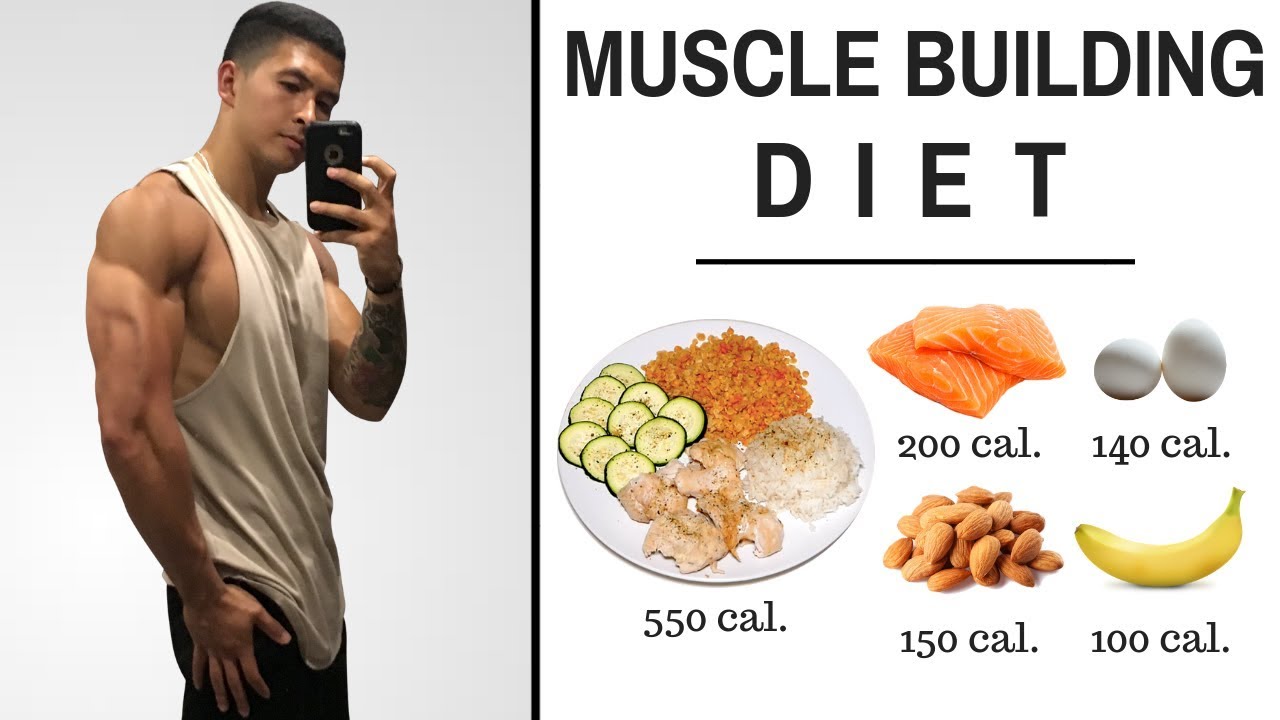
Eating more can help build muscle. Muscles need extra calories for growth and repair. Focus on proteins, healthy fats, and carbohydrates for balanced nutrition.
Building muscle is an exciting journey that many embark on, whether for strength, aesthetics, or health. But understanding the basics of muscle growth is crucial. It’s not just about lifting weights or eating more; there’s a science behind it that can guide you toward your goals.How Muscles Develop
Muscles grow when they are subjected to stress beyond their usual capacity. This stress comes from exercises like weightlifting or resistance training. When you lift a heavy weight, your muscles experience tiny tears. Your body repairs these tears during rest, making the muscle fibers stronger and bigger. This process, known as hypertrophy, is what leads to muscle growth. Have you ever noticed how your muscles feel sore after a workout? That’s a sign that they’re repairing and growing stronger.The Role Of Protein In Muscle Building
Protein is vital for muscle repair and growth. It provides the building blocks—amino acids—that your muscles need to recover and grow. Without enough protein, your muscles can’t repair themselves efficiently. Imagine you’re building a house; protein is like the bricks you need to construct it. Eating sufficient protein helps ensure your body has what it needs to build muscle. Sources like chicken, fish, eggs, and plant-based options like beans and lentils are excellent choices. Are you getting enough protein in your daily diet? Consider tracking your intake to ensure you’re meeting your muscle-building needs. While the exact amount can vary, aiming for 1.2 to 2.2 grams of protein per kilogram of body weight is a good start for most people looking to build muscle. Remember, building muscle isn’t just about eating more; it’s about eating smarter. Have you adjusted your diet to support your muscle growth journey?Caloric Surplus And Muscle Gain
Building muscle requires more than just lifting weights. Eating plays a crucial role. A caloric surplus means consuming more calories than your body burns. This extra energy aids in muscle growth. But how does it work? Let’s explore the relationship between a caloric surplus and muscle gain.
Understanding Caloric Surplus
A caloric surplus is essential for muscle growth. When you eat more, your body has extra energy. This energy helps repair and build muscle tissues. Without enough calories, muscles can’t grow efficiently. Think of it as fuel for your muscles.
Eating a surplus doesn’t mean overeating. It’s about consuming the right amount. Too little won’t yield results. Too much might lead to unwanted fat gain. Finding the right balance is key.
Balancing Calories And Macronutrients
Calories alone aren’t enough for muscle gain. Macronutrients play a significant role. Proteins are vital for muscle repair. Carbohydrates provide energy for workouts. Fats support overall health and hormone balance.
Balancing these macronutrients ensures effective muscle growth. Include a variety of foods in your diet. Focus on lean proteins, whole grains, and healthy fats. This balanced approach helps maximize muscle gain.
Tracking your intake can be beneficial. It ensures you’re getting the necessary nutrients. This way, you can adjust your diet as needed.
Protein Intake For Muscle Growth
Protein is crucial for muscle growth. It helps repair and build muscles after workouts. Without enough protein, muscle growth can slow down. Understanding the right amount and sources of protein is key.
How Much Protein Is Needed
Daily protein needs vary. A general guideline is 1.6 to 2.2 grams per kilogram of body weight. Athletes and active individuals may need more. Consistent intake is important. Spread protein intake throughout the day. This helps with muscle repair and growth.
Best Sources Of Protein
Choose high-quality protein sources. Lean meats like chicken and turkey are excellent. Fish such as salmon and tuna are also rich in protein. Eggs are versatile and packed with protein. Dairy products like Greek yogurt and cottage cheese offer good protein. Plant-based options include beans, lentils, and tofu. Variety ensures a balanced diet. Mix different sources for best results.
Timing Of Meals For Muscle Gain
Building muscle involves more than just lifting weights. It requires a strategic approach to nutrition. The timing of meals can significantly impact muscle gain. Eating at the right times helps optimize energy and recovery. It ensures your body gets the nutrients it needs. This section explores the importance of meal timing for muscle growth.
Importance Of Meal Timing
Meal timing plays a crucial role in muscle gain. Consuming meals at specific times supports muscle recovery. It fuels workouts and aids in rebuilding muscle tissue. Eating regularly keeps your metabolism active. It helps maintain energy levels throughout the day.
Avoid long gaps between meals. This can lead to muscle breakdown. Eating every few hours provides a steady stream of nutrients. It helps maintain a positive nitrogen balance, essential for muscle growth.
Pre- And Post-workout Nutrition
Pre-workout nutrition prepares your body for exercise. Consuming carbohydrates and protein before workouts fuels your muscles. It enhances performance and reduces muscle damage. A small snack 30 to 60 minutes before exercise is ideal.
Post-workout nutrition is equally important. After exercise, your muscles need to recover. Consuming protein and carbohydrates helps repair muscle fibers. It replenishes glycogen stores depleted during workouts.
Aim to eat a post-workout meal within 30 to 60 minutes. This window is crucial for maximizing muscle recovery. A balanced meal with protein and carbs will do the job.
The Role Of Carbohydrates And Fats
Building muscle requires more than just lifting weights. Nutrition plays a crucial role in this process. Eating the right balance of carbohydrates and fats can help fuel workouts and support recovery. Understanding the role of these macronutrients can make a big difference in muscle growth. This section will explore how carbohydrates and fats contribute to muscle building.
Carbohydrates As Fuel
Carbohydrates provide energy for workouts. They are the body’s main source of fuel during exercise. Eating enough carbs ensures you have the energy to lift weights effectively. Complex carbohydrates like oats, brown rice, and sweet potatoes are great choices. They release energy slowly, keeping you fueled longer. Simple carbs like fruits provide quick energy for intense workouts.
Healthy Fats For Hormonal Balance
Fats are essential for hormone production. Hormones like testosterone play a key role in muscle growth. Healthy fats support this hormonal balance. Include sources like avocados, nuts, and olive oil in your diet. These fats also support joint health, reducing the risk of injury. Balance is key; too much fat can lead to weight gain. Focus on quality sources to meet your nutritional needs.
Supplements And Muscle Building
Building muscle requires more than just lifting weights. Diet plays a key role, and many turn to supplements. They promise to fill nutritional gaps. But are they necessary? Let’s explore the world of muscle-building supplements. Understand their effectiveness and safety.
Popular Muscle-building Supplements
Protein powders top the list. They’re easy to digest and support muscle repair. Whey protein is a favorite. It’s quick to absorb. Creatine is another popular choice. It boosts energy for workouts. Many athletes swear by it. Then there’s BCAAs. They aid muscle recovery. Reduces fatigue during exercise. Glutamine is also worth noting. It supports immune health and muscle growth. Fish oil supplements provide omega-3 fatty acids. They reduce inflammation. Enhance recovery.
Effectiveness And Safety
Protein powders are effective for muscle repair. They help meet protein needs. Creatine enhances strength and performance. It’s backed by research. BCAAs support recovery and reduce muscle soreness. Glutamine aids in muscle maintenance. It’s beneficial for athletes. Fish oil offers health benefits. Supports joint health and recovery. But safety is crucial. Not all supplements are created equal. Choose reputable brands. Check for third-party testing. Avoid excessive dosages. Always consult a healthcare professional. Especially if you have underlying conditions.
Common Myths About Muscle Building Diets
Building muscle involves understanding nutrition. Many believe more food equals more muscle. But misconceptions abound. These myths can lead to poor eating habits. Let’s explore common myths about muscle-building diets.
Debunking Caloric Myths
Many think they need to eat a lot to build muscle. This isn’t always true. Consuming too many calories can lead to fat gain. Quality over quantity matters. Focus on nutrient-rich foods. Balance is key. Overeating can hinder muscle growth.
Misconceptions About Protein
Protein is crucial for muscle growth. But excess protein won’t speed up results. The body needs a balanced diet. Other nutrients like carbs and fats are important too. Eating varied foods supports muscle-building. Avoid relying solely on protein.
Credit: www.youtube.com
Creating A Personalized Nutrition Plan
Building muscle requires more calories for energy and growth. Personalized nutrition plans help in understanding your specific calorie needs. Eating the right amount boosts muscle development while maintaining overall health.
Creating a personalized nutrition plan is crucial if you’re serious about building muscle. While lifting weights and working out are essential, what you eat plays a huge role in how effectively your muscles grow. It’s not just about eating more; it’s about eating right. By tailoring your diet to your body’s needs and your fitness goals, you can optimize your muscle-building journey. Imagine having a nutrition plan that suits you perfectly, helping you achieve the strength and physique you desire.Assessing Your Body’s Needs
Understanding your body’s unique requirements is the first step in creating your nutrition plan. Start by considering your current weight, height, age, and activity level. These factors determine your baseline caloric needs. Reflect on your daily energy expenditure. Do you have a demanding job or engage in vigorous workouts? Your body needs more fuel if you’re expending more energy. A personal story: I used to underestimate my caloric needs until I realized my workouts were draining me more than I thought. Adjusting my intake made all the difference in my energy levels.Adjusting Diet Based On Goals
Once you know your body’s needs, it’s time to align your diet with your muscle-building goals. If you’re aiming to increase muscle mass, you might need to add more protein to your meals. Protein is a key building block for muscles. Consider your macronutrient ratios. Balancing proteins, carbs, and fats is essential. Are you trying to gain muscle without gaining fat? You might need to tweak your carb intake. Think about what you want to achieve and adjust accordingly. Is your current diet helping you feel energized and strong? If not, it’s time for a change. Experiment with different foods and portions. Remember, what works for someone else might not work for you. Keep tweaking until you find what fuels your body best. Creating a personalized nutrition plan can be an exciting journey. What small change will you make today to get closer to your goals?:max_bytes(150000):strip_icc()/are-you-eating-for-muscle-3121316-FINAL-95cb996f8986480386447c1a61efb4ee.png)
Credit: www.verywellfit.com
Frequently Asked Questions
Can I Still Build Muscle Without Eating Much?
Yes, building muscle with limited food intake is possible, but challenging. Prioritize protein-rich foods to support muscle growth. Combine strength training with proper nutrition for effective results. Consult a nutritionist for personalized advice. Adequate rest and hydration are also crucial for muscle development.
How Often Do I Need To Eat To Gain Muscle?
Eat 4-6 meals a day to gain muscle. Include protein, healthy fats, and carbohydrates in each meal. Focus on whole foods like lean meats, nuts, and whole grains. Ensure consistent meal timing every 3-4 hours to support muscle growth and recovery.
Stay hydrated and maintain a balanced diet.
Is Eating More Necessary For Muscle Growth?
Eating more is crucial for muscle growth. Consuming additional calories supports increased energy needs during workouts. Protein-rich foods help repair and build muscles. Balancing carbs and fats is important to sustain energy levels. A nutrition-rich diet promotes optimal muscle-building conditions.
How Much Protein Should I Consume Daily?
For muscle building, aim for 1. 2-2. 2 grams of protein per kilogram of body weight daily. Protein supports muscle repair and growth. Sources include chicken, fish, eggs, and legumes. Ensure balanced intake throughout the day for effective muscle synthesis.
Conclusion
Building muscle requires balanced nutrition and consistency. Eating more can help, but not excessively. Focus on quality protein, carbs, and healthy fats. Listen to your body’s hunger cues. Proper portion sizes matter. Pay attention to your energy levels during workouts.
Staying hydrated also supports muscle growth. Consider consulting a nutritionist for personalized advice. Everyone’s body responds differently, so track progress and adjust as needed. Remember, patience is key. Muscle development takes time and effort. Prioritize overall health and well-being. With the right approach, you can achieve your muscle-building goals effectively.