Ever hit the gym and feel like you didn’t push hard enough because you’re not sore the next day? You’re not alone.
Many people believe that soreness is the ultimate sign of a good workout and muscle growth. But is that really true? Are those aching muscles a necessity for building strength and size? Imagine having the freedom to train effectively without dreading the soreness that often follows.
We’re going to uncover whether soreness is truly essential for muscle building or just another fitness myth. You’ll discover insights that could transform the way you approach your workouts and optimize your fitness routine. Curious? Keep reading to learn how you can maximize muscle growth and get the results you want, without the unnecessary discomfort.
Muscle Soreness Explained
Soreness isn’t necessary to build muscle effectively. While it can indicate muscle work, it’s not the sole measure of progress. Focus on consistent exercise and proper nutrition for muscle growth.
Understanding muscle soreness can demystify the relationship between discomfort and muscle growth. Have you ever pushed through a tough workout only to feel like your muscles have turned into aching reminders the next day? You’re not alone. Many of us associate soreness with a job well done, but is it really necessary for building muscle?What Is Muscle Soreness?
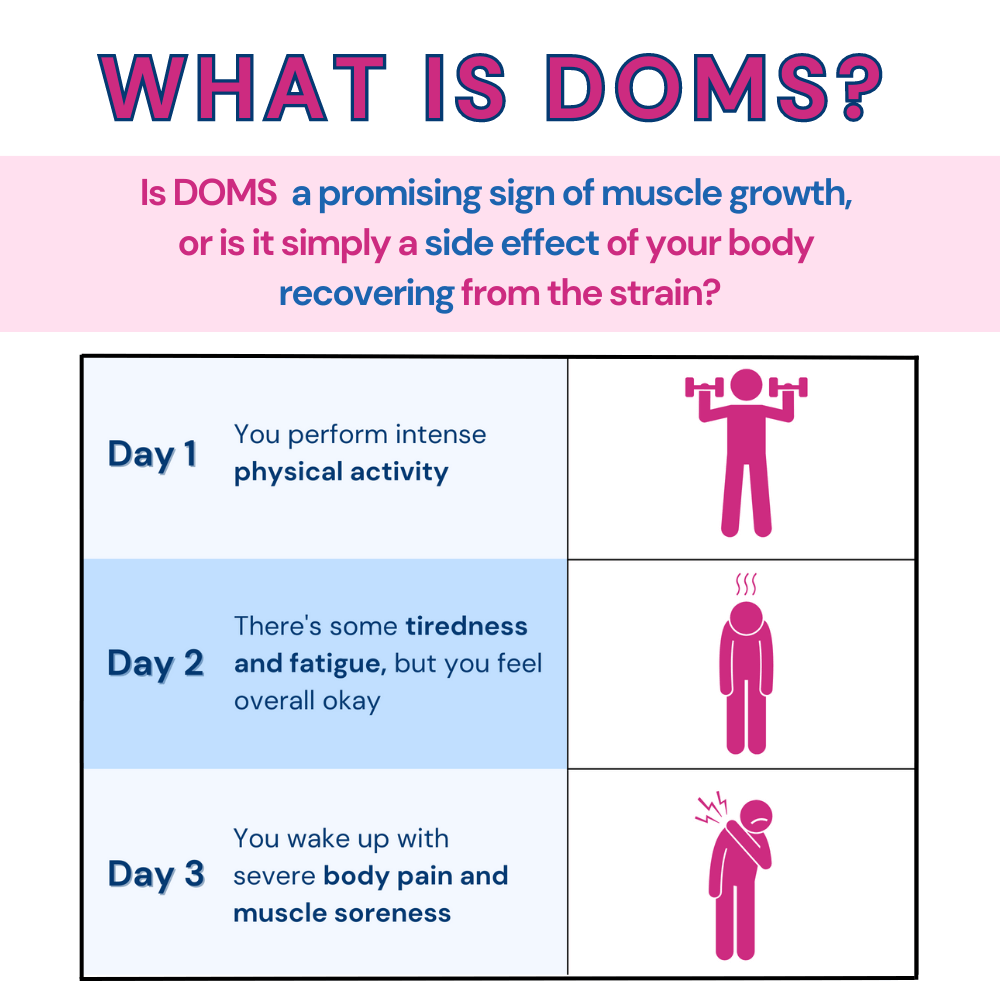
Muscle soreness, often referred to as DOMS (Delayed Onset Muscle Soreness), typically kicks in 12 to 24 hours after exercise. It peaks around 24 to 72 hours post-workout. This sensation is your muscles responding to new or intense physical activity. You might remember trying a new exercise routine and waking up the next day feeling like you’ve run a marathon. That’s your body adapting to stress. But remember, soreness isn’t the only indicator of a good workout.Why Do Muscles Get Sore?
When you work out, especially if you’re engaging muscles in new ways, tiny tears occur in the muscle fibers. This sounds scary, but it’s a natural part of muscle growth. The body repairs these tears, making your muscles stronger and more resilient. However, just because your muscles aren’t sore doesn’t mean they’re not growing. Your body can still be effectively building muscle without that next-day ache.Does Soreness Mean Muscle Growth?
It’s easy to equate soreness with progress, but they’re not synonymous. Growth happens during rest and recovery, not during the soreness phase. Consider a time when you didn’t feel sore after a workout but still noticed muscle growth or increased strength. This shows that consistency, not just soreness, is key to muscle building.Can You Build Muscle Without Soreness?
Absolutely, you can build muscle without feeling sore. The absence of soreness doesn’t mean your workout was ineffective. Focus on progressive overload—gradually increasing weights, reps, or intensity to challenge your muscles. Think of your long-term fitness goals. Relying solely on soreness as a measure of success might cause you to overtrain, risking injury. Instead, track your progress through strength gains, endurance, and physical measurements.Should You Seek Out Soreness?
Chasing soreness as a goal can be detrimental. It can lead to overtraining and burnout. Your body needs time to recover and adapt. Imagine the difference between feeling a mild tightness versus being unable to walk properly for days. The latter isn’t sustainable or healthy. Listen to your body and adjust your routine to strike a balance between challenge and recovery. By understanding muscle soreness, you can tailor your workouts to focus on effective muscle building without solely chasing the ache. What have you found works best in your fitness journey?
Credit: www.onepeloton.com
Causes Of Muscle Soreness
Muscle soreness often results from tiny tears in muscle fibers during exercise. Feeling sore isn’t necessary for muscle growth. Consistent workouts and proper nutrition are key to building strength without pain.
Muscle soreness often puzzles those on a fitness journey. Understanding its causes can clarify whether soreness is crucial for muscle growth. Though soreness might indicate an intense workout, it doesn’t always mean muscles are growing. Let’s explore the common causes of muscle soreness.Delayed Onset Muscle Soreness (doms)
DOMS usually appears 24 to 48 hours after exercise. It’s a sign that muscles are adapting to new stress. This soreness arises from unfamiliar movements. Intense workouts can also trigger DOMS. It usually fades as muscles strengthen over time. Feeling sore can mean muscles are recovering and growing.Lactic Acid Buildup
During exercise, muscles produce lactic acid. It happens when oxygen levels are low. This buildup can cause a burning sensation. It leads to temporary discomfort during workouts. After resting, lactic acid levels decrease. The sensation fades, allowing muscles to recover.Microtears In Muscle Fibers
Workouts often cause tiny tears in muscle fibers. These microtears are a natural part of muscle building. They signal the body to repair and strengthen muscles. Soreness may result from these microtears. As muscles heal, they become stronger and more resilient.Muscle Growth Mechanisms
Understanding muscle growth mechanisms helps in achieving fitness goals. The body has several processes that contribute to muscle development. These processes work together to ensure muscle growth and strength.
Hypertrophy And Repair
Muscle hypertrophy involves increasing the size of muscle fibers. This happens when muscles are challenged beyond their usual workload. Exercise creates tiny tears in muscle tissues. The body repairs these tears, making muscles stronger and larger. This cycle of damage and repair is vital for muscle growth.
Role Of Protein Synthesis
Protein synthesis plays a crucial role in building muscle. It involves creating new proteins to repair muscle fibers. Consuming protein-rich foods supports this process. Proper nutrition ensures that the body has the building blocks for muscle repair and growth. Without adequate protein, muscle growth may slow down.
Importance Of Progressive Overload
Progressive overload is essential for muscle growth. It involves gradually increasing the weight or resistance in exercises. This forces muscles to adapt and grow stronger. Ensuring continuous improvement in workouts is key. It prevents muscles from reaching a plateau. Challenging muscles consistently leads to better results.

Credit: www.linkedin.com
Soreness And Muscle Growth Correlation
Have you ever hit the gym hard, only to wake up the next day with sore muscles? Many believe that this soreness is a sign of effective muscle growth. But is that really the case? The correlation between soreness and muscle growth is often misunderstood. While soreness can indicate muscle activity, it’s not the sole marker of muscle development. Let’s dive into how soreness relates to muscle growth and what it means for your fitness journey.
Soreness As An Indicator
Soreness, often known as delayed onset muscle soreness (DOMS), typically occurs after a new or intense workout. This can signal that your muscles are reacting to new stresses. When you push your muscles beyond their comfort zone, microscopic tears occur. Your body responds by repairing these tears, potentially leading to muscle growth.
However, soreness isn’t a guaranteed sign of progress. It’s possible to have an effective workout without feeling sore. If you’re sore every time you exercise, it might mean you’re constantly challenging your muscles, but it also might mean you’re not giving them enough time to recover and grow. Finding a balance is crucial.
Lack Of Soreness And Progress
Feeling no soreness doesn’t mean you aren’t making progress. As your body adapts to regular exercise, your muscles become more efficient at handling stress. This adaptation can lead to less soreness over time, even if your muscles are still growing.
Consider your own experience: have you ever noticed that after months of consistent workouts, you don’t feel sore, yet you see improvements in strength or muscle tone? This shows that muscle growth can occur without constant soreness. Track your progress through other means like strength gains or body measurements.
Training Adaptations
Your body is an incredible machine that adapts to the demands you place on it. As you regularly train, your muscles learn to handle exercises more efficiently, leading to fewer instances of soreness. This adaptation doesn’t mean you’re not improving; it means you’re getting stronger and more capable.
Have you ever wondered why some elite athletes rarely talk about soreness? They’ve trained their bodies to adapt and recover quickly. You, too, can reach this level of efficiency with consistent and varied workouts. Listen to your body, adjust your routine, and focus on sustainable growth rather than chasing soreness.
What does soreness mean to you? Is it the validation you seek for a good workout, or do you measure success differently? The key is understanding that while soreness can be a sign of muscle activity, it’s not the sole indicator of progress. Aim for balance in your training plan to foster growth without overstraining your muscles.
Effective Muscle Building Strategies
Feeling sore isn’t necessary for muscle growth. Focus on progressive overload and proper nutrition to enhance muscle building. Consistent workouts and adequate rest play key roles in effective muscle development.
Building muscle effectively isn’t about chasing soreness. Instead, it revolves around smart strategies that prioritize overall health and growth. You might wonder if feeling sore is a sign of a successful workout, but there are more efficient ways to gauge progress and enhance muscle building. Let’s dive into the practical steps you can take to achieve your fitness goals without relying solely on post-workout aches.Balanced Workout Routine
A well-rounded workout routine is essential for muscle growth. Mix up your exercises to target different muscle groups throughout the week. Incorporate strength training, cardio, and flexibility exercises to ensure balanced development. Consider alternating between high-intensity sessions and lighter workouts. This approach prevents burnout and reduces the risk of injury. Consistency is key, so find a routine that you enjoy and can stick with long-term.Nutrition And Recovery
Your body needs proper fuel to build muscle. Focus on a diet rich in protein, healthy fats, and complex carbohydrates. Foods like chicken, fish, nuts, and whole grains should be staples in your meals. Recovery is just as crucial as the workout itself. Ensure you get enough sleep each night—aim for 7-9 hours. Good rest helps repair muscle tissues and boosts your energy for the next session.Listening To Your Body
Pay attention to how your body feels during and after workouts. Are you pushing too hard or not hard enough? Adjust your intensity based on your energy levels and recovery status. If you notice persistent pain rather than typical soreness, it might be a sign to ease up. Trust your instincts and give yourself permission to rest when needed. Remember, progress is a marathon, not a sprint. Ask yourself if you truly enjoy your workout routine. If not, it might be time to try something new. Keeping your fitness journey enjoyable is key to sustaining long-term progress. Have you found the right balance in your muscle-building strategy?
Credit: www.youtube.com
Common Myths About Soreness
Many believe soreness is the ultimate sign of muscle growth. This idea has led to several myths about soreness and its role in fitness. Understanding these myths can help tailor your exercise routine more effectively.
No Pain, No Gain
The phrase “No Pain, No Gain” is common in fitness circles. Many think pain is necessary for progress. This belief isn’t entirely true. Pain and soreness aren’t always indicators of effective workouts. It’s crucial to differentiate between productive workouts and potential harm.
Soreness Equals Success
Some equate soreness with workout success. They think the more sore they feel, the better the results. This isn’t always accurate. Soreness can result from various factors, not just muscle growth. Over time, as muscles adapt, soreness can decrease. Yet, strength and size may still increase.
Rest And Recovery Misconceptions
Many underestimate the importance of rest and recovery. They believe constant soreness means more workouts are needed. Rest is crucial for muscle repair and growth. Skipping rest can lead to fatigue and hinder progress. Listening to your body is key to effective training.
Frequently Asked Questions
Can You Still Build Muscle If You’re Not Sore?
Yes, you can build muscle without feeling sore. Muscle growth depends on consistent training and proper nutrition. Soreness isn’t a direct indicator of muscle gain. Focus on progressive overload and recovery to effectively build muscle. Listen to your body and adjust your workouts for optimal results.
How Do I Know If I Am Building Muscle?
Notice increased strength, muscle definition, or size. Track progress with measurements, photos, and consistent workout performance.
Do Muscles Grow On Rest Days?
Yes, muscles grow on rest days. Rest allows muscle fibers to repair and strengthen. Adequate sleep and nutrition are crucial. Rest days prevent overtraining and reduce injury risk. Balance workouts with rest for optimal muscle growth.
Does Being Sore Mean More Muscle Growth?
Muscle soreness doesn’t guarantee more muscle growth. It indicates muscle stress but not necessarily hypertrophy. Muscle growth depends on factors like nutrition, rest, and training consistency. Soreness can vary among individuals and workouts. Focus on progressive overload and balanced nutrition for optimal muscle development, rather than just soreness.
Conclusion
Muscle growth doesn’t depend on soreness alone. Soreness can mean muscle stress. But it’s not always needed for growth. Focus on consistent workouts. Pay attention to proper form. Good nutrition aids muscle building. Rest and recovery are crucial. Listen to your body.
It’s important for progress. Soreness can be a sign, but not the only one. Achieve muscle goals with balanced efforts. Prioritize variety in your routine. Aim for gradual improvements. Building muscle is a journey. Enjoy the process and keep going.