Are you hitting the gym hard but wondering if you’re doing everything right to build muscle? You’ve probably heard a lot about protein shakes and their magical reputation for muscle growth.
But do you really need them to see results? This question might have you feeling confused or even a bit anxious about whether you’re missing out on a crucial part of your fitness plan. Your time and effort are valuable, and you deserve clarity on what truly works.
We’ll dive into the reality of protein shakes and whether they are the key to unlocking your muscle-building potential. Let’s unravel the mystery together and find out what’s best for your body and goals. Stay with us, and you’ll gain the knowledge you need to make informed decisions about your fitness journey.

Credit: greensafaris.com
Role Of Protein In Muscle Building
Protein plays a crucial role in muscle building. It provides the essential building blocks for muscle repair and growth. Consuming adequate protein can enhance muscle synthesis after workouts. This helps in gaining strength and muscle mass over time. Understanding its role can guide your nutrition choices effectively.
Protein And Muscle Growth
Muscles need protein to grow and repair. Protein breaks down into amino acids. These amino acids are used to repair muscle fibers. After exercise, the body needs extra protein to aid recovery. Protein stimulates new muscle growth by providing nutrients. Without enough protein, muscle building slows down.
Daily Protein Requirements
Daily protein needs vary by individual. Factors include age, weight, and activity level. Adults need 46 to 56 grams of protein daily. Athletes may need more for muscle growth. High-protein foods include chicken, fish, and beans. Protein shakes can help meet daily goals. Balancing protein intake supports muscle health.
Sources Of Protein
Protein is essential for muscle growth and repair. There are different sources of protein available to choose from. Understanding these can help you make informed decisions about your diet.
Whole Foods Vs. Supplements
Whole foods provide a natural source of protein. Foods like chicken, fish, eggs, and beans are rich in protein. They also offer other nutrients like vitamins and minerals. Whole foods are often less processed, making them a healthier choice.
Protein supplements come in powder or bar form. They are convenient and easy to consume. Many athletes use them for quick recovery after workouts. Supplements can be helpful if you struggle to get enough protein from food.
Animal Vs. Plant-based Proteins
Animal proteins include meat, dairy, and eggs. They are complete proteins. This means they contain all essential amino acids. Animal proteins support muscle growth effectively.
Plant-based proteins come from sources like beans, lentils, and nuts. They are often incomplete proteins. You may need to combine different plants to get all amino acids. Plant-based diets are popular for health and environmental reasons.
Both sources can support muscle growth. Choosing between them depends on personal preference and dietary needs.
Benefits Of Protein Shakes
Protein shakes have become a popular choice for fitness enthusiasts looking to build muscle. While you might wonder if they’re necessary, there’s no denying the benefits they offer. Whether you’re a busy professional or someone who hits the gym daily, protein shakes can complement your muscle-building routine in significant ways.
Convenience And Accessibility
Protein shakes are incredibly convenient. Imagine rushing out the door in the morning; grabbing a protein shake can save you time. You don’t need to cook or prepare anything elaborate. Just a scoop of powder, a quick shake, and you’re good to go.
They’re also accessible. You can find them at your local grocery store, gym, or even online. Many brands offer single-serving packets that fit easily into your gym bag. This means you can always have a protein boost ready when you need it.
Quick Absorption Rates
Protein shakes have quick absorption rates, which is crucial after a workout. Your muscles are hungry for nutrients right after exercise, and a shake can deliver protein fast. This rapid absorption helps in repairing muscles and promoting growth.
Think of a time when you felt fatigued after a workout. A protein shake can rejuvenate you quickly, allowing you to recover faster. This means you can get back to your activities feeling more energetic and ready for your next session.
Do you find it hard to get enough protein through meals alone? Protein shakes can fill that gap efficiently. They provide a concentrated source of protein without the added calories that can come from whole foods. This can be particularly beneficial if you’re watching your calorie intake.
As you consider your muscle-building journey, ask yourself: Are you making the most of your post-workout window? Protein shakes might just be the convenient, quick solution you need to reach your goals. Are they essential? Maybe not for everyone, but they sure can make the process a lot easier. Are you ready to give them a try?
Limitations Of Protein Shakes
Protein shakes are often marketed as a quick fix for muscle building, but they come with their own set of limitations. While they can be convenient, relying solely on shakes might not be the best approach for everyone. Understanding these limitations can help you make informed choices about your fitness journey.
Potential Health Concerns
Protein shakes can sometimes lead to digestive issues. You might experience bloating or discomfort after consuming them, especially if you’re sensitive to certain ingredients like lactose or artificial sweeteners.
Moreover, excessive protein intake can put a strain on your kidneys. It’s important to balance protein shakes with whole foods to avoid health risks.
Have you ever felt a bit off after too many shakes? It’s a sign to listen to your body and adjust your intake accordingly.
Dependence On Supplements
Relying heavily on protein shakes can lead to a dependency that overshadows the importance of real food. Whole foods provide a range of nutrients that shakes can’t replicate.
Imagine waking up and realizing you’ve run out of your favorite protein powder. Panic hits because you’ve come to depend on it. That’s a clear signal to diversify your protein sources.
Ask yourself: are you missing out on the benefits of a varied diet? Consider incorporating more natural sources of protein to your meals.
Protein shakes can be a useful tool, but they’re not a magic bullet. Understanding their limitations can empower you to build muscle sustainably and healthily.
When To Use Protein Shakes
Protein shakes have become a popular topic for muscle building. Many fitness enthusiasts wonder about their necessity. Understanding when to use protein shakes can help optimize their benefits. They can be a valuable tool, especially in specific situations. Let’s explore when incorporating them makes sense.
Post-workout Recovery
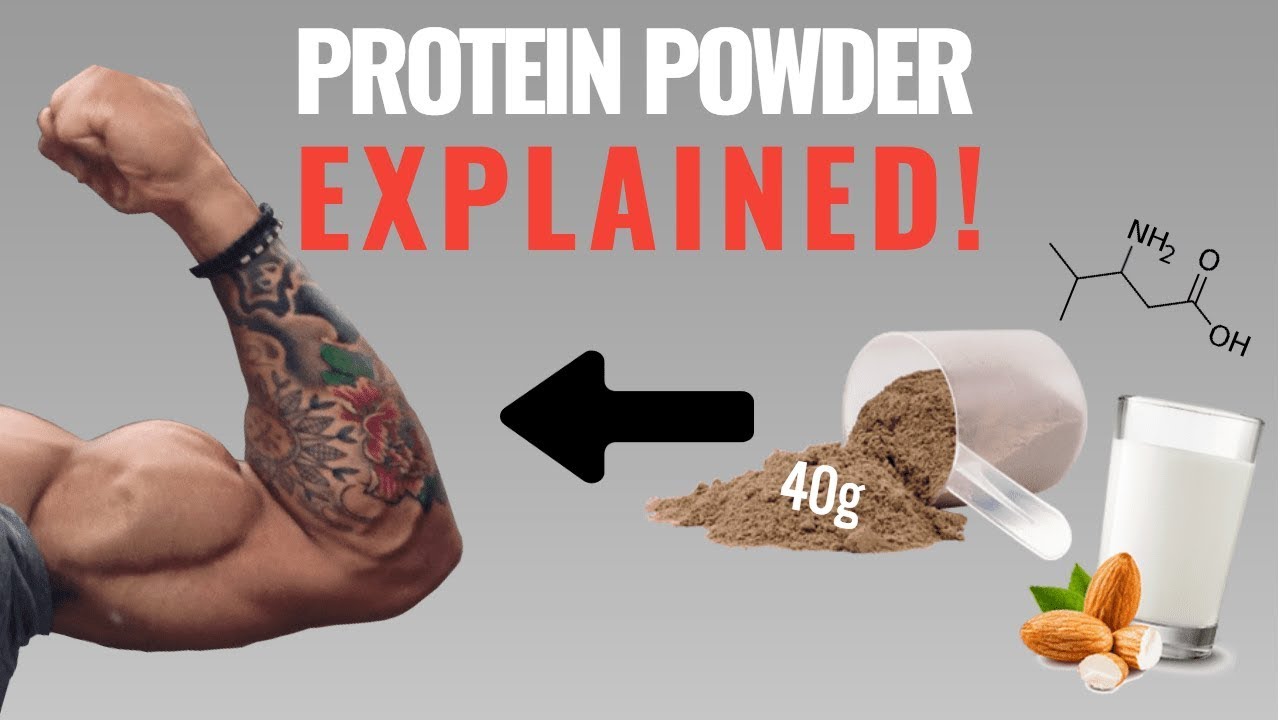
After a workout, muscles need repair. Protein shakes are convenient. They offer a quick dose of protein. This helps in muscle recovery. Consuming them shortly after exercise can be effective. The body absorbs liquid nutrients faster. This speeds up the recovery process. They are especially useful if you can’t eat a meal. A shake can bridge the gap. It delivers essential nutrients right when needed.
Dietary Gaps
Not everyone gets enough protein from food. Busy lifestyles can lead to missed meals. Protein shakes can fill this gap. They provide a concentrated protein source. Ideal for those with dietary restrictions. They ensure adequate protein intake. This supports muscle maintenance. Especially useful for vegetarians or vegans. They help meet daily protein needs easily. Simply mix and drink. No cooking required.
Credit: www.youtube.com
Alternatives To Protein Shakes
Protein shakes are popular among fitness enthusiasts. They offer a quick protein boost. But not everyone needs them. There are effective alternatives to protein shakes. These options can be just as beneficial. Let’s explore some of these alternatives.
High-protein Foods
Eggs are a great source of protein. They are versatile and easy to prepare. Chicken breast is another excellent option. It’s lean and packed with protein. Fish, like salmon, offers healthy fats and protein. Nuts and seeds are plant-based protein sources. They also provide essential nutrients. Greek yogurt is rich in protein and calcium. It’s perfect for a quick snack.
Balanced Diet Strategies
A balanced diet is key for muscle growth. Focus on whole foods. Include a variety of protein sources. Pair proteins with complex carbohydrates. This combination fuels your workouts. Vegetables and fruits are essential. They provide vitamins and minerals. Stay hydrated for optimal performance. Water supports muscle function.
Expert Opinions
Many experts suggest protein shakes are not essential for muscle building. A balanced diet often provides enough protein. Consider shakes only if you’re struggling to meet protein needs through food.
When it comes to building muscle, protein shakes often come up in conversations. But do you really need them? To get a clearer picture, let’s dive into the opinions of experts from different fields. These insights could help you make informed decisions about your muscle-building journey.Nutritionists’ Insights
Nutritionists are often the go-to experts when discussing diet and supplements. Many agree that protein is crucial for muscle repair and growth. However, they emphasize that you can get sufficient protein from your daily meals. Think about your current diet. Does it include protein-rich foods like chicken, fish, beans, and nuts? If yes, you might not need that extra protein shake. Some nutritionists suggest using protein shakes as a convenient option for people with busy lifestyles. If you’re always on the go, a shake might be easier than preparing a full meal. But remember, relying solely on shakes can lead to missing out on other essential nutrients found in whole foods.Athletes’ Experiences
Athletes often have firsthand experience with protein supplements. Many use protein shakes as part of their training routines. For some, it’s about convenience after intense workouts. Consider the story of Sarah, a marathon runner. She uses protein shakes to recover after long runs, especially when she’s short on time. However, she also ensures her diet includes diverse protein sources. Athletes also point out the importance of individual needs. What works for one person might not work for you. Listen to your body and adjust accordingly. Do you feel energized and strong, or do you experience fatigue and slow recovery? This self-check can guide your protein intake decisions. In the end, the question remains: Are protein shakes a necessity, or just a convenient option? The answer may lie in your personal goals and lifestyle.Debunking Myths
Protein shakes are popular, but not essential for muscle building. Whole foods can provide all needed nutrients for growth. Balancing diet and exercise plays a key role in muscle development.
Building muscle can feel like a daunting task, especially with the flood of information available about protein shakes. Many believe that these shakes are a magic potion for muscle gain. But is that really the case? It’s time to debunk some myths and shed light on what you truly need for muscle building success.Common Misconceptions
A lot of people think that without protein shakes, muscle growth is impossible. This belief often stems from gym culture where shakes are a staple. However, you don’t need to rely solely on shakes to meet your protein needs. Consider your daily diet. Whole foods like chicken, fish, eggs, and legumes can provide ample protein. Shakes are just one way to fill gaps, not the only way. Ever noticed how some athletes focus on balanced meals instead of just supplements? Protein shakes are also often seen as a quick fix. You may think that drinking a shake right after a workout is mandatory. In reality, timing isn’t as crucial as you might think. Your overall daily protein intake matters more than the precise moment you consume it.Scientific Evidence
Research shows that protein is essential for muscle repair and growth. However, the type of protein—whether from shakes or food—doesn’t make a significant difference. Studies have found that both sources can be equally effective if you meet your protein requirements. The Recommended Dietary Allowance (RDA) for protein is around 0.8 grams per kilogram of body weight. For those actively trying to build muscle, this might increase to 1.2-2.0 grams. Achieving this through a balanced diet is entirely possible, even without shakes. Moreover, relying too heavily on shakes can lead to missing out on other nutrients found in whole foods. A varied diet can offer vitamins, minerals, and fiber that are crucial for overall health. Wouldn’t you prefer a well-rounded diet over excessive dependence on supplements? So, while protein shakes can be a convenient option, they’re not a necessity. Focusing on a balanced diet and overall protein intake is more important. Are you ready to rethink your approach to muscle building?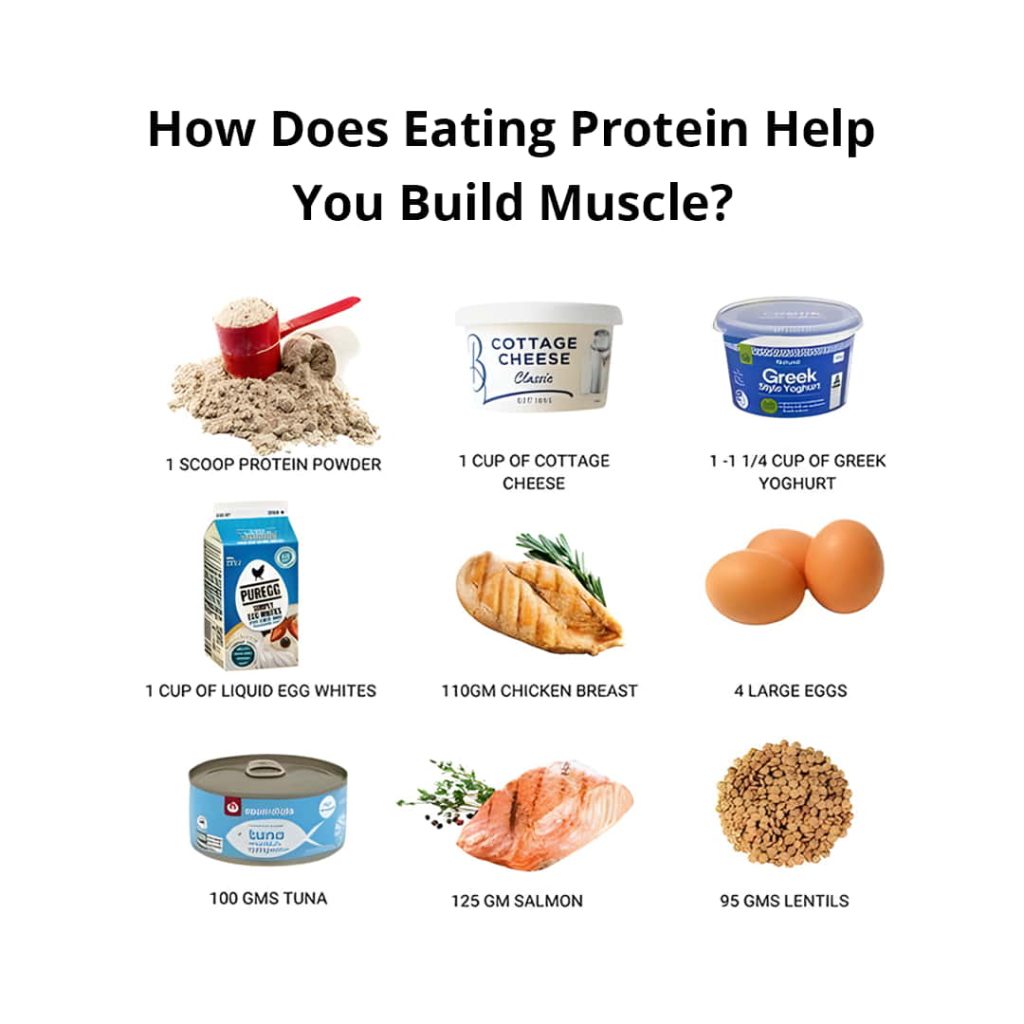
Credit: healthlinkpharmacyllc.com
Frequently Asked Questions
Can You Still Gain Muscle Without Protein Shakes?
Yes, you can gain muscle without protein shakes. Whole foods like chicken, fish, beans, and eggs provide protein. Balanced diets support muscle growth effectively. Focus on varied nutrition, strength training, and sufficient rest. Protein shakes are convenient but not essential for muscle building.
Is A Protein Shake Necessary For Muscle Building?
Protein shakes are not strictly necessary for muscle building. A balanced diet with adequate protein can suffice. They can be a convenient source of protein, especially post-workout. Always prioritize whole foods like lean meats, beans, and dairy. Consult a nutritionist to tailor dietary needs for optimal muscle growth.
Is A Protein Shake Necessary?
A protein shake isn’t always necessary. It helps meet protein needs, especially for athletes or busy individuals. Whole foods can often suffice for most people. Assess your lifestyle and dietary requirements to decide if you need it. Prioritize natural sources and consult a nutritionist if unsure.
Do I Really Need Protein To Build Muscle?
Yes, consuming protein is essential for muscle growth. It repairs and builds muscle tissues after workouts. Aim for a balanced diet with sufficient protein to support your fitness goals.
Conclusion
Protein shakes can help build muscle. They are convenient and quick. Whole foods also provide necessary nutrients. Balance is key in muscle growth. Combine shakes with a healthy diet. Exercise regularly for best results. It’s important to listen to your body.
Everyone’s needs are different. Consult a nutritionist for personalized advice. Muscle building isn’t just about shakes. It’s about lifestyle choices. Keep your goals realistic. Progress takes time and patience. Enjoy the journey. Make informed decisions. Choose what’s right for you.