Are you wondering if carbs are truly essential for building muscle? You’re not alone.
Many fitness enthusiasts and gym-goers find themselves puzzled over what role carbohydrates play in muscle growth. With so much conflicting advice out there, it’s easy to feel overwhelmed and unsure about what to believe. But don’t worry, you’re about to discover the truth.
Imagine achieving your dream physique faster and more efficiently. Understanding the relationship between carbs and muscle growth could be the key to unlocking your full potential. By the end of this article, you’ll have a clear answer to whether you need carbs to build muscle, helping you make informed choices that could transform your fitness journey. So, are you ready to fuel your muscles the right way? Keep reading to uncover the facts!
Role Of Carbs In Muscle Growth
Understanding the role of carbs in muscle growth is essential for fitness enthusiasts. Carbohydrates are often misunderstood and sometimes avoided. Yet, they hold a vital place in muscle development. Let’s delve into how carbs contribute to building muscle.
What Are Carbs?
Carbs are a type of macronutrient found in various foods. They provide energy for the body. This energy is crucial during workouts. Carbs can be simple or complex. Simple carbs digest quickly. Complex carbs take longer to break down.
Energy Source During Workouts
Carbs act as the primary fuel during exercise. They supply glucose, which muscles use for energy. Without sufficient carbs, fatigue sets in quickly. This can hinder workout performance. Consuming carbs before exercise boosts endurance.
Carbs play a role in protein synthesis. After a workout, muscles need repair. Carbs aid in replenishing glycogen stores. This process supports muscle recovery. Carbs also stimulate insulin release. Insulin enhances amino acid uptake into muscles.
Optimal Timing For Carb Intake
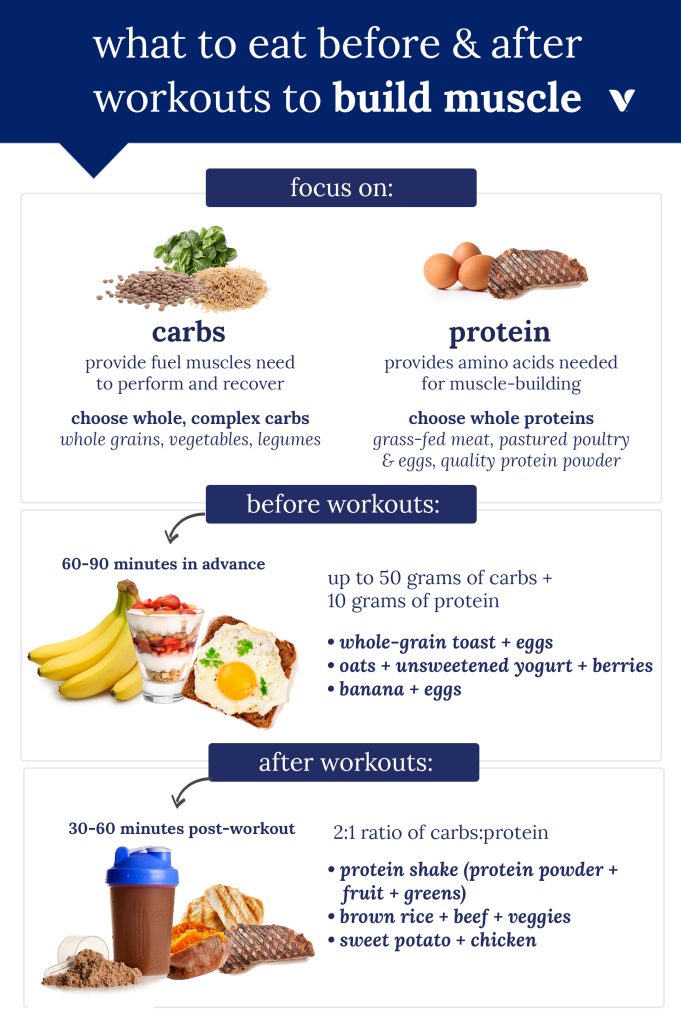
Timing of carb intake affects muscle growth. Consuming carbs before and after workouts is beneficial. Before exercise, they provide energy. Post-exercise, they aid in recovery. Proper timing maximizes muscle-building potential.
Carbs And Muscle Mass
Carbs contribute to muscle mass increase. They prevent protein breakdown during workouts. This protection helps in gaining muscle. Balanced carb intake supports overall muscle development. It’s key for achieving fitness goals.
Energy Source And Performance
Carbohydrates play a crucial role in muscle building. They are the body’s main energy source and significantly impact performance. Understanding how carbs affect energy and workout results is key.
Energy Source For Muscles
Carbs are the primary fuel for muscles during exercise. They provide quick energy, allowing you to perform at your best. When you eat carbs, they turn into glucose, which fuels your muscles.
Without enough carbs, your body struggles to maintain energy levels. This can lead to fatigue and reduced workout effectiveness.
Impact On Workout Performance
Carbs enhance endurance and strength during workouts. They help maintain high energy levels, improving performance. With adequate carbs, lifting weights or running feels less tiring.
Inadequate carb intake can make workouts feel harder. It may limit your ability to push through intense sessions.
Optimal Carb Timing
Timing your carb intake affects your workout results. Eating carbs before exercise boosts energy. It prepares your body for a productive session.
Post-workout carbs help recovery. They replenish glycogen stores, aiding muscle repair and growth.
Carbs And Protein Synthesis
When you’re on a mission to build muscle, you might wonder about the role of carbs in the process. While protein often takes the spotlight, carbs play a crucial part in protein synthesis. This is the method your body uses to repair and grow muscle fibers after a workout. Understanding how carbs influence this process can help you maximize your gains.
How Carbs Fuel Protein Synthesis
Carbs are not just energy boosters. They help transport amino acids, the building blocks of protein, into your muscles. This transportation is vital for protein synthesis. Without adequate carbs, your body might struggle to effectively utilize the protein you consume.
The Timing Of Carb Intake
Timing matters when it comes to carbs. Eating carbs before and after a workout can significantly impact protein synthesis. Pre-workout carbs provide energy, allowing you to train harder. Post-workout carbs replenish glycogen stores, enhancing muscle recovery and growth.
Balancing Carbs With Protein
Imagine you’re making a smoothie. You wouldn’t skip the fruit because it’s sweet. Similarly, don’t skip carbs because you’re focused on protein. A balanced intake can optimize muscle repair and growth. Aim for meals that include both protein and carbs for best results.
Personal Insight: Learning The Hard Way
Years ago, I cut carbs thinking it would accelerate my muscle growth. Instead, I felt sluggish and my progress stalled. Introducing carbs back into my routine was a game-changer. My energy returned, and I saw noticeable improvements in muscle size and strength.
Do Carbs Impact Everyone The Same Way?
Not all bodies react the same to carbs. Some people might need more, others less, depending on their metabolism and activity level. It’s crucial to listen to your body. Experiment with different carb sources and quantities to find what works best for you.
Now, think about your own routine. Are you giving carbs the attention they deserve in your muscle-building journey? If not, it might be time to rethink your strategy. After all, every piece of the puzzle matters.
Types Of Carbs For Muscle Gain
Carbohydrates play a crucial role in muscle building. They provide the energy needed for workouts. Choosing the right types of carbs can impact your muscle gain. Let’s explore the different types of carbs essential for muscle growth.
Simple Vs Complex Carbs
Simple carbs are quick sources of energy. They include sugars found in fruits and sweets. These carbs digest rapidly, offering immediate energy boosts. Complex carbs, on the other hand, are found in whole grains and vegetables. They digest slowly, providing sustained energy. For muscle gain, balance both types for optimal results.
Timing And Carb Intake
Timing your carb intake can enhance muscle growth. Consume simple carbs before workouts for quick energy. They fuel your muscles during intense exercises. Post-workout, focus on complex carbs. They aid in muscle recovery and growth. Plan your meals to include carbs at strategic times. This strategy maximizes muscle-building potential.
Carbs And Recovery
Carbohydrates play a crucial role in muscle recovery. After a workout, muscles need energy to repair and grow. Carbs provide this energy quickly. They replenish glycogen stores depleted during exercise. This is vital for muscle recovery and overall performance.
What Are Glycogen Stores?
Glycogen is stored energy in your muscles. During exercise, the body uses glycogen for fuel. Low glycogen levels can lead to fatigue. Carbs help restore these levels. This ensures muscles are ready for the next workout.
How Carbs Aid Muscle Repair
Carbs stimulate insulin release in the body. Insulin helps transport amino acids into muscles. These amino acids are building blocks for muscle repair. Without enough carbs, this process slows down. This can affect muscle growth.
The Ideal Time To Consume Carbs
Timing is key for carb intake. Consuming carbs post-workout is beneficial. This is when muscles are most receptive to glycogen replenishment. Aim to eat carbs within two hours after exercising.
Types Of Carbs For Recovery
Not all carbs are equal. Focus on complex carbs like whole grains and legumes. These provide sustained energy release. Simple carbs, like fruits, are also good post-workout. They offer quick energy replenishment.

Credit: www.youtube.com
Carb Cycling For Muscle Building
Carb cycling can be an effective strategy for muscle building. It involves alternating between high-carb and low-carb days. This method supports muscle growth while managing body fat. Many athletes and bodybuilders use this approach to maximize their gains. Let’s explore how carb cycling works for muscle building.
Understanding Carb Cycling
Carb cycling varies the amount of carbs consumed each day. High-carb days provide energy for intense workouts. Low-carb days help burn fat while maintaining muscle mass. This balance aims to optimize muscle growth and recovery.
Benefits Of Carb Cycling For Muscle Growth
High-carb days boost glycogen stores in muscles. This fuels intense workouts, enhancing performance. Low-carb days encourage fat burning, improving body composition. This cycle helps build lean muscle mass efficiently.
How To Implement Carb Cycling
Start by planning your weekly carb intake. Assign high-carb days on heavy training days. Choose low-carb days for rest or light activity days. Adjust your carb intake based on your fitness goals and progress.
Common Mistakes To Avoid
Overeating on high-carb days can lead to fat gain. Skipping carbs entirely on low-carb days can cause energy dips. Balance is crucial to avoid these pitfalls. Monitor your body’s response and adjust accordingly.
Example Carb Cycling Schedule
Consider having high-carb days on Monday, Wednesday, and Saturday. Use low-carb days on Tuesday, Thursday, and Sunday. Reserve Friday as a medium-carb day for moderate activity levels.
Balancing Carbs With Other Nutrients
Carbs play a vital role in muscle building by providing energy for workouts. Pairing carbs with proteins and healthy fats enhances muscle recovery and growth. A balanced diet ensures optimal energy levels and supports overall muscle development.
Balancing carbohydrates with other nutrients is crucial when building muscle. While carbs are essential for providing energy, they work best in harmony with proteins and fats. It’s like creating a well-rounded meal plan that supports muscle growth while keeping your energy levels steady.Understanding The Role Of Carbs
Carbs are your body’s primary energy source. When you consume them, they break down into glucose, fueling your workouts and daily activities. But it’s not just about eating carbs—it’s about eating the right amount. Too many, and they might be stored as fat; too few, and you may lack the energy to power through your workouts.Integrating Protein For Muscle Repair
Protein is the building block of muscle. After a tough workout, your muscles need protein to repair and grow stronger. Combine your carbs with protein to enhance muscle recovery. A simple post-workout snack like a banana with peanut butter can do wonders.The Importance Of Healthy Fats
Healthy fats are often overlooked but are essential for overall health. They help absorb vitamins and provide long-lasting energy. Adding sources like avocados or nuts can keep your meals balanced and satisfying, supporting muscle growth without the extra bulk.Creating A Balanced Meal Plan
Think of your meals as a symphony. Each nutrient plays a part, and together, they create a masterpiece. A balanced meal might include brown rice, grilled chicken, and a side of vegetables drizzled with olive oil. This combination gives you carbs for energy, protein for muscle repair, and fats for nutrient absorption.Adjusting Your Diet For Optimal Results
Your body is unique, and so are your dietary needs. Experiment with different ratios of carbs, proteins, and fats to see what works best for you. Keep track of your energy levels and muscle growth to tweak your diet accordingly.Listening To Your Body
Your body is your best guide. Pay attention to how different foods make you feel. If you’re sluggish after a meal, you might need more protein or fewer carbs. Be willing to adjust and listen to what your body needs. By carefully balancing carbs with proteins and fats, you can create a diet that not only fuels your workouts but also supports muscle growth and overall well-being. Are you ready to refine your nutrition strategy for better muscle-building results?
Credit: www.onepeloton.com
Common Myths About Carbs And Muscle Gain
Many believe carbs aren’t necessary for muscle gain. Carbs provide energy for workouts, supporting muscle growth. It’s a myth that cutting carbs boosts muscle; they fuel exercise and recovery.
Carbs often get a bad rap in the fitness world, especially when it comes to building muscle. Many people believe that carbs are the enemy, but this is far from the truth. Understanding the role of carbs in muscle gain can be the key to unlocking your true potential in the gym. Let’s debunk some common myths about carbs and muscle gain.Myth 1: Carbs Make You Fat
Many people are quick to blame carbs for weight gain. However, carbs themselves are not the sole culprit. Weight gain happens when you consume more calories than your body needs, regardless of the source. Carbs are vital for energy, especially when lifting weights. Consider the times you’ve felt sluggish during a workout. Could a lack of carbs be the reason?Myth 2: Protein Is The Only Macronutrient For Muscle
Protein is essential, but carbs play a crucial supporting role. Carbs replenish glycogen stores, providing the energy needed for intense workouts. Imagine trying to build a house with just bricks and no mortar. Your muscles need both protein and carbs to grow effectively. Next time you plan your meal, balance your plate with both nutrients.Myth 3: Low-carb Diets Enhance Muscle Definition
While low-carb diets might show quick results, they can lead to muscle loss over time. Carbs help maintain muscle mass by fueling your workouts and preventing the body from using protein as an energy source. Have you ever wondered why bodybuilders consume carbs before competitions? It’s because carbs help showcase muscle definition.Myth 4: Carbs Cause Water Retention
It’s true that carbs can lead to temporary water retention. However, this is not always a bad thing. Water retention from carbs often results in fuller muscles, giving you a more defined look. Think of the time you felt your muscles were more pumped after a carb-heavy meal. That fuller feeling is due to the energy carbs provide. Carbs are not the enemy when it comes to muscle building. They are a valuable source of energy that can enhance your workouts and muscle growth. Next time you’re planning your diet, ask yourself: Are you giving your muscles the fuel they truly need?
Credit: www.onepeloton.com
Frequently Asked Questions
Do I Need Carbs For Muscle Growth?
Carbs are essential for muscle growth. They provide energy for workouts and help replenish glycogen stores. Consuming adequate carbohydrates supports recovery and enhances protein synthesis, leading to effective muscle development. Include complex carbs like whole grains, fruits, and vegetables for optimal results in your muscle-building diet.
Do Carbs Help In Muscle Growth?
Carbs play a crucial role in muscle growth. They provide energy for workouts and help replenish glycogen stores. This supports recovery and muscle building. Consuming adequate carbs ensures optimal performance and effective muscle growth. They also help maintain protein balance, crucial for muscle repair.
How Many Carbs Are Needed For Muscle Gain?
The amount of carbs needed depends on individual goals and activity levels. Generally, consuming 3-7 grams per kilogram of body weight is recommended. Athletes and active individuals may need more carbs for optimal performance. It’s important to balance carb intake with protein and fat for overall health.
Are Low-carb Diets Bad For Muscle Building?
Low-carb diets can hinder muscle building efforts. Insufficient carbs may lead to depleted glycogen stores, affecting energy levels and recovery. Protein breakdown may increase, reducing muscle growth. While some may build muscle on low-carb diets, performance and growth may be compromised without adequate carb intake.
Conclusion
Carbs play a key role in muscle building. They provide energy and support recovery. Muscles need fuel to grow and carbs offer that fuel. Balance is crucial. Not too much, not too little. Pair carbs with proteins for best results.
This combination aids muscle repair. Remember, every body is unique. Listen to your body’s needs. Adjust carb intake based on activity level. Experiment to find what works best. Building muscle is a journey. Carbs can be your ally in this process.
Stay consistent, and results will follow.