Are you hitting the gym regularly but not seeing the muscle gains you expected? You might be overlooking a crucial ingredient in your fitness recipe: carbohydrates.
Yes, the same carbs often shunned by diet trends could be your secret weapon for muscle growth. Before you toss out that bowl of pasta, let’s dive into whether carbs are truly necessary for building muscle. Understanding this could be the key to unlocking your full potential.
Ready to discover how the right nutrition can transform your workouts and boost your results? Stick around, because what you learn today could change your entire approach to fitness.
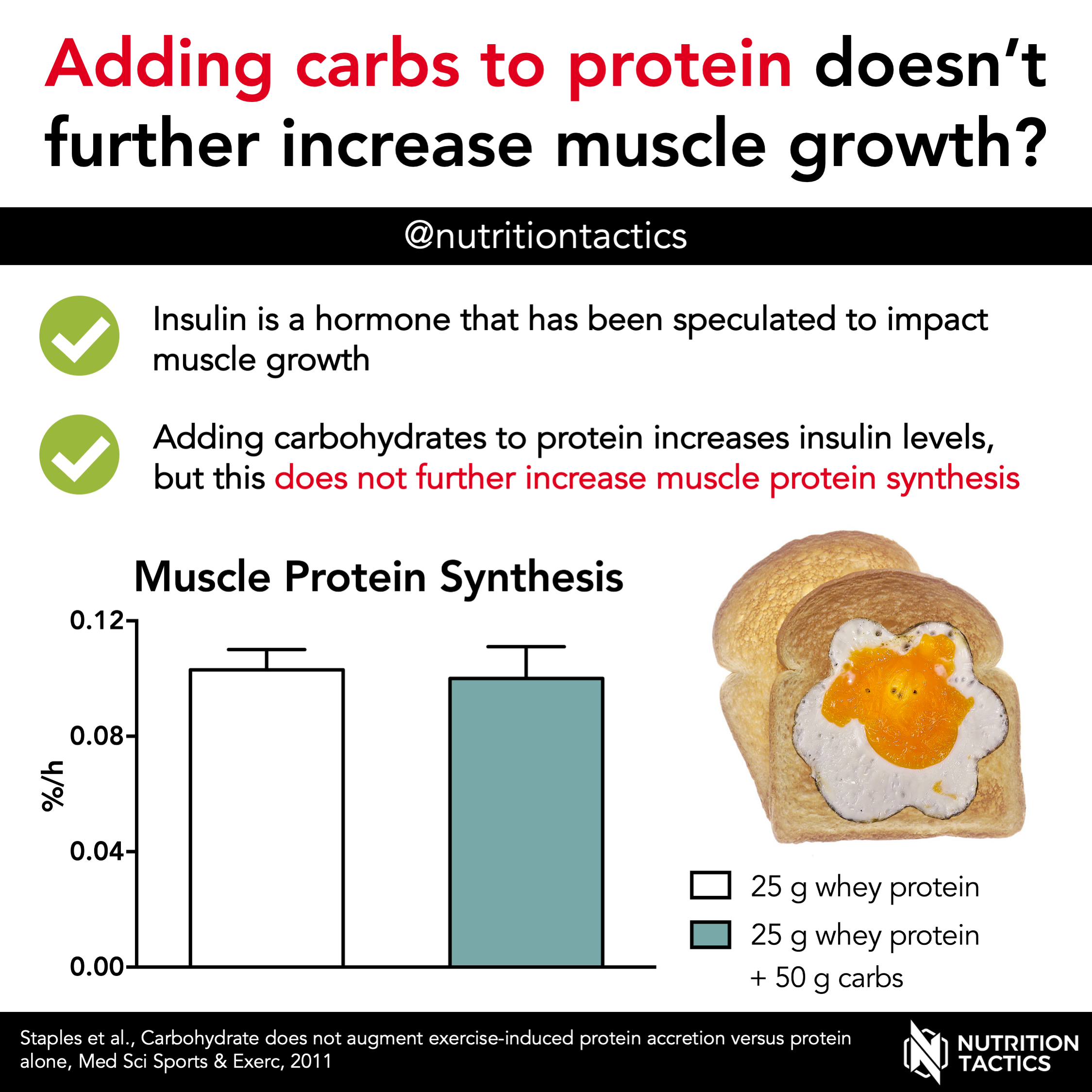
Credit: www.nutritiontactics.com
Role Of Carbohydrates In Muscle Building
Carbohydrates often get a bad rap, but when it comes to building muscle, they play a crucial role. They’re not just about energy; they support muscle growth and repair. Understanding their role can change the way you approach your fitness journey.
Role Of Carbohydrates In Energy Supply
Carbohydrates are your body’s primary fuel source during workouts. They provide the energy needed to lift weights and push through intense sessions. Without adequate carbs, you might find your stamina waning quickly.
Imagine hitting the gym with low energy. It’s tough to maintain intensity and focus. Carbs prevent this by ensuring your muscles have the glycogen they need to perform optimally.
Carbohydrates And Protein Synthesis
Carbs aren’t just about energy; they also aid in protein synthesis. After a workout, your muscles need protein to repair and grow. Carbs help transport protein to muscle cells.
Think of carbs as a delivery truck, bringing essential nutrients where they’re needed most. Without them, your protein might not reach its destination efficiently.
Timing Your Carbohydrate Intake
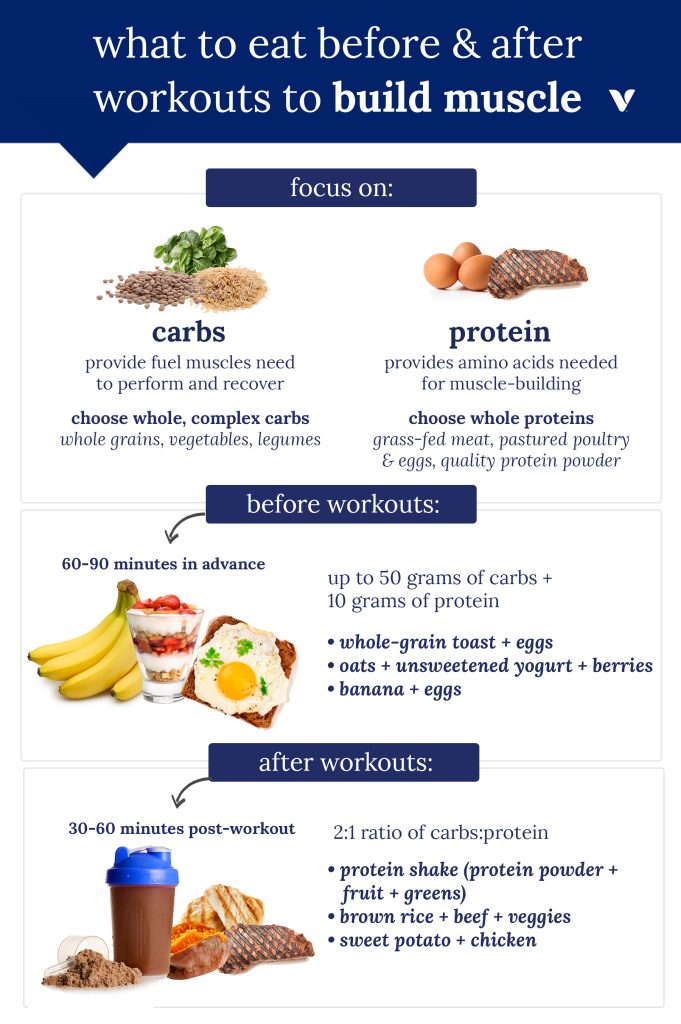
Timing matters when you’re consuming carbs for muscle growth. Eating carbs before a workout fuels your session. Consuming them post-workout helps recovery.
Have you ever tried eating a banana before hitting the weights? The quick energy boost can enhance your performance and endurance, making each rep count.
Balancing Carbohydrates With Other Nutrients
While carbs are important, balance is key. Pair carbs with proteins and fats to create a well-rounded diet. This combination supports overall health and muscle growth.
Consider a meal like grilled chicken with quinoa and vegetables. It’s not just tasty; it’s packed with nutrients that work together to fuel your body efficiently.
Are Carbohydrates Essential For Muscle Building?
Do you need carbs to build muscle? The answer isn’t black and white. While some people thrive on lower carb diets, many find carbs essential for energy and growth.
Think about your own body and workouts. Are you struggling with energy levels? If so, upping your carb intake might be the missing piece in your muscle-building puzzle.
Remember, everyone’s body responds differently to nutrients. Experiment with your carb intake, observe your energy levels, and adjust accordingly. Your muscles might thank you for it!
Carbohydrates And Energy Supply
Carbohydrates play a vital role in muscle building. They fuel your body, providing essential energy during workouts. Understanding their role in energy supply can enhance your fitness journey. Let’s explore how carbohydrates meet immediate energy needs and aid in glycogen storage.
Immediate Energy Needs
Your body needs instant energy for exercise. Carbohydrates are the quickest source. During high-intensity workouts, muscles need rapid fuel. Carbohydrates break down into glucose, feeding your muscles. This quick energy boost helps you lift weights and perform intense exercises.
Without carbohydrates, your body struggles. Fat and protein take longer to convert into energy. This delay affects performance. Consuming carbs before a workout prepares muscles for the task ahead. It ensures you have the energy to push through challenging routines.
Glycogen Storage
After consuming carbohydrates, your body stores some as glycogen. Glycogen is the stored form of glucose in muscles and liver. It acts as a reserve, ready for future use. During exercise, glycogen is broken down to fuel muscle contractions.
Muscles rely on glycogen for endurance activities. When glycogen stores deplete, fatigue sets in. This impacts your ability to sustain prolonged exercise. Eating carbohydrates post-workout replenishes glycogen levels. This ensures you’re ready for the next session.
Maintaining adequate glycogen levels is crucial. It supports muscle recovery and growth. Carbohydrates are not just energy providers. They are essential for storing energy and sustaining muscle activity.
Impact On Protein Synthesis
Carbohydrates often get a bad rap, especially with the rise of low-carb diets. But when it comes to building muscle, they play a crucial role, particularly in protein synthesis. You might wonder, how exactly do carbs influence this process? It turns out, they work hand-in-hand with protein to maximize muscle growth. Understanding the impact of carbohydrates on protein synthesis can help you make informed choices about your diet and training regimen. Let’s dive deeper into how carbs affect muscle growth through insulin and amino acid uptake.
Insulin And Muscle Growth
Insulin isn’t just about managing blood sugar levels; it has a profound impact on muscle growth. When you consume carbohydrates, they trigger insulin release. This hormone then acts as a catalyst for muscle building.
Think of insulin as a delivery truck. It transports nutrients, including amino acids, directly to your muscle cells. Without enough carbs, your insulin levels may not be optimal, potentially slowing down muscle growth.
Have you ever felt sluggish during a workout after a low-carb meal? This could be due to insufficient insulin activity affecting muscle energy. Eating carbs before training ensures your muscles are primed for growth.
Amino Acid Uptake
Carbohydrates also enhance amino acid uptake. Amino acids are the building blocks of protein, essential for muscle repair and growth. When insulin levels rise, they increase the uptake of these crucial nutrients into your muscles.
Imagine your muscle cells as a sponge, ready to soak up amino acids. Carbs help keep this sponge absorbent by boosting insulin levels. This means more amino acids are available to repair and build muscle tissue after workouts.
Consider the last time you had a balanced meal with carbs and protein. Did you notice better recovery and growth? This isn’t coincidental; it’s the carbs working their magic on amino acid uptake.
So, do you need carbohydrates to build muscle? The evidence suggests they play a key role. Have you been balancing your carb intake for optimal muscle growth? It’s worth a try!
Types Of Carbohydrates For Athletes
Athletes need carbohydrates to build muscle effectively. Simple carbs provide quick energy, while complex carbs supply longer-lasting fuel. Both types support muscle recovery and growth.
Fueling your muscles isn’t just about protein; carbohydrates play a significant role too. As an athlete, choosing the right types of carbs can optimize your performance and muscle growth. Let’s explore the types of carbohydrates that can power your workouts and aid your recovery.Simple Vs. Complex Carbs
Simple carbs are quick energy sources. They are found in foods like fruits and candies. Think of them as your fast-acting fuel during a workout when you need an immediate energy boost. Complex carbs take longer to digest. They are present in whole grains, vegetables, and legumes. These provide sustained energy, making them ideal for long training sessions. Understanding when to use each type can make a difference in your performance. Are you reaching for a quick energy boost or planning a meal hours before exercise?Timing And Sources
Timing is crucial when it comes to carb intake. Eating simple carbs 30 minutes before a workout can give you a quick energy lift. Post-workout is when your body craves complex carbs. They help replenish glycogen stores and support recovery. Consider oatmeal with fruit before a morning run or a banana smoothie after a weightlifting session. Have you noticed how your energy levels vary based on your carb choices? By choosing the right carbohydrates, you not only fuel your muscles but also enhance your overall athletic performance. What changes will you make to your carb strategy today?Balancing Carbs With Other Nutrients
Carbohydrates play a vital role in muscle building by providing energy for workouts. They help replenish glycogen stores after exercise, supporting recovery and growth. Pairing carbs with proteins and fats enhances nutrient absorption, aiding muscle repair and synthesis.
Balancing carbohydrates with other nutrients is crucial for building muscle. It’s not just about piling on the carbs; it’s about finding the right mix. When you strike the right balance, your body can perform at its best, making your workouts more effective. Have you ever wondered why some people see faster results in the gym? It’s often because they know how to blend their carbs with protein and fat. This balance not only fuels your workouts but aids in recovery too.Protein And Fat Integration
Protein is the building block of muscle. Combine it with carbs for better muscle repair and growth. Think of chicken with brown rice, or a protein shake with a banana. But don’t forget about fats. Healthy fats from avocados or nuts offer sustained energy. They help you feel full longer, preventing unnecessary snacking. Balancing these nutrients can be a game changer. Are you including a mix in your meals?Macronutrient Ratios
Knowing your macronutrient ratios can be your secret weapon. Your body thrives on a balanced intake. Aim for a ratio like 40% carbs, 30% protein, and 30% fat. This may vary based on your fitness goals. Some may need more carbs; others might benefit from higher protein. Listen to your body and adjust as needed. Experiment and see what feels best for you. Have you found your perfect balance yet?
Credit: www.youtube.com
Carbohydrate Needs For Different Goals
Building muscle demands carbohydrates for energy and recovery. Carbs fuel workouts and help repair muscle tissue. Balancing your intake supports muscle growth effectively.
Carbohydrates are often seen as the body’s primary energy source. But do their benefits extend to muscle building? The answer is yes, but with a twist. Different fitness goals require different carbohydrate strategies. Understanding these needs can make a significant difference in your results.Bulking Vs. Cutting
When you’re bulking, you’re aiming to gain muscle mass. Here, carbohydrates play a crucial role. They provide the energy needed for intense workouts and aid in muscle recovery. A higher carbohydrate intake can support this energy demand. Think about adding whole grains, fruits, and starchy vegetables to your meals. On the other hand, cutting requires a different approach. The goal is to lose fat while preserving muscle. This means reducing calorie intake, including carbohydrates. Yet, you shouldn’t eliminate them completely. Balance is key; opt for complex carbs like quinoa or sweet potatoes, which release energy slowly.Endurance Vs. Strength Training
Endurance training, such as long-distance running or cycling, demands sustained energy. Here, carbohydrates are indispensable. They help maintain stamina and prevent fatigue. Consider consuming carbs before your workout for optimal energy levels. Strength training, like weightlifting, has a different requirement. While it’s not as carbohydrate-heavy as endurance training, carbs still matter. They help replenish glycogen stores after lifting sessions. Ever felt too tired to finish a set? A proper carb intake might be the missing piece. Do you find yourself struggling with energy dips during your workouts? It might be time to reassess your carbohydrate consumption. Tailoring your intake to your specific training goals can boost your performance and results.Common Myths And Misconceptions
Many believe carbohydrates are essential for muscle growth, but this is a myth. Protein plays a crucial role in muscle building. Carbs provide energy, but muscles can grow without high carb intake.
When it comes to building muscle, carbohydrates often become a topic of heated debate. Many myths and misconceptions surround the role of carbs in muscle growth, leading to confusion and uncertainty. It’s time to clear up the fog and get to the truth. Do carbs really make you gain weight? Will a low-carb diet result in muscle loss? Let’s dive into these common myths and misconceptions to understand how carbs truly impact muscle building.Carbs And Weight Gain
Many people believe that eating carbs automatically leads to weight gain. This is not entirely true. Weight gain occurs when you consume more calories than your body needs, regardless of whether those calories come from carbs, proteins, or fats. Carbs are a vital energy source, especially when you’re lifting weights. They fuel your workouts, enabling you to push harder and longer. Consider the story of an athlete who cut carbs drastically, only to find themselves exhausted and unable to perform at their best. They reintroduced a balanced amount of carbs and saw their energy and muscle growth improve significantly. Are you missing out on these benefits by avoiding carbs?Low-carb Diets And Muscle Loss
Another common misconception is that low-carb diets lead to muscle loss. The fear is that without carbs, the body will break down muscle tissue for energy. While it’s true that carbs are a primary energy source, your body can adapt by using fats and proteins. However, a low-carb diet might not provide the quick energy needed for high-intensity workouts. This can make it challenging to maintain muscle mass. If you’re on a low-carb diet, focus on including enough protein to support muscle repair and growth. Have you considered adjusting your carb intake to align with your fitness goals? The truth is, carbs can play a significant role in your muscle-building journey. By understanding and debunking these myths, you can make informed decisions that support your fitness objectives. What changes will you make in your diet to enhance your muscle growth?Practical Tips For Carbohydrate Intake
Muscles benefit from carbohydrates, providing energy for workouts and aiding recovery. Balancing carbs with proteins supports muscle growth. Choose whole grains, fruits, and vegetables for healthy carbs.
Carbohydrates play a crucial role in muscle building, providing the energy needed for workouts and recovery. But how do you manage your carb intake effectively? Let’s dive into some practical tips that can guide you through meal planning and optimizing your pre and post-workout nutrition. These insights aim to help you leverage carbohydrates to maximize your muscle growth without overcomplicating your routine.Meal Planning
Effective meal planning can be your secret weapon in managing your carbohydrate intake. Start by setting clear goals for the week. How much energy do you need for your workouts? Consider creating a balanced meal plan that includes a variety of carb sources such as whole grains, fruits, and vegetables. This diversity ensures you’re not only meeting your energy needs but also getting essential nutrients. Mix and match different foods to keep your meals exciting. A personal favorite is oatmeal topped with berries and nuts for breakfast. It’s filling and packed with carbs and fiber.Pre And Post-workout Nutrition
Your pre-workout meal is crucial for fueling your exercise. Aim to consume a carb-rich snack about 30 minutes before your workout. This could be a banana or a slice of toast with honey. Post-workout, your body craves carbs to replenish glycogen stores and aid recovery. Think about having a meal with carbs and protein within 30 minutes after exercising. An example could be a smoothie with yogurt, fruits, and a scoop of protein powder. How does your body feel when you experiment with different carb sources? Track your energy levels and muscle recovery to find what works best for you. Engage with these tips and see how your body responds. Are you noticing improved performance or faster recovery times? These insights can help you refine your approach to muscle building and carbohydrate intake.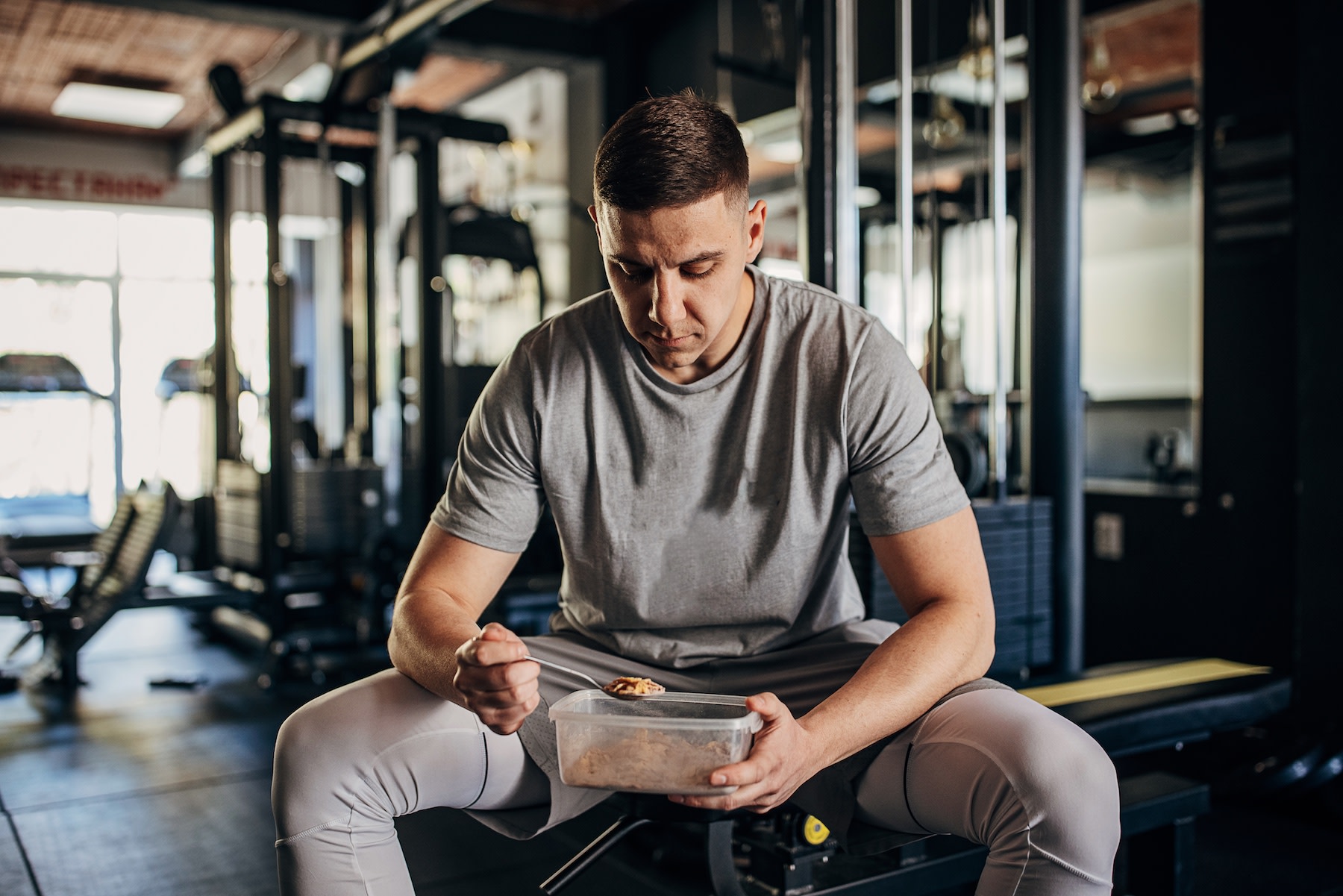
Credit: www.onepeloton.com
Frequently Asked Questions
Can I Gain Muscle Without Carbs?
Yes, you can gain muscle without carbs. Focus on protein-rich foods and healthy fats. Strength training is essential. Make sure to meet your calorie needs. Monitor your progress and adjust your diet as needed.
What Happens To Your Muscles When You Don’t Eat Carbs?
Muscles may break down for energy when carbs are absent. Reduced glycogen can cause fatigue and decreased performance. Protein consumption becomes crucial to preserve muscle mass.
Are Carbs Essential For Muscle Growth?
Carbohydrates are not strictly essential, but they are beneficial. They provide energy for workouts and aid in recovery. Consuming carbs can enhance performance and support muscle growth. While protein is crucial, carbs play a supportive role in muscle-building efforts.
How Do Carbs Affect Muscle Recovery?
Carbs replenish glycogen stores, aiding in muscle recovery post-exercise. They help reduce muscle breakdown and improve repair. Including carbohydrates in your diet can optimize recovery and prepare muscles for the next workout session.
Conclusion
Muscles need energy. Carbohydrates provide that energy. They fuel workouts. Help recovery. Support muscle growth. Protein is crucial, but carbs play a vital role too. Balance is key. Include whole grains, fruits, and vegetables. These offer quality carbs. Avoid excess sugar.
Focus on nutrient-rich choices. Listen to your body. Adjust intake based on activity level. Proper nutrition enhances results. It’s not just about lifting weights. It’s about fueling your body. Remember, building muscle requires dedication. Both in the gym and in the kitchen.
Combine carbs with protein for the best results. Your muscles will thank you.