Are you eager to build muscle but worried about gaining unwanted weight in the process? You’re not alone.
Many people grapple with the idea of having to bulk up to see those muscle gains. But what if there was another way? What if you could achieve your dream physique without packing on those extra pounds? Understanding the balance between muscle growth and weight gain is crucial.
And trust me, it’s not as complicated as it might seem. We’ll unravel the myths and share insights that could transform your fitness journey. Stick around, and discover how you can sculpt your muscles while keeping your weight in check.
Credit: www.thegymstarter.com
Muscle Growth Basics
Understanding muscle growth is key to achieving fitness goals. Building muscle is not just about lifting weights. It involves a complex process inside your body.
How Muscles Grow
Muscles grow through a process called hypertrophy. This happens when muscle fibers increase in size. Exercise causes tiny tears in muscle fibers. The body repairs these tears, making muscles stronger and larger. Consistent resistance training boosts this process.
Role Of Protein Synthesis
Protein synthesis plays a vital role in muscle growth. It is the process where cells build new proteins. After exercise, protein synthesis helps repair damaged muscle fibers. Consuming enough protein enhances this process. It provides the building blocks for new muscle tissue.
Caloric Surplus And Muscle Gain
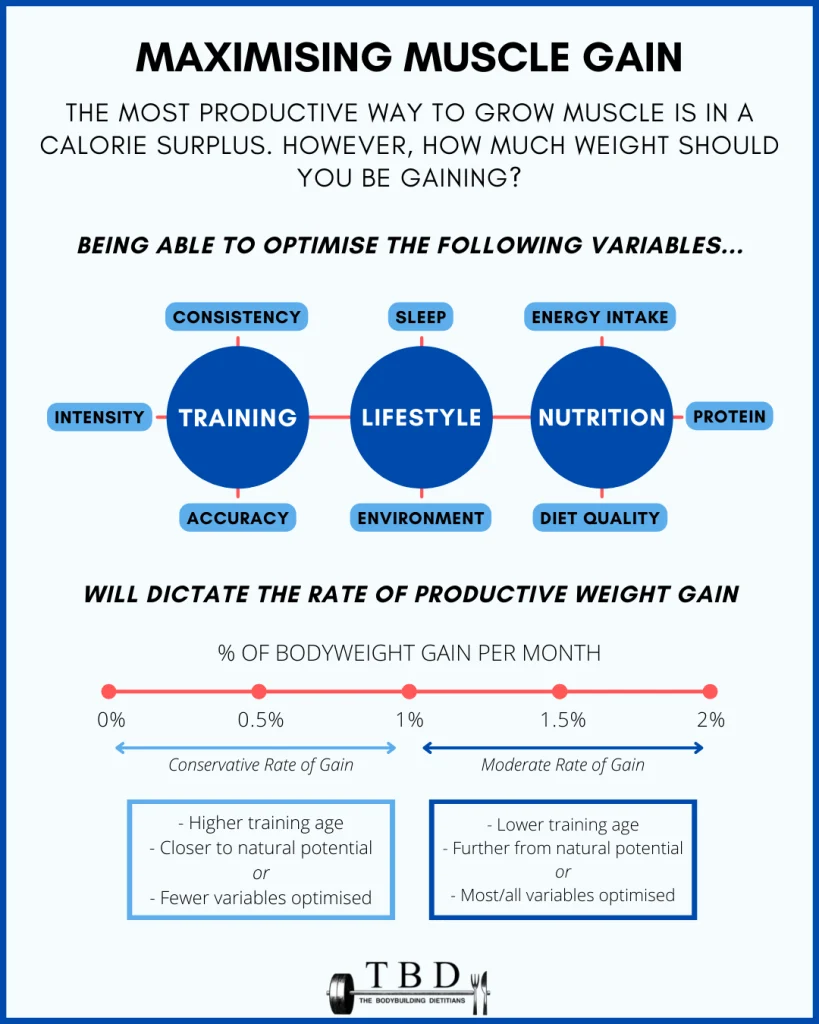
Building muscle involves more than just lifting weights. Consuming a caloric surplus plays a crucial role in muscle gain. It means eating more calories than your body burns. This helps your body have extra energy. Extra energy fuels muscle growth and repair.
Understanding Caloric Surplus
A caloric surplus means consuming more calories than your body needs for daily activities. Think of it as feeding your muscles. This extra energy supports muscle growth. It provides the building blocks for new muscle tissue. Without enough calories, your body might struggle to grow muscles. So, a surplus is essential for optimal muscle gain.
Impact On Muscle Mass
Eating in a caloric surplus affects muscle mass directly. More calories mean more energy for muscle repair and growth. Your body uses this energy to build new muscle fibers. This process increases your muscle size and strength. But, balance is key. Too many calories can lead to fat gain. Focus on quality calories from proteins and healthy fats. They support lean muscle growth without excess fat.
Myths About Weight Gain
Many believe gaining weight is essential for building muscle. This idea has been around for years. But is it true? The truth is more complex. Weight gain is not always necessary for muscle growth. Let’s explore some common myths about weight gain.
Common Misconceptions
Some think you must eat a lot to build muscle. This belief is widespread. It leads to overeating. Gaining muscle does not require overeating. Eating right and training properly is key. Others believe muscle turns into fat if they stop exercising. This is not true. Muscle and fat are different tissues.
Debunking Weight Gain Myths
Muscle growth depends on resistance training and protein intake. Not just eating more. You can gain muscle without gaining fat. Focus on balanced nutrition. Another myth is that heavier people are stronger. Strength does not always relate to weight. With the right training, anyone can gain strength.

Credit: gymstogo.com
Factors Influencing Muscle Building
Building muscle involves more than just lifting weights. Several factors play a role in muscle growth. Understanding these factors can help you build muscle effectively and safely.
Genetics And Body Type
Your genes influence how easily you gain muscle. Some people have a natural advantage. Body types are also important. Ectomorphs are often lean and struggle to gain weight. Endomorphs tend to gain weight easily, including muscle. Mesomorphs usually find muscle building less challenging. Recognizing your body type can guide your approach.
Training And Nutrition
Proper training is crucial. Focus on progressive overload to challenge muscles. Consistent training leads to growth. Nutrition supports muscle building. Proteins help repair and grow muscles. Carbohydrates provide energy for workouts. Fats aid hormone balance, important for muscle growth. Balanced meals contribute to effective muscle building. Hydration affects performance and recovery. Drink enough water daily.
Lean Muscle Vs. Bulk Muscle
Building lean muscle focuses on strength without gaining much weight, while bulk muscle involves size increase. Muscle growth doesn’t always mean gaining weight; it depends on diet and exercise. Balancing protein intake and targeted workouts can enhance muscle without significant weight gain.
Building muscle is a goal for many fitness enthusiasts, but the approach can vary significantly based on whether you’re aiming for lean muscle or bulk muscle. Understanding the difference is crucial for achieving your fitness goals. Lean muscle focuses on building muscle with minimal fat gain, while bulk muscle involves gaining size, which may include some fat along with muscle. Choosing between these two depends on your personal preferences, body type, and fitness aspirations.Differences Explained
Lean muscle and bulk muscle differ in their approach and results. Lean muscle is about building strength and definition without adding much body fat. This often involves a balance of strength training and cardiovascular exercises. You might also focus on a diet that provides enough protein without excessive calories. Bulk muscle, on the other hand, is about increasing muscle size, often through higher calorie intake and intense strength training. This can lead to significant muscle mass, but it may also come with some fat gain. Think about what works best for you and your lifestyle. Do you prefer a more defined look, or are you aiming for size and power?Benefits Of Lean Muscle
Building lean muscle offers several advantages. It enhances your metabolism, helping you burn more calories even at rest. This can aid in weight management, making it easier to maintain a healthy body composition. Lean muscle also improves strength and endurance, supporting better performance in various physical activities. Whether it’s lifting weights, running, or playing sports, you’ll find yourself more capable and energetic. Moreover, lean muscle is often associated with a toned appearance, which can boost your confidence. You might notice your clothes fitting better and your overall posture improving. Are you ready to enjoy these benefits and look your best? Remember, the choice between lean and bulk muscle should align with your goals and lifestyle. What do you envision for your fitness journey?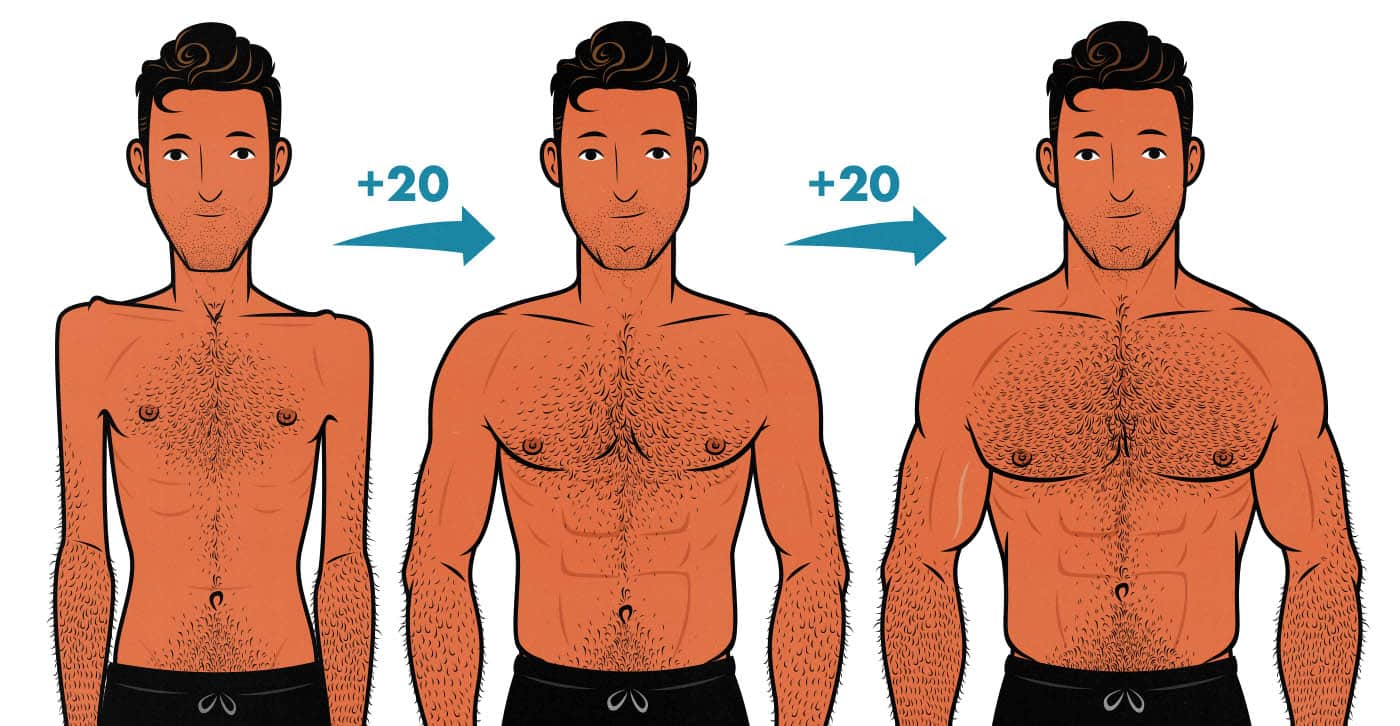
Credit: bonytobeastly.com
Effective Strategies For Muscle Growth
Building muscle without gaining excess weight is possible with the right strategies. Muscle growth requires a balance between strength training and diet. Effective strategies ensure optimal results without unnecessary weight gain. By focusing on specific techniques, you can achieve muscle growth efficiently.
Strength Training Techniques
Strength training is vital for muscle growth. Focus on compound exercises. These work multiple muscle groups at once. Squats, deadlifts, and bench presses are effective examples. Ensure proper form to prevent injury. Gradually increase weights to challenge your muscles. Consistency is key. Train regularly, but allow time for recovery. Muscles grow during rest, not just during workouts.
Optimizing Diet For Muscle Gain
A balanced diet supports muscle growth. Consume enough protein. It helps repair and build muscle tissue. Include lean meats, fish, eggs, and plant-based sources. Carbohydrates provide energy. Whole grains, fruits, and vegetables are good choices. Healthy fats are essential too. Avocados, nuts, and seeds are beneficial. Stay hydrated. Water aids in nutrient absorption and muscle function. Monitor your calorie intake. Ensure you consume more calories than you burn for muscle gain.
Role Of Supplements
Supplements can help in muscle building. They are not magic solutions. But they support your diet and exercise. Many people use them to fill nutritional gaps.
Supplements can boost muscle growth. They provide nutrients you may miss in meals. But remember, they are not a substitute for a balanced diet.
Popular Muscle Building Supplements
Protein powders are a favorite. They help repair muscle after workouts. Whey protein is very popular. It’s easy to digest and effective.
Creatine is another well-known supplement. It gives energy for short bursts of activity. This helps in lifting more weights.
Branched-chain amino acids (BCAAs) also aid muscle growth. They reduce muscle soreness and improve recovery.
When To Use Supplements
Use supplements to support your fitness goals. If your diet lacks protein, consider adding whey. When you need more energy during workouts, try creatine.
Supplements can also help during intense training. If you feel tired or sore, BCAAs might help. But always prioritize natural food sources first.
Consult a nutritionist before starting any supplement. They can guide you on what suits your body best.
Monitoring Progress
Monitoring progress is essential when you’re on a muscle-building journey. How do you know if your efforts are paying off? Many people assume they must gain weight to build muscle, but that’s not always the case. Focusing on muscle growth rather than just the scale can lead to more effective results. Let’s dive into how you can track your muscle growth and adjust your plan for optimal progress.
Tracking Muscle Growth
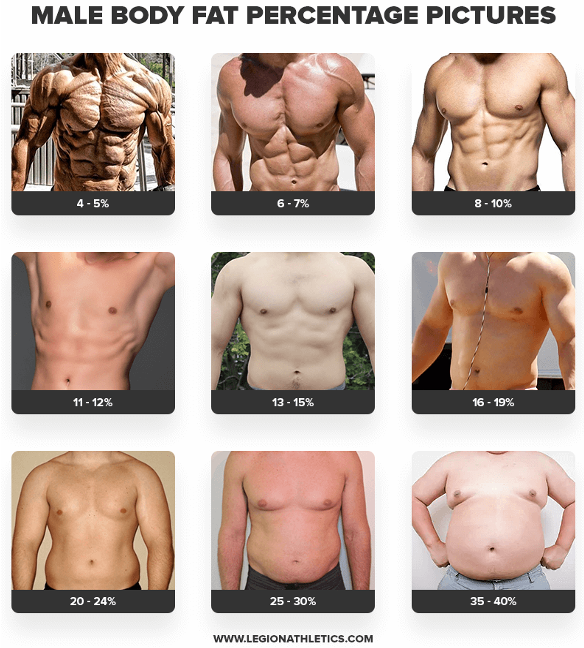
Have you ever felt unsure whether your workouts were actually building muscle? Tracking your muscle growth can clear the fog. Use measurements like arm, chest, and leg circumference to see changes over time. Muscle growth might not always reflect on the scale but could show in your clothes fitting better or feeling stronger. Consider keeping a journal to log your workouts, reps, and sets. This helps in identifying patterns and progress.
Progress photos are another great tool. Take pictures from different angles every few weeks. Sometimes, visual evidence is more motivating than numbers. Do you notice more definition or size? Celebrate those victories.
Adjusting Your Plan
Feeling stagnant in your muscle-building journey? It might be time to adjust your plan. Are you lifting the same weights every week? Gradually increase them to challenge your muscles. Not seeing results? Mix up your routine with new exercises or different rep ranges.
Think about your nutrition. Are you eating enough protein for muscle repair? Sometimes, small tweaks in your diet can make a big difference. Reflect on your recovery methods. Are you giving your body enough rest? Overtraining can hinder progress.
Listening to your body is crucial. Are you feeling fatigued or energized? Use this feedback to tweak your plan for better results. Remember, building muscle is a personal journey, and there’s no one-size-fits-all approach. What’s working for you? Adapt and thrive.
Frequently Asked Questions
Can You Build Muscle Without Increasing Weight?
Yes, you can build muscle without increasing weight. Focus on resistance training, proper nutrition, and high-intensity workouts. Muscle gain can occur through improved muscle density and strength, without significant weight gain. Prioritize protein intake and ensure adequate rest for recovery and growth.
Do You Need To Increase Weight For Muscle Growth?
Increasing weight can help muscle growth by providing more resistance during workouts. Focus on progressive overload and a balanced diet rich in protein. Weight gain isn’t always necessary; muscle can grow with consistent training, proper nutrition, and recovery. Tailor your approach to your individual fitness goals and body type.
Can You Gain Muscle Even If You’re Skinny?
Yes, skinny individuals can gain muscle. Focus on strength training, consume a protein-rich diet, and ensure adequate rest. Consistency and dedication are key to building muscle mass effectively. Consider working with a trainer for personalized guidance.
Can You Build Muscle With Low Weight?
Yes, you can build muscle with low weight by increasing repetitions and focusing on proper form. Consistency and progressive overload are key. Incorporating varied exercises and maintaining a balanced diet also contribute to muscle growth. Low weights help reduce injury risk while still promoting muscle development.
Conclusion
Building muscle doesn’t always mean gaining weight. Focus on balanced nutrition. Prioritize protein-rich foods and strength training. Listen to your body’s needs. Adjust calories based on your goals. Consistency is key for muscle growth. Monitor progress and make necessary changes.
Don’t rush the process. Patience is essential for sustainable results. Small changes lead to significant progress over time. Remember, everyone’s body responds differently. What works for one might not work for another. Stay committed to your fitness journey. Enjoy the process and celebrate small victories.
Your body will thank you.