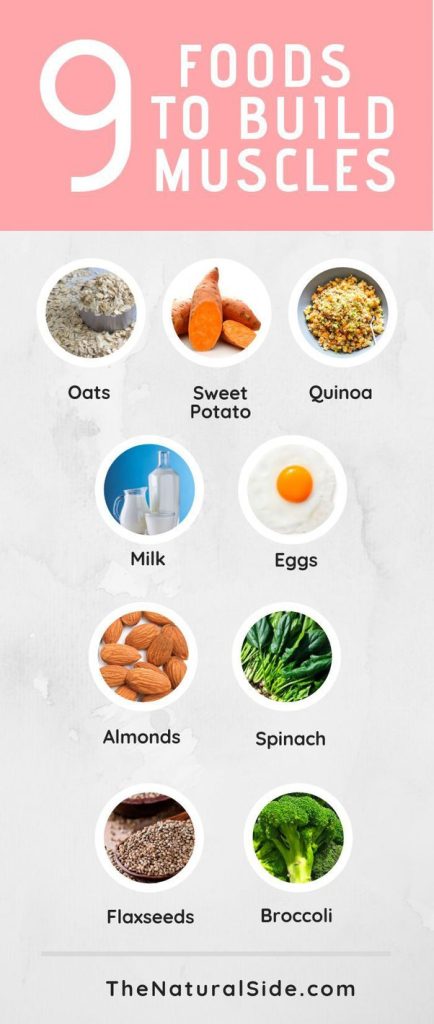
Are you hitting the gym regularly but not seeing the muscle gains you expected? Do you find yourself wondering if you’re eating enough to fuel your muscle-building goals?
You’re not alone. Many people struggle to understand the delicate balance between diet and exercise when it comes to building muscle. The truth is, the relationship between how much you eat and how much muscle you build isn’t as straightforward as you might think.
But don’t worry—unlocking the secrets to effective muscle growth might be simpler than you imagine. You’ll discover the answers to the common question: “Do you have to eat a lot to build muscle? ” We’ll delve into the science behind muscle growth, debunk common myths, and guide you on the path to achieving the physique you desire. Keep reading, and transform your approach to muscle-building today!
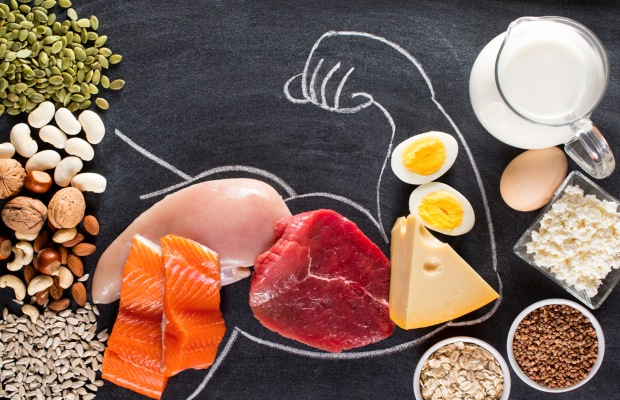
Credit: www.bhf.org.uk
Muscle Growth Fundamentals
Building muscle doesn’t always require eating vast amounts. Focus on a balanced diet with enough protein, carbohydrates, and healthy fats. Nutrient-rich foods and regular meals can support muscle growth effectively.
Building muscle might seem daunting, especially with all the advice circulating online. But let’s break it down to the basics: Muscle Growth Fundamentals. How much you eat plays a role, but it’s not the only factor. Let’s dive into what truly matters when you’re aiming to get stronger and more muscular.Understanding The Role Of Nutrition
You might wonder if you need to eat a mountain of food to build muscle. The short answer is no, but you do need to eat smart. Your body requires enough calories to fuel workouts and repair muscles. However, it’s about quality, not quantity. Focus on nutrient-dense foods. Think lean proteins like chicken and fish, whole grains, and plenty of fruits and vegetables. Consistent, balanced meals support muscle recovery and growth.Importance Of Protein
Protein is your muscle’s best friend. It repairs muscle fibers torn during workouts, leading to growth. Aim for a steady intake throughout the day. It could be as simple as adding a scoop of protein to your morning smoothie or including a chicken breast in your lunch. But how much do you need? A general guideline is about 1.6 to 2.2 grams of protein per kilogram of body weight. Adjust based on your activity level and goals.Strength Training Techniques
Eating well is only part of the equation. Effective strength training is crucial. Are you lifting weights that challenge you? Ensure you’re using proper form to prevent injury and maximize gains. Incorporate compound exercises like squats and deadlifts. They work multiple muscle groups and are efficient for building strength and size. Remember to increase weights gradually as you progress.Rest And Recovery
You might be tempted to hit the gym every day, but rest is vital. Muscles grow when you’re resting, not lifting. Ensure you’re getting at least 7-9 hours of sleep each night. Listen to your body. If you’re sore, give yourself time to recover. Overtraining can lead to injury and setbacks.Tracking Your Progress
Set clear, realistic goals. Track your workouts and meals. Adjust your strategy based on your results. Are you feeling stronger? Do your clothes fit differently? Consider using apps to log your food intake and workouts. They provide valuable insights into your habits and help you stay accountable.Final Thoughts
Building muscle is a journey, not a sprint. Are you ready to commit to the process? Focus on consistent, healthy habits. Your body will thank you, and you’ll see the results over time. Remember, it’s about building a lifestyle that supports your goals. How will you start today?Caloric Surplus And Muscle Building
Building muscle often requires a caloric surplus. This means consuming more calories than your body burns daily. More calories provide energy for workouts and muscle growth. While you don’t need to eat excessively, a balanced approach is key.
Understanding Caloric Surplus
A caloric surplus is essential for muscle growth. It ensures your body has enough energy to build and repair muscles. Consuming more calories than you burn helps fuel muscle gain. Choose nutrient-rich foods to maximize muscle-building potential.
Finding The Right Balance
Eating too much can lead to unwanted fat gain. Focus on a moderate surplus. Aim for 250-500 extra calories daily. Monitor your weight and adjust intake as needed. Keep track of your progress for optimal results.
Quality Over Quantity
Focus on quality foods for muscle growth. Lean proteins, complex carbs, and healthy fats are ideal. Avoid junk food and empty calories. Nutritious foods support muscle and overall health.
Listening To Your Body
Your body knows when it’s had enough. Tune into hunger and fullness cues. Don’t eat more than necessary. Adjust meals based on activity level and goals. Personalize your approach for success.
Role Of Protein In Muscle Development
Protein plays a critical role in muscle development. It is the building block for muscle tissue. Without adequate protein, muscles cannot repair and grow efficiently. Understanding protein’s importance can help you optimize muscle building efforts.
Importance Of Protein For Muscle Repair
Muscle fibers break down during exercise. Consuming protein aids in repairing these fibers. This repair process leads to muscle growth. Protein intake should be consistent and sufficient to support this process.
Protein Sources For Muscle Growth
Various foods provide high-quality protein. Lean meats, dairy products, and eggs are excellent sources. Plant-based options include beans, lentils, and tofu. Diverse protein sources ensure a complete amino acid profile.
Protein Timing And Muscle Synthesis
Consuming protein after workouts boosts muscle synthesis. Timing protein intake is crucial. Eating protein within two hours post-exercise maximizes muscle repair. This strategy enhances muscle building outcomes.
Daily Protein Needs For Muscle Development
Protein requirements vary based on activity levels. Active individuals need more protein than sedentary ones. Aim for 1.6 to 2.2 grams per kilogram of body weight. Meeting daily protein needs supports muscle growth effectively.

Credit: www.youtube.com
Nutrient Timing And Muscle Gain
Eating large amounts isn’t necessary for muscle gain. Nutrient timing plays a crucial role in muscle development. Consuming protein and carbohydrates at strategic times supports muscle growth efficiently.
Building muscle is not just about eating a lot; it’s about eating smart. Nutrient timing, the strategic consumption of nutrients around your workouts, plays a crucial role in muscle gain. Understanding when to eat and what to eat can make a significant difference in your muscle-building journey.Understanding Nutrient Timing
Nutrient timing is about consuming the right nutrients at the right times to maximize muscle recovery and growth. Eating a balanced meal with protein and carbohydrates before and after your workout can enhance your performance and recovery. Imagine the difference in energy levels when you fuel your body properly before a workout; it’s like switching from a bicycle to a sports car.Pre-workout Fueling
Before you hit the gym, it’s essential to have a meal that energizes you. Consuming a small meal with carbohydrates and protein an hour before your workout can provide the energy you need. Try a banana with a scoop of peanut butter, or a small chicken sandwich.Post-workout Recovery
After exercising, your muscles need nutrients to repair and grow. Eating a meal rich in protein and carbs within 30 minutes to an hour post-workout can help. Think of a protein shake with a handful of berries or grilled chicken with sweet potatoes.Consistency Is Key
Regularly timing your meals around your workouts can optimize muscle growth. It’s not just about eating more but about eating strategically. Have you ever noticed how athletes stick to a meal schedule? It’s all about consistency in fueling the body.Listening To Your Body
Everyone’s body responds differently to nutrient timing. Pay attention to how your body feels after meals and workouts. Do you feel more energized, or are you still sluggish? Adjust your timing and meal composition based on your body’s feedback. Engage with your body’s signals and see how nutrient timing affects your progress. Are you noticing more muscle gain or quicker recovery? Share your experiences in the comments below. Your insights could help others on their muscle-building journey.Quality Vs. Quantity In Muscle Nutrition
Building muscle doesn’t always mean eating more. Focus on quality nutrients for effective results. Choose proteins, healthy fats, and carbs wisely to support muscle growth.
Building muscle is a common goal for many, but the question often arises: do you have to eat a lot to build muscle? The answer isn’t just about consuming heaps of food. It’s about understanding the balance between quality and quantity in muscle nutrition. Eating the right foods in appropriate amounts can make all the difference in achieving your muscle-building goals effectively.Quality Over Quantity: Making Smart Food Choices
Eating a large amount of food isn’t the ticket to muscle growth. It’s about choosing the right foods that pack a nutritional punch. Instead of piling your plate with just any food, focus on lean proteins like chicken, fish, and plant-based options like beans and lentils. These are rich in essential amino acids necessary for muscle repair and growth.The Role Of Macronutrients: Balance Is Key
Do you know that macronutrients include proteins, carbohydrates, and fats? Each plays a unique role in muscle nutrition. Proteins are crucial for building muscle fibers. Carbohydrates provide energy for your workouts, while healthy fats support hormone production, including testosterone, which is vital for muscle growth. Balancing these macronutrients is essential for effective muscle-building nutrition.Personal Experience: Eating With Purpose
When I first started my fitness journey, I thought eating more meant more muscle. I learned the hard way that quality trumps quantity. I started focusing on nutrient-dense foods and saw better results. Have you considered the quality of your meals lately?Planning Your Meals: Simple Steps For Success
Meal planning can help ensure you’re getting the right nutrients. Consider creating a simple weekly meal plan that includes lean proteins, whole grains, and a variety of colorful vegetables. A meal plan keeps you on track and prevents the temptation to reach for less nutritious options.Listening To Your Body: Hunger Signals Matter
Your body knows what it needs. It’s crucial to listen to hunger signals and eat accordingly. Overeating can lead to weight gain rather than muscle gain. Are you paying attention to when your body genuinely feels hungry, or are you eating out of habit?Conclusion: Focus On What Fuels Your Body
Building muscle isn’t about consuming endless calories. It’s about making informed choices that fuel your body effectively. Emphasize the quality of your food and listen to your body’s needs. Your muscle-building journey can be more successful with the right approach to nutrition.
Credit: www.youtube.com
Common Myths About Eating And Muscle Growth
Eating large amounts isn’t necessary for muscle growth. Quality matters more than quantity. Focus on balanced meals with protein, carbs, and fats for effective muscle building.
Building muscle is often surrounded by a cloud of myths, especially when it comes to eating. Many believe that muscle growth requires consuming massive amounts of food. This misconception can lead to overeating and unhealthy habits. Let’s debunk some common myths about eating and muscle growth to set you on the right track.Myth 1: You Must Eat Tons Of Protein
It’s true that protein is essential for muscle repair and growth. However, it doesn’t mean you need to consume it in excessive amounts. The average person can build muscle effectively with a balanced intake. Consider your weight and activity level to determine the right amount. Have you ever found yourself stuffing protein shakes only to feel bloated? Moderation is key.Myth 2: Carbs Are The Enemy
Carbohydrates often get a bad rap, but they are crucial for energy. Cutting them out entirely can leave you feeling sluggish during workouts. Instead of avoiding carbs, focus on choosing healthier options like whole grains. Have you noticed how your energy levels dip when you skip carbs? Your body needs that fuel for effective training.Myth 3: More Calories Equal More Muscle
Many believe that eating more calories automatically leads to muscle gain. In reality, excess calories can turn into fat if not paired with proper exercise. A strategic increase in calorie intake, alongside a solid workout plan, is more effective. Have you ever tried a bulk diet, only to find your clothes fitting tighter in the wrong places? Balance is essential for quality gains.Myth 4: Supplements Are Necessary
Supplements can be helpful, but they aren’t a necessity for everyone. Many people achieve their muscle-building goals through regular foods. Whole foods offer a variety of nutrients that supplements can’t fully replicate. Have you been relying on pills and powders? Consider focusing more on your diet for sustainable progress.Myth 5: Eating Late At Night Causes Fat Gain
The timing of your meals is less important than the total calories consumed throughout the day. Eating late won’t automatically lead to fat gain if you’re within your daily calorie needs. It’s all about the balance of intake and expenditure. Have you skipped a late-night snack out of fear? Listen to your body’s hunger cues instead. Understanding these myths can greatly impact your muscle-building journey. Reflect on your eating habits and see if any of these misconceptions have influenced you. Making informed choices can lead to healthier and more effective muscle growth.Individual Variability In Dietary Needs
Muscle building doesn’t always require large food intake. Individual dietary needs can vary based on genetics and activity levels. Understanding your body’s unique requirements helps tailor a diet for effective muscle growth.
Building muscle is more than just lifting weights and eating more food. Each person has unique dietary needs that can affect their muscle-building journey. Understanding these differences is crucial for effective muscle growth without unnecessary weight gain. So, how do you determine what works best for you?Understanding Your Body’s Requirements
Everyone processes food differently. Your metabolism and genetic makeup play a significant role in how your body responds to food intake. Some people can eat more and quickly convert it into muscle, while others might find themselves gaining unwanted fat. Knowing your body’s specific needs can help you tailor your diet for optimal results.Factors Influencing Dietary Needs
Several factors impact how much you should eat to build muscle. Age, sex, activity level, and fitness goals all contribute. For instance, a 25-year-old male athlete will have different caloric needs compared to a 50-year-old woman who exercises occasionally. Consider keeping a food journal to track what you’re eating and how your body responds.The Role Of Macronutrients
Proteins, carbohydrates, and fats each play a role in muscle development. Protein is vital for muscle repair and growth, while carbohydrates provide energy for workouts. Fats support hormone production and overall health. Balancing these macronutrients according to your body’s needs can make a big difference in your muscle-building journey.Listening To Your Body
Pay attention to how you feel after meals. Are you energized and ready to tackle your workout, or do you feel sluggish and tired? Your body’s responses can offer valuable clues about whether you’re eating the right amount. Adjust your diet based on these cues to enhance your muscle-building efforts.Personal Experience: Trial And Error
I remember when I first started weight training. I thought eating more would automatically translate to bigger muscles. Instead, I gained weight and felt bloated. Through trial and error, I learned to listen to my body and adjust my diet accordingly. It taught me the importance of understanding individual variability in dietary needs.Practical Tips For Finding Your Balance
– Start Small: Gradually increase your calorie intake and monitor your body’s response. – Consult a Professional: A nutritionist can offer personalized advice based on your unique needs. – Stay Hydrated: Water plays a crucial role in muscle function and overall health. – Monitor Progress: Regularly assess your muscle growth and adjust your diet as needed. Have you noticed changes in your performance or body composition after altering your diet? Understanding your body’s signals can be the key to unlocking your muscle-building potential. Aim to find the right balance that aligns with your goals and lifestyle.Balancing Diet And Exercise For Muscle
Building muscle doesn’t mean eating excessively. Focus on nutrient-rich foods that support muscle growth. Combine balanced meals with regular exercise for best results.
Balancing diet and exercise is crucial for building muscle effectively. It’s a dance between fueling your body with the right nutrients and engaging in exercises that promote muscle growth. Many wonder if they have to eat a lot to build muscle. The answer is not as simple as it seems. While eating more calories than you burn is essential, the quality of those calories matters just as much. Let’s explore how you can balance your diet and exercise to optimize muscle growth.Understanding Caloric Needs
To build muscle, you need to consume more calories than your body uses daily. This doesn’t mean you should overload on junk food. Focus on nutrient-dense foods that provide energy and essential nutrients. Calculate your caloric needs based on your activity level and adjust gradually. An increase of 250-500 calories daily is a good starting point.Importance Of Protein
Protein is vital for muscle repair and growth. Aim for a balanced intake spread throughout the day. Incorporate protein-rich foods like chicken, fish, beans, and legumes. For a quick boost, consider protein shakes. They can be convenient post-workout. Remember, your body can only utilize so much protein at once, so there’s no need to overdo it.Carbs And Fats: The Unsung Heroes
Carbs are your body’s main energy source, especially during workouts. Opt for whole grains, fruits, and vegetables. They keep you energized and improve workout performance. Healthy fats, like those from nuts and avocados, support hormone production and overall health. Don’t neglect these, as they play a crucial role in your diet.Finding The Right Balance
Balancing diet and exercise is not a one-size-fits-all process. Your body is unique, and so are its needs. Track your progress and adjust your diet as needed. Notice how your body responds to different food and exercise combinations. Sometimes, less is more. Overeating can lead to unnecessary fat gain rather than muscle.Listening To Your Body
Pay attention to your body’s signals. Are you feeling sluggish or energetic after meals? Adjust your diet based on these cues. Personal experience taught me that a slight change in carb intake made a significant difference in my workouts. Trust your instincts and fine-tune your diet and exercise routine accordingly.Is There A Magic Formula?
There’s no magic formula for everyone. The key is consistency and patience. Monitor your progress, be mindful of your diet, and stay committed to your exercise routine. Ask yourself if your current approach is sustainable long-term. If not, it may be time to reassess and make changes. By focusing on the quality and quantity of your diet in tandem with a structured exercise plan, you can build muscle effectively without feeling overwhelmed by the idea of eating more.Expert Opinions On Muscle Nutrition
Building muscle doesn’t always mean eating a lot. Experts say the key lies in balanced nutrition. Focusing on protein intake and calorie management helps promote muscle growth effectively.
Building muscle isn’t just about lifting weights; what you eat plays a crucial role too. But do you really need to eat a lot to see gains? Expert opinions on muscle nutrition can help clarify this common dilemma. Let’s dive into what the specialists say, while making it practical for you.Understanding Caloric Needs
Experts agree that to build muscle, you need to consume more calories than you burn. However, this doesn’t mean stuffing yourself with food. Focus on quality over quantity. Lean proteins, healthy fats, and complex carbs should be your go-to. Your body needs fuel to repair and grow muscles after workouts.Protein: The Muscle Builder
Protein is often touted as the king of muscle-building nutrients. Specialists suggest incorporating a variety of protein sources. Think chicken, tofu, beans, and fish. Aim for a balanced intake throughout the day to support muscle repair. Overeating protein doesn’t equate to bigger muscles; it’s about consistent and smart consumption.Timing Matters
When you eat can be as important as what you eat. Experts highlight the importance of pre and post-workout nutrition. A small, balanced meal before exercising can boost your energy. Post-workout, aim for a protein-rich meal to aid muscle recovery. Have you ever noticed how energized you feel with a good meal before a workout?Listening To Your Body
Listening to your body is another key takeaway from experts. They emphasize not to force-feed yourself. If you’re not hungry, don’t eat just because the clock says so. Pay attention to hunger cues and adjust your intake accordingly. Your body knows what it needs, so trust it.Quality Supplements: Yay Or Nay?
Are supplements necessary for muscle growth? Experts say they can be helpful, but not essential. If your diet lacks certain nutrients, supplements can fill the gap. Always opt for quality over quantity. Consult a nutritionist to see if you really need them. It might save you money and unnecessary intake.Hydration: Often Overlooked
Hydration is often overlooked in muscle nutrition discussions. Experts stress that water is crucial for muscle function and recovery. Dehydration can hinder your performance and progress. Keep a water bottle handy during workouts. It’s a simple step, yet many forget its importance.Personal Experience: Learning The Hard Way
I once believed that eating more would automatically lead to muscle gain. I ended up feeling bloated and sluggish. After consulting a nutritionist, I learned about balanced meals and proper timing. It was a game-changer. Have you ever tried something you thought would work, but it backfired?Final Thought: Is More Always Better?
The big question remains: is more food always better for muscle growth? According to experts, it’s about finding the right balance. Focus on nutritious foods, listen to your body, and stay hydrated. Start small and adjust as needed. What changes will you make to your diet?Frequently Asked Questions
Can I Build Muscle Without Eating A Lot?
Yes, you can build muscle without overeating. Focus on quality protein, strength training, and proper recovery. Maintain a balanced diet with nutrient-rich foods. Ensure adequate sleep and hydration. Consistency in workouts and nutrition is key for muscle growth.
Do You Need To Eat A Lot For Muscle Growth?
Eating adequately is crucial for muscle growth. Focus on consuming sufficient protein, carbohydrates, and healthy fats. Quality matters more than quantity. Prioritize nutrient-dense foods to support muscle recovery and growth. Balance your calorie intake with your exercise routine for optimal results.
How Often Do I Need To Eat To Gain Muscle?
Eat every 3-4 hours to gain muscle effectively. Include protein-rich foods in each meal. Aim for 5-6 small meals daily. Consistency and balanced nutrition support muscle growth. Adjust your intake based on personal goals and activity levels. Stay hydrated for optimal performance.
Can You Build Muscle On An Empty Stomach?
Building muscle on an empty stomach is challenging. Eating before workouts provides energy and aids muscle growth. Fasted training may hinder performance and recovery. For optimal results, consume a balanced meal or snack before exercising to fuel your body and support muscle development.
Conclusion
Building muscle doesn’t mean eating huge amounts. Balance is key. Focus on quality foods, not just quantity. Protein-rich foods help muscle growth. Carbs provide energy for workouts. Healthy fats support recovery. Listen to your body’s hunger signals. Overeating can lead to fat gain, not muscle.
Plan meals to meet your fitness goals. Stay consistent with your diet and exercise. Everyone’s needs are different. Find what works best for you. Consult a nutrition expert if unsure. Building muscle is a journey. Enjoy the process and stay patient.