Have you ever hit the gym hard and woken up the next morning with muscles that feel like they’re on fire? Many people believe that this soreness is a sign of a good workout and essential for building muscle.
But is that really the case? Do you need to endure that post-workout ache to see gains? You’re not alone if you’ve ever wondered about this. Understanding the connection between soreness and muscle growth can help you optimize your workouts and achieve your fitness goals more effectively.
So, let’s dive into the science and myths surrounding soreness and muscle building to discover what really works for you. Keep reading to find out how you can maximize your muscle growth without unnecessary pain.
Muscle Soreness Explained
Muscle soreness doesn’t always mean growth. Muscles can grow without pain. Soreness is just a sign of muscle stress. Proper rest and nutrition are key for building muscles.
Muscle soreness can feel like a badge of honor after a tough workout. But do you really need to be sore to build muscle? Let’s break down the details of muscle soreness and what it means for your fitness journey. Understanding muscle soreness can help you make informed decisions about your workout routines and recovery strategies.What Is Muscle Soreness?
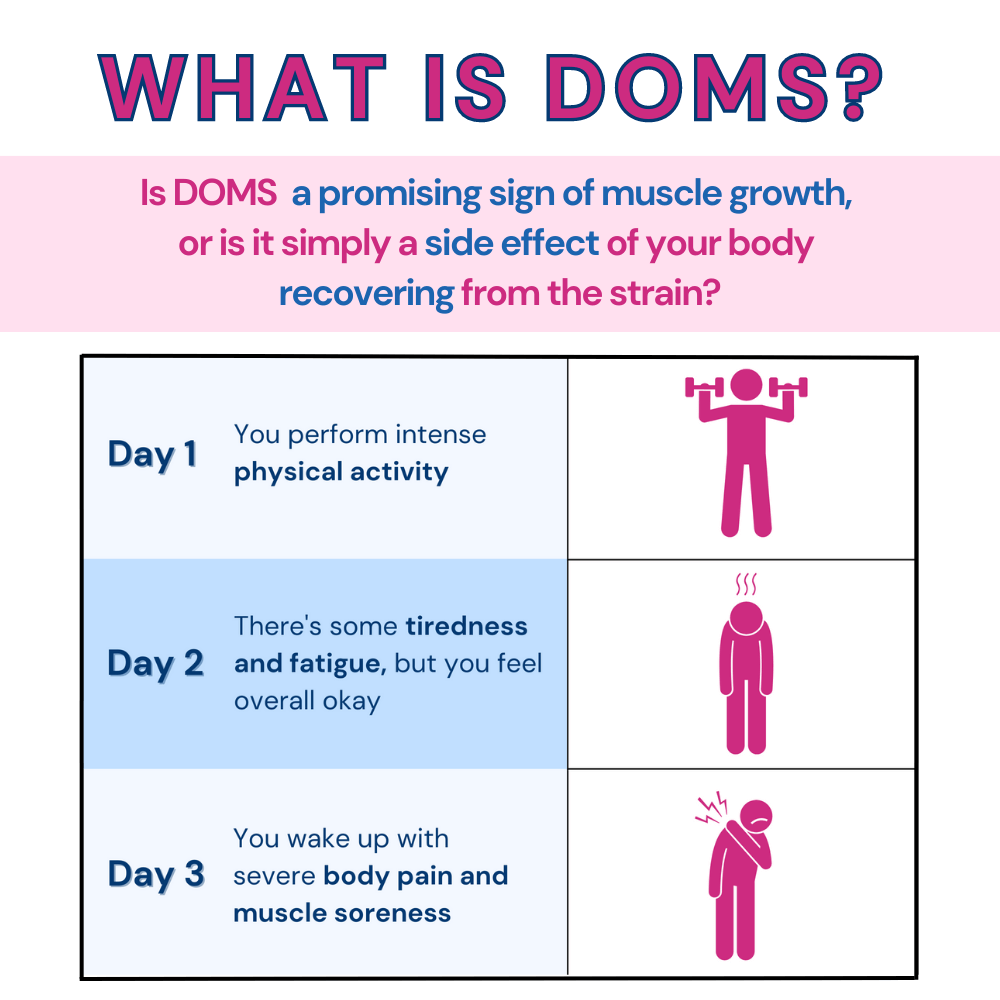
Muscle soreness, often referred to as delayed onset muscle soreness (DOMS), typically occurs 12 to 24 hours after exercise. It’s that familiar aching sensation you might experience after trying a new workout or pushing yourself harder than usual. This soreness is your body’s natural response to stress on muscles, highlighting the small tears in muscle fibers.Why Do Muscles Get Sore?
When you challenge your muscles with weightlifting or other resistance exercises, they undergo microscopic damage. This damage prompts a repair process that strengthens the muscle fibers. It’s a natural part of muscle growth and adaptation. However, soreness isn’t the only indicator of muscle growth. Your muscles can grow even without significant soreness.Is Soreness Necessary For Muscle Growth?
You might wonder if soreness is a must-have for muscle growth. The answer is no. While soreness can indicate muscle repair, it’s not a prerequisite for building muscle. Consistency in your workout routine, combined with proper nutrition and rest, plays a more critical role in muscle development than soreness alone.How Can You Manage Muscle Soreness?
Managing soreness effectively can improve your workout experience. Consider incorporating active recovery techniques like light stretching or low-intensity activities to ease discomfort. Hydration and nutrition also play vital roles. Consuming proteins and staying hydrated helps in quicker recovery. Listen to your body and adjust your routine accordingly to balance intensity and rest.Should You Push Through The Pain?
Feeling sore doesn’t mean you should push through the pain. It’s essential to distinguish between soreness and injury. If the soreness is mild, continuing with a lighter workout can be beneficial. However, if you experience sharp pain or swelling, it’s wise to rest and consult a professional if needed. Your body knows its limits, and respecting them can prevent long-term harm. Understanding the nuances of muscle soreness can empower you to tailor your workouts effectively. Are you listening to your body’s signals, or are you simply chasing soreness as a measure of success? Your approach to fitness should align with your goals, ensuring you train smart and stay healthy.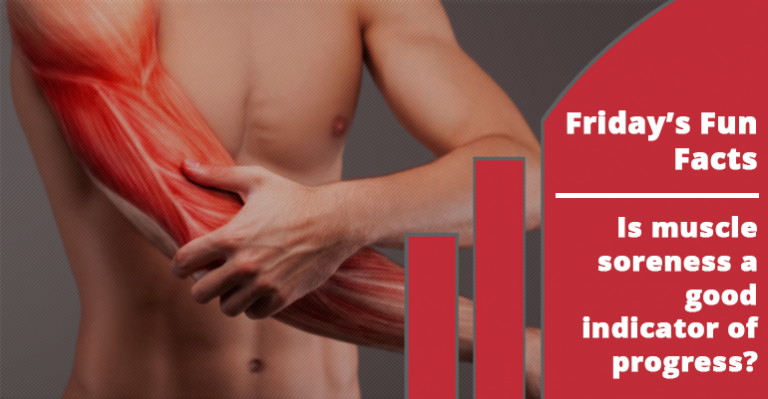
Credit: www.personaltraineroxford.com
Types Of Muscle Soreness
Muscle soreness comes in two types: acute and delayed onset. Acute soreness happens during or right after exercise. Delayed onset occurs hours later and can last days. Building muscle doesn’t always mean you must feel sore. Proper training and recovery also promote growth.
Building muscle can feel like an adventure where soreness is your constant companion. But do you have to be sore to know you’re making progress? Understanding the types of muscle soreness can help you answer this question. Not all soreness is the same, and recognizing what your body is telling you can be crucial to your fitness journey.Acute Soreness
Acute soreness often appears during or immediately after a workout. It’s that burning sensation in your muscles as you push through those last few reps. This type of soreness is usually temporary. It happens because your muscles are under stress and are working harder than they’re used to. Your muscles are signaling that they’re engaged and working. But don’t let acute soreness confuse you—it’s a normal part of challenging your body.Delayed Onset Muscle Soreness (doms)
DOMS is a different story. It sneaks in a day or two after your workout. You’re probably familiar with waking up and feeling like you’ve aged a decade overnight. This soreness is more intense and can last several days. It’s a sign that your muscles are repairing and growing after being stressed. Does the presence of DOMS mean your workout was successful? Not necessarily. Some people experience less DOMS yet build muscle effectively. Listen to your body. If soreness is too severe, you might need to adjust your workout intensity. Soreness shouldn’t be your sole indicator of progress. What matters is consistency, challenge, and listening to your body’s signals. Are you pushing yourself enough to grow, but not too much to harm? That’s the balance to aim for.Causes Of Muscle Soreness
Muscle soreness often arises after intense workouts. This discomfort is common in fitness. Understanding the causes of muscle soreness helps in managing it. Soreness signals the body adapting and growing stronger.
Microtears In Muscle Fibers
Exercise causes microtears in muscle fibers. These tiny tears occur during weightlifting or intense activity. As muscles contract, they undergo stress. This stress leads to microscopic damage. Such damage is essential for muscle growth. The body repairs these tears, making muscles stronger. Microtears are a key reason for muscle soreness.
Inflammatory Response
Inflammation follows muscle microtears. The body’s immune system reacts to repair damage. Blood flow increases to the affected area. Swelling and soreness result from this response. Inflammation is a natural healing process. It signals the body to strengthen muscles. This repair boosts muscle size and resilience. Muscle soreness is often due to this inflammatory response.
Muscle Growth Mechanisms
Feeling sore isn’t necessary for muscle growth. Muscles can grow with effective workouts without pain. Focus on consistency and proper technique for results.
Building muscle is a fascinating process, and it doesn’t necessarily require you to feel sore after every workout. Understanding the mechanisms behind muscle growth can help you optimize your fitness routine. Let’s dive into how muscles grow and what role soreness plays in it.Hypertrophy Process
Muscle growth, or hypertrophy, occurs when muscle fibers increase in size. This happens primarily through resistance training, where you challenge your muscles with weight. When you lift weights, tiny tears occur in your muscle fibers. These micro-tears are a normal part of the hypertrophy process. Your body responds by repairing these tears, making your muscles thicker and stronger. Soreness often results from these tears, but it’s not a definitive indicator of muscle growth. You can still build muscle effectively without feeling sore every time. Consider your body’s response to different exercises—mixing up your routine can stimulate muscle growth without persistent soreness.Role Of Protein Synthesis
Protein synthesis is crucial for muscle repair and growth. After a workout, your body needs protein to rebuild and strengthen muscle fibers. Eating protein-rich foods like chicken, fish, or legumes helps fuel this process. Aim to consume protein within a couple of hours post-workout for optimal results. Think about the last time you ramped up your protein intake—did you notice faster recovery? It’s all about giving your muscles the nutrients they need to grow. How do you ensure your body is primed for protein synthesis? Pay attention to your diet and timing. A balanced meal plan can make a significant difference in your muscle-building journey. Are you prioritizing protein in your diet, or relying solely on soreness as a growth indicator? It’s time to rethink and strategize for better gains.Soreness And Muscle Growth Connection
Many believe soreness equals muscle growth. This belief is widespread in fitness circles. But is soreness a true indicator of effective workouts? Understanding the connection between soreness and muscle growth helps optimize your fitness journey. Let’s explore this connection further.
Misconceptions About Soreness
Many equate soreness with muscle growth. But soreness isn’t always a growth signal. It often results from new or intense workouts. The body adjusts to new stress, leading to soreness. But not feeling sore doesn’t mean your muscles aren’t growing. Regular exercise can reduce soreness over time. This doesn’t mean growth has stopped.
Scientific Perspectives
Research shows soreness stems from microscopic muscle damage. This damage triggers repair and growth. But muscle growth can occur without soreness. Factors like nutrition and rest also play roles. Scientists argue soreness isn’t the sole growth indicator. Effective muscle growth relies on consistent training and recovery.
Credit: www.onepeloton.com
Training Without Soreness
Many believe muscle soreness is a sign of a good workout. But is it necessary? Soreness happens when muscles experience tiny tears. Not feeling sore doesn’t mean muscles aren’t growing. It’s possible to train effectively without pain.
Effective Workouts
Effective workouts focus on quality, not just intensity. Proper form ensures the muscles work efficiently. Short, focused sessions can be more beneficial than long, grueling ones. Consistency is key. Regular workouts help build strength over time.
Progressive Overload
Progressive overload is vital in muscle growth. Gradually increasing weight challenges muscles, promoting growth. Even without soreness, muscles adapt and grow with consistent overload. Track your progress. Small increases can lead to significant results.
Monitoring Muscle Recovery
Soreness isn’t a must for muscle growth. It signals muscle stress, but rest and nutrition are key for recovery. Effective workouts can build strength without causing soreness every time. Prioritize rest and proper care to support muscle development.
Monitoring muscle recovery is essential for anyone serious about building strength and gaining muscle. It’s not just about how much you lift or how many reps you perform. Understanding how your body recovers can help you optimize your workouts and avoid setbacks. While soreness can be a sign of a good workout, it’s not the only indicator of muscle growth. Let’s explore how you can effectively monitor your muscle recovery and make the most of your fitness journey.Signs Of Overtraining
Overtraining can sneak up on you if you’re not paying attention to your body’s signals. Persistent fatigue and irritability are red flags. You might also notice a drop in performance or a lack of motivation to hit the gym. Sleep disturbances and increased soreness are other indicators that your body needs a break. If you find yourself getting sick more often, it could be due to a weakened immune system from overtraining. Listen to your body and adjust your workout routine accordingly.Optimal Rest Strategies
Rest is just as crucial as the workout itself. Ensuring you have adequate rest days in your routine can prevent overtraining and help muscles repair. A good rule of thumb is to allow at least 48 hours of rest for the same muscle group before working it again. Consider integrating active recovery, like light walking or yoga, to keep your muscles moving without straining them. Quality sleep is paramount, as it’s during sleep that your body does most of its repair work. Aim for 7-9 hours of restful sleep each night to facilitate recovery. Reflect on your current rest strategies. Are they helping you feel refreshed and ready, or do you often feel drained? Adjusting your rest can be the key to unlocking better muscle growth and overall performance.
Credit: www.youtube.com
Expert Opinions
Feeling sore after exercise can seem like a sign of muscle growth. But is it really necessary to be sore to build muscle? Expert opinions provide insights into this common question. Understanding what the experts say can help guide your fitness journey. Let’s explore what fitness professionals and research findings reveal about muscle soreness and growth.
Insights From Fitness Professionals
Many fitness professionals agree that soreness is not essential for muscle growth. While soreness may indicate muscle stress, it doesn’t measure progress. Trainers often emphasize consistency and proper technique over soreness. They suggest focusing on regular training and balanced nutrition for muscle building. Soreness may occur, but it shouldn’t be the sole indicator of a successful workout.
Research Findings
Scientific studies support the idea that soreness isn’t necessary for muscle growth. Research shows that muscle hypertrophy occurs without intense soreness. Studies highlight the importance of progressive overload and recovery in muscle development. Some research also points out that excessive soreness may hinder progress. It can lead to overtraining and potential injury.
Practical Tips For Muscle Growth
Building muscle doesn’t always mean feeling sore. Muscle growth depends on several factors. You can grow muscles without intense soreness. Let’s explore practical tips for effective muscle growth.
Balanced Nutrition
Nutrition plays a crucial role in muscle development. Consuming protein-rich foods helps repair muscles. Carbohydrates provide energy for workouts. Healthy fats support overall body functions. Hydration is also vital. Drink enough water to maintain muscle performance. Focus on whole foods for balanced nutrition.
Consistency In Training
Consistency is key to muscle growth. Regular workouts create lasting results. Stick to a workout schedule. Target different muscle groups each week. Include strength training and cardio. Gradual progress helps avoid injuries. Track your workouts to stay motivated. Consistent effort leads to visible muscle gain.
Frequently Asked Questions
Can You Still Build Muscle If You’re Not Sore?
Yes, you can build muscle without feeling sore. Muscle growth depends on consistent training, nutrition, and recovery. Soreness isn’t a reliable indicator of progress. Focus on proper exercise form, progressive overload, and adequate rest to stimulate muscle growth effectively. Listen to your body and maintain a balanced workout routine.
How Do I Know If I’m Growing Muscle?
Track muscle growth by measuring strength gains, noticing increased muscle size, and feeling firmer muscles. Regularly check your body measurements and monitor weight changes. Consistent progress in workout performance is a key indicator. Keep an eye on your protein intake and recovery for optimal muscle development.
Why Am I Not Sore After Workouts Anymore?
Your body has adapted to your workout routine, reducing soreness. Try changing exercises or increasing intensity to challenge muscles. Adequate recovery and proper nutrition also contribute to less soreness. Embrace consistent training, as it enhances muscle resilience and reduces post-workout discomfort.
Do Muscles Grow On Rest Days?
Yes, muscles grow on rest days. During rest, muscle fibers repair and strengthen, leading to growth. Rest days are crucial for recovery and preventing overtraining. Ensure adequate nutrition and hydration to support muscle repair. Balance workouts with rest for optimal muscle development and performance enhancement.
Conclusion
Feeling sore doesn’t mean your muscles are growing. Muscle growth relies on consistent exercise and proper nutrition. Listen to your body. Rest when needed. Focus on form and technique during workouts. Build strength gradually. Remember, everyone’s body reacts differently. Soreness can be a sign of new activity, not growth.
Track your progress with measurements, not pain. Stay motivated. Keep learning about your body. Embrace the journey towards better health and fitness. Celebrate small wins. Building muscle takes time and patience. Stay committed. Enjoy the process of becoming stronger and healthier.