Ever feel like your regular workout routine isn’t giving you the results you’re after? You’re not alone.
Many fitness enthusiasts are constantly searching for that one secret ingredient to supercharge their muscle growth. Enter static contractions—a technique that might just change the way you think about strength training. You might be wondering: do static contractions really work for building muscle, or is it just another fitness fad?
By the end of this article, you’ll discover the truth behind this intriguing method and whether it can help you achieve your muscle-building goals. Stay with us to learn how static contractions could be the game-changer you’ve been looking for in your fitness journey.
What Are Static Contractions?
Static contractions focus on holding a muscle in a fixed position. This method challenges the muscle without moving the joint. Unlike traditional exercises, static contractions use isometric holds. They help in building strength and endurance. But how do they work?
Imagine holding a heavy weight without moving. Your muscles contract to keep it steady. This creates tension, which is key for muscle growth. Static contractions can be done with any muscle group. They are efficient and require minimal equipment.
Understanding The Basics Of Static Contractions
Static contractions involve an isometric exercise technique. Muscles generate force without changing length. Think about pushing against a wall. Your muscles engage even though the wall doesn’t move. This is the essence of static contractions.
These exercises are about maintaining a position. There’s no lifting or lowering involved. Your muscles work hard to hold the weight or position. It’s a simple yet powerful way to train.
Benefits Of Static Contractions
Static contractions enhance muscle strength and endurance. They increase tension within the muscle fibers. This is effective for muscle growth. They also improve joint stability and control.
Another benefit is reduced risk of injury. Since there’s no movement, joints experience less stress. This makes static contractions suitable for rehabilitation. They are also useful for athletes who need precise control.
How To Perform Static Contractions
Start by choosing a muscle group to target. Use a weight you can hold for 10-20 seconds. Position yourself so the muscle is under tension. Hold the position as long as possible.
Focus on maintaining proper form. Avoid unnecessary movement. Breathe steadily to keep your muscles oxygenated. Repeat for several sets to see results.
How Muscles Benefit From Static Contractions
Static contractions might seem unconventional, but they offer unique benefits for muscle building. These exercises involve holding a muscle in a fixed position, creating tension without movement. This approach challenges your muscles in unexpected ways, pushing them to adapt and grow stronger. Wondering how static contractions can work wonders for your muscles? Let’s dive into the details.
Tension And Muscle Growth
Creating tension is key to muscle growth. Static contractions maximize tension by holding your muscles in a challenging position. This constant strain prompts your muscles to adapt and grow, similar to lifting heavy weights. The result? Increased muscle mass and definition.
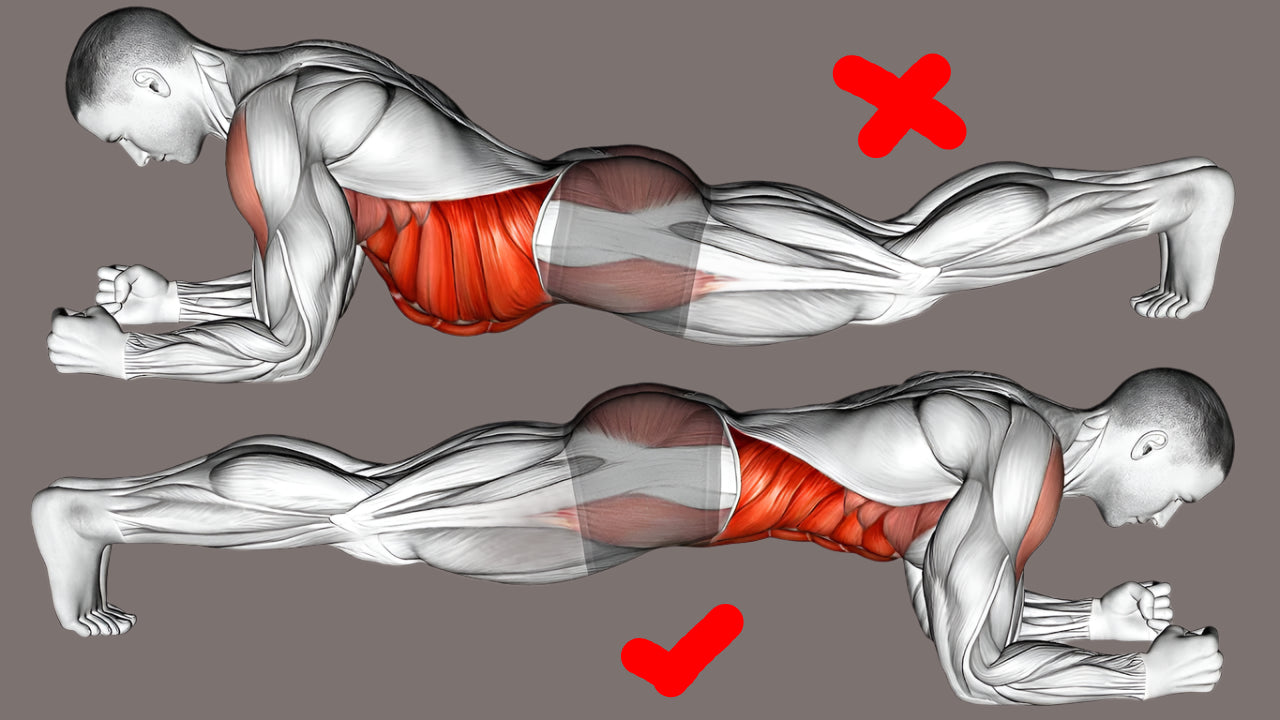
Think of how your muscles react when you hold a plank. The tension builds, and your muscles respond by getting stronger. Incorporating static contractions into your routine can amplify these effects, leading to noticeable gains.
Improved Strength And Endurance
Static contractions not only build muscle but also enhance strength and endurance. Holding a muscle under tension for extended periods pushes your limits. This trains your muscles to withstand fatigue and perform better over time.
Imagine holding a wall sit. Your legs feel the burn, but with each session, you last longer. That’s improved endurance. Static contractions challenge you to push through the discomfort, making you stronger and more resilient.
Have you ever held a yoga pose and felt your muscles shake? That’s static contraction in action. These exercises teach your muscles to manage tension, boosting your overall performance. Are you ready to embrace the power of static contractions for better muscle gains?
Scientific Studies And Findings
Recent research explores whether static contractions help in muscle growth. Studies suggest static exercises might boost strength and endurance. Further investigation is needed to confirm their effectiveness in muscle building.
Static contractions have intrigued both fitness enthusiasts and researchers for years. These exercises involve holding a muscle in a fixed position under tension without movement. But do they really work for building muscle? Scientific studies have delved into this question, providing insights that could change how you approach your strength training routine.Research On Static Contractions
Research into static contractions shows promising results for muscle building. Studies highlight that these exercises increase muscle tension, leading to improved strength and muscle hypertrophy. Researchers have found that static contractions stimulate muscle fibers effectively, even with short-duration holds. In one study, participants saw significant strength gains by incorporating static contractions into their routine. Imagine holding a bicep curl halfway up and feeling that intense burn—this is when your muscles are working hardest. Could adding this to your routine be the game-changer you need?Comparative Studies With Dynamic Exercises
Comparative studies have analyzed static contractions alongside dynamic exercises like traditional weightlifting. The findings suggest that while dynamic exercises enhance overall muscle endurance, static contractions excel in targeting muscle strength. A study comparing both methods found that static contractions provide a focused muscle engagement. If you’re short on time and want to maximize your workout, static contractions might be your secret weapon. How often do you look for efficient ways to boost your training results? In another study, combining static and dynamic exercises led to optimal muscle growth. This combination approach could be your key to breaking plateaus and seeing tangible results. Why not try mixing static holds with your regular dynamic routine to see how your muscles respond? By understanding the science behind static contractions, you can make informed decisions about your fitness journey. Which technique will you try next to achieve your muscle-building goals?Implementing Static Contractions In Training
Static contractions in training focus on holding a muscle in a fixed position. This technique can help increase muscle tension, potentially contributing to muscle growth. Its effectiveness may vary based on individual fitness goals and body types.
Implementing static contractions in training can be a powerful method. This approach focuses on holding a muscle in a contracted position. It stimulates muscle growth without repetitive movement. It’s ideal for individuals seeking efficient workouts. Static contractions work by applying maximum force. This method requires less time but demands intense effort. It can be incorporated into various exercises.Recommended Exercises
Static contractions can be performed with different exercises. Try static holds in bench presses or squats. Hold the weight at the peak contraction point. You can also use leg extensions for static holds. Maintain the position with maximum tension. This targets muscle fibers effectively.Training Frequency And Duration
Static contractions should be done with caution. Perform them once or twice weekly. This allows muscles to recover fully. Each session should last around 15 to 20 minutes. Keep the contraction hold between 10 to 20 seconds. This duration maximizes muscle engagement. Overtraining can lead to fatigue. Always listen to your body’s signals.Common Misconceptions
Static contractions can confuse people about muscle growth. Many think holding a weight builds muscle, but it’s not enough. Muscles need full range movements and consistent resistance for real growth.
When it comes to building muscle, static contractions often get misunderstood. You might hear conflicting opinions about their effectiveness. Let’s clear up some common misconceptions and get to the truth.Static Vs. Dynamic Movements
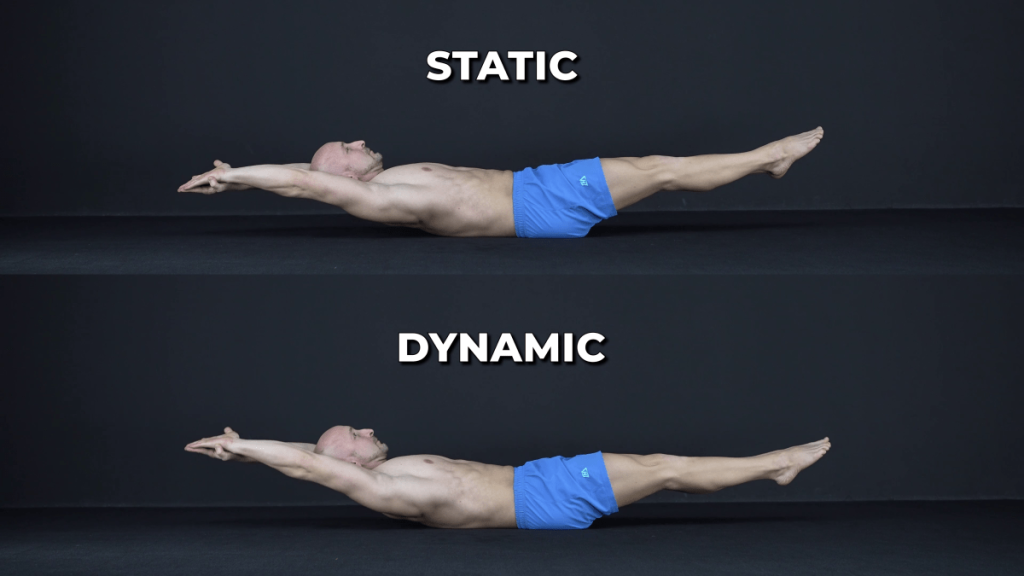
Static and dynamic movements both have their place in a workout routine. Static contractions involve holding a muscle in a fixed position under tension. Dynamic movements, on the other hand, require a full range of motion. You might think static movements don’t build muscle because there’s no visible movement. However, this isn’t true. Holding a muscle under tension can increase strength and muscle size. Dynamic movements are more traditional and familiar. But incorporating static holds can provide a new challenge and stimulate muscle growth. Have you ever tried holding a plank and felt the burn? That’s your muscles working hard without moving.Myths About Muscle Growth
One myth is that you need to lift heavy weights to build muscle. While lifting heavy can be effective, it’s not the only way. Static contractions can build muscle without heavy weights. Another misconception is that static contractions are only for beginners. This isn’t accurate. Even seasoned athletes use them to break through plateaus. Think of elite climbers who rely on static holds to build endurance and strength. Some people believe static contractions are unsafe. In reality, they can be safer than dynamic movements because they reduce joint stress. Always listen to your body and maintain proper form. Have you ever avoided static holds because of these myths? It might be time to reconsider. Static contractions can be a powerful tool in your muscle-building arsenal. By understanding the facts, you can make informed decisions about your fitness routine.
Credit: www.amazon.com
Advantages And Limitations
Static contractions can be a unique way to build muscle. They involve holding a muscle at a fixed position under tension. Like all exercises, static contractions come with their own set of benefits and drawbacks. Understanding these can help you decide if they fit your workout routine.
Benefits Of Static Contractions
Static contractions increase muscle strength quickly. They focus on a muscle’s strongest point. This can lead to faster strength gains. They also require less time than traditional exercises. This is great for those with busy schedules. Static contractions are less stressful on joints. This makes them suitable for people with joint issues. They engage muscle fibers deeply. This leads to better muscle activation.
Potential Downsides And Risks
Static contractions can lead to muscle fatigue. Holding a muscle in one position is tiring. They may not build endurance. Muscles do not move through a full range. This limits endurance improvements. Risk of injury exists if posture is incorrect. Incorrect form can strain muscles or joints. They might not offer balanced muscle development. Traditional exercises target multiple angles. Static contractions focus on one point only.
Expert Opinions And Insights
Static contractions involve holding a weight in a fixed position. They target specific muscles without movement. Many people wonder if this method builds muscle effectively. Let’s explore expert opinions and insights on static contractions. We’ll hear from trainers and athletes who have firsthand experience.
Trainer Insights
Experienced trainers often emphasize the benefits of static contractions. They say these exercises build strength and endurance. Trainers explain that holding a position increases muscle tension. This can lead to muscle growth over time. They also mention the method’s simplicity. No need for complex equipment or routines. Just focus and dedication are required.
Athlete Experiences
Athletes share their personal experiences with static contractions. Many report improved muscle definition and strength. They find this method less stressful on joints. Some athletes use static contractions for recovery. It allows them to maintain muscle without heavy lifting. Their experiences highlight the versatility of this approach. Static contractions fit into various training regimens, offering flexibility and convenience.
Credit: trainingstation.co.uk

Credit: blog.calimove.com
Frequently Asked Questions
Does Static Contraction Training Build Muscle?
Static contraction training can build muscle by maximizing muscle tension. It involves holding heavy weights in a fixed position. This technique targets muscle growth effectively by engaging muscle fibers intensely. Incorporating static contraction can enhance strength and hypertrophy, boosting muscle mass.
Does Static Flexing Build Muscle?
Static flexing can help improve muscle endurance and tone. It engages muscles without movement, enhancing definition. While it doesn’t significantly increase muscle size like weightlifting, it contributes to overall muscle health. Incorporate static flexing into workouts for balanced fitness and improved strength.
Do Static Holds Cause Muscle Growth?
Static holds can stimulate muscle growth by increasing time under tension. They enhance muscle endurance and strength. Incorporating static holds into workouts helps target different muscle fibers, contributing to hypertrophy. Consistent training with proper nutrition aids effective muscle development.
Do Muscle Contractions Build Muscle?
Yes, muscle contractions build muscle. They stimulate muscle fibers, leading to growth and increased strength. Consistent resistance training enhances these contractions. This results in hypertrophy, effectively building muscle mass over time. Proper nutrition and rest also support muscle growth alongside contractions.
Conclusion
Static contractions can be a useful tool for muscle growth. They focus on holding muscles under tension, which can help build strength. This method is time-efficient, making it ideal for busy schedules. It challenges muscles differently compared to regular exercises.
It’s important to mix static contractions with other types of training for balanced development. Always listen to your body and avoid overdoing it. Consult a fitness expert if you’re unsure where to start. By understanding these exercises, you can enhance your workout routine and see results over time.
Keep experimenting to find what works best for you.