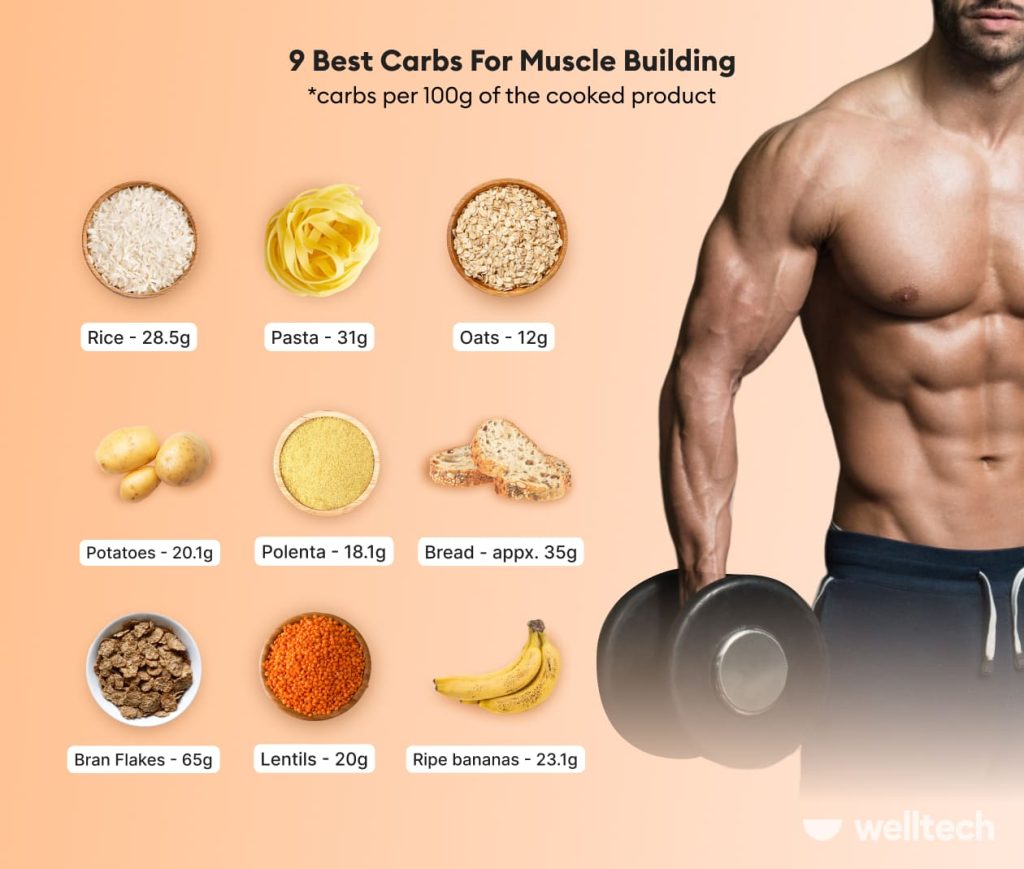
Are you trying to build muscle but uncertain about the role of carbs in your diet? You might have heard mixed messages about whether carbohydrates are essential or just another calorie source.
It’s time to cut through the confusion and discover the truth about carbs and muscle growth. Imagine unlocking your body’s full potential with the right fuel, boosting your strength and achieving your fitness goals faster. By the end of this article, you’ll have a clear understanding of how carbs impact your muscle-building journey and whether they should be a staple in your diet plan.
Ready to find out? Let’s dive in!
Role Of Carbohydrates In Muscle Growth
Carbohydrates provide energy for muscle-building workouts. They help replenish glycogen stores in muscles after exercise. Essential for muscle growth, carbs support protein synthesis.
Carbohydrates often get a bad rap, especially in the world of fitness, where protein seems to steal the spotlight. But did you know that carbs play a crucial role in muscle growth? They are not just energy providers; they are vital for optimal performance and recovery. Understanding the role of carbohydrates in muscle growth can help you make informed dietary choices that enhance your muscle-building efforts.How Carbohydrates Fuel Your Workouts
Carbs are your body’s primary source of energy. They help you power through intense workouts. Without enough carbs, you may feel tired and unable to lift as heavy or perform as well. Have you ever hit the gym feeling sluggish? Chances are, you didn’t have enough carbs in your system. Eating carbs before a workout ensures you have the energy to maximize your performance.The Connection Between Carbs And Protein Synthesis
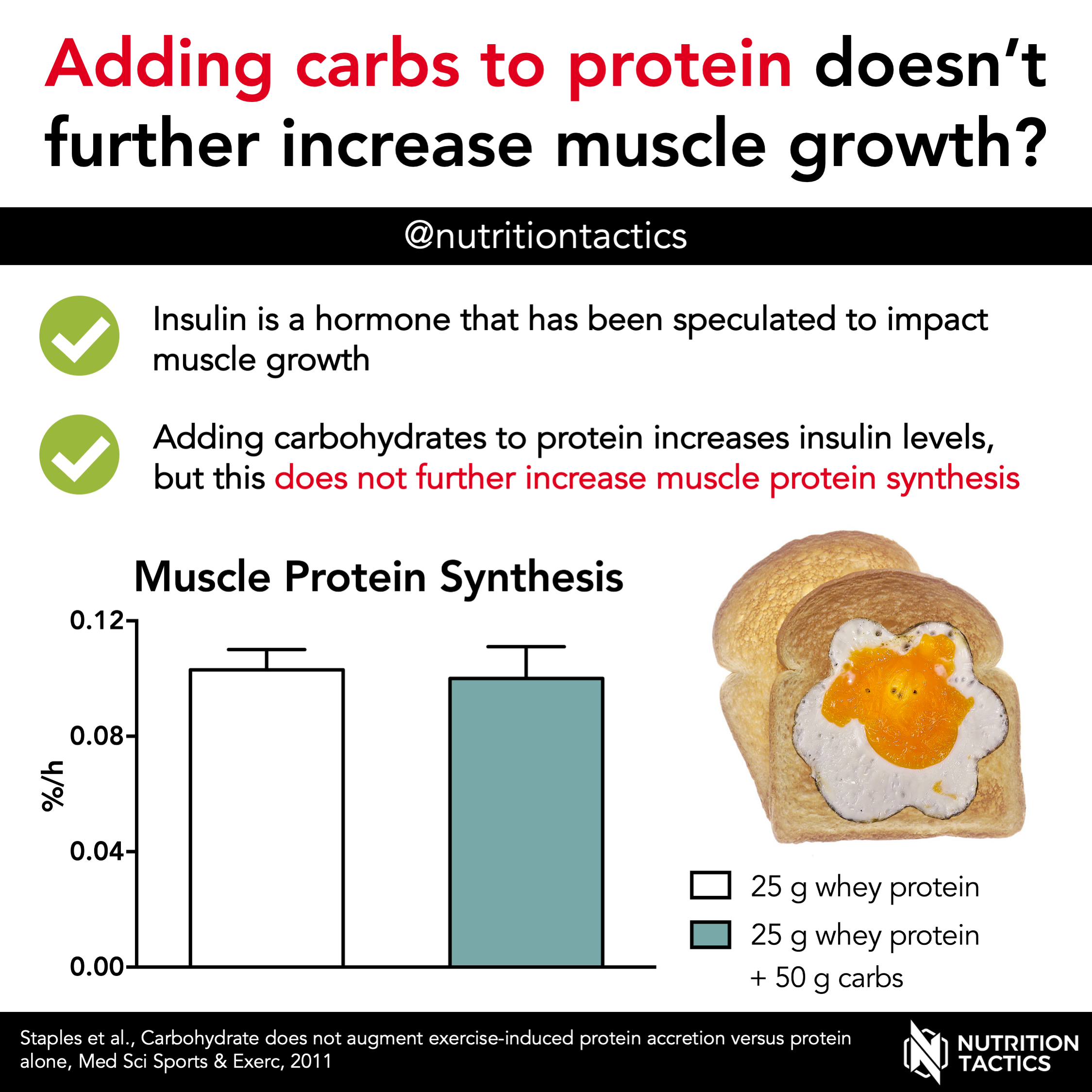
Carbs also play a role in protein synthesis, the process where your body repairs and builds muscle tissue. They trigger the release of insulin, a hormone that helps amino acids enter muscle cells. Imagine carbs as the sidekick that helps protein do its job. Without them, your muscle-building efforts could stall.Why Timing Matters: Carbs And Muscle Recovery
Timing your carb intake can enhance recovery. Consuming carbs after a workout replenishes glycogen stores and speeds up recovery. Picture finishing a tough workout and immediately refueling with a banana or a piece of toast. This simple action can significantly impact how quickly your muscles recover and grow.Choosing The Right Carbs For Muscle Growth
Not all carbs are created equal. Focus on complex carbs like whole grains, fruits, and vegetables for sustained energy. Do you find yourself reaching for sugary snacks? Opt for oats or quinoa instead. These options provide long-lasting energy and support muscle growth.Balancing Carbs With Other Nutrients
While carbs are essential, balance is key. Combine them with protein and healthy fats to create a well-rounded diet. Next time you plan your meals, think of carbs as part of a team. Together with protein and fats, they help you achieve your muscle-building goals. Are you ready to rethink your carb intake? Adjust your diet and notice how it transforms your workouts and recovery.Carbs Vs. Protein: Balancing Act
Muscle building requires energy, and carbs provide that fuel. Proteins repair and grow muscles, but carbs are vital for workouts. Balance between carbs and protein supports effective muscle growth and recovery.
Carbs vs. Protein: Balancing Act Building muscle isn’t just about lifting weights. It’s also about what you eat. Many people think protein is the main player in muscle building. While protein is crucial, carbs also play an essential role. Carbs provide energy for your workouts. Without them, you might feel sluggish or unable to complete your exercise routine effectively. Imagine trying to lift weights or run on a treadmill when you’re running on empty. It’s tough, right? But how do you balance carbs and protein? Let’s find out.Why Carbs Matter For Muscle Growth
Carbs replenish glycogen stores in your muscles. This is vital for recovery and performance. After a workout, your muscles need energy to repair and grow. Carbs help with this process by refueling glycogen. Think of carbs as the fuel for your workout engine. They keep your body going strong during exercise and help with recovery afterward. Without enough carbs, your body may start using protein for energy instead of muscle repair.Protein: The Building Blocks
Protein is essential for muscle repair and growth. It provides the amino acids your muscles need to rebuild after exercise. Consuming enough protein ensures your muscles repair and grow stronger. Many fitness enthusiasts swear by their protein shakes. They use them as quick and easy sources of protein after workouts. But don’t forget that whole foods like chicken, eggs, and beans are also excellent protein sources.Finding Your Balance
You need to find a balance between carbs and protein that works for you. Everyone’s body is different. Some people may need more carbs, while others need more protein. Consider tracking your food intake to see what works best. Apps can help you monitor how many grams of carbs and protein you consume. This can guide you in adjusting your diet for optimal muscle growth.Personal Experience: The Learning Curve
When I first started weightlifting, I focused solely on protein. I quickly realized my energy levels were tanking. It wasn’t until I added more carbs that I noticed a significant improvement in my performance. This taught me the importance of a balanced diet. Carbs and protein each have a role in muscle building. Have you ever felt tired during workouts because of your diet?Actionable Insights
– Track your intake: Use apps to balance your carbs and protein. – Experiment: Adjust your diet based on your performance and recovery. – Listen to your body: It tells you when you need more fuel. Now, think about your diet. Are you getting enough carbs to fuel your workouts? Is your protein intake adequate for muscle repair? Understanding these elements can transform your fitness journey.Types Of Carbohydrates For Muscle Building
Understanding the types of carbohydrates is key to muscle building. Carbs are crucial for energy and recovery. They fuel your workouts and help repair muscles. Choosing the right carbs enhances your muscle growth journey.
Complex Carbs
Complex carbohydrates are long chains of sugar molecules. They digest slowly, providing steady energy. Foods like whole grains, oats, and brown rice are rich in complex carbs. These carbs stabilize blood sugar levels and prevent energy crashes. Including complex carbs in your diet supports sustained workouts.
Simple Carbs
Simple carbohydrates consist of short sugar chains. They digest quickly, offering rapid energy boosts. Fruits and honey are examples of simple carbs. They are perfect for immediate energy needs, such as during intense workouts. Simple carbs help replenish energy stores swiftly.

Credit: www.youtube.com
Timing Carbohydrate Intake
Timing carbohydrate intake can significantly impact your muscle-building efforts. You might wonder how the timing of carbs can make a difference. Let’s dive into two crucial moments: before and after your workout. Understanding these can boost your results and make your workouts more effective.
Pre-workout Fuel
Think of carbs as your workout fuel. Eating them before exercising gives you energy and improves performance. Have you ever felt sluggish halfway through a workout? That’s a sign your body could use more fuel.
About 30 to 60 minutes before hitting the gym, consider a snack like a banana or a small bowl of oatmeal. These foods provide the quick energy you need without weighing you down. This timing helps you maximize your workout intensity and endurance.
Post-workout Recovery
After exercising, your body is in recovery mode. Carbs play a key role here, helping to replenish glycogen stores and repair muscles. Picture your muscles as a sponge soaking up nutrients; this is when they need it most.
Opt for a balanced meal with carbs and protein within an hour post-workout. Something as simple as a chicken wrap with veggies can work wonders. This combination aids muscle repair and growth, ensuring you’re ready for your next workout.
Have you ever questioned the importance of timing your carb intake? It could be the missing piece in your muscle-building puzzle. By strategically timing your carbs, you not only fuel your workouts but also enhance recovery.
Consider experimenting with different carb sources and timing to see what best suits your body and routine. What happens when you adjust your carb timing for a week? You might be surprised at the results.
Carb Cycling And Muscle Gain
Carbs play a crucial role in muscle building by providing energy for workouts. Carb cycling optimizes muscle gain, balancing carb intake with protein to enhance growth and recovery. This strategic approach ensures muscles receive the needed fuel for effective performance and development.
Carb cycling is a strategy often discussed in the fitness world, especially when the goal is to build muscle. It’s a method where you alternate between high-carb and low-carb days to optimize your body’s energy use and muscle growth. While some swear by its effectiveness, others are skeptical. But is carb cycling the missing piece in your muscle-building puzzle?What Is Carb Cycling?
Carb cycling involves adjusting your carb intake to meet your energy needs and fitness goals. On high-carb days, you consume more carbohydrates to fuel workouts and aid muscle recovery. Low-carb days aim to burn fat and improve insulin sensitivity. This approach tailors your diet to your body’s varying energy demands.Benefits Of Carb Cycling For Muscle Gain
Carb cycling can enhance muscle growth by providing the right nutrients at the right time. On high-carb days, your body has the fuel to perform intense workouts, potentially leading to better muscle growth. The strategic placement of carbs can improve energy levels and performance. This approach also helps prevent plateaus by keeping your metabolism active.Personal Experience: The Energy Boost
A few months ago, I decided to try carb cycling. On high-carb days, I noticed a significant energy boost during my workouts. This wasn’t just a coincidence. I lifted heavier weights and felt less fatigued. This energy translated into more productive sessions, leading to noticeable muscle gains.How To Implement Carb Cycling
To start carb cycling, plan your high-carb days on intense training days. Low-carb days should be on rest or light activity days. This strategy requires some planning but is manageable with practice. Track your intake and adjust based on your energy levels and progress.Common Misconceptions
Some believe carb cycling is a magic bullet for muscle gain. While it can be effective, it’s not a one-size-fits-all solution. Results vary based on individual metabolism, workout intensity, and overall diet. It’s important to experiment and find what works best for you.Is Carb Cycling Right For You?
Consider your fitness goals and lifestyle when deciding on carb cycling. If you’re struggling with energy levels or hitting a plateau, it might be worth trying. However, if you’re seeing results with your current approach, it may not be necessary. Assess your needs and make an informed choice.Myths About Carbs And Muscle Building
Carbs are often misunderstood in muscle building. Many believe they aren’t necessary, but carbs provide energy for workouts. Essential for muscle recovery, they help replenish glycogen stores and support growth. Avoiding them might limit progress, making carbs a vital part of a balanced diet for building muscle effectively.
When it comes to building muscle, carbohydrates often get a bad rap. Many believe carbs are the enemy, hindering muscle growth and leading to unwanted weight gain. But is this really the case? Let’s debunk some common myths about carbs and muscle building that might be holding you back from reaching your fitness goals.Myth 1: Carbs Make You Fat
The idea that carbs automatically lead to weight gain is a widespread misconception. In reality, it’s the excess intake of calories, not carbs alone, that leads to fat gain. Carbs are a primary energy source, fueling your workouts and helping your body recover. Think about the last time you had a carb-rich meal before a workout. Didn’t you feel more energized and ready to take on the world?Myth 2: You Can Build Muscle Without Carbs
Some people believe they can build muscle on a carb-free diet. While protein and fats are crucial, carbs play a vital role too. They replenish glycogen stores, which are essential for muscle recovery and growth. Imagine trying to fill up your gas tank with only half the necessary fuel. Your car won’t run efficiently, just like your body won’t build muscle effectively without carbs.Myth 3: All Carbs Are Created Equal
Not all carbs are the same. Simple carbs like sugar can spike your blood sugar, while complex carbs provide steady energy. Choosing whole grains, fruits, and vegetables over processed foods can make a big difference in your muscle-building journey. Have you ever noticed how eating a balanced meal with whole grains keeps you fuller and more satisfied?Myth 4: Carbs Are Only For Endurance Athletes
Carbs aren’t just for marathon runners or cyclists. They are equally important for those looking to increase muscle mass. The energy from carbs supports intense weightlifting sessions and promotes recovery. Do you want to lift heavier and push your limits? A balanced diet with the right amount of carbs can help you get there.Myth 5: Timing Of Carbs Doesn’t Matter
Some say it doesn’t matter when you eat carbs, but timing can impact your performance and recovery. Consuming carbs before and after workouts can maximize energy and speed up recovery. Have you tried having a small carb snack before a workout and noticed better performance? It’s worth considering how the timing of your meals can affect your results. Understanding these myths can help you make smarter choices about your diet. Carbs are not the enemy; they can be your ally in building the muscle you’ve always wanted. What changes will you make to your carb intake after reading this?Alternatives To Carbs For Energy
When it comes to building muscle, carbs are often considered the go-to energy source. But what if you want or need to cut back on carbs? Are there alternatives to fuel your workouts and recovery? Absolutely. Understanding how to harness other energy sources can be a game-changer in your fitness journey.
Fats As Fuel
Fats can be a powerful energy source for muscle building. Unlike carbs, fats provide a longer-lasting energy supply, which can be particularly beneficial for endurance workouts. Have you ever noticed how some athletes swear by avocado or nuts before a workout?
By incorporating healthy fats like olive oil, coconut oil, and avocados into your diet, you can sustain energy levels for longer periods. This may help you push through longer training sessions without the energy crash that sometimes follows a carb-heavy meal.
Try experimenting with different fat sources and observe how your body responds. Everyone’s metabolism is unique, so finding the right balance is key.
Ketogenic Approaches
The ketogenic diet focuses on high-fat, moderate-protein, and low-carb intake. This approach shifts your body into a state of ketosis, where fats become the primary energy source. Some athletes have found this shift helps them maintain muscle mass while losing fat.
However, transitioning into ketosis can be challenging. It requires strict adherence to specific macronutrient ratios. You might experience what’s known as the “keto flu” during the initial phase, feeling sluggish as your body adapts.
Despite the initial hurdles, many find the increased mental clarity and sustained energy worth the effort. Could a ketogenic approach be the answer to your energy needs?
Before making any drastic dietary changes, consider consulting with a nutritionist. They can guide you on how to safely and effectively use fats as an energy source for muscle building.
Credit: www.nutritiontactics.com
Personalized Nutrition Plans
Personalized nutrition plans play a crucial role in muscle building. Each person has unique dietary needs. Understanding these needs helps create effective nutrition strategies. One size does not fit all. Tailoring your diet to your body ensures the best results.
Individual Needs
Every body is different. Some need more carbs for energy. Others might require less. Your body type and metabolism determine your needs. Pay attention to how your body reacts. Adjust your carb intake accordingly. This helps you optimize muscle growth and energy levels.
Consulting Professionals
Seeking expert advice is beneficial. Nutritionists understand dietary requirements. They provide tailored plans for muscle building. Dietitians can assess your specific needs. They help you balance carbs, proteins, and fats. Consulting a professional offers personalized guidance. It leads to better and faster results.

Credit: betterme.world
Frequently Asked Questions
Can You Build Muscle Without Carbs?
Yes, you can build muscle without carbs. Focus on high protein intake and healthy fats. Carbohydrates provide energy, but they’re not essential for muscle growth. Adequate protein and strength training are key. Consider consulting a nutritionist for personalized advice.
What Happens To Your Muscles When You Don’t Eat Carbs?
Muscles may break down for energy when carbs are absent. Glycogen stores deplete, affecting performance and recovery. Protein becomes a primary fuel source, potentially leading to muscle loss. Ensure adequate protein intake to minimize muscle breakdown.
Do Carbs Help In Muscle Growth?
Yes, carbs provide energy essential for intense workouts. They replenish glycogen stores, aiding recovery and muscle repair. Consuming carbs post-exercise enhances protein synthesis, optimizing muscle growth. Including complex carbs like whole grains and fruits can improve performance and support muscle-building goals.
Can I Build Muscle Without Carbs?
Building muscle without carbs is challenging. Carbs are primary energy sources, crucial for high-intensity workouts. They support protein synthesis and recovery. While possible, a low-carb diet may lead to fatigue and hinder muscle gains. For best results, include carbs in your diet.
Conclusion
Carbs play an important role in muscle building. They provide energy and support recovery. Without them, workouts can feel harder. Muscles need fuel to grow and repair. Balanced meals with carbs help achieve fitness goals. Protein is crucial too, but carbs complement it.
Finding the right balance is key. Listen to your body’s needs. Adjust your diet based on activity levels. Experiment with different foods. Everyone’s body reacts differently. So, consider including carbs for optimal muscle growth. Remember, health and fitness are personal journeys.
What works for one may not work for another.