Are you tired of the same old gym routine? Wondering if there’s a better way to build muscle without lifting heavy weights?
The idea of high reps and low weight might sound appealing, but does it really work? Imagine transforming your workout strategy and achieving those muscle gains you’ve always wanted, all while sparing your joints the stress of heavy lifting. Intrigued?
You’ll discover the truth behind the high reps, low weight approach and learn whether it’s the secret ingredient to muscle growth. Get ready to rethink everything you know about strength training and unlock the potential of a method that could revolutionize your fitness journey. Dive in, and find out if this could be your game-changer!

Credit: www.pinterest.com
Muscle Building Basics
Building muscle is a common fitness goal. Understanding the basics is crucial. Muscle growth depends on several factors. These include diet, exercise, and rest. High reps with low weight can be effective. They play a specific role in muscle development.
Role Of Reps And Weight
Reps and weight influence muscle growth. High reps mean more repetitions with lighter weights. This approach targets muscle endurance. It can lead to muscle tone and definition. Low weight reduces injury risk. It allows for more controlled movements. Consistency is key. Regular workouts contribute to muscle growth.
Muscle Hypertrophy Explained
Muscle hypertrophy refers to muscle growth. It occurs when muscle fibers increase in size. High reps with low weight can trigger hypertrophy. This method focuses on slow-twitch muscle fibers. These fibers respond to endurance training. Over time, they adapt and grow. Proper nutrition supports this process. Protein intake is essential for repair and growth. Rest and recovery also play a vital role. Muscles need time to heal and strengthen.
High Reps Low Weight Approach
High reps with low weight can build muscle by increasing endurance and stimulating muscle fibers. This approach boosts stamina and targets slow-twitch muscles, leading to enhanced definition over time. Ideal for beginners or those seeking lean muscle.
The high reps low weight approach is a popular workout method. It involves performing many repetitions with lighter weights. This technique is often used to enhance endurance and tone muscles. It’s a favorite among those who prefer a leaner physique. Many fitness enthusiasts incorporate this strategy into their routines. It challenges the muscles differently than heavy lifting.Benefits For Endurance
This method improves muscular endurance. It trains the muscles to sustain effort over longer periods. With high reps, muscles adapt to prolonged activity. This leads to increased stamina and strength. It helps in everyday activities and sports. High reps also boost cardiovascular health. The heart works harder, improving circulation.Impact On Muscle Toning
High reps low weight is effective for muscle toning. It targets specific muscle groups without bulking. This approach helps define and shape muscles. Lighter weights allow for precise control. It reduces the risk of injury. The focus is on form and technique. Consistency in this method leads to noticeable results. This workout strategy can complement other training styles. It offers variety and balance in fitness routines.Scientific Insights
When it comes to building muscle, the debate between high reps with low weight versus low reps with heavy weight has intrigued fitness enthusiasts for years. Scientific research provides insights that can help you tailor your workout for effective muscle growth. Let’s delve into what the experts and studies say about this approach.
Research Findings
Several studies suggest that high reps with lower weight can indeed stimulate muscle growth. In a study conducted by researchers at McMaster University, participants who engaged in high-repetition workouts showed significant muscle hypertrophy, comparable to those lifting heavier weights with fewer reps. This challenges the traditional belief that only heavy weights can build muscle.
High reps can increase muscle endurance and time under tension, which are crucial factors for muscle growth. Consider incorporating sets that push you to fatigue—your muscles will respond by growing stronger and larger over time.
Expert Opinions
Experts in the field of exercise science often highlight the benefits of high-repetition training. Dr. Brad Schoenfeld, a renowned fitness expert, emphasizes that variety is key. He advises combining both high reps and low reps in a balanced routine to maximize muscle development.
Fitness trainers also support the idea that high reps are beneficial for beginners or those recovering from injuries. It allows for safer practice while still promoting muscle growth. When you focus on form and control, you are less likely to encounter injuries, making your workout more sustainable.
Have you ever tried high-rep training and noticed changes in your muscle endurance or size? Reflect on your own experiences—what works for one person may not work for another. By experimenting with different approaches, you can discover what truly enhances your muscle-building journey.
Comparing Training Methods
In the world of fitness, different training methods offer unique benefits. High reps and low weight have their advantages. Low reps with heavy weight also bring distinct results. Choosing the right method depends on your goals. Understanding the differences helps in making informed decisions.
High Reps Vs. Low Reps
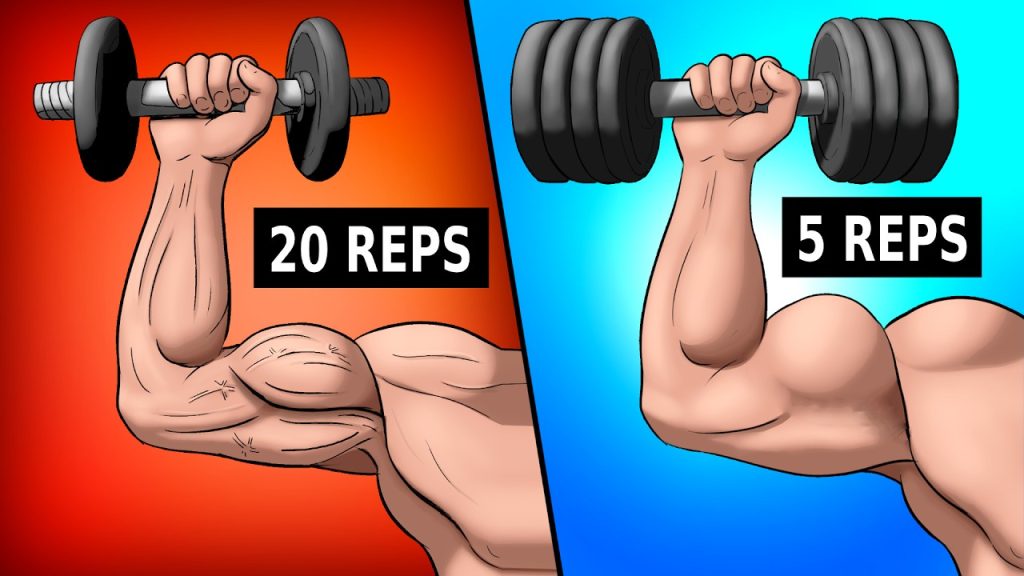
High reps focus on endurance. This method involves lifting lighter weights for many repetitions. It targets muscle endurance and toning. It’s ideal for those seeking lean muscle. On the other hand, low reps prioritize strength. This method requires lifting heavier weights for fewer repetitions. It builds muscle mass effectively. It’s best for those aiming for significant muscle growth.
Strength Gains Analysis
High reps improve muscle endurance. They do not significantly increase muscle size. Strength gains are slower. Low reps lead to rapid strength gains. Lifting heavier weights increases muscle size quickly. It enhances overall strength and power. Choosing between these depends on personal fitness goals. Both methods offer unique benefits for muscle development.
Factors Influencing Effectiveness
Building muscle with high reps and low weight depends on several factors. Consistent training, proper form, and balanced nutrition play crucial roles. Muscles grow when they are challenged and allowed to recover.
Factors influencing the effectiveness of high reps with low weight are crucial. Understanding these can help tailor workouts to individual needs. Various aspects play a role in how well this method builds muscle. Here are some key factors to consider.Genetics And Body Type
Genetics significantly affect muscle growth. Some people naturally build muscle faster. Body type also matters. Ectomorphs may struggle with muscle gain. Mesomorphs often find it easier. Endomorphs may gain muscle but struggle with fat loss. Knowing your body type helps in adjusting workout plans.Diet And Nutrition
Diet impacts muscle building. Protein is essential for muscle repair and growth. Carbohydrates provide energy for workouts. Healthy fats support hormone balance. Vitamins and minerals are vital too. They assist in recovery and energy production. Staying hydrated is equally important. Proper nutrition enhances workout effectiveness.
Credit: www.youtube.com
Common Misconceptions
Many people believe high reps with low weight can’t build muscle. This idea often leads to confusion and frustration. Misunderstandings in fitness can delay progress. Let’s explore these common misconceptions.
Debunking Myths
Some think only heavy weights build muscle. It’s not true. High reps with low weight can also be effective. This method increases muscle endurance. It doesn’t mean muscles won’t grow. Growth depends on the challenge to muscles. Any routine that challenges the muscles can lead to growth.
Realistic Expectations
High reps with low weight require time and patience. Don’t expect quick results. Muscle growth varies from person to person. Consistency is key to success. Track your progress and adjust as needed.
Balance is important. Mix high reps and low reps in your routine. This approach targets different muscle fibers. It helps in building overall strength and endurance. Always listen to your body and rest when needed.
Practical Recommendations
High reps with low weight can help build muscle endurance and definition. This approach improves stamina while still encouraging muscle growth. Ideal for those seeking a balanced fitness routine and gradual strength improvement.
Building muscle with high reps and low weight is a topic that sparks debate among fitness enthusiasts. Some swear by it, while others remain skeptical. If you’re considering this approach, it’s essential to know how to make it work effectively for you. Let’s dive into some practical recommendations that can help you maximize your results.Tailoring Workouts
It’s crucial to customize your workouts based on your current fitness level and goals. If you’re new to the gym, start with lighter weights and aim for 15-20 reps per set. This will help you build endurance and improve your form. As you progress, gradually increase the weight while maintaining high reps. Listen to your body. If you’re not feeling challenged, it might be time to add more weight. Keep a workout journal. Track your progress and adjust your routine every few weeks. This keeps your workouts fresh and prevents plateaus.Balancing Different Techniques
High reps with low weight should be one part of a balanced workout routine. Consider incorporating strength days with low reps and high weight. This combination can help in building both muscle size and strength. Mixing in different techniques like circuit training or supersets can keep your workouts engaging. It also challenges your muscles in new ways. Remember, nutrition plays a key role in muscle building. Fuel your body with protein-rich foods to support muscle repair and growth. Have you ever noticed how some days your energy levels soar while other days they plummet? Listening to your body and adjusting your workouts accordingly is a smart strategy. By taking these practical steps, you can effectively use high reps and low weight to build muscle. It’s about finding what works best for you and staying consistent with your routine.
Credit: m.facebook.com
Frequently Asked Questions
Is It Better To Build Muscle With Light Weights Or Heavy Weights?
Building muscle effectively requires using heavy weights for strength and light weights for endurance. Heavy weights boost muscle growth. Light weights improve stamina. Include both in your routine. Adjust weight based on your fitness goals and personal preference. Balance is key for optimal results.
Does The 6 12 25 Method Work?
The 6 12 25 method can be effective for some individuals. It promotes structured financial management and savings. Success depends on personal discipline and consistent application. Always tailor financial strategies to personal needs and goals for optimal results.
What Is The 2 2 2 Rule In The Gym?
The 2 2 2 rule in the gym suggests increasing weight after completing 2 extra reps for 2 sets over 2 workouts. This method aids in progressive overload, promoting muscle growth and strength. Adjust weights responsibly to avoid injury and ensure continued progress.
Can You Build Muscle With 3 Pound Weights?
Yes, building muscle with 3-pound weights is possible through high repetition exercises. Focus on controlled movements and proper form. Gradually increase intensity to challenge muscles further. Pair with a balanced diet and regular workout routine for optimal results. Consistency is key to achieving muscle growth with lighter weights.
Conclusion
Building muscle with high reps and low weight is possible. Focus on consistency and proper form. This method increases endurance and muscle tone. It suits beginners and those seeking lean muscle. Remember, nutrition plays a key role in muscle growth.
Balance workouts with a healthy diet. Rest is crucial for recovery and results. Experiment with different routines to find what works best for you. Listen to your body’s needs and adjust accordingly. Stay patient and committed. Results take time, but they will come.
Keep pushing forward, and enjoy your fitness journey.