Are you a student juggling late-night study sessions, hectic schedules, and the desire to stay healthy? You’re not alone.
Maintaining a balanced diet and staying fit can feel overwhelming, especially when your to-do list is already a mile long. But what if we told you that small changes in your daily routine could lead to significant improvements in your health and energy levels?
Imagine breezing through your classes with a clear mind and boundless energy. This article is your gateway to discovering simple and effective diet and fitness tips tailored just for students like you. Ready to unlock the secrets to a healthier, more energetic you? Let’s dive in!

Credit: www.researchgate.net
Importance Of Nutrition
Nutrition plays a vital role in students’ lives. It affects their energy, focus, and overall well-being. A balanced diet gives students the nutrients they need. Vitamins, minerals, and proteins are essential for growth and development. Eating well keeps the body healthy and the mind sharp.
Role In Energy Levels
Proper nutrition keeps energy levels stable throughout the day. Students need steady energy for classes and activities. Skipping meals or eating junk food leads to fatigue. Healthy snacks like fruits and nuts provide a quick energy boost. Drinking enough water is also crucial for maintaining energy.
Impact On Academic Performance
A nutritious diet supports better academic performance. Students who eat well can concentrate better in class. They have improved memory and cognitive function. Poor nutrition can lead to attention issues and lower grades. Eating breakfast helps students stay alert in morning classes.
Balanced Diet Tips
Eating healthy as a student doesn’t have to be complicated. Balancing your diet is about making smart choices without sacrificing your favorite foods. You might wonder, how do you balance it all with a hectic schedule and tight budget? Let’s dive into some practical tips that can transform your eating habits while keeping your mind and body sharp.
Essential Nutrients
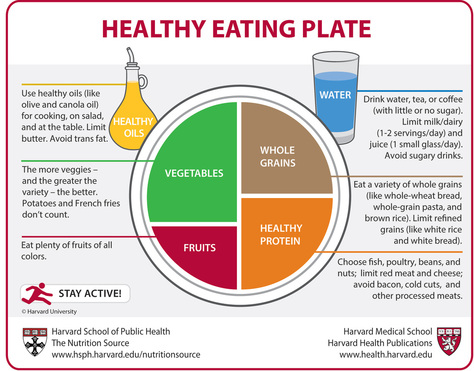
Think of essential nutrients as the building blocks for your health. Are you getting enough protein for muscle growth? How about carbohydrates for energy? Foods like eggs, chicken, and beans provide protein, while whole grains, fruits, and vegetables offer carbohydrates. Don’t forget about healthy fats from sources like avocados and nuts.
Are you missing out on vitamins? Vitamin C boosts your immune system—grab some oranges or strawberries. Iron supports your energy levels—consider spinach or lentils. Reflect on your meals: Are you including a variety of these nutrients daily?
Meal Planning For Students
Meal planning doesn’t have to be a chore. Start small—plan for a couple of meals at a time. Have you ever tried prepping meals on Sunday for the week ahead? It can save you time and stress. Cook once and eat twice; leftovers are your friend.
Do you struggle with what to cook? Simple recipes like stir-fried veggies with rice or pasta with tomato sauce can be nutritious and easy to make. Keep a list of favorite quick meals to avoid the last-minute fast food rush. What’s stopping you from planning your meals today?
Balanced eating is about variety and preparation. With these tips, you can take control of your diet and fuel your busy student life effectively. What changes will you make in your eating habits this week? Remember, small steps lead to big results!
Healthy Eating On A Budget
As a student, keeping up with healthy eating can be challenging, especially when you’re on a tight budget. But guess what? You can eat well without spending a fortune. Healthy eating doesn’t have to mean expensive meals. It’s all about making smart choices that fit your wallet and nourish your body. So, how can you enjoy nutritious meals without breaking the bank?
Affordable Superfoods
Superfoods might sound fancy, but many of them are surprisingly affordable. Take beans, for example. They’re packed with protein and fiber, and you can buy them in bulk to save money. Or think about oats, a versatile grain that’s great for breakfast or snacks. They keep you full and energized. Another budget-friendly superstar is spinach. It’s rich in vitamins and can be added to various dishes. You don’t need exotic ingredients to eat healthily; everyday foods can do the trick.
Smart Grocery Shopping
Shopping smart can make a big difference in your food budget. Plan your meals for the week and make a list before heading to the store. This helps prevent impulse buys. Look for sales and discounts, but don’t be swayed by flashy ads. Stick to your list. Consider buying store brands; they’re often cheaper and just as good. Another tip is to shop for seasonal produce. It’s usually fresher and more affordable. Have you ever tried buying frozen fruits and veggies? They’re nutritious and last longer. Smart shopping is your secret weapon.
Eating healthy on a budget is all about creativity and planning. What budget-friendly foods have you tried that surprised you with their taste and nutrition? Share your tips and let’s help each other stay healthy!

Credit: issuu.com
Fitness For Busy Students
Balancing academics, social life, and personal time can be a real challenge for students. You might feel there’s no room for fitness in your packed schedule. Yet, staying active is crucial for both physical health and mental sharpness. How can you squeeze in exercise without sacrificing study time or leisure activities?
Quick Workouts
Short, intense workouts can be a game-changer for you. Consider the power of a 10-minute workout during a study break. High-intensity interval training (HIIT) could be your best friend. It’s effective and can be done anywhere, even in your dorm room.
Think of it this way: a few minutes of jumping jacks, squats, and push-ups can boost your energy levels. You don’t need fancy equipment. Just your own body weight and a bit of space. Next time you’re in a time crunch, ask yourself, “Can I spare 10 minutes for a burst of energy?”
Incorporating Activity Into Routine
Finding time for fitness might be simpler than you think. You can turn everyday activities into mini workouts. Walk or bike to class instead of driving or taking the bus. Use stairs instead of elevators. Even pacing while reading can add steps to your day.
Consider how you can integrate movement into your study sessions. Stand up and stretch every 30 minutes. Set a timer to remind you. This not only breaks the monotony but also helps keep you alert. How can you make movement a natural part of your daily routine?
Remember, fitness doesn’t have to be a huge commitment. Small, consistent actions can lead to big results. What’s one small change you can make today to be more active? Embrace these tiny shifts and watch your energy soar.
Mindful Eating Practices
Mindful eating practices can greatly benefit students striving for a balanced lifestyle. These practices focus on understanding and responding to your body’s needs. Students often face busy schedules and constant distractions. Mindful eating encourages them to slow down. It helps them enjoy their meals and make healthier choices. By paying attention to what they eat, students can improve their overall well-being and academic performance.
Listening To Your Body
Listening to your body is essential for mindful eating. Recognize hunger and fullness cues. Don’t eat just because it’s lunchtime or others are eating. Tune into your body’s signals. Are you truly hungry, or is it thirst or boredom? Eating only when hungry prevents overeating. It also encourages healthier food choices.
Pay attention to how your body reacts to different foods. Notice which foods give you energy and which make you sluggish. This awareness helps you choose foods that support your health and study goals. Give your body the nutrients it needs to perform at its best.
Managing Stress And Cravings
Stress often triggers unhealthy eating habits. Students face exams, assignments, and social pressures. These can lead to stress eating. Mindful eating helps manage these cravings. Pause and ask yourself why you want that snack. Is it stress, boredom, or true hunger?
Practice stress-reducing activities like deep breathing or short walks. These can help manage cravings. Create a peaceful eating environment. Minimize distractions like phones or TV. Focus on enjoying each bite. This enhances satisfaction and reduces the urge to overeat.
By practicing mindful eating, students can maintain a healthier diet. This helps manage stress and improve focus. It also contributes to a better academic journey.

Credit: www.diabetescarecommunity.ca
Hydration And Its Benefits
Staying hydrated is crucial for student health and performance. Water supports many body functions. It helps with digestion, circulation, and temperature control. Proper hydration boosts concentration and energy levels. It even improves mood and memory. Students often overlook the importance of water. Yet, it plays a significant role in daily life.
Water’s Role In Energy
Water helps convert food into energy. Cells need water to function properly. Without it, the body struggles. Even slight dehydration can cause fatigue. Staying hydrated keeps energy levels up. It supports alertness and reduces tiredness. For students, this means better focus in class. More stamina for sports and activities.
Staying Hydrated Throughout The Day
Drinking water regularly is key. Aim for eight glasses a day. Carry a water bottle to class. Refill it during breaks. Drink after physical activity. Eat foods with high water content. Fruits like oranges and watermelons are great. Vegetables like cucumbers and tomatoes help too. Set reminders to drink water. Use phone apps or alarms. Staying hydrated can be easy with small habits.
Sleep And Recovery
In the quest for better health, sleep often gets overlooked. Students, juggling academics and social life, may sacrifice rest. Yet, sleep is crucial for recovery and overall well-being. It plays a vital role in physical fitness and diet management. Let’s dive into the importance of rest and its impact on fitness and diet.
Importance Of Rest
Rest is not just a break from daily activities. It is a necessary component for mental and physical health. During sleep, the body repairs tissues and muscles. This is essential for anyone engaged in physical activities. It helps in rejuvenating the body, preparing it for the next day. Quality rest improves concentration and mood. It enhances memory, aiding in academic performance.
Sleep’s Impact On Fitness And Diet
Sleep directly affects fitness levels. Lack of rest can lead to fatigue, reducing exercise efficiency. Consistent sleep improves energy levels, enabling better workout performance. It also plays a role in weight management. Poor sleep disrupts hormones that control appetite. This may lead to increased hunger and unhealthy eating habits. Adequate sleep balances these hormones, aiding in maintaining a healthy diet.
Frequently Asked Questions
What Are Healthy Diet Tips For Students?
Students should focus on balanced meals with fruits, vegetables, and proteins. Avoid processed foods and sugary drinks. Meal planning helps maintain a nutritious diet. Staying hydrated is key. Regular meals prevent energy dips. Snack wisely, choosing nuts or yogurt over chips.
These tips promote overall health and academic performance.
How Can Students Stay Fit In College?
Incorporate regular exercise routines like jogging, cycling, or gym workouts. Join college sports or fitness clubs for motivation. Use campus facilities, such as gyms or swimming pools. Short daily workouts are effective. Walking or biking to classes boosts fitness. Consistency is crucial for maintaining fitness amid academic pressures.
Why Is Breakfast Important For Students?
Breakfast provides essential nutrients that fuel the brain. It enhances concentration and energy levels. Skipping breakfast can lead to fatigue and reduced focus. Choose whole grains and proteins for sustained energy. A nutritious breakfast aids in better academic performance and mood stability.
It’s a vital start to a productive day.
How Do Diets Affect Student Mental Health?
Balanced diets improve mood and cognitive function. Omega-3 fatty acids support brain health. Avoid excessive caffeine and sugar, which can cause mood swings. Nutrient-rich foods enhance memory and concentration. Proper nutrition reduces stress and anxiety. Students should prioritize a healthy diet for optimal mental well-being.
Conclusion
Diet and fitness play key roles in student life. Healthy habits boost energy and focus. Balance is essential for well-being and academic success. Eating nutritious meals fuels the mind and body. Regular exercise keeps stress levels low. Both help maintain a healthy weight.
Students should plan meals and workouts. Consistency is crucial for long-term benefits. With the right approach, students can thrive. Embrace these habits for a healthier lifestyle. Make small changes every day. Progress takes time, but it’s worth it. Remember, every step forward counts.
Stay active, eat well, and see the difference.