Are you ready to transform your fitness routine and discover the thrill of cycling? If you’re a beginner looking to pedal your way to better health, you’ve landed in the right place.
Cycling is not just a sport; it’s a lifestyle that offers a fantastic workout while allowing you to explore the great outdoors. Imagine feeling the breeze on your face, building strength, and boosting your stamina, all while enjoying the freedom of the open road.
This cycling fitness program is tailored just for you, making it easy to start and stick with, regardless of your current fitness level. Whether you’re aiming to shed some pounds, increase your endurance, or simply find a fun way to stay active, cycling has something for everyone. You’ll discover simple strategies to get started, essential tips to keep you motivated, and a plan that fits into your busy schedule. Picture yourself confidently riding through scenic routes, feeling healthier and more energetic every day. This guide will equip you with everything you need to know to kickstart your cycling journey and keep you hooked. Ready to take the first step towards a fitter, happier you? Let’s dive in and get those wheels turning!
Getting Started
Starting a cycling fitness program can be exciting and rewarding. Cycling helps improve cardiovascular health and builds muscle strength. For beginners, the journey begins with a few key steps. This guide will help you navigate the essentials of starting your cycling journey.
Choosing The Right Bike
The first step is selecting the right bike. There are various types of bikes available. Road bikes are designed for speed on paved surfaces. Mountain bikes are great for off-road trails. Hybrid bikes offer a mix of both features. Consider where you plan to ride most often. Your comfort is crucial. Visit a local bike shop for advice. Test different bikes to find the perfect fit. A well-fitted bike prevents injuries and enhances your cycling experience.
Essential Gear And Accessories
Gear and accessories make cycling safer and more enjoyable. A helmet is a must-have for safety. It protects your head in case of falls. Padded cycling shorts enhance comfort during long rides. They reduce friction and prevent soreness. A water bottle and holder keep you hydrated. Staying hydrated is key for performance. A bike lock secures your bike when parked. A small repair kit helps fix minor issues. Tools like tire levers and a pump can be lifesavers. Don’t forget bike lights for visibility. Especially important if you ride in low light. Comfortable gloves protect your hands and improve grip. Sunglasses shield your eyes from dust and sunlight.
Setting Goals
Starting a cycling fitness program involves setting clear goals. Define your pace, distance, and weekly ride targets. Tracking progress keeps motivation high and ensures steady improvement.
Embarking on a cycling fitness program is an exciting journey. Setting goals is crucial for keeping you motivated and focused. Clear objectives can transform your cycling experience from a casual pastime to a rewarding fitness endeavor. Whether you aim to improve your stamina, shed a few pounds, or simply enjoy the ride, defining your goals is the first step towards success.Defining Your Fitness Objectives
Start by asking yourself what you want to achieve with your cycling program. Is it about boosting endurance, losing weight, or maybe just having fun while staying active? Write down your goals to make them tangible. Be specific. Instead of saying you want to “get fit,” aim to “cycle 20 miles a week.” This gives you a clear target and a sense of direction. Don’t shy away from adjusting your goals as you progress. As a beginner, it’s vital to stay flexible and realistic. Achieving smaller milestones can be incredibly motivating.Tracking Progress
How will you know if you’re getting closer to your goals? Keeping track of your progress is essential. Use a cycling app or a simple journal to log your rides. Record details like distance, time, and how you felt during each ride. This will help you see improvements over time, boosting your confidence. Regularly review your progress and celebrate your achievements. Did you cycle faster than last week? That’s a win! Recognizing these victories can keep you motivated. What if you aren’t meeting your goals? Instead of feeling discouraged, ask yourself what changes you can make. Maybe it’s time to tweak your routine or seek advice from fellow cyclists. Remember, setting and tracking goals is not about perfection. It’s about progress. Your journey is unique, and each pedal stroke is a step towards becoming a better you.Basic Techniques
Embarking on a cycling fitness program opens up a world of benefits. To gain the most, mastering basic techniques is key. These techniques help build a strong foundation. They enhance comfort, efficiency, and safety on the bike. Let’s dive into some essential techniques for beginners.
Correct Riding Position
Your riding position affects comfort and performance. Start by adjusting the saddle height. Your leg should be slightly bent at the lowest pedal point. Keep your back straight and relaxed. This reduces strain on your spine. Hands should rest lightly on the handlebars. Maintain a slight bend in the elbows. It absorbs shocks and enhances control.
Pedaling Efficiency
Efficient pedaling improves speed and reduces fatigue. Focus on smooth, circular pedal strokes. Push down and pull up in a continuous motion. This engages different muscle groups. Maintain a steady cadence, around 60 to 90 revolutions per minute. Gear selection plays a role too. Choose gears that allow smooth pedaling without overexertion.
Credit: greensafaris.com
Training Plan
Begin your cycling journey with this beginner-friendly fitness program. This plan builds endurance, strength, and confidence. Perfect for those new to cycling.
Starting a cycling fitness program as a beginner can be both exciting and challenging. A structured training plan is the backbone of your cycling journey. It will guide you through each stage, helping you develop the skills and strength needed to become a confident cyclist. A well-crafted plan not only outlines your weekly schedule but also focuses on building endurance. This approach ensures steady progress without overwhelming your body.Weekly Schedule
Creating a weekly schedule is the first step in organizing your cycling routine. Think about how many days you can dedicate to cycling each week. A balanced schedule might include three to four days of cycling, allowing for rest and recovery days. Example Schedule:| Day | Activity |
|---|---|
| Monday | Rest |
| Tuesday | Short Ride (30 mins) |
| Wednesday | Strength Training |
| Thursday | Moderate Ride (45 mins) |
| Friday | Rest |
| Saturday | Long Ride (60 mins) |
| Sunday | Recovery Ride (20 mins) |
Building Endurance
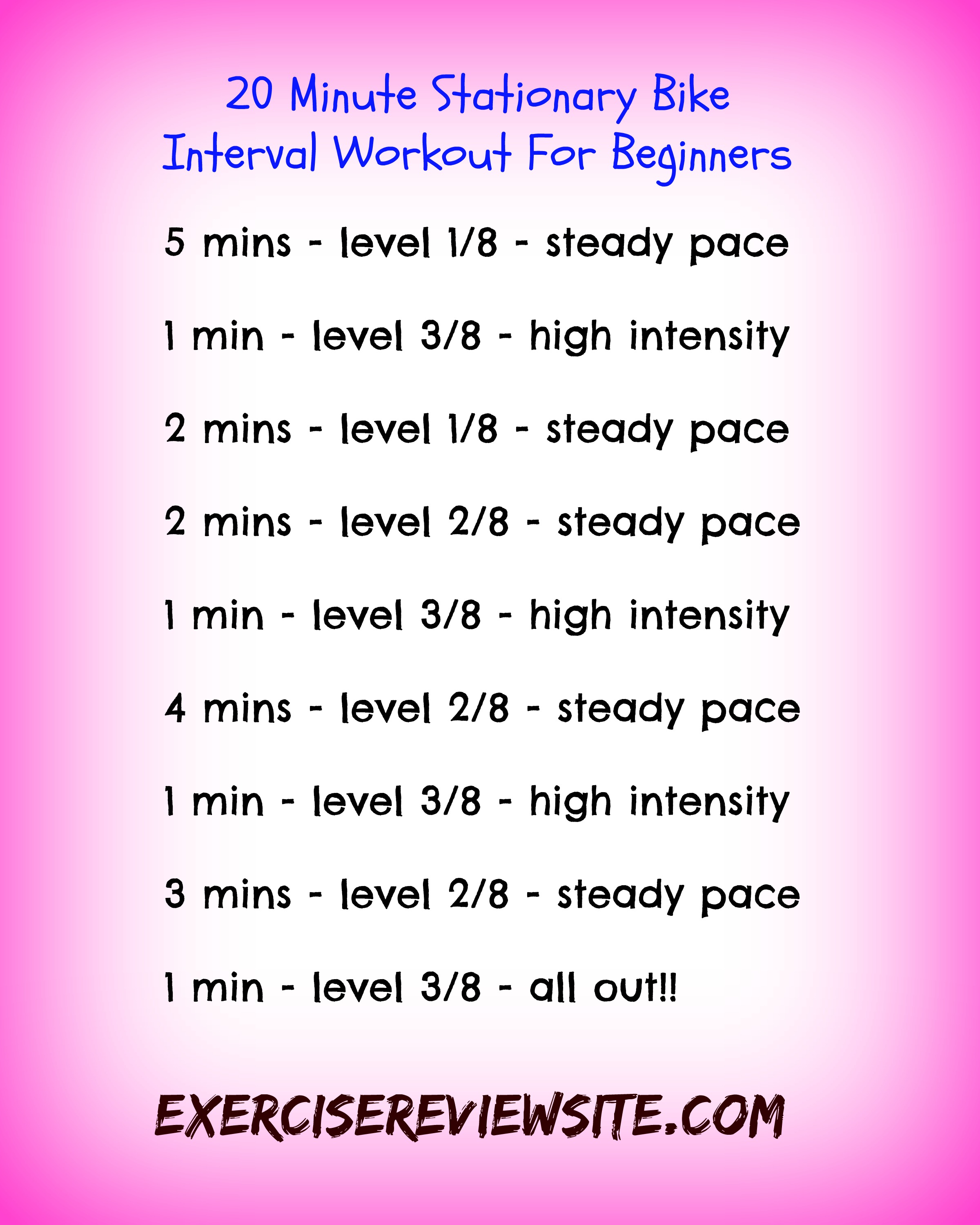
Endurance is key to becoming a successful cyclist. Start with manageable distances, gradually extending your rides. Focus on maintaining a steady pace rather than speed. This approach builds stamina without exhausting you. Incorporate interval training in your rides. Alternate between high-intensity bursts and relaxed pedaling. This technique boosts cardiovascular fitness and endurance. Keep a cycling diary to track your progress. Note down your ride durations, distances, and feelings post-ride. Reflecting on your journey can be motivating and insightful. Have you considered setting small goals? Achieving these can provide a sense of accomplishment and propel your progress. Remember, every cyclist was once a beginner. Your dedication will transform you into a skilled rider.Safety Tips
Embarking on a cycling fitness program is exciting for beginners. It’s essential to prioritize safety to enjoy the journey. Understanding safety tips helps in building confidence. This ensures every ride is smooth and secure.
Navigating Traffic
Traffic can be daunting for new cyclists. Always stay alert and aware of surroundings. Make eye contact with drivers when possible. Use hand signals to indicate turns or stops. Wear bright clothing for better visibility. Avoid busy roads during peak hours. Ride in bike lanes whenever available.
Weather Considerations
Weather can change quickly. Check forecasts before heading out. Dress appropriately for the conditions. Layer clothing for fluctuating temperatures. Wear waterproof gear on rainy days. Bring sunglasses for bright sunlight. Be cautious on wet or icy roads.

Credit: www.canva.com
Nutrition And Hydration
Proper nutrition and hydration support the cycling fitness program for beginners by boosting energy and recovery. Eating balanced meals fuels muscles, while drinking enough water prevents dehydration during rides. This combination enhances endurance and overall performance.
Embarking on a cycling fitness program as a beginner is exhilarating. Yet, it’s crucial not to overlook the role of nutrition and hydration in your journey. Fueling your body properly not only boosts your performance but also enhances recovery, keeping you motivated and injury-free. Let’s dive into some practical tips on how to maintain a balanced diet and stay hydrated while cycling.Balanced Diet For Cyclists
A balanced diet is the cornerstone of any fitness program. As a cyclist, you need a mix of carbohydrates, proteins, and fats. Carbohydrates are your primary energy source. Whole grains, fruits, and vegetables should be staples in your meals. Proteins are essential for muscle repair. Including lean meats, beans, or tofu can help your muscles recover after a ride. Don’t forget healthy fats, like those in avocados and nuts, which provide sustained energy. A friend once told me how changing her diet transformed her cycling experience. She felt more energetic and less fatigued after rides. How will adjusting your diet impact your cycling journey?Staying Hydrated
Hydration is equally critical. Your performance can drop significantly if you don’t drink enough fluids. Aim to drink water regularly throughout the day, not just when you’re on the bike. When cycling, take a water bottle with you. Sip at regular intervals, even if you’re not thirsty. On longer rides, consider electrolyte drinks to replenish lost salts. I once underestimated a long ride and paid the price with a headache and fatigue. That experience taught me the value of carrying an extra bottle of water. What’s your hydration plan for your next cycling session? By focusing on what you eat and drink, you’re setting the foundation for a successful cycling fitness program. Remember, the small changes you make today can lead to significant improvements in your performance and enjoyment tomorrow.Preventing Injuries
Starting a cycling fitness program helps beginners prevent injuries by building strength gradually. Consistent warm-ups and cool-downs protect muscles and joints.
Starting a cycling fitness program is an exciting journey, but it’s crucial to keep injury prevention in mind. Many beginners overlook this aspect, focusing solely on speed and distance. However, prioritizing safety can keep you on the bike and enjoying your rides longer.Stretching And Warm-up
Before you hop on your bike, take a few minutes to stretch and warm up. This simple step can make a huge difference in preventing injuries. Engage in dynamic stretches like leg swings and torso twists. These help loosen your muscles and prepare your body for cycling. A quick warm-up ride at a slow pace can also be beneficial. This gradually increases your heart rate and gets your blood flowing. You’ll feel more prepared and energized for your ride.Common Cycling Injuries
Understanding common cycling injuries can help you recognize and avoid them. Knee pain is a frequent complaint among cyclists. This often results from improper bike fit or overuse. Another common issue is lower back pain. Poor posture or a weak core can contribute to this discomfort. Don’t forget about wrist and neck pain. These can arise from holding the handlebars too tightly or straining to look up. How can you address these issues? Adjusting your bike to fit your body can alleviate a lot of these problems. Also, incorporate strength training exercises to support your cycling muscles. Have you ever felt that twinge of pain after a ride? Don’t ignore it. Listen to your body, and take rest days when needed. This proactive approach helps you enjoy cycling without setbacks.Maintaining Motivation
Starting a cycling fitness program is an exciting journey, especially for beginners. But keeping that initial spark alive can be challenging. How do you ensure that your enthusiasm doesn’t wane? The key lies in maintaining motivation. This isn’t just about having a goal; it’s about finding ways to keep your cycling routine fresh and engaging.
Setting New Challenges
One of the best ways to stay motivated is to set new challenges for yourself. Think about what excites you. Is it the thrill of conquering a steeper hill or beating your personal best time? Add these challenges to your routine.
- Set a goal to cycle a certain distance each week.
- Try tackling a new trail or route.
- Work on improving your cycling speed.
Keep pushing your boundaries. As you achieve these milestones, you’ll feel a sense of accomplishment that fuels your motivation. Remember, these challenges should be realistic yet ambitious.
Joining Cycling Groups
Another effective strategy to maintain motivation is joining cycling groups. Riding with others can make a huge difference. Why? Because it adds a social element to your fitness routine.
- You learn from more experienced cyclists.
- Group rides often lead to unexpected adventures.
- You have a support system that encourages you on tougher days.
Being part of a community transforms your cycling sessions into shared experiences. You might find yourself looking forward to group rides more than solo outings. Plus, the camaraderie and friendly competition can be incredibly motivating.
Maintaining motivation in your cycling journey is about keeping things dynamic and engaging. What strategies have you tried to keep your enthusiasm alive? Share your thoughts in the comments below and let’s inspire each other on this path to fitness!

Credit: www.health.com
Frequently Asked Questions
What Is The 80/20 Rule In Cycling?
The 80/20 rule in cycling suggests spending 80% of training at low intensity and 20% at high intensity. This approach optimizes performance and endurance, helping cyclists improve without overtraining. Balancing intensity levels ensures effective training, maximizing gains while minimizing fatigue and injury risks.
What Is The Best Cycling Workout For Beginners?
Beginners should start with short, steady rides focusing on endurance. Aim for 20-30 minutes at a moderate pace. Gradually increase duration and intensity as fitness improves. Include rest days for recovery. Cycling offers a great workout for cardiovascular health and leg strength.
Always ensure proper bike fit and safety gear.
How Long Should A Beginner Cyclist Ride?
Beginner cyclists should ride for 20-30 minutes per session. Gradually increase duration as stamina improves. Focus on comfort and enjoyment to maintain motivation. Consistent practice helps build endurance and confidence over time. Always ensure proper safety gear and hydration during rides.
How To Get Cycling Fit For Beginners?
Start with short, easy rides to build stamina. Gradually increase distance and intensity. Incorporate interval training for better endurance. Focus on proper nutrition and hydration. Ensure regular rest days for recovery.
Conclusion
Starting a cycling program boosts your fitness journey. It’s simple and fun. Remember to set small, achievable goals. Consistency is key. Stay motivated by tracking your progress. Listen to your body to avoid injuries. Mix up your routine to keep things fresh.
Enjoy the process, not just the results. Cycling can improve health, mood, and energy levels. You don’t need fancy gear to start. Just a bike and determination. Invite friends for more fun. A cycling program is a great way to stay active.
Enjoy the ride and the benefits it brings.