Are you ready to boost your health and discover the joys of cycling? A cycling fitness plan for beginners could be your perfect starting point.
Imagine feeling the wind in your hair while pedaling towards a fitter, healthier you. It’s not just about exercise; it’s about transforming your lifestyle in a fun and engaging way. You might wonder, “Where do I start? ” Or “How can I keep up the momentum?
” Don’t worry. You’re not alone, and this guide is here to help. We’ll explore simple steps that can seamlessly fit into your routine, making cycling an enjoyable habit rather than a chore. Keep reading, and you’ll find how easy it can be to pedal your way to better fitness.
Benefits Of Cycling
Starting a cycling fitness plan offers beginners an effective way to boost health. This gentle exercise improves heart health and builds muscle. Regular cycling enhances mood and increases energy levels, making it a fun and rewarding way to stay active.
Cycling is more than just a mode of transportation; it’s a gateway to a healthier, happier life. As you pedal your way through scenic paths or bustling streets, you’re not only boosting your physical health but also enhancing your mental well-being. Plus, cycling contributes positively to the environment, making it a win-win for both you and the planet. Let’s dive into the myriad benefits cycling offers and see how it can transform your fitness journey.Physical Health Advantages
Cycling is a full-body workout that strengthens your muscles, especially your legs and core. It’s gentle on your joints, offering a low-impact exercise that suits all ages. As you cycle regularly, you’ll notice improvements in cardiovascular fitness. Your heart and lungs work more efficiently, reducing risks of heart diseases. Cycling also aids in weight management. Burning calories becomes easier, and you can maintain a healthy weight without the stress of intense workouts.Mental Well-being Boost
Ever felt the rush of happiness after a bike ride? Cycling releases endorphins, the feel-good hormones that uplift your mood instantly. It’s a great stress reliever. Imagine leaving behind the pressures of daily life as you focus solely on the rhythm of your pedaling. Cycling can enhance your concentration and creativity. As your mind clears, new ideas emerge, making it a perfect activity for problem-solving or brainstorming sessions.Environmental Impact
Cycling is eco-friendly. By choosing to cycle, you reduce your carbon footprint, contributing to cleaner air. Fewer cars on the road mean less pollution. You’re actively helping combat climate change by pedaling instead of driving. Imagine a world with quieter streets and less noise pollution. Every time you choose your bike over a car, you’re advocating for a healthier planet. Have you ever considered how small changes in your daily routine, like cycling, can lead to big impacts on your health and environment? Embrace cycling and see the difference it makes!
Credit: new.dynamiccyclist.com
Setting Goals
Setting goals is crucial in any fitness journey. For beginners in cycling, it provides direction and motivation. A clear plan helps track progress and celebrate achievements. Let’s break it down into manageable steps to keep you on track.
Short-term Milestones
Short-term milestones keep motivation high. Start with simple targets like cycling three times a week. Aim for a specific distance, such as 5 miles. These small steps lead to bigger achievements. They help build confidence and endurance.
Long-term Vision
A long-term vision is your ultimate goal. It could be completing a 50-mile ride. Or perhaps participating in a local race. This vision keeps you focused on the big picture. It encourages consistent effort and dedication.
Tracking Progress
Tracking progress is essential. Use a journal or an app to record rides. Note the distance and time for each session. This information helps identify improvement areas. Celebrate each milestone reached. It boosts morale and keeps the journey enjoyable.
Essential Gear
Embarking on a cycling fitness journey begins with gathering essential gear. The right equipment ensures safety, comfort, and an enjoyable ride. Let’s explore key gear components for beginners.
Choosing The Right Bike
Selecting a bike tailored to your needs is crucial. Start with a basic road or hybrid bike. These types offer versatility for city and trail rides. Consider bike size and frame material. A proper fit avoids discomfort and injury.
Visit a local bike shop for expert advice. They can help with adjustments and recommendations. Test several bikes to find one that feels right. Comfort and control are priorities.
Safety Equipment
Safety gear is vital for every cyclist. Helmets are the most important item. Choose one that fits snugly and covers the forehead. Look for helmets with ventilation for hot days. High-visibility clothing and lights increase safety.
Invest in a reliable bike lock. It protects your bike during breaks. Ensure lights are bright and batteries charged. Reflective gear is useful for night rides.
Comfortable Clothing
Comfortable clothing enhances your cycling experience. Start with padded shorts. They reduce friction and discomfort during long rides. Look for moisture-wicking fabrics. These keep you dry and cool.
Consider cycling gloves. They provide grip and absorb vibrations. A lightweight jacket is perfect for unpredictable weather. Choose breathable materials for comfort.
Basic Cycling Techniques
Starting a cycling journey can be thrilling and rewarding. Knowing basic cycling techniques is vital for beginners. These techniques make rides safer and more enjoyable.
Proper Riding Posture
Good posture prevents discomfort and injuries. Keep your back straight and shoulders relaxed. Your elbows should be slightly bent. This absorbs shock and maintains balance. Adjust your seat height. Your knee should be slightly bent at the pedal’s lowest point.
Efficient Pedaling
Efficient pedaling increases speed and reduces fatigue. Focus on a smooth, circular motion. Push down and pull up evenly. Maintain a steady cadence between 60 and 90 RPM. This helps in conserving energy.
Handling Skills
Mastering handling skills boosts confidence on the bike. Practice braking smoothly. Use both brakes evenly to stop safely. Learn to steer by leaning your body. This helps in making tight turns. Always keep your eyes on the road ahead.
Creating A Training Schedule
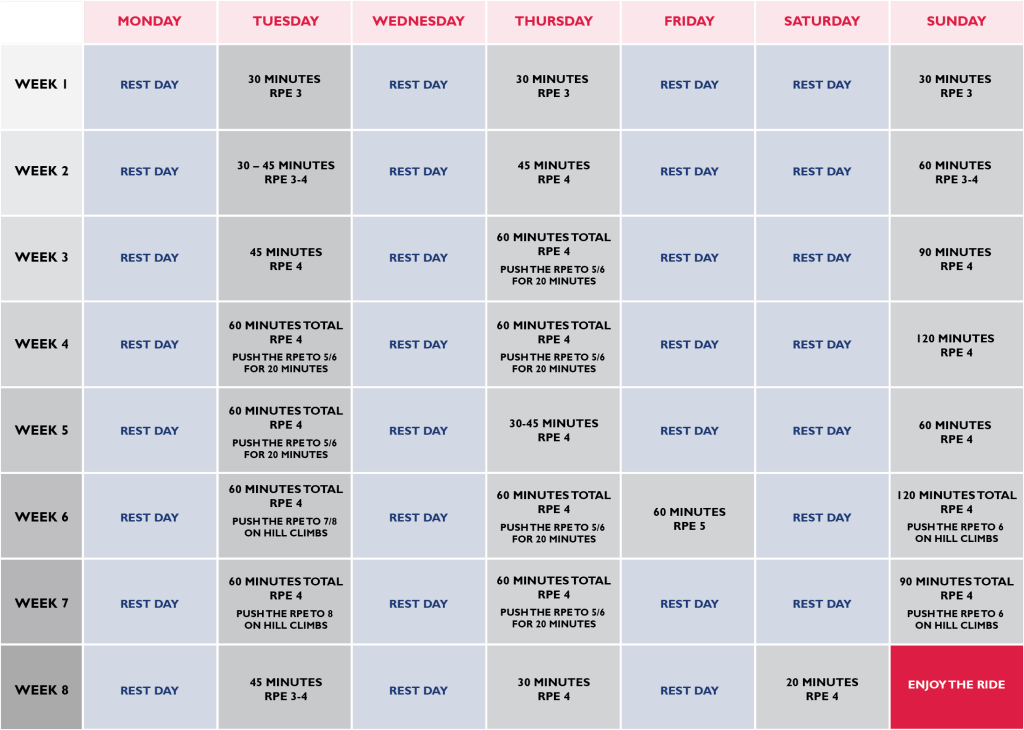
Creating a training schedule for beginners in cycling fitness involves starting slow and gradually increasing intensity. Focus on short rides and rest days to build endurance and strength. Consistency and balance are key to a sustainable and effective fitness plan.
Creating a training schedule for cycling beginners is a crucial step towards building stamina, strength, and confidence on the bike. It’s not just about hopping on your bike and pedaling away. Crafting a well-thought-out plan helps you stay committed, track progress, and avoid burnout. Imagine how rewarding it feels when you can measure your improvements week by week, all while maintaining balance in your life. Ready to map out your cycling journey? Let’s dive into the essentials of a beginner’s training schedule.Weekly Workout Plan
A structured weekly workout plan is your road map to success. Start by dedicating three days to cycling. You might choose Monday, Wednesday, and Saturday. Monday could be a moderate ride, focusing on maintaining a steady pace. By Wednesday, you might increase the intensity with some intervals. Saturday could be your long ride day, where you gradually increase the distance each week. This balanced approach helps you build endurance and strength steadily.Rest And Recovery
Recovery is as important as the workout itself. Rest days prevent injuries and help your muscles rebuild. Consider taking a break on Tuesday and Friday. You could do light stretching or yoga to aid recovery and improve flexibility. Listen to your body. If you feel exhausted, it’s okay to take an extra rest day. Remember, quality training includes giving your body time to recover and grow stronger.Incorporating Cross-training
Cross-training can be a game-changer for cyclists. Adding activities like swimming or running can enhance your cardiovascular fitness. Try including a swim session or a short run on Thursday. This keeps your routine fresh and exciting. It also helps you work different muscle groups, preventing overuse injuries. Have you ever felt stuck in a monotonous routine? Cross-training might be the breath of fresh air you need. Creating a balanced training schedule isn’t just for the pros. Even if you’re new to cycling, a thoughtful plan can propel you forward. Can you picture yourself conquering new routes and setting personal records? With the right schedule, it’s entirely within reach.
Credit: www.bicycling.com
Nutrition For Cyclists
Good nutrition is essential for anyone starting a cycling fitness plan. Eating right fuels your body for better performance. It helps you recover faster too. As a beginner, understanding nutrition will enhance your cycling experience. Let’s explore key nutritional aspects for cyclists.
Pre-ride Fuel
Eating before a ride gives you energy. Choose foods rich in carbohydrates. Bananas, oatmeal, or whole-grain bread are great options. Aim to eat 1-2 hours before cycling. This timing helps you digest food without feeling sluggish. Keep portions moderate for comfort.
Post-ride Recovery
After cycling, your body needs to recover. Eating protein helps repair muscles. A smoothie with protein powder works well. Include some carbs to replenish energy. Rice, pasta, or a sandwich are good choices. Eat within 30 minutes of your ride. This aids quick recovery.
Hydration Tips
Staying hydrated is vital for cyclists. Drink water before you start your ride. Take small sips during cycling. Use a water bottle for convenience. For longer rides, consider sports drinks. They replace lost electrolytes. Always listen to your body’s thirst signals.
Overcoming Challenges
Starting a cycling fitness plan is exciting, but challenges can arise. Many beginners face hurdles that test their commitment and progress. Recognizing these challenges is the first step to overcoming them. With the right mindset, you can push through and achieve your goals.
Dealing With Setbacks
Setbacks are part of any fitness journey. You might miss a session or feel tired. Don’t let this discourage you. Instead, view setbacks as learning opportunities. Adjust your plan and continue forward. Celebrate small victories to build confidence. Each ride brings you closer to your fitness goal.
Staying Motivated
Motivation can dip over time. Keep your enthusiasm alive with variety. Try different routes or ride with friends. Set short-term goals for quick wins. Tracking progress can also boost morale. Remind yourself why you started. Visualize the health benefits and sense of achievement.
Balancing Time
Juggling cycling with daily life can be tricky. Plan your rides around your schedule. Choose early mornings or weekends for longer sessions. Use cycling as a commute when possible. Prioritize your fitness without sacrificing other commitments. A structured routine makes balance achievable.

Credit: rinascltabike.com
Joining A Cycling Community
Join a cycling community to explore a beginner-friendly cycling fitness plan. Enjoy support, shared tips, and motivation from fellow cyclists. Start your journey towards better health and fitness with guided cycling routines tailored for beginners.
Cycling can be a solitary endeavor, but joining a cycling community brings a whole new dimension to your fitness journey. You get to meet people who share your passion, exchange tips, and find motivation in each other’s progress. Whether you’re a seasoned cyclist or just starting, being part of a community can boost your confidence and help you stay committed to your goals. Let’s explore how you can find your perfect cycling tribe.Finding Local Clubs
Discovering local cycling clubs is a great way to immerse yourself in the biking culture of your area. Do a quick online search to see what clubs are near you. Often, these clubs offer group rides catering to different skill levels. Visit your local bike shop; they usually have information on clubs and events. Getting recommendations from experienced cyclists can lead you to a club that matches your pace and personality. When I joined my local club, I made friends who shared tips on improving my cycling technique. Feeling part of a community made my rides more enjoyable and less daunting.Participating In Events
Events like charity rides, races, and cycling festivals are fantastic for meeting fellow cyclists and testing your skills. Sign up for a local event; it’s an excellent opportunity to make connections and challenge yourself. Even if you’re a beginner, participating in events gives you a sense of accomplishment. Seeing others push their limits can inspire you to do the same. Last year, I joined a local charity ride. The camaraderie was incredible, and it motivated me to cycle more regularly. Think about what events you could participate in to boost your enthusiasm.Connecting Online
The digital world offers endless possibilities for connecting with cyclists globally. Join online forums and social media groups dedicated to cycling. It’s a space to share experiences, ask questions, and find advice from seasoned riders. Apps like Strava allow you to track your rides and connect with other cyclists. Follow your progress and cheer on others as they share theirs. I joined a Facebook group focused on beginner cyclists. The support and encouragement I received helped me tackle longer rides with confidence. What online platforms could you explore to enhance your cycling journey? Joining a cycling community isn’t just about the physical benefits. It’s about being part of something bigger, sharing your journey, and finding joy in the ride. So, take the plunge and connect with others who pedal the same path.Frequently Asked Questions
What Is The 80/20 Rule In Cycling?
The 80/20 rule in cycling suggests training 80% at low intensity and 20% at high intensity. This balance optimizes endurance and performance, helping cyclists improve efficiency and overall fitness. Emphasizing varied workouts prevents burnout and enhances cycling skills over time.
How Long Should I Cycle As A Beginner?
Start with cycling 20-30 minutes, 3-4 times a week. Gradually increase duration and intensity as you build stamina. Listen to your body and rest when needed. Consistency is key for progress and enjoyment.
How To Get Cycling Fit For Beginners?
Start with short, regular rides, gradually increasing distance and intensity. Include rest days for recovery. Focus on proper nutrition and hydration. Practice hill climbs and interval training for strength and stamina. Prioritize consistent practice and listen to your body’s signals for best results.
Is 30 Minutes Of Biking A Day Enough Exercise?
Yes, 30 minutes of biking daily offers sufficient exercise. It boosts cardiovascular health, strengthens muscles, and burns calories. Consistent cycling enhances mood and improves fitness levels. Adjust intensity based on personal goals for optimal results. Always consult a healthcare professional before starting a new exercise routine.
Conclusion
Starting your cycling journey is a great choice for fitness. It strengthens muscles, boosts stamina, and improves heart health. Stick to your plan and track your progress. Celebrate small wins. Remember to stay safe and use proper gear. Listen to your body and rest when needed.
Consistency is key. Keep pedaling, and enjoy the ride. Cycling becomes easier with time and practice. Soon, you’ll notice improvements in your health. Enjoy every moment on the bike. Embrace the journey and keep moving forward. Your cycling adventure awaits.
Ready, set, cycle!