Are you serious about building muscle and achieving your fitness goals? The secret might just lie in understanding the perfect carb to protein ratio for muscle building.
Imagine having the power to unlock your full potential, seeing your efforts in the gym translate into visible results. This isn’t just about lifting weights; it’s about fueling your body the right way to maximize gains. You might be wondering how carbs and proteins can work together to boost your muscle growth.
This article holds the key to transforming your workout routine and accelerating your progress. Dive in and discover how the right balance can make all the difference in sculpting the physique you desire. Don’t miss out on this crucial piece of the muscle-building puzzle!
Credit: www.bulk.com
Ideal Carb To Protein Ratio
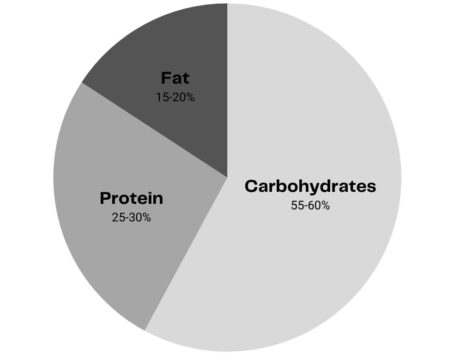
Finding the ideal carb to protein ratio for muscle building can be a game-changer in your fitness journey. Whether you’re looking to bulk up or maintain lean muscle mass, understanding the right balance between these macronutrients is crucial. But what does “ideal” really mean? It’s not just about numbers—it’s about how your body responds, how you feel during workouts, and the results you see in the mirror. Let’s dive into the specifics.
Balancing Macronutrients
Getting the right balance of carbs and protein is like tuning a musical instrument. Too much of one can drown out the benefits of the other. Aim for a ratio where protein supports muscle repair and carbs fuel your workouts. A common starting point is a 2:1 carb to protein ratio. This means for every gram of protein, you consume two grams of carbohydrates. But remember, your personal needs might vary.
During my initial muscle-building efforts, I focused heavily on protein. My energy levels were inconsistent, affecting my workout intensity. Adjusting the carb intake made a noticeable difference. Have you experienced similar ups and downs?
Role Of Carbs In Muscle Growth
Carbs are often misunderstood as mere energy providers. They play a vital role in muscle growth. When you consume carbs, your body stores them as glycogen in muscles. This glycogen is your fuel during high-intensity workouts. Without enough carbs, your muscles might feel sluggish and your performance could drop.
Think of carbs as the spark for your exercise engine. Eating enough of them can make your workouts more effective, ultimately aiding muscle growth. Consider how a slight increase in carb intake could boost your workout stamina. What changes might you notice?
Protein’s Impact On Muscle Repair
Protein is your muscle’s best friend, especially post-workout. It helps repair the tiny tears in muscle fibers that occur during exercise. The stronger these fibers grow, the more muscle you build. Aim for protein-rich foods like chicken, fish, and legumes to get your daily intake.
After a long workout session, a protein shake or meal can accelerate recovery. Once I started prioritizing protein post-exercise, my recovery times improved. Have you tried adjusting your protein intake based on workout intensity?
Ultimately, finding your ideal carb to protein ratio requires experimentation and attention to your body’s signals. Listen to what your body needs and adjust accordingly. What changes could you make today to optimize your muscle-building journey?
Credit: vitalstrengthblog.com.au
Benefits Of Optimal Ratio
Achieving the right carb to protein ratio can be a game-changer for muscle building. It’s not just about consuming more protein or cutting carbs; it’s about balancing them to maximize your muscle growth. This optimal ratio can lead to better recovery, enhanced performance, and sustained energy levels. Let’s dive into the benefits of getting this balance just right.
Enhanced Muscle Recovery
Ever felt sore for days after a tough workout? Balancing carbs and protein can help reduce that downtime. Protein helps repair muscles, while carbs replenish glycogen stores. This combination speeds up recovery. Imagine being able to hit the gym sooner and harder, thanks to less muscle fatigue.
Consider how you felt when you first discovered the magic of a post-workout smoothie. The blend of carbs from fruits and protein from yogurt helped you bounce back faster. That’s the power of the right ratio in action.
Improved Workout Performance
Think about your best workouts. What did you eat before hitting the gym? Carbs fuel your muscles, providing the energy needed for intense sessions. Protein supports muscle function and repair. Together, they enhance your performance.
Having a balanced meal of whole grains and lean protein before a workout can be the difference between an average session and a personal best. It’s about having the fuel to push through those last reps.
Sustained Energy Levels
Ever experienced a mid-workout slump? Balancing carbs and protein helps maintain steady energy. Carbs give you quick energy, while protein provides a slower release. This keeps you powered throughout your workout.
Remember the time you swapped a sugary snack for a balanced carb-protein bar? That simple change kept your energy up without the dreaded crash. It’s about smart choices that keep you going strong.
Isn’t it fascinating how a few dietary tweaks can transform your muscle-building journey? By focusing on the carb to protein ratio, you’re setting yourself up for success. Are you ready to take your workouts to the next level?
Factors Influencing Ratio
Understanding the ideal carb to protein ratio for muscle building involves several factors. It’s not just about following a generic plan; instead, it’s about tailoring your diet to your unique needs. These factors can significantly influence how effective your muscle-building efforts are. Let’s dive into these aspects and see how they can shape your nutrition strategy.
Individual Metabolic Rate
Your metabolic rate plays a crucial role in determining your carb to protein ratio. Some people have a faster metabolism, meaning they burn calories quickly. If you’re one of them, you might need more carbs for energy. Otherwise, you might feel drained during workouts.
On the other hand, if your metabolism is slower, more protein might be beneficial. It can help preserve muscle while keeping your energy stable. Have you ever noticed how your energy levels fluctuate with diet changes? That’s your metabolism at work.
Training Intensity And Volume
The intensity and volume of your workouts can dictate your carb to protein needs. High-intensity training typically requires more carbs for quick energy. Think of those intense sprint sessions or heavy lifting days.
Conversely, lower volume or endurance-based workouts may benefit from a balanced approach. Protein is essential for recovery and muscle repair. Have you ever felt fatigued after an intense workout? Adjusting your carb intake might make a difference.
Dietary Preferences
Your personal dietary preferences also matter. Do you favor a low-carb diet? If so, increasing protein could complement your muscle-building goals. This approach can help maintain muscle mass while keeping your carb intake controlled.
If you prefer a balanced diet with a variety of foods, you might find a moderate ratio works best. The key is to ensure your diet supports your training and recovery needs. What foods do you enjoy that could help balance your carb and protein intake?
By considering these factors, you can create a diet plan that truly supports your muscle-building journey. Adjust the ratios according to your needs and watch your progress soar.
Credit: rxfit.co
Carb Sources For Muscle Gains
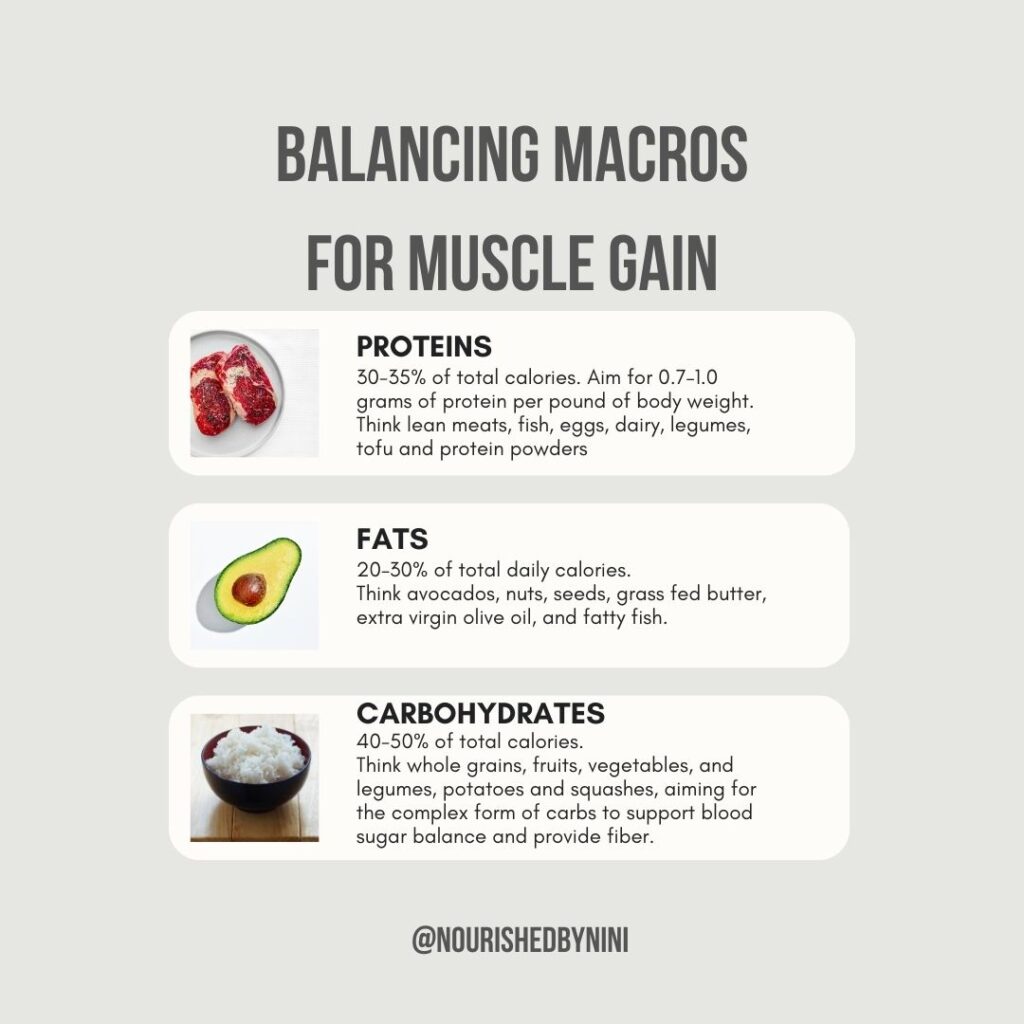
Building muscle isn’t just about lifting weights; it’s also about fueling your body with the right nutrients. Carbohydrates play a crucial role in muscle gains, providing the energy needed for intense workouts and aiding in recovery. But not all carbs are created equal. Understanding which carb sources to include in your diet can make a significant difference in your muscle-building journey.
Complex Vs. Simple Carbs
Imagine you’re prepping for a big workout. Complex carbs, like those found in brown rice and oats, release energy slowly, giving you sustained power. They keep you energized throughout your session. On the other hand, simple carbs, such as those in fruits, offer quick bursts of energy. You might find them helpful right before or after workouts for immediate fuel or recovery.
Balancing these carbs can be key. Have you ever felt sluggish during a workout? It might be time to reassess your carb sources. Opt for complex carbs for endurance and simple carbs for that quick energy boost.
Timing Of Carb Intake
Timing can be a game-changer. Eating carbs about 3-4 hours before your workout ensures your body has ample energy reserves. Consider having a meal with complex carbs, like whole grain pasta, well in advance.
Post-workout, your muscles are hungry for nutrients. This is the perfect time for simple carbs. Ever tried a banana or a smoothie right after exercising? It aids in replenishing glycogen stores, speeding up recovery.
Recommended Carb-rich Foods
Choosing the right foods can make a huge impact. Here’s a list to get you started:
- Sweet potatoes: Packed with vitamins and complex carbs.
- Quinoa: A great source of protein and slow-digesting carbs.
- Whole grain bread: Perfect for sandwiches post-workout.
- Berries: Quick energy and loaded with antioxidants.
- Oats: Ideal for breakfast or a pre-workout snack.
Have you ever tried switching up your carb sources? Maybe it’s time to experiment with these foods and see how your body responds.
Muscle building isn’t just about physical effort; it’s also about smart eating. What changes will you make in your carb choices for better gains?
Protein Sources For Muscle Gains
Balancing carbs and protein is essential for muscle building. Carbs provide energy, while protein repairs muscles. Optimal ratios enhance gains. Choose lean meats, beans, and quinoa for effective results.
When you’re aiming for muscle gains, choosing the right protein sources is crucial. Protein is the building block of muscle tissue, and getting the right type can make all the difference. But how do you decide between animal and plant proteins? And which foods should you prioritize in your diet? Let’s dive into some practical insights that can boost your muscle-building journey.Animal Vs. Plant Proteins
Animal proteins, like chicken, beef, and fish, are complete proteins. They contain all the essential amino acids your body needs for muscle growth. They tend to have a higher bioavailability, meaning your body can absorb and use them more efficiently. On the other hand, plant proteins, such as beans, lentils, and quinoa, are often incomplete, lacking one or more essential amino acids. However, combining different plant proteins can provide a complete amino acid profile. For instance, rice and beans together make a powerful protein duo. Have you considered mixing both animal and plant proteins in your diet? This approach can help you balance nutrients and support sustainable muscle growth.Protein Quality And Bioavailability
Protein quality refers to how well your body can utilize a protein source. High-quality proteins are rich in essential amino acids, which are vital for muscle repair and growth. Bioavailability is about how easily your body can digest and absorb these proteins. For example, eggs and whey protein have high bioavailability, making them excellent choices post-workout for quick muscle recovery. Are you ensuring your protein sources are both high-quality and bioavailable? It might be time to assess your meals for maximum muscle-building potential.Recommended Protein-rich Foods
To fuel your muscles effectively, focus on a variety of protein-rich foods. Here are some top choices: – Chicken breast: Lean and packed with protein, it’s a favorite among fitness enthusiasts. – Eggs: Versatile and nutrient-dense, they offer a perfect protein punch. – Quinoa: A complete plant protein that’s also gluten-free. – Greek yogurt: High in protein and probiotics, great for gut health. – Lentils: Affordable and rich in fiber, they’re a plant protein powerhouse. You might want to create a weekly meal plan that rotates through these options. This variety can keep your diet interesting and nutritionally balanced. Consider this: Are you aligning your protein intake with your muscle-building goals? By focusing on quality, bioavailability, and a mix of sources, you can optimize your diet for better results.Adjusting Ratio For Different Goals
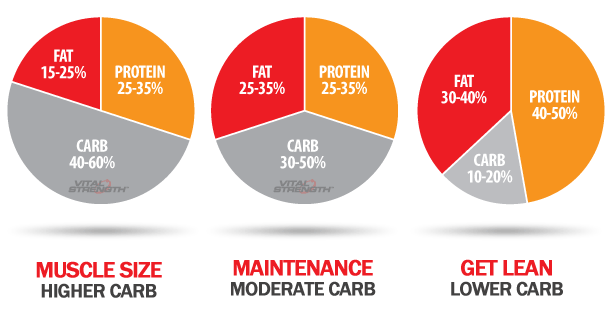
Finding the right carb to protein ratio can boost your muscle-building efforts. Different fitness goals require different ratios. Whether you’re bulking, cutting, focusing on endurance, or strength training, tweaking these ratios can help you achieve success. Understanding how to adjust these ratios can be a game-changer in your fitness journey.
Bulking Vs. Cutting
Bulking requires more calories and carbs. This helps fuel workouts and promotes muscle growth. A common ratio is 4:1, carbs to protein. This supports energy and muscle repair. Cutting, on the other hand, focuses on fat loss while preserving muscle. A 2:1 ratio, carbs to protein, is often recommended. This reduces calorie intake while maintaining muscle.
Endurance Vs. Strength Training
Endurance training demands more carbs. This provides energy for long sessions. A 4:1 ratio, carbs to protein, is ideal here. Strength training focuses more on muscle growth. A 3:1 ratio supports muscle repair and strength gains. This provides enough energy for heavy lifting.
Customization For Optimal Results
Each body is unique. Tailor your carb to protein ratio to fit your needs. Track progress and adjust as needed. Listen to your body. Increase carbs if energy is low during workouts. Add more protein if muscle recovery is slow. Experiment until you find what works best.
Common Mistakes To Avoid
Balancing carbs and proteins is crucial for muscle growth. Overloading on carbs can lead to excess fat, hindering progress. Prioritize adequate protein intake to support muscle repair and development.
In the pursuit of building muscle, many enthusiasts stumble. Understanding the right carb to protein ratio is crucial. It ensures optimal muscle growth and energy. Yet, common mistakes often derail these efforts. Let’s explore these pitfalls and how to avoid them.Overconsumption Of Carbs
Many assume more carbs mean more energy. That’s not always true. Eating excessive carbs can lead to fat gain. It also hinders muscle definition. Your body stores the extra carbs as fat. Balance is key. Opt for complex carbs like whole grains. They provide sustained energy.Insufficient Protein Intake
Protein is essential for muscle repair and growth. Many people don’t eat enough. Without enough protein, muscles can’t recover. This slows down muscle building. Include lean proteins in every meal. Options include chicken, fish, and beans. They help maintain a positive nitrogen balance. This is crucial for muscle growth.Ignoring Nutrient Timing
When you eat is as important as what you eat. Nutrient timing plays a big role. Eating the right foods at the right time boosts results. Post-workout meals should include protein and carbs. This helps with muscle recovery. It replenishes energy stores quickly. Plan meals around workouts for best results.Frequently Asked Questions
What Is The Best Carb To Protein Ratio For Muscle Building?
A 3:1 carb to protein ratio is ideal for muscle building. Carbs fuel workouts and protein repairs muscles. Adjust ratios based on personal goals and activity levels. Prioritize whole grains and lean proteins for optimal results. Always consult with a nutrition expert for personalized advice.
Is 40-40-20 A Good Macro Split?
A 40-40-20 macro split can be beneficial for muscle gain and weight loss. It includes 40% carbohydrates, 40% protein, and 20% fats. This balance supports energy levels and muscle recovery. Individual goals and needs vary, so adjust macros for optimal results.
Consult a nutritionist for personalized advice.
How Many Carbs And Protein Per Day To Build Muscle?
Consume 1. 6-2. 2 grams of protein per kilogram of body weight daily. Aim for 3-5 grams of carbohydrates per kilogram. Adjust based on personal goals and activity levels for optimal muscle growth.
Should My Protein Be Higher Than My Carbs To Build Muscle?
For muscle building, protein and carbs should be balanced. Protein repairs muscles, while carbs provide energy. Aim for a diet with adequate protein and complex carbohydrates. Consult a nutritionist for personalized advice.
Conclusion
Finding the right carb to protein ratio boosts muscle growth. Balance is key. Too many carbs can hinder progress. Too much protein isn’t helpful either. Listen to your body. Adjust your diet based on your needs. Remember to stay consistent with your intake.
Consistency builds strength over time. Muscles need both energy and repair. Carbs provide energy. Protein helps repair. A balanced diet supports fitness goals. Keep experimenting to find what works best. Stay patient and dedicated. Results will follow with time and effort.
Enjoy your journey to better health and strength.