Are you hitting the gym regularly but wondering if you can still build muscle without protein? You’re not alone.
Many fitness enthusiasts are curious about the role of protein in muscle growth and whether it’s possible to see gains without it. Maybe you’ve heard that protein is essential, but you’re not sure why. Or perhaps you’re trying to cut back on protein-rich foods and want to know if your efforts will still pay off in terms of muscle gain.
This article will unravel the truth behind muscle building without protein, providing insights that might surprise you and strategies that could transform your workout results. Dive in to discover how your body really works and what it truly needs to achieve your fitness goals.
Role Of Protein In Muscle Building
Protein supports muscle repair and growth. Can muscles grow without it? Harder, but possible with other nutrients.
Protein plays a crucial role in muscle building, acting as the building block for muscle growth and repair. It is essential for anyone looking to increase muscle mass, as it helps rebuild the muscle fibers that break down during exercise. You might wonder if you can still build muscle without it. Let’s explore how protein impacts muscle growth and whether you can achieve your fitness goals without it.What Does Protein Do For Your Muscles?
Protein helps repair and rebuild muscle tissues after workouts. When you lift weights or engage in resistance training, tiny tears form in your muscles. Consuming protein helps your body repair these tears, leading to muscle growth and increased strength.How Much Protein Do You Really Need?
The amount of protein you need depends on your activity level and goals. A general guideline is to consume 0.8 grams of protein per kilogram of body weight. If you’re actively trying to build muscle, you might need up to 1.6 grams per kilogram.Can You Build Muscle Without Protein Supplements?
You don’t necessarily need protein supplements to build muscle. Whole foods like chicken, fish, beans, and lentils provide ample protein. However, if you find it hard to meet your protein needs through diet alone, supplements can be a convenient option.What Happens If You Don’t Get Enough Protein?
Without enough protein, your body struggles to repair muscle tissue. This can lead to muscle loss over time. You might notice that you’re not gaining strength or muscle size as expected.Is It Possible To Build Muscle On A Low-protein Diet?
Building muscle on a low-protein diet is challenging but not impossible. Focus on quality over quantity. Include high-quality protein sources and ensure you’re getting enough calories to support muscle growth.Practical Tips For Meeting Your Protein Needs
– Plan Your Meals: Include a protein source in every meal. – Mix It Up: Rotate between different protein sources to keep your meals exciting. – Track Your Intake: Use apps to monitor your protein consumption and adjust as needed. Ever wondered how much protein you actually consume daily? Tracking your meals can reveal surprising insights. Ultimately, protein is a key component in muscle building. While you can make some gains without it, meeting your protein needs can significantly enhance your results. Are you ready to optimize your diet for muscle growth?Alternative Nutrients For Muscle Growth
Building muscle without protein might sound challenging, but alternative nutrients can play a significant role in muscle growth. You might be surprised to learn that carbohydrates, fats, vitamins, and minerals can support your muscle-building journey. Let’s dive into these nutrients and see how they contribute to your fitness goals.
Carbohydrates And Energy
Carbohydrates are essential for providing the energy needed during workouts. They fuel your muscles, allowing you to lift heavier weights and push through fatigue. Think about the last time you felt sluggish during a workout; it might have been due to low carb intake. Try incorporating whole grains, fruits, and vegetables into your meals. These sources offer sustained energy, perfect for those intense gym sessions.
Fats And Hormone Production
Fats are more than just a source of energy; they play a crucial role in hormone production. Testosterone, essential for muscle growth, relies on healthy fats. Ever wonder why athletes include avocados and nuts in their diet? These foods provide the healthy fats needed for optimal hormone function. Consider adding these to your snacks and meals to support muscle growth.
Vitamins And Mineral Support
Vitamins and minerals are the unsung heroes in the muscle-building process. They aid in recovery, reducing soreness and repairing tissue. Magnesium, for instance, helps in muscle contraction and relaxation. Next time you feel sore post-workout, check your intake of foods like spinach and almonds. These foods offer crucial nutrients that support muscle health.
Can you rely solely on these nutrients to build muscle without protein? It’s a thought-provoking question that challenges traditional beliefs. While protein is key, these alternative nutrients provide a foundation that complements your muscle-building efforts. What changes can you make today to enhance your fitness journey?
Plant-based Protein Sources
Can you still build muscle without protein? Yes, but it’s crucial to understand that protein plays a vital role in muscle growth and repair. Many believe animal protein is the only source, but plant-based proteins can be equally effective. By choosing the right plant-based sources, you can meet your protein needs while enjoying a diverse and flavorful diet. Let’s explore some excellent plant-based protein sources that can help you in your fitness journey.
Legumes And Beans
Legumes like lentils, chickpeas, and black beans are packed with protein and fiber. They are an excellent choice for muscle growth and offer a variety of vitamins and minerals. Have you ever tried a hearty chickpea salad or a spicy lentil soup? These dishes not only taste great but also provide substantial protein to fuel your muscles.
Consider adding beans to your meals regularly. You can make a delicious black bean burger or toss some kidney beans into your pasta. The possibilities are endless, and the benefits are significant.
Nuts And Seeds
Nuts and seeds are small in size but mighty in protein content. Almonds, walnuts, chia seeds, and flaxseeds are perfect snacks or additions to smoothies. Do you enjoy a crunchy texture in your meals? Sprinkle some roasted nuts on your salad or mix seeds into your yogurt.
These foods not only provide protein but also healthy fats that support muscle growth. Try making your own trail mix with a variety of nuts and seeds. It’s an easy way to boost your protein intake on the go.
Grains And Cereals
Grains like quinoa, barley, and oats are not only a source of carbohydrates but also contain protein. Have you ever had quinoa as a base for your vegetable stir-fry? It’s a nutritious and protein-rich option that can replace rice or pasta.
Start your day with a bowl of oatmeal topped with fruits and nuts. It’s a simple breakfast that packs a protein punch. Experiment with different grains in your meals, and you’ll find exciting ways to enhance your protein intake.
Are you ready to embrace plant-based protein sources? They offer variety, taste, and the ability to fuel your muscles effectively. What plant-based protein source will you try next?
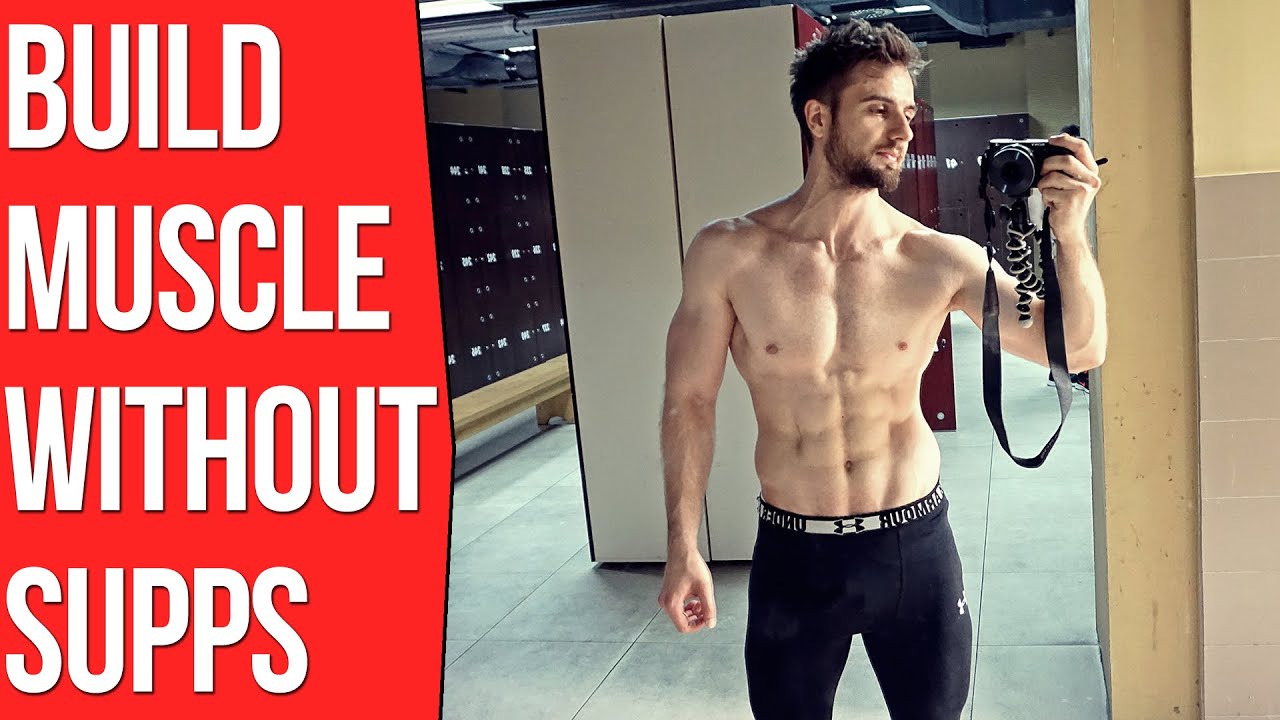
Credit: www.youtube.com
Protein-free Muscle Building Strategies
Building muscle without protein seems challenging but not impossible. Explore alternatives like strength training, adequate rest, and balanced nutrition. These methods support muscle growth by enhancing body efficiency and recovery.
Building muscle without protein might sound like trying to make a cake without flour. But, can you really pack on muscle without it? While protein is a critical component for muscle growth, there are strategies you can adopt to maximize your gains even when protein is not the star of the show. These protein-free muscle-building strategies can help you navigate this challenge effectively. Let’s dive into some practical techniques that can make a difference.Focus On Resistance Training
Engage in resistance training to stimulate muscle growth. Lifting weights or using resistance bands can push your muscles to adapt and grow. Aim for compound exercises like squats, deadlifts, and push-ups. These exercises work multiple muscle groups simultaneously, providing a comprehensive workout. Remember, consistency is key. Stick to a routine that challenges your muscles regularly.Prioritize Recovery And Sleep
Recovery is crucial. Your muscles need time to repair and grow after a workout. Make sure you get enough sleep. Aim for 7-9 hours per night to give your body ample time to recover. Ever noticed how a good night’s sleep makes you feel refreshed? That’s because during sleep, your body heals and strengthens itself, including your muscles. Listen to your body and rest when needed.Hydration And Muscle Function
Stay hydrated. Water plays a vital role in muscle function and recovery. It helps in nutrient transport and waste removal, keeping your muscles efficient. Dehydration can lead to cramping and fatigue, which can hinder your workouts. Try carrying a water bottle with you and sip throughout the day. Notice how even a slight increase in water intake can make a difference in your energy levels during workouts. So, what do you think? Can you take on these protein-free strategies and still achieve your muscle-building goals?Balancing Diet For Optimal Results
Building muscle without relying heavily on protein can be quite the puzzle. While protein is a key player in muscle growth, it’s not the only factor that contributes to your fitness journey. Balancing your diet for optimal results involves understanding how different nutrients work together to fuel your body. This isn’t just about cutting out protein; it’s about crafting a comprehensive meal plan that caters to your unique needs. Are you ready to discover how to make every bite count?
Creating A Balanced Meal Plan
Start by designing a meal plan that includes a variety of food groups. Think of your plate as a canvas where you can paint with colors and flavors. Combine carbohydrates like whole grains and starchy vegetables to give you energy. Add healthy fats from sources like avocado and nuts to support your body’s functions. Don’t forget about vitamins and minerals from fruits and veggies. They are the unsung heroes in your body’s performance.
Remember when you were a kid, and your mom insisted on eating your greens? Turns out, she was onto something. A balanced meal plan isn’t just about quantity; it’s about quality. A colorful plate can be more effective than a protein-heavy one.
Monitoring Macronutrient Intake
Tracking what you eat is crucial. While protein is often highlighted, carbohydrates and fats play significant roles too. Consider using a simple app or a food diary to keep tabs on your macronutrient intake. This can help you understand how much energy you’re consuming versus how much you’re expending.
Have you ever thought of your body as a machine that needs fuel to function? By monitoring your intake, you can adjust the fuel you provide, ensuring you have enough energy to power through workouts and daily activities.
Adjusting Caloric Needs
Your caloric needs are unique. Factors like age, gender, activity level, and goals influence how many calories you should consume. You might need to increase or decrease your intake based on your current fitness objectives.
Think of your body as a car engine. If you want it to run efficiently, you need to provide the right amount of fuel. Too much or too little can affect performance, just like in your fitness journey.
Have you ever tried adjusting your diet based on how you feel after a workout? Listening to your body’s signals can help you make smarter choices about your caloric needs.
Building muscle without protein isn’t impossible. It’s about understanding your body’s requirements and catering to them with a balanced approach. Are you ready to redefine your meal plan for optimal results?

Credit: thefitcareerist.com
Real-life Success Stories
Many believe protein is essential for muscle building. Yet, some thrive without it. Real-life success stories show it’s possible. These stories inspire those on unique fitness journeys. They prove that dedication can overcome dietary restrictions.
Athletes On Protein-free Diets
Some athletes choose plant-based diets. They avoid protein supplements. Jane, a marathon runner, is one such athlete. She relies on whole foods. Her meals include beans, nuts, and grains. Despite her diet, Jane’s performance remains strong. She completes marathons with impressive times.
Another inspiring story is Tom’s. He’s a bodybuilder with a unique approach. Tom avoids meat and dairy. Instead, he focuses on legumes and seeds. His muscles are well-defined. He competes successfully in bodybuilding contests. Tom credits his success to balanced nutrition.
Personal Transformations
Personal transformations often surprise and inspire. Sarah’s story is one of them. She weighed over 200 pounds. She decided to change her lifestyle. Sarah adopted a plant-based diet. She eliminated protein powders. Her focus was on fresh vegetables and fruits. Over time, she lost weight and gained muscle. Her energy levels soared.
Michael’s journey is equally inspiring. A busy professional, he lacked time for meal prep. He chose a simple, protein-free diet. His meals were rich in greens and whole grains. Over months, his physique transformed. Muscles became more defined. His experience shows the power of discipline and natural foods.
Expert Opinions And Research
Experts reveal that building muscle without protein is challenging. Protein is crucial for muscle repair and growth. Research suggests limited muscle development without adequate protein intake.
When it comes to building muscle, protein often takes center stage. But what if you’re not consuming enough protein? Can you still make gains? To answer this, let’s dive into expert opinions and research. This section will shed light on scientific studies and insights from nutritionists, helping you make informed decisions about your muscle-building journey.Scientific Studies On Muscle Growth
Scientific research has long emphasized the role of protein in muscle synthesis. Yet, some studies suggest it’s not the only factor. A study published in the Journal of the International Society of Sports Nutrition found that while protein is crucial, other factors like resistance training and overall calorie intake play significant roles. Interestingly, a research team at McMaster University discovered that individuals on a low-protein diet could still gain muscle mass if they maintained a calorie surplus and engaged in regular strength training. This suggests that while protein is important, it’s not the sole determinant of muscle growth. So, are you prioritizing your workouts and eating enough calories to support your fitness goals?Nutritionist Insights
Nutritionists often point out that focusing solely on protein might be limiting. Instead, they advise considering a balanced approach. For example, a well-rounded diet including carbohydrates and fats can provide the energy needed for intense workouts. Registered dietitian Jane Smith emphasizes the importance of carbohydrates in muscle recovery. According to her, carbs replenish glycogen stores, allowing you to train harder and recover faster. This, in turn, can indirectly support muscle growth even with lower protein intake. Are you ensuring a balanced diet that includes all essential nutrients? Nutritionist Tom Brown suggests looking at protein quality over quantity. Plant-based sources, like quinoa and lentils, can offer essential amino acids that are crucial for muscle repair and growth. So, diversifying your protein sources might be the key to consistent progress. The insights from experts and research highlight the complexity of muscle building. While protein is important, it’s not the only piece of the puzzle. How will you adjust your diet and training to optimize your muscle growth?
Credit: www.geneticnutrition.in
Frequently Asked Questions
Can You Gain Muscle Without Protein Intake?
Building muscle without protein is challenging. Protein is essential for muscle repair and growth. However, you can still make some progress with a balanced diet and strength training. Ensure you consume enough calories and other nutrients to support your fitness goals.
What Are Protein Alternatives For Muscle Growth?
For muscle growth, consider plant-based proteins like beans, lentils, and tofu. These foods provide essential amino acids needed for muscle repair. Combining different plant proteins can help achieve a complete amino acid profile, supporting muscle development.
How Important Is Protein For Muscle Building?
Protein is crucial for muscle building. It provides amino acids essential for muscle repair and growth. Without adequate protein, your body may struggle to recover and build new muscle tissue effectively. Including protein-rich foods in your diet supports optimal muscle development.
Can Carbs And Fats Aid Muscle Growth?
Carbs and fats play supportive roles in muscle growth. Carbohydrates provide energy for workouts, while fats support hormone production. Including healthy fats and complex carbs in your diet can enhance performance and support overall muscle-building efforts alongside protein intake.
Conclusion
Building muscle without protein is challenging. Protein fuels muscle growth. Alternatives exist. Plant-based sources can aid progress. Supplements help bridge gaps. Balance is key. Combine nutrients for optimal results. Focus on varied diet. Exercise plays a vital role. Consistency matters.
Track progress and adjust plans. Listen to your body’s needs. Understand personal goals. Protein is crucial but not the only factor. Aim for a healthy lifestyle. Keep learning, stay motivated, and adapt strategies. Muscle growth requires patience and dedication. Remember, every small step counts.