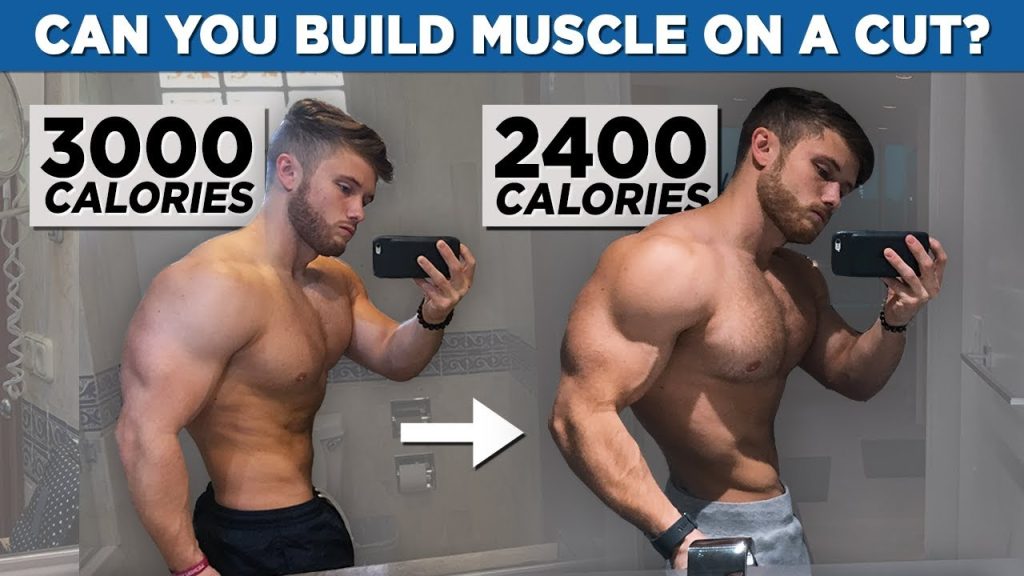
Have you ever wondered if it’s possible to build muscle while in a calorie deficit? Maybe you’ve been told that you can’t gain muscle without a surplus of calories.
Yet, here you are, eager to tone up while shedding those extra pounds. It’s a puzzle that many fitness enthusiasts like you face. Imagine achieving your dream physique without having to bulk up first. Sounds intriguing, right? You’ll discover how it’s not just a dream but a reality.
We’ll delve into the science behind muscle growth and calorie deficits, unravel myths, and reveal strategies that could transform your body composition. Keep reading to uncover the secrets that could redefine your fitness journey and help you achieve the results you’ve always wanted.

Credit: www.facebook.com
Muscle Growth Basics
Building muscle involves challenging your muscles through exercise. This leads to muscle fiber damage. The body repairs this damage, resulting in growth. Nutrition plays a crucial role in this process. Consuming the right nutrients helps support muscle repair and growth. Even in a calorie deficit, muscle growth is possible with the right strategy.
Role Of Calories In Muscle Building
Calories provide the energy needed for workouts and recovery. They fuel the body for exercise and repair. In a calorie deficit, the body may use stored energy for these processes. This can make muscle building more challenging. But it’s not impossible. Careful management of calorie intake is essential.
Importance Of Protein Intake
Protein is vital for muscle repair and growth. It supplies amino acids, the building blocks of muscle tissue. A high protein diet supports muscle maintenance even with fewer calories. Aim to include protein-rich foods in every meal. Think chicken, fish, beans, or tofu. This helps ensure your muscles get the nutrients they need.
Calorie Deficit Explained
Understanding how a calorie deficit works is essential for fitness goals. A calorie deficit occurs when you consume fewer calories than your body needs. This concept is key for weight loss. But many wonder if muscle growth is possible in this state.
Understanding Calorie Deficit
A calorie deficit means your body uses stored energy. You eat less than your body needs for daily functions. This forces your body to burn fat for fuel. It is a common strategy for shedding pounds. Yet, building muscle in a deficit is challenging. It requires careful planning and effort.
How It Affects Your Body
The body adjusts to fewer calories by slowing metabolism. It conserves energy and reduces muscle growth. The body prioritizes energy use over muscle building. Still, muscle growth can occur with high protein intake. Balance is crucial to avoid muscle loss. Exercise and nutrition must be aligned.
Calories play a role in muscle development. Consuming enough protein supports muscle repair and growth. Exercise also stimulates muscle fibers. This combination can help maintain muscle in a deficit.
Building Muscle On A Deficit
Building muscle while in a calorie deficit might seem like chasing two opposing goals. You want to shed fat, but also gain strength. Is it possible? Yes, with the right approach. Many people have successfully built muscle while cutting calories. The key is understanding how your body works and adapting your workouts accordingly. Here’s how you can make it happen.
Factors That Influence Muscle Gain
Several factors can impact your ability to build muscle while in a calorie deficit. Your protein intake is crucial. Are you consuming enough protein to support muscle repair and growth? Aim for a protein-rich diet, as it can help maintain muscle even when calories are low.
Another factor is your workout intensity. Are your workouts challenging enough to stimulate muscle growth? You need to push your muscles to adapt, even when you’re cutting calories. Consider adding weight or increasing reps to keep your muscles engaged.
Age and genetics also play a role. Younger individuals might find it easier to build muscle compared to older adults. Your genetic makeup can dictate how easily you gain muscle. But don’t let these factors discourage you. Focus on what you can control, like your diet and workouts.
Adapting Workouts For Muscle Preservation
When you’re in a calorie deficit, it’s essential to modify your workouts to preserve muscle. Are you focusing on compound exercises? These involve multiple muscle groups and can be more effective than isolation exercises for maintaining muscle mass.
Think about your workout frequency. Are you training often enough? Aim for regular workouts to keep your muscles active. It’s about finding the right balance—too little can lead to muscle loss, too much might exhaust you.
Consider the role of rest. Are you allowing enough recovery time? Rest is vital for muscle repair. Ensure you’re getting quality sleep and taking rest days. Your body needs time to rebuild and strengthen muscles.
Finally, listen to your body. Are you feeling overly fatigued? Adjust your workouts based on your energy levels. It’s okay to dial back if you feel drained. The goal is to maintain strength, not to push yourself to the brink.
So, can you still build muscle in a calorie deficit? Absolutely. But it requires a strategic approach. Evaluate your protein intake, adjust your workout intensity, and pay attention to recovery. With dedication, you can achieve both fat loss and muscle gain.
Role Of Nutrition
In the quest to build muscle while in a calorie deficit, nutrition plays a crucial role. It’s not just about eating less; it’s about eating smart. You need to fuel your body with the right nutrients to support muscle maintenance and growth, even when shedding those extra pounds. Nutrition isn’t just a background player; it’s at the forefront, guiding your muscle-building journey.
Key Nutrients For Muscle Maintenance
Protein is your best friend when it comes to muscle maintenance. It helps repair and build muscle tissues. Aim to include lean sources like chicken, fish, and beans in your meals. But don’t forget about healthy fats. They support hormone production, including those hormones vital for muscle growth.
Carbohydrates often get a bad rap, but they are essential for energy. Your muscles need glycogen, derived from carbs, to perform and recover after workouts. Consider whole grains and vegetables for your carb intake. They provide lasting energy without spiking your blood sugar.
Adjusting Macronutrient Ratios
Balancing macronutrients becomes even more critical in a calorie deficit. You might need to tweak your protein, carb, and fat ratios. Increasing protein intake can help preserve muscle mass. Imagine your plate; half of it could be protein, a quarter carbs, and a quarter fats.
Carbs should be timed around workouts. They can boost performance and recovery. You might want to eat more carbs before hitting the gym and less on rest days. It’s all about timing and balance. Your body will tell you what works best. Listen to it.
Fat shouldn’t be neglected either. Adjusting your fat intake can help keep your metabolism active. Ever noticed how you feel sluggish with low fat intake? Your body needs fat for energy and to absorb essential nutrients. Try adding avocados or nuts to your meals.
Are you paying attention to what you eat while trying to build muscle in a calorie deficit? The right nutritional adjustments can make all the difference. What changes have you noticed when you focus on nutrition?
Exercise Strategies
Building muscle while in a calorie deficit can be challenging. The right exercise strategies can make a big difference. By focusing on effective techniques, you can maximize your results. Let’s explore some powerful ways to train effectively.
Resistance Training Techniques
Resistance training is crucial for muscle growth in a deficit. Focus on compound exercises like squats, deadlifts, and bench presses. These exercises work multiple muscle groups at once. Aim for 4-6 sets of 6-10 reps per exercise. This helps maintain strength and muscle mass.
Keep your form correct to prevent injuries. Progressive overload is important. Gradually increase the weight or resistance over time. This keeps your muscles challenged and engaged.
Incorporating Cardio Wisely
Cardio helps burn calories, but too much can hinder muscle growth. Choose low-impact cardio like walking or cycling. Limit cardio sessions to 2-3 times a week. Keep them short, around 20-30 minutes each.
Avoid doing intense cardio right before or after lifting weights. This can tire your muscles. Save your energy for resistance training, which is key for muscle maintenance.

Credit: m.youtube.com
Common Myths
Building muscle while in a calorie deficit is often misunderstood. Many believe it’s impossible, but with proper nutrition and exercise, muscle gains are achievable. Focus on protein intake and strength training to optimize results.
Building muscle while in a calorie deficit is a topic surrounded by many myths. These myths can often mislead those trying to achieve both muscle growth and fat loss. Understanding these misconceptions is crucial to crafting an effective fitness plan that aligns with your goals.Debunking Muscle Loss Myths
Many people believe that muscle loss is inevitable when you’re in a calorie deficit. This simply isn’t true. With the right approach, you can maintain, or even build, muscle while shedding fat. The key lies in protein intake. Ensuring you consume enough protein helps preserve muscle mass. Your body needs amino acids from protein to repair and build muscle tissue, especially during periods of calorie restriction. Resistance training also plays a significant role. Lifting weights signals your body to maintain muscle. It’s about sending the right message to your muscles, letting them know they are needed. Have you ever tried cutting calories and worried you’d lose all your hard-earned muscle? It’s a common fear, but focusing on strength training and protein can help you overcome it.Misconceptions About Dieting And Strength
Another common myth is that dieting will drastically reduce your strength. While you might experience a slight decrease, it’s not a given that your strength will plummet. Balancing calorie intake with nutrient density is essential. Eating nutrient-rich foods fuels your workouts, even on a deficit. Think of lean proteins, whole grains, and plenty of vegetables. Timing your meals around workouts can also make a big difference. Consuming carbs and protein before and after exercise can enhance performance and recovery. I remember cutting calories for the first time and noticing my energy dip. By adjusting meal timing and focusing on nutrient quality, I found my strength remained relatively stable. Have you considered how small adjustments in your diet could lead to big improvements in maintaining strength? Understanding these misconceptions can empower you to make informed choices, leading to better results in your fitness journey.Success Stories
Achieving muscle gain while in a calorie deficit seems challenging. Yet, many have succeeded. Their stories inspire and educate. They show the power of dedication and smart planning. Learning from these stories can provide valuable insights and motivation.
Real-life Examples
John, a 28-year-old from Texas, wanted to lose fat but keep his muscle. He followed a high-protein diet and strength training plan. In six months, he lost 20 pounds of fat. Yet, he gained muscle and looked more toned.
Emma, a 35-year-old mother of two, balanced her calories carefully. She incorporated resistance exercises into her routine. Over a year, she shed 15 pounds. Her muscle definition improved, proving that deficits can work with the right plan.
Lessons Learned From Fitness Experts
Experts agree on the importance of protein intake. They recommend at least 1.6 grams per kilogram of body weight daily. This helps preserve muscle even in a deficit.
Consistency in training and nutrition is crucial. Sticking to a workout schedule ensures progress. Monitoring calorie intake helps maintain a deficit without sacrificing nutrients.
Rest and recovery play a vital role. Adequate sleep and rest days prevent burnout. They allow muscles to repair and grow even in a deficit.
Tips For Optimizing Results
Building muscle while in a calorie deficit is possible with smart strategies. Focus on high-protein meals to preserve muscle. Incorporate strength training regularly to stimulate muscle growth.
If you’re aiming to build muscle while in a calorie deficit, you’re likely facing a challenging yet achievable goal. Success hinges on a smart approach, emphasizing progress tracking, motivation, and fine-tuning your routine. Here are some practical tips to help you optimize your results and stay on track during this demanding phase.Tracking Progress Effectively
Keeping tabs on your progress is crucial when you’re in a calorie deficit. Use a journal or a fitness app to record your workouts, nutrition, and changes in body composition. This data provides valuable insights into what’s working and what needs adjustment. Celebrate small victories. Did you lift more weight this week or lose another inch from your waist? Recognizing these achievements keeps you motivated and confirms that your hard work is paying off. Photographs can be a powerful motivator. Snap regular photos to visually track your transformation. Sometimes, you may not notice changes in the mirror, but side-by-side comparisons over time can reveal significant progress.Staying Motivated During A Deficit
It’s easy to lose steam when you’re cutting calories, but maintaining motivation is key. Set clear, realistic goals that excite you. Whether it’s fitting into a favorite pair of jeans or lifting a new personal best, having something tangible to aim for keeps you focused. Accountability partners make a difference. Share your goals with a friend or join an online community where members support each other. Knowing someone else is cheering for you can provide that extra push on challenging days. Treat yourself occasionally. A small reward system can be incredibly motivating. If you’ve stuck to your plan all week, indulge in a small treat or enjoy a non-food-related reward like a new book or a movie night. These perks can make the journey enjoyable and sustainable. Have you considered how your mindset affects your journey? A positive outlook can turn obstacles into opportunities for growth. Reflect on your progress often and remind yourself why you started. This mindset shift can reignite your passion and drive.
Credit: sci-fit.net
Frequently Asked Questions
Can You Still Build Muscle With A Calorie Deficit?
Building muscle on a calorie deficit is possible, but challenging. Focus on high protein intake and strength training. Prioritize nutrient-dense foods to support muscle growth. Adequate sleep and recovery are crucial for success. Consistency and proper planning enhance results.
Will I Lose Muscle If I Go On A Calorie Deficit?
You might lose some muscle on a calorie deficit, especially without enough protein and strength training. Prioritize protein-rich foods and regular exercise to minimize muscle loss. Balancing your diet and workout routine helps maintain muscle while losing fat.
Can You Build Muscle On 1200 Calories A Day?
Building muscle on 1200 calories a day is challenging. This calorie intake is often too low for muscle growth. Muscles require adequate protein and energy. Eating more calories helps support exercise and recovery. Consult a nutritionist for personalized advice. Prioritize balanced nutrition and strength training for better results.
Can I Gain Muscle At 1500 Calories?
Gaining muscle on 1500 calories is challenging. It depends on individual metabolism, activity level, and nutrient quality. Prioritize protein intake and strength training. Monitor progress and adjust calories as needed for optimal muscle growth. Consulting a nutritionist or fitness expert may provide personalized guidance for muscle gain.
Conclusion
Building muscle in a calorie deficit is possible. Focus on protein intake. Maintain regular strength training workouts. Listen to your body. Adapt your routine as needed. Progress may be slow, but it’s achievable. Balance is key. Prioritize recovery and sleep.
Stay consistent with your efforts. Monitor your progress closely. Adjust your diet based on results. Remember, patience is crucial. Results come with time and dedication. Trust the process. Celebrate small victories along the way. Keep your goals realistic. Aim for steady progress rather than quick fixes.
Enjoy the journey to a stronger, healthier you.