Feeling like your best muscle-building days are behind you just because you’ve hit 40? Think again.
The truth might surprise you. Your body is a powerhouse, capable of strength and transformation at any age. Yes, even now. Imagine looking in the mirror and seeing not just your potential but your progress—a stronger, more defined you. This isn’t just wishful thinking.
It’s possible, and it’s within your reach. You might wonder if your body can still respond to workouts the way it once did. The answer is a resounding yes. Your muscles are ready to grow, and with the right approach, you can achieve impressive results. But here’s the kicker—it’s not just about physical change. Building muscle at 40 can boost your energy, improve your health, and lift your confidence. Intrigued? Dive into this article to discover how you can harness the power of your own body and defy expectations. Your journey to strength and vitality is just getting started.
Benefits Of Building Muscle At 40
Building muscle at 40 enhances strength and boosts metabolism. It improves bone health and reduces the risk of injury. Fitness routines tailored for this age can also promote better mental health and energy levels.
Building muscle at 40 isn’t just possible; it’s incredibly beneficial. As you age, maintaining muscle mass becomes crucial for your overall health and well-being. It’s not just about looking good; it’s about feeling strong, energetic, and empowered. Whether you’re a fitness enthusiast or someone who’s just getting started, building muscle at 40 can transform your life in unexpected ways. So, what are these benefits?Improved Metabolism
Adding muscle boosts your metabolism. More muscle means your body burns more calories even when you’re resting. This can help you manage your weight more effectively as you age.Increased Strength And Endurance
You may notice daily tasks becoming easier. Whether it’s lifting groceries or playing with your kids, increased strength from building muscle makes these activities more enjoyable. Your stamina improves, allowing you to engage in activities longer without feeling fatigued.Better Bone Health
Muscle building strengthens your bones. This reduces the risk of osteoporosis and fractures, which are common concerns as you get older. Weight-bearing exercises, like lifting weights, are particularly effective.Enhanced Mental Health
Physical activity has a profound impact on mental well-being. Building muscle can reduce symptoms of anxiety and depression. You may find yourself feeling more positive and less stressed.Improved Posture And Balance
Muscle strength supports better posture. This can alleviate back pain and prevent falls. Standing tall with confidence becomes second nature.Boosted Confidence
Achieving your fitness goals can be empowering. Noticing changes in your strength and physique boosts your self-esteem. You’ll carry this newfound confidence into all areas of your life.Social Engagement And Community
Joining a gym or fitness class can introduce you to new people. Shared fitness goals foster community and support. You may find new friends who motivate you to keep going. Isn’t it time to redefine what’s possible at 40? Building muscle not only enhances your physical health but also enriches your mental and social life. Are you ready to experience these benefits for yourself?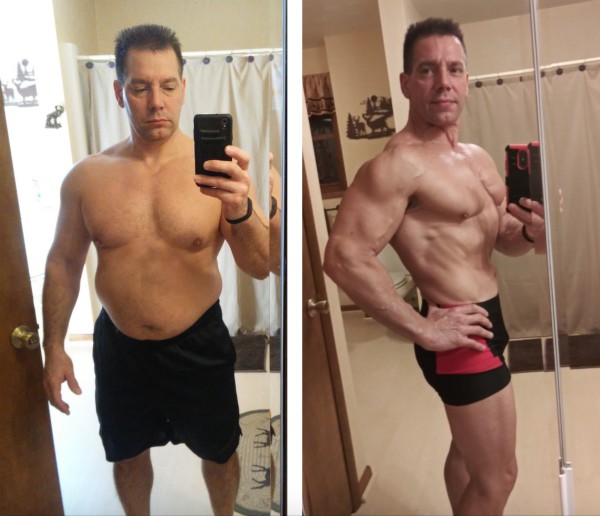
Credit: leehayward.com
Common Myths Debunked
Turning 40 might make you wonder if building muscle is still possible. Many myths surround the idea of fitness after 40, and it’s easy to fall into the trap of believing them. But don’t worry, we’re here to debunk these myths and show you that strong is ageless!
Myth 1: “it’s Too Late To Start”
Have you ever thought it’s too late to start lifting weights or hitting the gym? Many believe that muscle-building is only for the young. Yet, the reality is that your body can adapt and grow at any age. Consider Joe, who started weightlifting at 42. Within months, he noticed not only physical changes but also newfound confidence. If Joe can do it, why not you?
Myth 2: “your Metabolism Can’t Handle It”
Some say your metabolism slows down drastically after 40, making muscle gain impossible. While metabolism does change with age, it doesn’t shut down. Regular strength training can boost your metabolism, helping you burn calories more efficiently. Imagine your body as a car engine; with proper care, it runs smoothly. So, keep fueling it right and watch it perform!
Myth 3: “you Must Train Like You’re 20”
The idea that you need to train like a 20-year-old to see results is misleading. Your workout should match your current capabilities, not your past ones. When my uncle turned 45, he customized his workouts to fit his lifestyle, focusing on consistency over intensity. He found joy in gradual progress, proving that age-appropriate workouts can still be effective.
Myth 4: “recovery Takes Too Long”
Another common belief is that recovery takes forever at 40. While recovery might be slower, it doesn’t mean you can’t train effectively. Listening to your body and allowing adequate rest can enhance your performance. Have you ever tried yoga or meditation? These practices can expedite recovery, ensuring you’re ready for your next workout.
Building muscle at 40 is not only possible but also beneficial. By debunking these myths, you open the door to a healthier, stronger you. Are you ready to challenge what you’ve heard and start your journey? You might be surprised at what you can achieve. Remember, it’s not about defying age; it’s about embracing it with strength and determination!
Understanding Muscle Physiology After 40
Building muscle after 40 is possible. Many wonder how age affects muscle growth. As you age, your body undergoes changes. These changes influence muscle physiology. Understanding these changes helps in crafting effective fitness plans.
Age-related Muscle Changes
Muscle mass naturally declines with age. This process begins around 30. After 40, it accelerates. Muscle fibers reduce in number and size. The body’s ability to repair and grow muscle slows. These changes can impact muscle-building efforts.
Metabolic Rate Adjustments
Metabolism slows down after 40. This affects muscle growth. A slower metabolism means fewer calories burned at rest. Muscle-building requires energy. Adjusting diet and exercise can help counteract metabolic slowdown.
Hormonal Shifts
Hormones play a key role in muscle growth. Testosterone levels decline with age. This affects muscle synthesis. Growth hormone production also decreases. Understanding these hormonal shifts is crucial. Adjusting workout and nutrition can aid muscle development.
Recovery And Repair Changes
Recovery takes longer after 40. Muscle repair slows down. Adequate rest becomes essential. Overtraining can hinder progress. Listening to your body is vital. Balancing rest and activity ensures optimal muscle repair.
Optimizing Muscle Growth Strategies
Tailoring workouts for those over 40 enhances muscle growth. Focus on resistance training. Include compound exercises. Prioritize form over weight. Nutrition plays a critical role. Protein intake supports muscle synthesis. Hydration aids recovery.
Effective Training Strategies
Turning 40 doesn’t mean you have to give up on your muscle-building goals. In fact, with the right training strategies, you can make significant progress. The key is to adapt your workout routine to fit your body’s changing needs. Let’s dive into some effective training strategies that can help you build muscle at 40.
Strength Training Techniques
Strength training is essential for muscle growth. Focus on compound movements like squats, deadlifts, and bench presses. These exercises target multiple muscle groups and maximize your strength gains.
As you age, recovery becomes crucial. Consider reducing the weight and increasing the repetitions to avoid injuries. You might find that your muscles respond better to a higher volume workout.
Use free weights and machines interchangeably. This keeps your workouts varied and engaging. Have you tried using resistance bands? They offer a great alternative for adding intensity without heavy weights.
Incorporating Cardio
Cardio isn’t just for burning calories; it boosts your endurance and supports muscle recovery. Try low-impact activities like swimming or cycling to protect your joints.
Mix short bursts of high-intensity interval training (HIIT) with moderate cardio sessions. This combination can enhance your cardiovascular health without compromising muscle mass.
Do you notice feeling more energized after a brisk walk? Regular cardio can improve mood and stamina, making your strength workouts more effective.
Importance Of Flexibility
Flexibility is often overlooked but is vital at 40. Stretching can prevent injuries and improve your range of motion. Incorporate dynamic stretches before workouts and static stretches afterward.
Yoga or pilates can be excellent additions to your routine. They promote flexibility and core strength. Have you ever tried a yoga class? It can be a refreshing change and provides a different perspective on body movement.
Flexibility improves your form during exercises. This leads to better muscle engagement and reduced risk of strain. Do you want to lift weights with perfect form? Prioritizing flexibility might be your key.
Are you ready to adapt your training strategies for better results? As you embrace these methods, you’ll find that building muscle at 40 is not just possible, but deeply rewarding. What’s stopping you from starting today?
Nutrition For Muscle Growth
Building muscle at 40 is achievable with proper nutrition. Protein is essential for repairing muscles after workouts. Balanced diets with lean meats, beans, and nuts aid growth. Stay hydrated and consider supplements like creatine.
Building muscle at 40 might seem challenging, but with the right nutrition, it’s entirely achievable. As you age, your body’s nutritional needs change, especially when it comes to muscle growth. Understanding these needs and making informed choices can be your secret weapon in your fitness journey. Whether you’re rekindling an old passion for weightlifting or diving into it for the first time, nutrition plays a crucial role in muscle development. Let’s dive into how you can optimize your diet for better results.Protein Requirements
Protein is the building block of muscles. As you hit 40, your body might need a bit more protein to support muscle growth than it did in your 20s. Aim for about 1.2 to 2 grams of protein per kilogram of body weight daily. This might sound like a lot, but it’s doable. Think lean meats, fish, eggs, and plant-based proteins like beans and lentils. Don’t underestimate the power of timing. Consuming protein-rich foods after a workout helps repair and build muscles. If you’re not sure about portion sizes, try tracking your intake with a nutrition app. It can be a game changer in meeting your daily protein goals.Role Of Supplements
Supplements can be beneficial, but they aren’t magic pills. They are meant to complement your diet, not replace it. Whey protein is popular for muscle growth, and it’s easy to prepare. You might find it handy when life gets busy and you need a quick nutrition boost. Creatine is another supplement known to enhance muscle mass. However, always consult with a healthcare provider before starting any supplement. Consider your specific goals and any health conditions. Supplements should align with your overall nutrition strategy.Balanced Diet Tips
A balanced diet fuels your body with the necessary nutrients for muscle growth. Incorporate a variety of foods to ensure you’re getting vitamins and minerals that support muscle health. Whole grains, fruits, and vegetables should be staples in your meals. Hydration is crucial. Water aids in digestion and nutrient absorption, essential for muscle building. Carry a water bottle with you to remind yourself to drink regularly. Cooking at home can be fun and rewarding. Experiment with new recipes that incorporate lean proteins and colorful veggies. It’s a great way to stay motivated and make healthy eating enjoyable. Are you prioritizing the right nutrients in your diet? Reflect on your current eating habits and consider where you might want to make changes. Small, consistent tweaks can lead to big gains over time.Recovery And Rest Importance
Building muscle at 40 is possible with the right approach. Prioritizing recovery and rest is crucial, as it helps prevent injuries and enhances muscle growth. Proper sleep and relaxation allow muscles to repair, making workouts more effective.
As you hit 40, the importance of recovery and rest in your muscle-building journey becomes more pronounced. Your body doesn’t bounce back as quickly as it did in your twenties. However, with the right strategies, you can still make impressive gains. Prioritizing recovery and rest will not only help you build muscle but also keep you motivated and injury-free. Let’s explore how sleep and stress management play crucial roles in this process.Sleep’s Role In Muscle Repair
Quality sleep is essential for muscle growth. During sleep, your body goes into repair mode, fixing any muscle damage from workouts. Aim for 7-9 hours of sleep each night to optimize this repair process. You might notice that skimping on sleep leaves you feeling weak and unmotivated. Consistent rest helps maintain your energy levels, allowing you to push harder in your workouts. Consider creating a bedtime routine to signal your body it’s time to wind down. What about those late-night Netflix binges? They can wait. Prioritize sleep as much as you prioritize your workouts. It’s a key component of your fitness success.Managing Stress
Stress can sabotage your muscle-building efforts. High stress levels increase cortisol, a hormone that can break down muscle tissue. Finding ways to manage stress is crucial for maintaining your hard-earned gains. Think about incorporating stress-relief activities into your daily routine. This could be as simple as a 10-minute meditation or a walk in nature. These activities can help lower cortisol levels, promoting better recovery. Are you constantly juggling work, family, and fitness? It’s important to find a balance that keeps stress in check. By managing stress effectively, you’ll not only improve your muscle growth but also enhance your overall well-being. By focusing on sleep and stress management, you’ll set a strong foundation for muscle building at any age. What are your strategies for ensuring recovery and rest? Share them with us in the comments below!Tracking Progress And Setting Goals
Age is just a number when building muscle at 40. Setting clear goals and tracking progress are key. Consistency in workouts and nutrition helps achieve desired muscle growth.
Reaching the age of 40 doesn’t mean you have to give up on building muscle. In fact, it can be an exciting phase of your fitness journey. Tracking your progress and setting realistic goals is crucial to ensure you’re moving in the right direction. Let’s dive into how you can effectively monitor your muscle growth and adjust your fitness goals to keep seeing results.Monitoring Muscle Growth
Tracking muscle growth can be incredibly motivating. Use tools like measuring tape, a scale, or a fitness app to monitor changes in muscle size and body composition. Regularly taking progress photos can also offer visual proof of your hard work. Consider keeping a workout journal. Write down the exercises you perform, the weights you lift, and how you feel during and after workouts. This helps you notice patterns and improvements over time. Are you seeing the results you want? If not, it might be time to tweak your routine. Adjusting your workout intensity or frequency can make a big difference.Adjusting Fitness Goals
As you track your progress, you might find your goals need some fine-tuning. Did you set a goal to bench press a certain weight? Celebrate small victories along the way, like increasing the weight you lift by even a few pounds. Sometimes, life throws curveballs, and your priorities shift. It’s okay to adjust your goals to fit your lifestyle. Maybe you need to focus more on flexibility or endurance rather than just muscle size. Ask yourself what you truly want to achieve. Is it more about looking fit, feeling stronger, or a combination of both? Your answer can guide your goal-setting process. Remember, your journey is unique. What works for someone else might not work for you. Stay flexible and open to adjusting your path as you learn what your body responds to best.
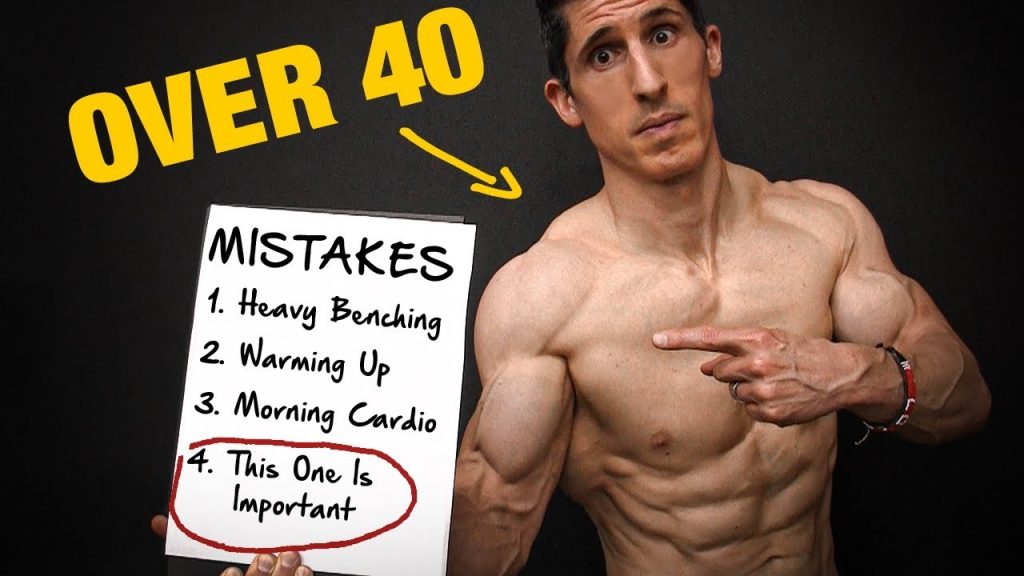
Credit: www.youtube.com
Staying Motivated And Consistent
Building muscle at 40 might seem challenging, but staying motivated and consistent is key to achieving your fitness goals. The journey isn’t just about lifting weights; it’s about lifting your spirits and keeping your eyes on the prize. Motivation fuels your workouts, while consistency ensures those efforts translate into tangible results. How can you maintain that fiery determination day after day?
Finding Support Systems
No one succeeds alone. Surround yourself with people who uplift and encourage you. Whether it’s a friend who joins you for workouts or an online community where you share progress, support is crucial.
Consider joining a local gym where trainers can provide guidance. They can offer personalized advice that suits your age and fitness level. Connect with others who have similar goals, forming a network that pushes you forward.
Think about how accountability can drive you. Having someone to check in with can make all the difference. Who will be your cheerleader on this muscle-building journey?
Celebrating Milestones
Progress deserves recognition. Celebrate small victories to boost your morale. Maybe it’s lifting a bit more than last week or sticking to your routine despite a hectic schedule.
Keep a journal to track your progress. Seeing how far you’ve come is motivating. It reminds you of your resilience and dedication.
Create reward systems for reaching milestones. Treat yourself to a new workout outfit or a day off to relax. What rewards will keep you motivated?
Remember, building muscle at 40 is entirely possible. It requires motivation, consistency, and a solid support system. Celebrate every step forward, because each one gets you closer to your goal. What will you do today to keep moving towards your fitness aspirations?
Success Stories And Inspirations
Building muscle at 40 is entirely possible. Many find inspiration in success stories of those who achieved it. Age is just a number when it comes to fitness goals.
Embarking on the journey to build muscle at 40 isn’t just a possibility—it’s a reality for many who refuse to let age define their limits. Success stories and inspirations abound, proving that determination and the right approach can lead to impressive transformations. Whether you’re seeking motivation or practical advice, these stories offer valuable insights into achieving fitness goals later in life.Personal Triumphs: Real People, Real Results
Consider John, who decided to overhaul his fitness routine at 42. He started with simple bodyweight exercises, gradually incorporating weights. Within a year, he saw noticeable muscle growth and improved strength. John’s story emphasizes the importance of consistency and patience. Then there’s Sarah, a mother of three, who embraced weightlifting in her mid-40s. With limited time, she focused on short, intense sessions. Her efforts paid off, enhancing her muscle tone and boosting her energy levels. Sarah’s success underscores the value of efficient workouts tailored to fit busy schedules.Celebrity Inspirations: Age Is Just A Number
Celebrities like Hugh Jackman and Jennifer Lopez demonstrate that building muscle at 40 and beyond is achievable. Hugh, famous for his Wolverine physique, maintained his muscular build through rigorous training and a disciplined diet. His example shows that dedication and a clear goal can lead to exceptional outcomes. Jennifer Lopez, known for her toned physique, incorporates strength training into her routine. Her commitment to fitness serves as a reminder that age should never be a barrier to achieving your desired body shape. These celebrity stories can inspire anyone to push beyond perceived limits.Community Support: Finding Your Tribe
Joining a community of like-minded individuals can be a game changer. Many people find motivation and support through fitness classes or online forums. Sharing challenges and victories with others creates a sense of accountability and encouragement. Think about joining a local gym or online fitness group where members share tips and experiences. This camaraderie can boost your confidence and keep you on track. When you surround yourself with those who share similar goals, you’re more likely to succeed.What’s Your Story?
Have you ever considered the impact your own success story could have on others? Reflect on what inspired you to start your fitness journey and how you overcame obstacles. Sharing your experiences might motivate someone else to take the first step. Imagine the ripple effect your journey could have. What lessons have you learned that could benefit others striving to build muscle at 40? Your insights could be the inspiration someone needs to start transforming their life.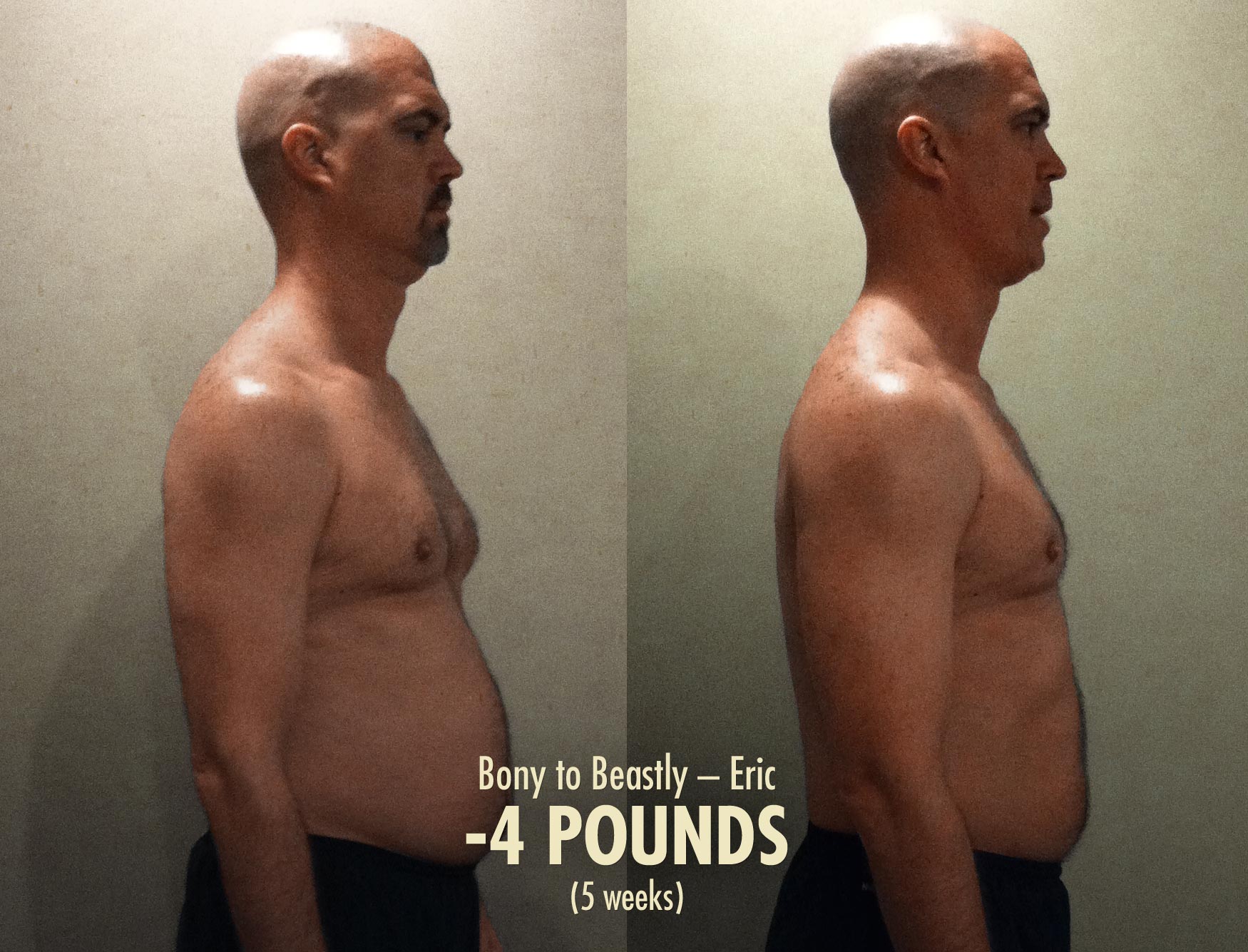
Credit: bonytobeastly.com
Frequently Asked Questions
Is It Harder To Build Muscle At 40?
Building muscle at 40 is possible but may require more effort. Aging can impact recovery and muscle growth. Focus on strength training, nutrition, and rest. Adjust workouts to suit your body’s needs. Consistency and dedication are key to overcoming age-related challenges in muscle building.
What Exercises Are Best For Muscle Gain At 40?
For muscle gain at 40, prioritize compound exercises like squats, deadlifts, and bench presses. These exercises engage multiple muscle groups, promoting muscle growth effectively. Combine them with resistance training and include flexibility exercises. Tailor workouts to your fitness level for optimal results.
How Often Should I Work Out At 40?
Aim to work out 3-5 times a week at 40. Focus on a balanced routine incorporating strength training, cardio, and flexibility exercises. Ensure proper rest and recovery between sessions. Listen to your body and adjust frequency based on your fitness goals and personal needs.
Can Diet Affect Muscle Building At 40?
Diet plays a crucial role in muscle building at 40. Consume protein-rich foods like lean meats, eggs, and legumes. Include healthy fats and carbohydrates to fuel workouts. Stay hydrated and consider supplements if needed. A balanced diet supports muscle growth and overall fitness.
Conclusion
Building muscle at 40? Yes, it’s possible. Start with a plan. Focus on strength training. Eat balanced meals. Rest is crucial. Listen to your body. Adjust workouts if needed. Consistency is key. Results will come over time. Enjoy the process.
Feel stronger. Gain confidence. Age is just a number. Your dedication matters more. Keep pushing forward. Celebrate small wins. Every step counts. Stay motivated. Your journey, your rules. Embrace the challenge. Fitness has no age limit. You got this!