Are you caught in the constant struggle between losing fat and building muscle? Do you often wonder if it’s possible to achieve both goals simultaneously?
You’re not alone. Many people face this dilemma, and the truth might surprise you. Imagine fitting into your favorite clothes, feeling stronger, and being healthier—all at the same time. The good news is that this isn’t just a dream. It’s entirely achievable, and you can do it too.
You’ll uncover practical tips and insights that will guide you on how to shed fat while gaining muscle, all tailored to fit seamlessly into your busy life. Stay tuned, because the secret to transforming your body is just a few scrolls away.
Understanding Body Composition
Understanding body composition is crucial for fitness goals. It reveals the balance between fat, muscle, bone, and water in the body. Knowing this helps tailor workouts and nutrition plans. It guides you to achieve both fat loss and muscle gain.
What Is Body Composition?
Body composition measures the percentage of fat, muscle, and other tissues. It’s different from just tracking weight. Weight doesn’t tell the full story. Muscle weighs more than fat but takes less space. So, focusing on composition is smarter.
Importance Of Muscle Mass
Muscle mass boosts metabolism. It helps burn calories even while resting. More muscle means higher calorie burn. That’s key for fat loss. Building muscle improves strength and appearance. It supports better overall health.
Role Of Body Fat
Body fat is essential for energy storage. It’s vital for hormone regulation and insulation. But excess fat can lead to health issues. Reducing it enhances fitness and well-being. Balance is important for optimal health.
How To Measure Body Composition
Several methods exist to measure body composition. Bioelectrical impedance scales are popular. They send electrical signals through the body. Dual-energy X-ray absorptiometry (DEXA) scans are accurate. They provide detailed insights. Skinfold measurements are simple and effective.
Balancing Fat Loss And Muscle Gain
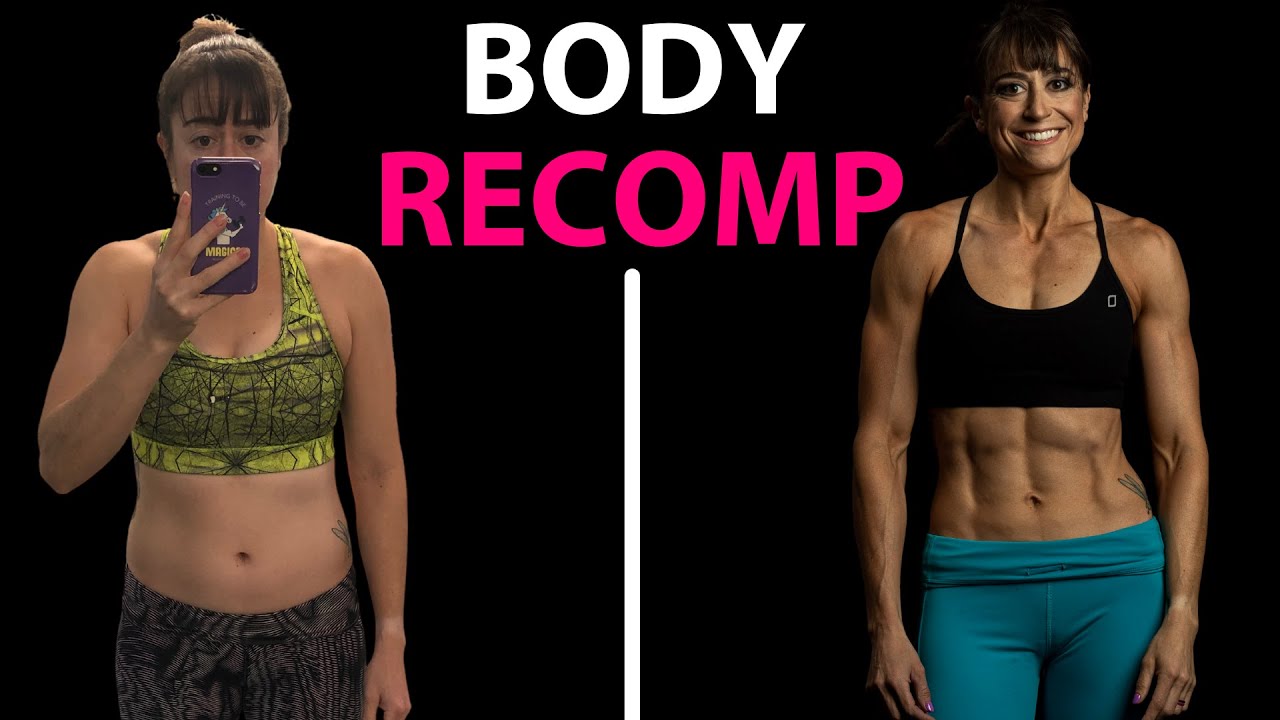
Achieving a balance requires a smart approach. Nutrition and exercise play big roles. Protein-rich diets support muscle growth. Strength training builds muscle. Cardio aids in fat reduction. Combining these factors leads to success.
Credit: redefiningstrength.com
Balancing Nutrition
Achieving a balance between losing fat and building muscle depends on nutrition and exercise. Eating protein-rich foods fuels muscle growth. Reducing calories helps shed excess fat.
Balancing Nutrition is key to the dual goal of losing fat and building muscle. Many people think of these goals as opposites, but with the right nutritional strategy, you can achieve both. Think about how you feel after a balanced meal. Energized, right? That’s because your body is getting what it needs to perform and recover. Nutrition is not just about cutting calories; it’s about feeding your body to support your workouts and recovery.Macronutrient Breakdown
Understanding macronutrients is essential. Your diet consists of proteins, fats, and carbohydrates. Each plays a unique role. Proteins are crucial for muscle repair and growth. Fats provide long-term energy. Carbs fuel your workouts. Do you know the right balance for your body? Experiment and find out what ratio keeps you feeling strong and energized.Caloric Surplus Vs. Deficit
This is where many people get stuck. Should you eat more or less? It depends on your goals. A caloric surplus helps build muscle. A deficit aids in fat loss. But can you do both simultaneously? Yes! Cycling between the two can be effective. Try a slight surplus on workout days, then a deficit on rest days. This strategy keeps your body guessing and adapting.Importance Of Protein
Protein is your best friend here. It supports muscle repair after workouts. Are you getting enough? Aim for at least 1 gram per pound of body weight. This helps maintain muscle while losing fat. Consider adding a protein shake post-workout. It’s a quick and easy way to meet your daily needs. What are your favorite protein sources? Experiment with lean meats, beans, and eggs to keep things interesting.Effective Training Strategies
Embarking on a journey to lose fat and build muscle simultaneously can seem like a daunting task. Yet, with the right training strategies, it’s entirely achievable. Whether you’re a gym newbie or a seasoned fitness enthusiast, understanding effective training methods is crucial. These strategies not only help in achieving your fitness goals but also in maintaining a balanced and healthy lifestyle.
Strength Training Basics
Strength training is the cornerstone of building muscle. It involves exercises that force your muscles to work against resistance, like lifting weights or using resistance bands. Start with simple exercises like squats, deadlifts, and bench presses. These compound movements engage multiple muscle groups, making them highly efficient. Aim for progressive overload, meaning gradually increasing the weight or resistance as your body adapts. This challenges your muscles and fosters growth.
Consider setting specific goals. Perhaps you want to lift a certain weight or perform a set number of repetitions. Tracking your progress keeps you motivated. What’s one exercise you’ve always wanted to master?
Incorporating Cardio
Cardio is essential for burning fat. It boosts your heart rate and helps torch calories. Activities like jogging, cycling, or swimming are great choices. While you may think cardio is all about long sessions, high-intensity interval training (HIIT) offers efficient fat-burning in shorter time. You alternate between intense bursts and rest periods, maximizing calorie burn.
Blend cardio with your strength routine. You can do cardio after lifting weights or on alternate days. This balance prevents muscle loss and keeps your heart healthy. Ever considered a quick morning jog to kickstart your metabolism?
Recovery And Rest
Recovery is where the magic happens. When you rest, your muscles repair and grow stronger. Never underestimate the power of a good night’s sleep and rest days. These are crucial for muscle growth and fat loss. Overtraining can lead to injuries and burnout, so it’s vital to listen to your body.
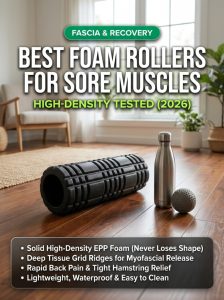
Incorporate techniques like stretching and foam rolling to aid recovery. They enhance blood flow and reduce muscle soreness. What’s your favorite way to unwind after an intense workout session? Embrace rest as a strategic part of your fitness journey. It’s not just downtime; it’s a time for growth.
Effective training strategies are your roadmap to success. With dedication and the right approach, you can transform your body and elevate your fitness game. Ready to take charge of your health?
Role Of Supplements
Supplements can play a key part in losing fat and building muscle. They provide nutrients that might be missing from your diet. The right supplements can enhance your workout results. They can make it easier to reach your fitness goals.
But not all supplements work the same way. Understanding their role can help you make informed choices. Let’s explore some popular options.
Protein Supplements
Protein supplements are popular among fitness enthusiasts. They help repair and build muscles after workouts. Protein shakes, bars, and powders are convenient sources. They are easy to consume and digest.
Whey protein is a common choice. It contains all essential amino acids. Plant-based options like pea protein also provide benefits. Protein intake supports muscle recovery and growth.
Creatine Benefits
Creatine is another favored supplement. It boosts strength and muscle mass. It helps muscles produce energy during heavy lifting. Athletes often use creatine to improve performance.
It is safe and well-studied. Creatine can enhance muscle hydration. It may aid in faster recovery. A small daily dose can be effective.
Other Popular Options
Other supplements may aid in fat loss and muscle gain. BCAAs, or branched-chain amino acids, support muscle recovery. They can reduce exercise fatigue. Omega-3 fatty acids improve heart health and reduce inflammation. They may also promote fat loss.
Green tea extract is known for its fat-burning properties. It boosts metabolism naturally. Keep in mind, supplements should complement a balanced diet. They are not substitutes for healthy eating and exercise.
Tracking Progress
Tracking progress in fitness goals can be challenging yet rewarding. It’s possible to lose fat and build muscle simultaneously with dedication and balance. Setting realistic targets and monitoring results regularly helps maintain motivation and achieve desired outcomes.
Tracking your progress is vital in the journey of losing fat and building muscle. It helps you see the results of your hard work. It also shows where adjustments might be needed. Progress tracking keeps you motivated and focused. By measuring different aspects, you can understand your body’s response better.Using Body Measurements
Body measurements provide clear evidence of change. Measure your waist, hips, arms, and thighs regularly. These measurements show fat loss and muscle gain. Use a tape measure for accuracy. Log these numbers weekly or bi-weekly. A consistent method helps track real progress. Don’t rely on weight alone, as muscle is denser than fat.Monitoring Strength Gains
Strength gains are a crucial indicator. Keep track of how much weight you lift. Note the number of repetitions and sets you complete. This shows muscle growth and strength improvement. Record your workouts in a journal. Increase in weights signifies muscle gain. Watch for changes in endurance, too. Feeling stronger means progress.Adjusting Plans Accordingly
Adjust your plans based on your progress. If measurements or strength gains stall, reassess your routine. Change exercises or tweak intensity. Ensure your diet supports your goals. Review your sleep and stress levels. Sometimes, small changes make a big difference. Stay flexible with your plans. Adaptation leads to continual improvement.Common Myths
Understanding fat loss and muscle gain is essential for your fitness goals. Yet, many myths confuse the path to success. These misconceptions lead to frustration and slow progress. Let’s debunk these myths to clear the way for real results.
Spot Reduction Myth
Many believe targeting a specific area will reduce fat there. This is not true. Fat loss happens across the whole body. Exercises like crunches won’t shrink belly fat alone. Consistent workouts and a healthy diet help reduce overall body fat. Focus on full-body routines for the best results.
Women And Muscle Gain
Some women fear lifting weights will make them bulky. This is a common myth. Women have lower testosterone levels than men. This means they build muscle differently. Lifting weights helps tone and define muscles. It doesn’t lead to bulkiness. Strength training also boosts metabolism.
Quick Fixes And Fad Diets
Quick fixes and fad diets promise rapid results. They rarely work long-term. These diets often lack essential nutrients. They can harm your health. Sustainable changes are key to lasting results. Balanced eating and regular exercise promote steady progress. Avoid shortcuts that sound too good to be true.
Expert Tips
Balancing fat loss with muscle building requires smart strategies. Focus on strength training and protein-rich foods. Consistency in workouts and nutrition enhances results.
Transforming your body by losing fat and building muscle simultaneously is a goal many aspire to achieve. However, the process can be daunting without the right approach. Here are expert tips to help you navigate this journey efficiently.Setting Realistic Goals
Start with clear, achievable goals. Aim to lose a pound of fat per week while gradually increasing muscle mass. Consider your lifestyle and daily commitments. Can you commit to working out four times a week? Setting smaller, specific goals will lead to more significant changes over time. This approach keeps you motivated and less overwhelmed.Staying Motivated
Motivation fluctuates, but consistency is key. Celebrate small victories, like lifting heavier weights or losing an inch off your waist. On days when motivation dips, remind yourself why you started. Visualize your end goal and the benefits it brings to your life. I remember a time when progress stalled. Instead of giving up, I tried a new workout routine. Fresh strategies can reignite your passion.Finding A Support System
Connecting with like-minded individuals can significantly impact your fitness journey. Do you have friends or family who share similar goals? Joining a fitness group or online community provides accountability. Having people to share your successes and challenges with can be incredibly motivating. A workout buddy can make exercise fun and less of a chore. They can also help push your limits, ensuring you reach your potential. Incorporate these expert tips into your routine to stay focused and driven. Remember, the path to losing fat and building muscle is unique for everyone. Your dedication and perseverance will pave the way for success.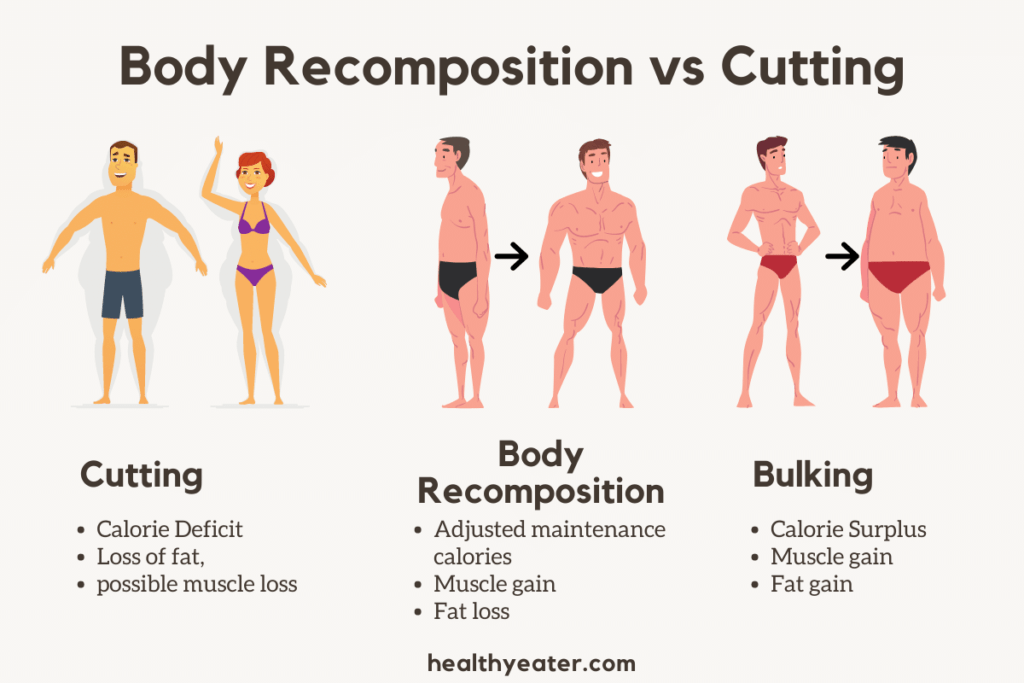
Credit: healthyeater.com

Credit: learn.athleanx.com
Frequently Asked Questions
Can You Build Muscle And Lose Fat At The Same Time?
Yes, you can build muscle and lose fat simultaneously. Focus on strength training and a balanced diet. Prioritize protein intake and manage caloric deficit. Consistency in workouts and nutrition is key. Monitor progress and adjust as needed for optimal results.
Can I Lose Fat But Keep Muscle?
Yes, you can lose fat while maintaining muscle. Focus on strength training and a high-protein diet. Ensure a calorie deficit without extreme restrictions. Balance cardio with resistance exercises. Stay consistent and monitor progress regularly.
Which Body Part Loses Fat First?
Fat loss varies by individual, but the face and arms often lose fat first. This occurs due to genetics and hormone distribution. Consistent exercise and a balanced diet help promote overall fat loss.
Can You Build Muscle After Losing Weight?
Yes, you can build muscle after losing weight. Focus on strength training and consume a protein-rich diet. Stay consistent with your workouts and ensure adequate recovery. Building muscle helps improve metabolism and body composition. Consult a fitness professional for personalized guidance.
Conclusion
Achieving both fat loss and muscle gain is possible. Focus on balanced nutrition and regular exercise. Resistance training helps build muscle. Cardio supports fat loss. Stay consistent with your routine. Listen to your body’s needs. Adjust your diet and workouts as you progress.
Set realistic goals and celebrate small victories. Patience is key; results take time. Track your progress to stay motivated. Remember, healthy habits lead to lasting change. Consult experts for tailored advice. With dedication, you can transform your body. Keep striving for a healthier, stronger you.