Are you tired of the gym myth that only heavy weights can build muscle? Imagine the possibility of sculpting your physique without the constant strain and intimidation of hefty dumbbells.
It’s a question many fitness enthusiasts ponder: Can you really build muscle with light weights? You might be surprised by the answer. This article unveils the secrets behind effective muscle building using lighter weights and reveals how you can transform your body with less risk of injury and more fun.
Get ready to discover how small changes in your workout routine could lead to big results. Are you ready to redefine your fitness potential and take control of your health journey? Read on to find out how light weights can become your new best friend in muscle building.
Muscle Building Basics
Building muscle may seem complex, but understanding the basics helps. Muscle growth relies on a few key factors. Proper exercise, nutrition, and rest play crucial roles. Even with light weights, you can see significant progress. Let’s explore the essentials of muscle building.
Key Principles
Consistency is vital for muscle growth. Regular workouts ensure steady progress. Aim for at least three sessions a week. Progressive overload is another key principle. Gradually increase weight or reps to challenge your muscles. This stimulates growth over time.
Proper form is essential to avoid injury. Focus on technique with each exercise. A balanced diet supports muscle repair and growth. Protein-rich foods are especially important. Ensure you get enough rest. Muscles grow while you rest, not during workouts.
Role Of Resistance
Resistance is the force muscles work against during exercise. Light weights can provide enough resistance for muscle growth. The key is increasing the challenge over time. Bodyweight exercises also offer resistance. Push-ups and squats are effective examples.
Combining light weights with high repetitions can build muscle. It helps in endurance and muscle definition. Focus on controlling the movement and maintaining tension. This ensures muscles are engaged throughout the workout.
Light Weights Vs Heavy Weights
Building muscle with light weights is possible by increasing repetitions and focusing on muscle endurance. Small weights challenge muscles through extended workouts, promoting growth and strength over time. Consistent training and proper technique maximize results with lighter loads.
When it comes to building muscle, the debate between light weights and heavy weights is a hot topic. Are you torn between the two? Each approach has its benefits, and understanding the differences can help you tailor your fitness routine to your goals. While heavy weights often steal the spotlight in muscle-building discussions, light weights can be equally effective, depending on how you use them. Let’s dive into the specifics and clear up some common misconceptions.Definitions And Differences
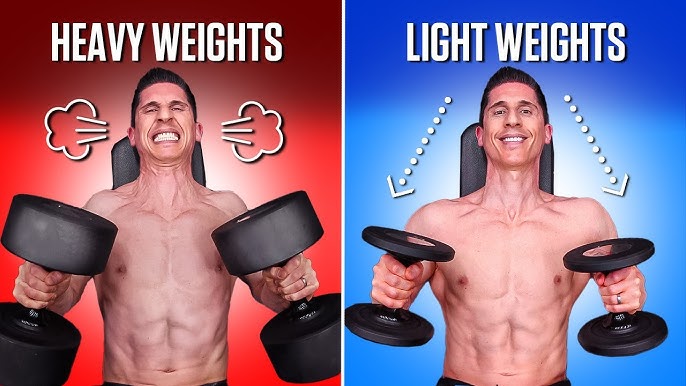
Heavy weights typically involve fewer repetitions and focus on increasing strength. They challenge your muscles to lift more, which helps in building mass. Imagine pushing your limits with fewer reps but heavier loads; that’s the essence of heavy weight training. On the flip side, light weights involve more repetitions with less load. They target muscle endurance and can still contribute to muscle growth. Picture yourself doing multiple sets with lighter dumbbells, feeling the burn without the risk of heavy strain. Both methods can result in muscle growth, but they serve different purposes. Heavy weights are great for bulk and strength, while light weights enhance endurance and definition.Common Misconceptions
Many people think light weights can’t build muscle. That’s far from the truth. With the right technique and increased repetitions, light weights can effectively stimulate muscle growth. Another myth is that heavy weights are only for seasoned lifters. In reality, anyone can start with heavier weights, gradually increasing as their strength improves. You don’t have to be a bodybuilder to lift heavy. People often assume light weights are only for toning. While they’re excellent for toning, they also play a role in muscle hypertrophy when used correctly. Have you ever tried doing 30 reps with perfect form? You’d be surprised at the muscle fatigue and growth potential. So, what’s your choice? Will you balance both methods in your workout, or stick to one? Consider your goals and preferences; there’s no one-size-fits-all answer.Science Behind Light Weights
The science behind using light weights in muscle building is fascinating. Many wonder how these weights can stimulate growth effectively. Recent research provides insights into this approach. Light weights can indeed contribute to muscle development. Understanding the mechanisms can help you maximize your training results.
Muscle Hypertrophy
Muscle hypertrophy involves increasing muscle size. Traditional heavy lifting is well-known for this. Light weights, surprisingly, can also promote hypertrophy. High repetitions with light weights create muscle tension. This tension is crucial for muscle growth. Studies show that prolonged tension triggers cellular changes. These changes boost protein synthesis, leading to bigger muscles.
Metabolic Stress And Muscle Growth
Metabolic stress plays a key role in muscle growth. Light weights can induce this stress effectively. During exercise, muscles experience a lack of oxygen. This condition leads to metabolic stress. It promotes the accumulation of metabolites. Metabolites trigger growth factors within the muscle cells. Growth factors stimulate muscle repair and expansion. Light weights with high reps increase these metabolites significantly.
Credit: medium.com
Benefits Of Light Weights
Building muscle doesn’t always mean lifting heavy weights. Light weights offer surprising benefits that can help you reach your fitness goals. Whether you’re a beginner or an experienced lifter, incorporating light weights into your routine can enhance your workout and improve your overall health. Let’s explore some of the key benefits of using light weights.
Improved Endurance
Light weights can boost your muscular endurance. When you lift lighter weights for more repetitions, your muscles learn to sustain effort over longer periods. This builds stamina and helps you perform everyday activities without tiring easily.
Think about how great it feels to climb stairs without losing your breath. Light weights can help you achieve that level of endurance. Plus, it prepares you for other physical activities like jogging or cycling.
Reduced Injury Risk
Using light weights can minimize the risk of injury. Heavy weights often strain your muscles and joints, leading to sprains or tears. With lighter weights, you focus on your form and control, reducing the chance of accidents.
Imagine lifting without fear of hurting yourself. Light weights allow you to maintain good posture and prevent overexertion. This is especially beneficial for those recovering from injuries or starting their fitness journey.
Accessibility And Versatility
Light weights are accessible and versatile. You don’t need fancy equipment or a gym membership to start lifting. Simple dumbbells or resistance bands can provide an effective workout at home or on the go.
Consider how easy it is to fit a quick workout into your busy schedule. Light weights can be used for a variety of exercises, targeting different muscle groups. This flexibility helps you stay consistent and motivated in your fitness journey.
So, can you build muscle with light weights? Absolutely! The benefits are clear, and integrating them into your routine can lead to impressive results. What’s stopping you from giving it a try? The lighter path might be the key to unlocking your fitness potential.
Effective Techniques
Building muscle doesn’t always require heavy weights. Light weights can be effective with the right techniques. Explore these methods to maximize your muscle gains.
Higher Repetitions
Light weights let you increase repetitions. More reps increase muscle endurance. Aim for 15 to 20 reps per set. This boosts muscle fiber activation. It also enhances metabolic stress. Both are essential for muscle growth.
Slow Lifting Tempo
Focus on lifting slowly. Control each phase of the movement. Spend more time on the eccentric phase. This phase involves lowering the weight. Slow lifting increases tension in muscles. Greater tension leads to better muscle development.
Incorporating Variations
Use different exercises for the same muscle group. This targets muscles from various angles. Variations prevent adaptation. They keep muscles challenged. Try changing grips or stances. Experiment with different movements. This keeps your workouts fresh and effective.
Credit: www.youtube.com
Training Programs
Training with light weights can be effective for muscle growth. The success depends on how you design your training program. A well-structured program focuses on volume, frequency, and muscle tension. Each part plays a crucial role in building muscle. Let’s delve into designing a routine and combining methods.
Designing A Light Weight Routine
Start with choosing the right exercises. Compound exercises work best for this. They engage multiple muscle groups at once. Squats, lunges, and push-ups are great examples. Aim for higher repetitions in each set. Try for 15 to 20 reps or more. Keep the rest periods short. Around 30 to 60 seconds is ideal. This keeps the muscles under constant tension. Focus on controlled movements. The slower, the better. This enhances muscle engagement and prevents injury.
Combining With Other Training Methods
Mix light weights with other training techniques. Consider adding resistance bands to your routine. They provide extra tension and variety. Bodyweight exercises complement light weight training well. Push-ups, pull-ups, and planks are effective choices. Include some cardio workouts too. Cycling or brisk walking works perfectly. They improve endurance and cardiovascular health. Circuit training is another excellent option. It combines strength and cardio in one session. Try doing circuits three times a week.
Real-life Success Stories
Building muscle with light weights often surprises many fitness enthusiasts. The idea challenges the traditional belief that heavy weights are necessary. Yet, countless individuals have achieved impressive results with lighter loads. Real-life success stories offer a glimpse into this effective approach. These stories inspire and motivate those seeking to transform their bodies.
Athlete Testimonials
Athletes often explore different training methods to enhance performance. Many have shared their success using light weights. One such athlete, Sarah, a marathon runner, turned to lighter weights during her recovery. She discovered improved muscle tone and strength without risking injury. Her story highlights the benefits of light weight training in maintaining fitness.
Similarly, Jake, a soccer player, incorporated light weights into his routine. He noticed increased stamina and agility on the field. Jake’s experience shows how light weights can complement sports training. These testimonials underscore the value of light weights in diverse athletic pursuits.
Personal Trainer Insights
Personal trainers often witness the transformative power of light weight workouts. Emily, a seasoned trainer, advises clients to use light weights for muscle endurance. She believes this approach prevents burnout and supports sustainable progress. Her clients have seen significant changes in muscle definition and strength.
Another trainer, Mark, integrates light weights with high-repetition exercises. He emphasizes their role in building lean muscle mass. His clients appreciate the reduced risk of injuries and steady improvement. Mark’s insights reinforce the potential of light weights in achieving fitness goals.
Potential Drawbacks
Using light weights for muscle building may lead to slower progress and less muscle mass compared to heavier weights. Light weights might not provide sufficient resistance, reducing the effectiveness of workouts for serious strength gains. Adjusting weight and intensity is crucial for achieving desired muscle growth.
Building muscle with light weights can be an appealing and accessible option for many. However, it’s important to understand the potential drawbacks associated with this approach. While light weights can indeed lead to muscle growth, certain factors might hinder your progress or misalign with your fitness goals. Let’s delve into these potential challenges to ensure you’re making the most informed decision for your muscle-building journey.Plateauing Concerns
When using light weights, you might hit a plateau sooner than expected. Your muscles adapt to the stress placed on them, and if the weights remain too light, your progress could stall. You may find your muscles no longer responding to the same routines. This is because growth often requires increasing resistance over time. Have you ever noticed you’re doing countless reps without feeling challenged? That’s a sign that your muscles have adapted and need a new stimulus for growth.Misalignment With Goals
Light weights might not align with your specific muscle-building goals. If you’re aiming for significant muscle mass, heavier weights typically offer more efficient results. Consider your ultimate fitness objectives. If you’re preparing for a strength competition, light weights might not provide the necessary gains. Think about your favorite athletes. Do they rely solely on light weights, or do they incorporate heavier lifting to achieve their goals? Choosing the right approach is crucial for success. Reflect on your personal experiences and adjust your strategy as needed. Are light weights serving your goals, or is it time to consider a change?Expert Opinions
Building muscle with light weights is a hot topic. Many wonder if it’s effective. Let’s explore expert opinions on this matter. Both fitness professionals and scientific research offer insights. These insights can guide those seeking muscle growth with lighter loads.
Fitness Professional Views
Many fitness professionals support using light weights for muscle growth. They believe in variety and consistency. Light weights can help increase muscle endurance. This approach is especially useful for beginners or those recovering from injury.
Some trainers suggest higher repetitions with light weights. This can lead to muscle fatigue, which promotes growth. It’s crucial to focus on form and control during exercises. This ensures effectiveness and reduces injury risk.
Scientific Research Findings
Scientific studies back the use of light weights for muscle gain. Research shows muscle growth can occur with lighter loads. The key lies in reaching muscle fatigue. This is often achieved through more repetitions.
One study found similar muscle growth between light and heavy weights. The main factor was exercising to failure. This means continuing until muscles can’t perform another repetition.
Light weights also offer other benefits. They reduce joint strain. This makes them ideal for those with joint issues. Light weights can be a safe, effective method for building muscle.

Credit: www.instagram.com
Frequently Asked Questions
Can I Get Big Arms With Light Weights?
Yes, you can build big arms with light weights. Focus on high reps and proper form. Increase intensity by reducing rest time and incorporating techniques like supersets and slow negatives. Consistency and progressive overload are key for muscle growth. Combine with a balanced diet for best results.
Is It Better To Build Muscle With Heavy Or Light Weights?
Building muscle effectively involves both heavy and light weights. Heavy weights increase strength and muscle size, while light weights improve endurance and muscle tone. Combining both in your routine maximizes results. Adjust weight based on your fitness level and goals for optimal progress.
Can You Build Muscle Without Heavy Weights?
Yes, you can build muscle using bodyweight exercises, resistance bands, and light weights. Focus on progressive overload, proper form, and consistency. Incorporate exercises like push-ups, squats, and planks to target different muscle groups. Nutrition and rest also play crucial roles in muscle growth without heavy weights.
What Is The Minimum Weight To Build Muscle?
Building muscle doesn’t require heavy weights. Starting with 5-10 pounds can effectively stimulate growth. It’s crucial to focus on proper form and progressively increase resistance for continued muscle development. Consistency and a balanced diet also play vital roles in muscle building.
Adjust weight based on personal fitness levels and goals.
Conclusion
Lifting light weights can help build muscle. Consistency is key. Combine with a balanced diet. Listen to your body. Don’t rush progress. Focus on form and technique. Light weights reduce injury risk. Great for beginners and those with injuries. You can still achieve muscle growth.
Adjust your routine to your goals. Patience and perseverance are essential. Keep challenging yourself over time. Remember, progress takes time and effort. Building muscle isn’t just about heavy lifting. Light weights have their place in fitness. They can lead to strength and tone.
Keep moving forward. Enjoy the journey to fitness.