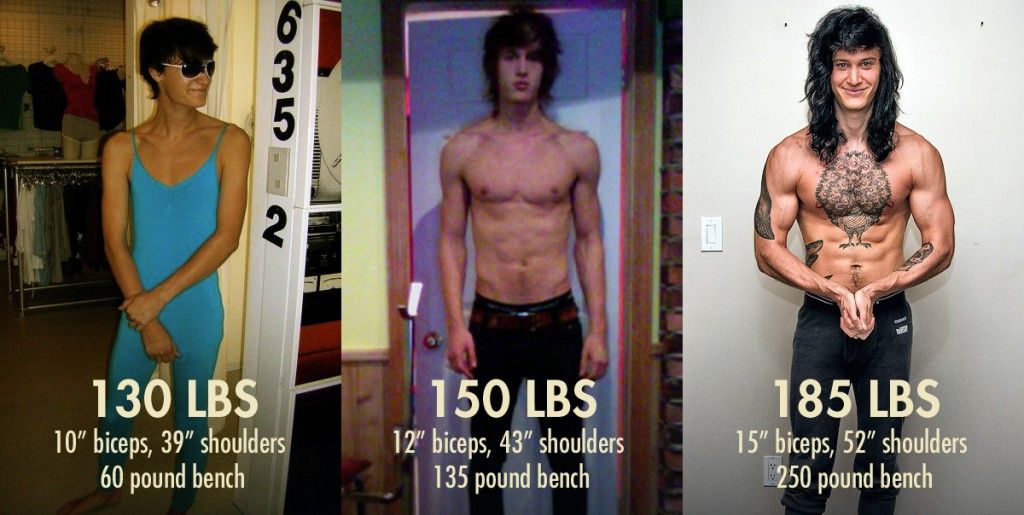
Are you curious if you can build muscle while practicing intermittent fasting? Maybe you’re already committed to a fasting routine and wondering if it’s possible to gain strength and muscle mass without compromising your eating schedule.
You’re not alone. Many fitness enthusiasts grapple with this question, balancing the benefits of fasting with the desire to build a strong, muscular physique. You’ll discover the truth behind intermittent fasting and muscle growth. We’ll uncover the surprising ways your body can adapt and thrive, all while sticking to your fasting plan.
Ready to unlock the secrets? Keep reading to find out how you can transform your body and achieve your fitness goals.
Intermittent Fasting Basics
Building muscle during intermittent fasting is possible with the right approach. Focus on consuming enough protein and calories in your eating window. Combine strength training exercises to maximize muscle growth while fasting.
Intermittent fasting (IF) has become a buzzword in the health and fitness world. Yet, many people are curious about its basics and whether it’s compatible with building muscle. Understanding the fundamentals of intermittent fasting can help you decide if it’s a strategy you want to try. Let’s break down some key concepts to get you started.What Is Intermittent Fasting?
Intermittent fasting isn’t a diet; it’s an eating pattern. You cycle between periods of eating and fasting. The focus isn’t on what you eat but when you eat. Think of IF as setting a schedule for your meals. You eat during specific hours and fast for the rest of the time. This approach aligns with your body’s natural rhythms, potentially offering health benefits. Have you ever skipped breakfast and only had lunch and dinner? That’s a simple form of intermittent fasting. It’s flexible and can fit into your lifestyle with minimal disruption.Popular Intermittent Fasting Methods
There are several methods of intermittent fasting, each with its own appeal. One popular method is the 16/8 method. You fast for 16 hours and eat during an 8-hour window. Another option is the 5:2 method. You eat normally for five days a week and restrict calories to about 500-600 for the other two days. The Eat-Stop-Eat method involves a 24-hour fast once or twice a week. This might sound challenging, but some find it freeing. The key is choosing what fits your routine and personal goals. Have you ever tried a method and found it didn’t suit you? Don’t worry; there’s no one-size-fits-all. Experimenting with different methods can help you find the best fit for your lifestyle. Understanding intermittent fasting basics allows you to make informed choices about integrating it into your muscle-building journey. Are you ready to give it a try and see how your body responds?Muscle Growth Fundamentals
Building muscle while intermittent fasting is possible. Focus on protein-rich meals and strength training. Timing meals strategically helps maintain energy and support muscle growth.
Building muscle is a pursuit that combines science, dedication, and a bit of patience. Whether you’re new to the gym or a seasoned athlete, understanding the fundamentals of muscle growth is crucial. While intermittent fasting might seem like a challenging backdrop for building muscle, the key lies in mastering the basics and making them work for you.Key Principles Of Muscle Building
To grow muscles, you need to challenge them. Lifting weights or performing resistance exercises creates tiny tears in your muscle fibers. Your body repairs these tears, making your muscles stronger and bigger over time. Consistency is your best friend. Regular workouts ensure continuous muscle growth. Aim to train each muscle group at least twice a week. Progressive overload is essential. Gradually increase the weight, reps, or intensity of your workouts. This keeps your muscles adapting and growing.Role Of Nutrition In Muscle Growth
Nutrition is the fuel your muscles need to grow. Protein is particularly important. Aim to consume a source of protein with every meal. Chicken, fish, beans, and tofu are excellent options. Carbohydrates provide energy for your workouts. Include whole grains, fruits, and vegetables in your diet. They help maintain your energy levels during intense sessions. Don’t forget about fats. Healthy fats like those found in avocados, nuts, and olive oil support hormone production, crucial for muscle growth. Have you ever considered how timing affects your nutrition? Eating the right nutrients around your workout can maximize muscle repair and growth. Could adjusting your eating schedule make a difference for you? Incorporating these principles into your routine while intermittent fasting may require some planning. But with the right approach, you can still see those gains. Are you ready to challenge your body and see what it can achieve?Intermittent Fasting And Muscle Building
Intermittent fasting has gained popularity for its potential health benefits, including weight loss and improved metabolism. But can you really build muscle while practicing this eating pattern? Many people wonder if fasting might hinder muscle growth. Let’s dive into the science behind intermittent fasting and muscle building, and see how it affects metabolism and hormones.
Impact On Metabolism
Intermittent fasting can have a surprising impact on your metabolism. During fasting periods, your body switches from burning glucose to using fat as its primary energy source. This shift can enhance fat burning and preserve muscle mass. However, if you’re aiming to build muscle, it’s crucial to balance your fasting schedule with adequate calorie intake and protein consumption.
Think about your daily routine. Are you consuming enough calories and protein during your eating windows? If not, your body might struggle to maintain muscle growth. A well-planned diet can help you harness the benefits of fasting without compromising your muscle-building goals.
Hormonal Changes During Fasting
Fasting influences your hormones, which play a significant role in muscle building. Human growth hormone (HGH) levels can increase during fasting, promoting muscle growth and fat loss. Additionally, insulin sensitivity improves, allowing your muscles to absorb nutrients more efficiently when you eat.
However, it’s essential to consider the timing of your workouts. Exercising during your fasting periods can boost HGH levels, but it may also leave you feeling fatigued. Would you prefer to train with more energy? Eating before your workout might be more suitable, as it provides the necessary fuel for muscle exertion.
Ultimately, intermittent fasting can be a powerful tool in your muscle-building journey, but it requires careful planning and attention to your body’s signals. Are you ready to experiment with different fasting schedules and find what works best for you?
Balancing Fasting And Training
Building muscle during intermittent fasting is possible with a balanced approach. Prioritize strength training and consume enough protein. Careful meal timing enhances muscle growth and energy levels.
Balancing fasting and training is like walking a tightrope. You want to reap the benefits of intermittent fasting while still gaining muscle. The key lies in timing your workouts and optimizing your nutrition.Timing Your Workouts
Timing your workouts is crucial when fasting. You might wonder, should you hit the gym on an empty stomach or wait until after a meal? Many find success by exercising during the final hours of their fasting window. This approach allows you to consume a protein-rich meal soon after. It aids in muscle recovery. Consider your energy levels and personal schedule to find what works best for you.Optimizing Protein Intake
Protein is vital for muscle growth. Eating enough protein can be challenging when fasting. Aim to include a variety of protein sources in your eating window. Think lean meats, eggs, legumes, and dairy. A well-balanced meal plan ensures you meet your protein needs. How can you adjust your meals to maximize muscle gain? Some people find that supplementing with protein shakes helps. They offer a quick and convenient way to boost protein intake. Have you tried adding a shake to your post-workout routine? Balancing fasting and training requires experimentation. Your body is unique. What works for someone else might not work for you. Keep tweaking your approach until you find the perfect balance.Benefits Of Fasting For Athletes
Intermittent fasting might help athletes build muscle by promoting fat loss and improving insulin sensitivity. Eating in a limited time window can increase growth hormone levels. This hormone aids muscle growth. Balancing nutrient intake during eating periods is crucial for success.
Intermittent fasting has gained popularity not only for weight management but also for enhancing athletic performance. Many athletes are discovering the benefits of fasting, which can lead to improved energy efficiency and mental clarity. If you’re looking to boost your athletic abilities, fasting might be a valuable tool to consider. Let’s explore how fasting can benefit athletes in specific ways.Improved Fat Utilization
Athletes often aim for maximum energy output. Fasting can train your body to utilize fat more efficiently for energy. During fasting periods, your body shifts from burning carbohydrates to burning fat. This transition can help you maintain energy levels during prolonged activities. Imagine running a marathon with a steady energy supply from your fat reserves. It’s like having a backup generator that kicks in when needed. As your body becomes more adept at using fat for fuel, you might notice enhanced endurance. This could be the edge you need to outperform your competitors. Are you ready to give your body the chance to operate at peak efficiency?Enhanced Mental Focus
Mental clarity and focus are crucial for athletes. Fasting can sharpen your mind, allowing you to concentrate better during training and competitions. When fasting, your body produces ketones, which provide fuel for your brain. Ketones have been linked to improved cognitive function. Imagine being able to strategize better or react quicker during a game. Have you ever felt sluggish or distracted in the middle of a crucial play? Fasting might help you overcome such challenges. With a clearer mind, you can make split-second decisions with confidence. Wouldn’t it be great to have unwavering focus when it matters most? Incorporating intermittent fasting into your routine could be the game-changer you’ve been searching for. Whether you’re aiming for better energy utilization or enhanced focus, fasting offers tangible benefits. Are you ready to harness the potential of fasting for your athletic journey?
Credit: m.youtube.com
Potential Challenges
Building muscle while intermittent fasting can be tough. Limited eating windows might hinder nutrient intake. Muscle recovery could slow down due to restricted calories. Balancing workouts with fasting periods requires careful planning to prevent fatigue.
Intermittent fasting has gained popularity for its numerous health benefits. However, building muscle during this eating pattern can present some challenges. Understanding these hurdles can help you develop a more effective muscle-building strategy while fasting.Risk Of Muscle Loss
One major concern with intermittent fasting is the potential risk of muscle loss. When you fast, your body might start breaking down muscle tissue to use as energy. This can be troubling if your goal is to build muscle. To counter this, focus on consuming enough protein during your eating windows. Ensure that your meals are rich in protein to support muscle growth and repair. Consider supplementing with amino acids, which can help protect your muscles during fasting periods.Energy Levels During Fasting
Maintaining energy levels during fasting can be challenging, especially if you’re engaging in intense workouts. You might find yourself feeling fatigued or lacking the drive to hit the gym. Try scheduling your workouts during your eating window. This allows you to fuel up before exercising, providing the energy you need for an effective workout. Monitor how your body responds and adjust your routine if you notice significant dips in energy. Have you ever experienced a dip in energy during fasting? Experimenting with different fasting schedules might help you find the balance that keeps your energy stable. Listen to your body and prioritize rest and recovery when needed.Real-life Success Stories
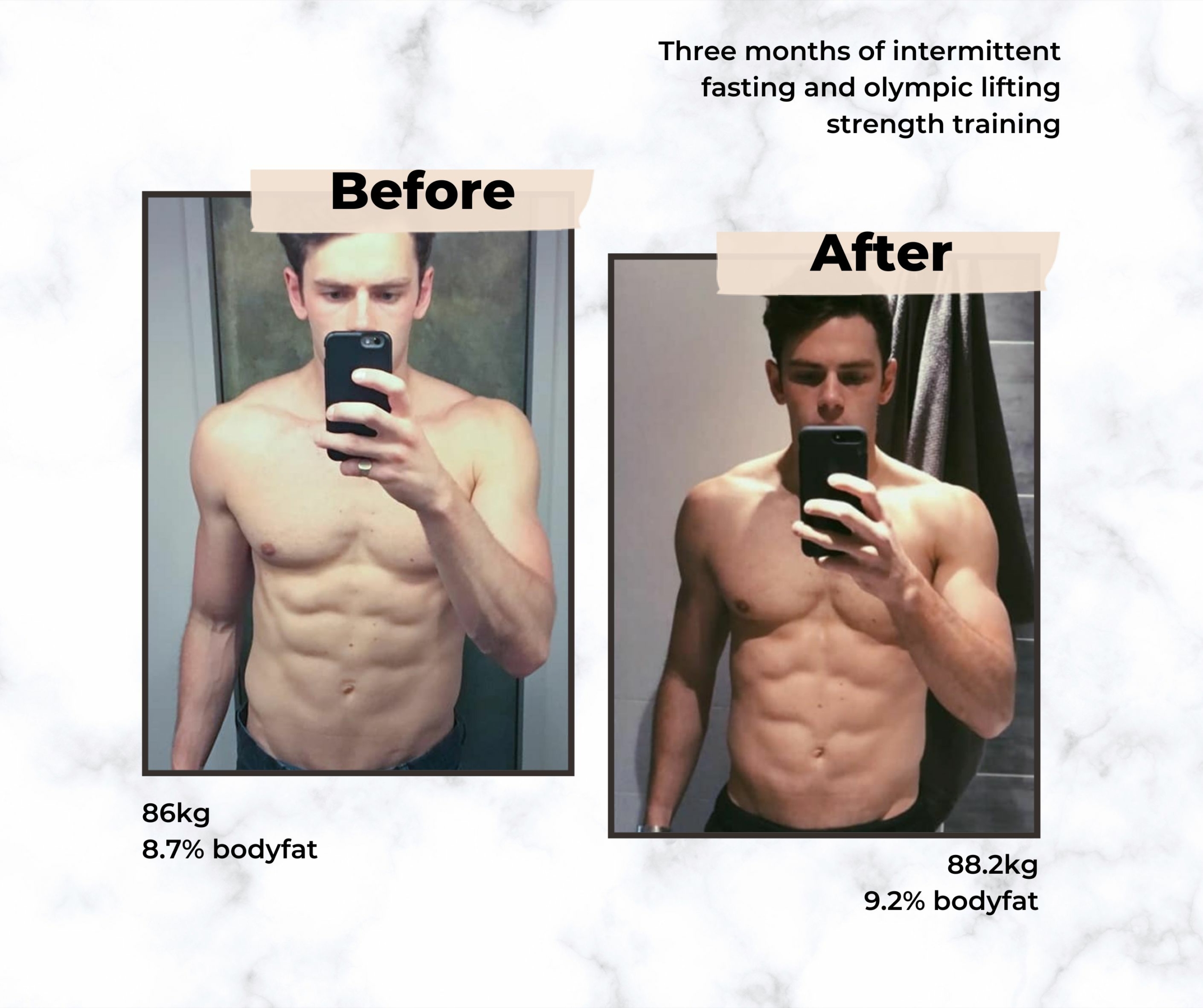
Muscle growth during intermittent fasting is achievable, as proven by countless real-life experiences. Individuals successfully combine fasting with strength training, leading to impressive muscle gains. These stories highlight the power of disciplined eating and focused workouts.
When it comes to building muscle while practicing intermittent fasting, real-life success stories provide both inspiration and proof that it’s possible. People from various walks of life have shared their experiences, showing that combining fasting with muscle gain isn’t just a theory—it’s a reality. These stories often reveal unique approaches and personal insights that can be incredibly motivating.Athletes Who Fast And Build Muscle
Some athletes have successfully integrated intermittent fasting into their training regimens. Take, for example, Terry Crews, who attributes his muscular physique partly to his fasting routine. By fasting for 16 hours and working out during his eating window, he maintains his muscle mass while keeping body fat low. Another athlete, Herschel Walker, is known for his extreme fasting practices. He fasts for long periods yet continues to build muscle, proving that even unconventional methods can yield results. Are you inspired by these athletes? Their stories might encourage you to experiment with fasting techniques that suit your lifestyle.Personal Experiences And Tips
Many people who aren’t professional athletes have also achieved impressive results through intermittent fasting. A friend of mine began fasting with a simple 16:8 method. Within months, he noticed not only an increase in muscle definition but also improved energy levels. He shared his top tip: prioritize protein during your eating window. This ensures that your muscles have the building blocks they need for growth. Have you considered adjusting your diet to fit a fasting lifestyle? Small tweaks can lead to significant improvements. Hearing about these successes might make you wonder: could intermittent fasting be the key to achieving your muscle-building goals? By learning from those who have succeeded, you can gather practical and actionable insights to tailor your own approach.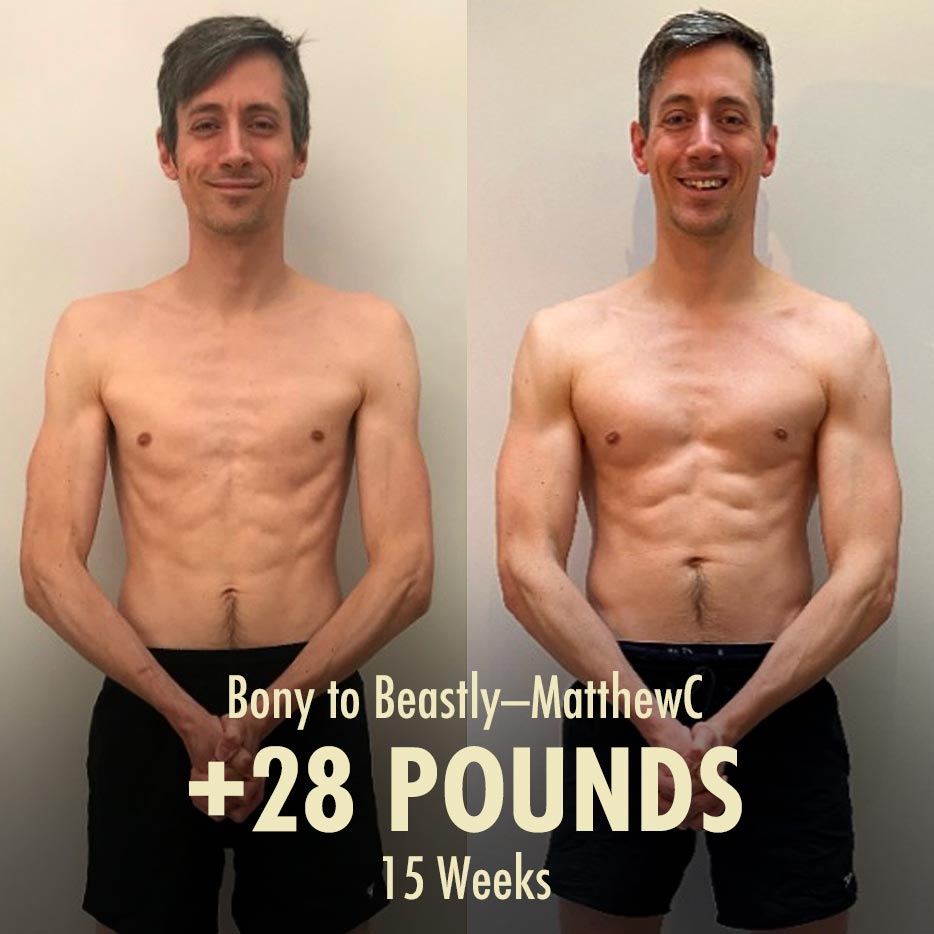
Credit: bonytobeastly.com
Expert Opinions
Intermittent fasting has become a popular trend in fitness circles. Many wonder if muscle gain is possible while following this regimen. Expert opinions shed light on this topic, providing valuable insights. This section explores views from nutritionists and trainers.
Nutritionists’ Insights
Nutritionists agree intermittent fasting can support muscle growth. The key lies in nutrient timing. Eating nutrient-dense meals during feeding windows is crucial. Protein intake plays a significant role. Adequate protein helps maintain muscle mass. Also, consuming healthy fats and carbs ensures energy for workouts.
Some nutritionists suggest a balanced approach. Combine fasting with a well-rounded diet. Consistency in meal planning is essential. This strategy supports muscle repair and growth.
Trainers’ Perspectives
Trainers emphasize the importance of workout routines. Strength training aids muscle development during fasting. A structured program maximizes results. Trainers recommend focusing on compound exercises. These exercises target multiple muscle groups. They enhance overall muscle strength and size.
Timing workouts can also impact outcomes. Some trainers suggest exercising at the end of the fasting period. This approach may optimize fat loss and muscle gain. Listening to your body is vital. Adjust workouts based on energy levels.
Practical Tips For Success
Building muscle while intermittent fasting can be challenging. Success depends on several practical tips. Careful planning is crucial for achieving your fitness goals. You need to manage your meals and consider supplements. These strategies can help you maintain muscle growth and energy.
Meal Planning Strategies
Plan your meals around your fasting schedule. This ensures you get enough nutrients. Focus on protein-rich foods. Chicken, beans, and tofu are great options. Include healthy fats like avocados and nuts. Carbohydrates are important too. They provide energy for workouts. Choose whole grains and vegetables for better results.
Balance is key in meal planning. Make sure each meal covers all food groups. This keeps your body fueled and supports muscle growth. Eating at the right times matters. Try to eat soon after your fasting period ends. This helps your muscles recover and grow.
Incorporating Supplements
Supplements can support your muscle-building efforts. Protein powders are a popular choice. They provide a quick source of protein. This is essential for muscle repair. Creatine is another helpful supplement. It boosts strength and improves workout performance.
Consider branched-chain amino acids (BCAAs). They can prevent muscle loss during fasting. Omega-3 fatty acids are also beneficial. They reduce inflammation and support joint health. Always consult a healthcare professional before starting new supplements. This ensures they suit your needs and health conditions.
Credit: 2mealday.com
Frequently Asked Questions
Can I Do Intermittent Fasting And Build Muscle?
Yes, you can do intermittent fasting and build muscle. Focus on consuming enough protein and calories during eating windows. Pair fasting with strength training for optimal muscle growth. Adjust meal timings to align with workout routines for best results. Consult a nutritionist for personalized advice.
Can You Gain Muscle On 16:8 Fast?
Yes, you can gain muscle on a 16:8 fast. Focus on consuming enough protein and calories during eating windows. Combine with strength training for optimal results. Consistency and balanced nutrition are key.
Can Intermittent Fasting Help Muscle Growth?
Yes, intermittent fasting can support muscle growth with the right approach. Focus on consuming high-protein meals during eating windows. Combine with strength training for optimal results. Adequate rest and hydration are also essential. Consulting a nutritionist or fitness expert is recommended for personalized advice.
How Does Fasting Affect Muscle Recovery?
Fasting can potentially delay muscle recovery if not managed well. Ensure you consume enough nutrients during eating periods. Protein and carbs are vital for muscle repair. Proper hydration and rest also play crucial roles. Listen to your body and adjust your fasting schedule as needed.
Conclusion
Building muscle during intermittent fasting is achievable. Balance is key. Eat enough protein and nutrients. Exercise regularly to stimulate muscle growth. Listen to your body. Adjust fasting and workouts as needed. Everyone is different, so find what suits you best.
Remember, patience is essential. Results take time and effort. Stay consistent and motivated. Seek professional advice if needed. Your journey to fitness is unique. Stay informed and enjoy the process. Fitness and fasting can work together for you. Keep pushing forward.
Your strength will grow.