Are you tired of the myth that only heavy weights can build muscle? Imagine if you could achieve those gains without the strain of lifting massive loads.
Light weights might just be the unexpected secret you’ve been looking for. You’re probably wondering, “Is it really possible to build muscle using light weights? ” You’re not alone in this curiosity. Many people are discovering that lifting lighter can still lead to impressive muscle growth, while also reducing the risk of injury.
You’ll uncover the surprising benefits of using lighter weights and learn how they can fit into your fitness routine. Get ready to challenge everything you thought you knew about muscle building. Stay with us and find out how you can sculpt the physique you desire, all while lifting lighter.
Benefits Of Light Weights
Building muscle with light weights offers several benefits. These advantages make it a popular choice for many fitness enthusiasts. Light weights can be just as effective as heavy weights for muscle growth. They provide unique benefits that suit various fitness goals.
Joint-friendly Workouts
Light weights offer less stress on your joints. This makes them ideal for people with joint issues. They reduce the risk of injury. Using light weights allows for controlled movements. This is especially helpful for beginners and older adults.
Increased Muscle Endurance
Using light weights helps build muscle endurance. You perform more repetitions with light weights. This strengthens your muscles over time. It also improves your stamina and overall fitness. Muscle endurance is crucial for daily activities and sports.
Enhanced Flexibility
Light weight exercises improve flexibility. They allow for a wider range of motion. This promotes better muscle and joint health. Enhanced flexibility reduces the chance of injuries. It also supports better posture and balance.

Credit: www.instagram.com
Principles Of Muscle Growth
Building muscle with light weights is a fascinating concept. Muscle growth is not just about lifting heavy weights. It’s more about understanding the principles that drive muscle development. These principles guide how muscles grow, adapt, and strengthen over time.
Progressive Overload
Progressive overload is key to muscle growth. It involves gradually increasing the stress placed on muscles. This can be done by increasing the weight, number of reps, or workout frequency. Light weights can achieve this by focusing on controlled and consistent improvement. As muscles adapt to stress, they grow bigger and stronger.
Muscle Hypertrophy
Muscle hypertrophy is the enlargement of muscle fibers. It occurs when muscles repair from stress. Light weights can stimulate hypertrophy by causing micro-tears in muscle fibers. These tears are repaired by the body, leading to increased muscle size. The process demands dedication and consistent effort.
The Role Of Reps And Sets
Reps and sets are the building blocks of workouts. They determine how long muscles are under tension. Light weights can be effective with higher reps and sets. This increases time under tension, promoting muscle growth. It’s important to find the right balance for your body. Adjusting reps and sets can lead to better results with light weights.
Techniques For Maximizing Light Weight Training
Light weights can be a powerful tool in your muscle-building arsenal if you know how to use them effectively. Whether you’re new to weight training or looking for a change, mastering techniques for maximizing light weight training can help you achieve your goals. Let’s dive into some effective strategies that can enhance your workouts and help you build muscle using light weights.
Slow Tempo Reps
Have you ever tried slowing down your reps? When you perform exercises at a slow tempo, you increase the time your muscles are under tension. This can lead to greater muscle activation and growth. Try lowering the weight over four seconds and lifting it over two seconds. Feel the burn as your muscles work harder. This technique can make light weights feel heavier and more challenging.
High Repetition Sets
High reps can be a game-changer in light weight training. Instead of sticking to the traditional 8-12 reps, aim for 15-20 reps per set. This approach focuses on endurance and muscle fatigue, which can lead to muscle growth. As you push through those extra reps, you might find your muscles screaming for relief. Are you ready for the challenge?
Incorporating Compound Movements
Compound movements engage multiple muscle groups simultaneously, maximizing the effectiveness of light weights. Think squats, lunges, and push-ups. These exercises require coordination and stability, making your muscles work harder. By focusing on compound exercises, you can achieve a full-body workout without needing heavy weights. Which movement will you add to your routine today?
These techniques can transform your light weight training routine into a muscle-building powerhouse. Have you tried any of them yet? Experimenting with different approaches can keep your workouts fresh and exciting. Remember, consistency and effort are key to seeing results. So, grab those light weights and start maximizing your potential today!

Credit: www.youtube.com
Combining Light Weights With Other Training Methods
Mixing light weights with diverse training methods can effectively build muscle strength. These combinations improve endurance and engage different muscle fibers. Consistent practice with varied routines keeps muscles challenged and growth steady.
Combining light weights with other training methods can be an effective way to build muscle. You might wonder if using light weights can truly make a difference. The answer is a resounding yes, especially when you mix them with strategic training techniques. These methods not only add variety to your routine but also target different muscle fibers, keeping your workouts engaging and effective. Let’s dive into how you can enhance your muscle-building journey with light weights through various training strategies.Supersets And Circuit Training
Supersets involve performing two exercises back-to-back without rest. Using light weights in supersets can increase your endurance and muscle engagement. Imagine doing bicep curls followed immediately by tricep extensions with light dumbbells. This approach keeps your muscles under constant tension, leading to improved muscle growth. Circuit training takes this concept further by stringing together multiple exercises. You can create a full-body workout using just light weights, maximizing calorie burn and muscle toning.Alternating Heavy And Light Days
Switching between heavy and light days can balance your workout routine. On heavy days, focus on lifting weights that challenge your limits. On light days, use lighter weights with higher repetitions to enhance muscle endurance. This method prevents burnout and reduces the risk of injury. It also keeps your muscles guessing, which can lead to better results over time. Think of it as giving your body a well-rounded approach to strength building.Utilizing Resistance Bands
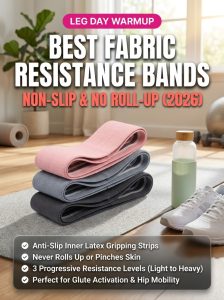
Resistance bands are a fantastic addition to your light weight arsenal. They are versatile, portable, and effective. You can combine them with light weights to add extra resistance to your workouts. For instance, try adding a resistance band to your squats or lunges. You’ll feel the added tension in your muscles, making light weights feel more challenging. This combination can help you achieve muscle growth without the need for heavy weights. Incorporating these methods into your routine can transform your workouts. Have you tried any of these techniques with light weights? If not, it might be time to experiment and see how your body responds. Your muscles might just thank you for it.Diet And Recovery For Optimal Gains
Building muscle with light weights is possible. But, diet and recovery play a big role. Your body needs the right fuel to grow and repair. Proper rest helps muscles recover and strengthen. Let’s dive into key aspects of diet and recovery.
Protein Intake
Protein is vital for muscle growth. It helps repair muscle fibers. Aim for a protein-rich diet daily. Foods like chicken, fish, eggs, and beans are good sources. Consider protein shakes if needed. Track your protein intake for best results.
Importance Of Rest
Rest is crucial for muscle recovery. Muscles grow during rest, not workouts. Ensure you get enough sleep each night. Avoid overtraining your muscles. Listen to your body. Rest days are as important as workout days.
Tracking Progress
Tracking your progress can motivate you. Keep a journal of your workouts. Note the weights you use and reps completed. Track changes in muscle size or strength. Use photos or measurements for visual progress. Adjust your plan based on your results.
Common Myths And Misconceptions
Many believe building muscle requires heavy weights, but it’s not always true. Light weights can also enhance muscle growth. Key factors include higher repetitions and proper form, which stimulate muscle fibers effectively.
Building muscle using light weights has sparked a lot of debate. Many people think that you need to lift heavy weights to see real muscle growth. But the truth is, light weights can also be effective if used correctly. Let’s dive into some common myths and misconceptions surrounding this topic.Light Weights And Muscle Growth
A common myth is that light weights can’t lead to muscle growth. The key is the right technique and consistency. By increasing the number of repetitions, you can still challenge your muscles effectively. Have you ever noticed how toned a yoga instructor’s arms can be? They rarely lift heavy weights, yet their muscles are well-defined. This is because they consistently engage their muscles through repeated movements, much like you can do with light weights. The trick is to push your muscles to fatigue. When your muscles reach the point where you can’t perform another rep, that’s when growth happens. So, don’t underestimate the power of light weights.Effectiveness Compared To Heavy Weights
Heavy weights are often seen as the gold standard for building muscle. But is lifting heavy always better? Not necessarily. Light weights can be just as effective when used with high-rep, low-rest training. This approach increases muscle endurance and can lead to muscle growth over time. Imagine you’re in a small apartment with no room for heavy equipment. Light weights are your best friend here. They are versatile and easy to store, making them perfect for home workouts. Plus, they reduce the risk of injury, especially for beginners. It’s essential to focus on form and control. Using light weights allows you to master the movement. This can be more beneficial in the long run than lifting heavy with poor form. Have you ever considered the time you spend resting between sets? With light weights, you can minimize rest, keeping your heart rate up and maximizing calorie burn. This approach not only builds muscle but also enhances overall fitness. So, next time you’re tempted to skip the light weights, remember their potential. They might just be the missing piece in your fitness puzzle.Credit: medium.com
Frequently Asked Questions
Is It Better To Lift Heavy Or Light To Build Muscle?
Lifting heavy weights boosts muscle growth by increasing tension and strength. Lighter weights enhance endurance and muscle tone through higher repetitions. Combining both methods provides balanced results, promoting muscle size and definition effectively. Tailor your workout to align with personal goals and fitness levels for optimal muscle building.
What Is The Minimum Weight To Build Muscle?
Building muscle requires lifting weights, but there’s no fixed minimum weight. Start with manageable weights and gradually increase. Prioritize proper form and consistency. Listen to your body and adjust as needed. Aim for progressive overload to stimulate muscle growth effectively.
Can You Build Muscle Without Heavy Weights?
Yes, you can build muscle without heavy weights. Bodyweight exercises like push-ups, squats, and lunges are effective. Resistance bands and lighter weights can also enhance muscle growth. Consistency and progressive overload are key factors for muscle development. Proper nutrition and rest support your muscle-building journey.
How Long Does It Take To Build Muscle With Light Weights?
Building muscle with light weights usually takes several weeks to months. Progress depends on consistency, diet, and intensity. Aim for regular workouts, proper nutrition, and gradual weight increase. Results vary per individual, but noticeable changes often appear within 8 to 12 weeks.
Stay committed for the best outcomes.
Conclusion
Building muscle with light weights is possible. It’s about consistency and form. Focus on controlled movements. Increase repetitions for better results. Light weights reduce injury risk. Ideal for beginners and older adults. Pair workouts with good nutrition. Rest is crucial for muscle growth.
Stay patient. Progress takes time. Listen to your body. Adjust routines as needed. Keep challenging your muscles. Aim for gradual improvement. Light weights can be effective. They offer flexibility in training. Customize your workout for your goals. Remember, dedication leads to success.