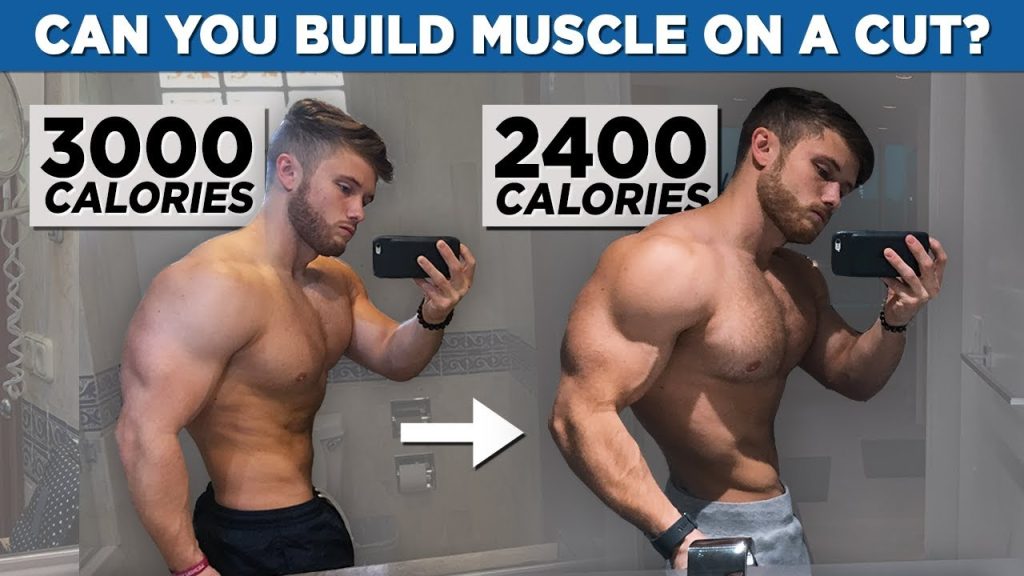
Are you aiming to sculpt a lean, muscular physique while shedding some extra pounds? The idea might sound contradictory—building muscle while consuming fewer calories.
Yet, many fitness enthusiasts and experts alike debate whether it’s truly possible to build muscle in a caloric deficit. You may wonder if you can really achieve those defined arms or toned abs without having to bulk up first. You’ll discover the science behind muscle growth and caloric intake, and learn how you can strategically balance the two to reach your fitness goals.
Imagine transforming your body and defying the odds—keep reading to uncover the secrets that could change your workout routine and redefine your results.
Muscle Growth Basics
Understanding muscle growth is key for fitness enthusiasts. Building muscle involves more than just lifting weights. It requires a balance of protein intake, exercise, and rest. Let’s dive into the basics of muscle growth.
Role Of Protein Synthesis
Protein synthesis is crucial for muscle growth. It repairs and builds muscle fibers after workouts. For effective muscle growth, protein synthesis must exceed protein breakdown. Consuming enough protein helps achieve this balance. Aim for high-quality protein sources. Examples include chicken, fish, and beans.
Importance Of Resistance Training
Resistance training is vital for building muscle. It involves exercises like weightlifting and resistance bands. These activities increase muscle strength and size. Resistance training causes muscle fibers to tear slightly. During recovery, these fibers grow stronger and larger. Consistent training leads to noticeable muscle growth.
Caloric Deficit Explained
A caloric deficit occurs when the body burns more calories than it consumes. This concept is crucial for weight loss. Many wonder if they can build muscle while in a caloric deficit. Understanding the basics helps in achieving fitness goals.
Understanding Energy Balance
Energy balance refers to the relationship between calories consumed and calories burned. When calorie intake matches calorie expenditure, the body maintains its weight. Consuming fewer calories than the body burns creates a caloric deficit. This leads to weight loss.
The body uses energy from food for daily activities and exercise. If calorie consumption is less than needed, the body taps into stored energy. This is usually fat. Muscle growth requires energy. Balancing energy intake is key to building muscle.
Reasons For Caloric Deficit
Many choose a caloric deficit for weight loss. It helps reduce body fat. This can improve overall health. Some aim to lose weight while maintaining muscle mass. Achieving this requires careful planning.
Caloric deficits are common in cutting phases for athletes. They focus on losing fat while preserving muscle. A well-structured diet and exercise plan support this goal. Understanding the reasons behind caloric deficits can guide fitness strategies.
Building Muscle In Deficit
Building muscle while in a caloric deficit seems challenging but is possible. This process requires balancing energy intake and effective workouts. It demands discipline and understanding how the body reacts to reduced calories. The key lies in maintaining muscle protein synthesis despite fewer calories. Let’s explore the factors that influence muscle gain and how nutrition plays a crucial role.
Factors Influencing Muscle Gain
Several factors determine muscle gain in a caloric deficit. First, the intensity of your workouts matters. Strength training helps preserve muscle mass. Consistency in workouts is essential to stimulate muscle growth. Age also plays a role; younger individuals may gain muscle more easily. Hormones impact muscle development too. Testosterone supports muscle growth, while cortisol can hinder it. Recovery time is vital; muscles need rest to repair and grow.
Role Of Nutrition And Diet
Nutrition is crucial for muscle growth in a caloric deficit. Protein intake must be high to support muscle repair. Aim for lean sources like chicken and tofu. Carbohydrates fuel workouts, aiding performance. Choose complex carbs such as quinoa and oats. Healthy fats are necessary for hormone balance. Avocados and nuts are excellent choices. Meal timing can influence muscle growth; eating after workouts helps. Hydration supports overall health and muscle function.

Credit: www.facebook.com
Optimizing Nutrition For Muscle Gain
Building muscle in a caloric deficit might sound challenging, but optimizing nutrition can help achieve this goal. Understanding the right balance between nutrients can support muscle growth. This section explores how nutrition plays a key role in muscle development.
Protein Requirements
Protein is vital for muscle repair and growth. Consuming enough protein is essential during a caloric deficit. Aim for 1.2 to 1.5 grams per kilogram of body weight. This ensures your muscles get the amino acids they need. Choose high-quality sources like chicken, fish, and beans. These foods support muscle synthesis.
Timing And Meal Frequency
When you eat can impact muscle gain. Spread protein intake throughout the day. Eating protein every few hours helps maintain muscle protein synthesis. Consider having a protein-rich meal or snack post-workout. This timing aids in recovery and growth. Regular meals keep energy levels steady. They also support overall health.
Effective Training Strategies
Building muscle in a caloric deficit can be challenging. Effective training strategies are essential for success. The right approach can help maximize muscle gain, even with fewer calories. Focus on proven methods to see results.
Progressive Overload
Progressive overload is crucial for muscle growth. It involves gradually increasing workout intensity. This can be through weight, reps, or sets. Muscles adapt to stress, growing stronger. Tracking progress helps maintain this approach. Set weekly goals to challenge your muscles consistently.
Balancing Cardio And Strength
Cardio and strength training both play roles in muscle growth. Balance is key when calories are limited. Cardio aids fat loss and improves endurance. Strength training directly targets muscle growth. Prioritize strength workouts for muscle gain. Include moderate cardio to support overall health.

Credit: sci-fit.net
Monitoring Progress
Monitoring progress is crucial when building muscle in a caloric deficit. It keeps you on track and helps adjust your plan. Without proper monitoring, it’s easy to lose focus. By keeping tabs on your progress, you can ensure you’re moving in the right direction. It helps you understand what’s working and what needs change.
Tracking Muscle Growth
Tracking muscle growth is vital to see real results. Use a tape measure to track size changes in muscles. Take photos weekly to compare visual progress. Record your workouts to track strength gains. These records provide a clear picture of how your muscles are growing. They help identify any stagnation in progress.
Adjusting Caloric Intake
Adjusting caloric intake is important for muscle growth in a deficit. Start by calculating your daily caloric needs. Use a food diary to track your intake. If muscle growth slows, consider a slight increase in protein. Make small adjustments based on your progress data. Keep your protein high to maintain muscle while losing fat.
Common Misconceptions
Building muscle while in a caloric deficit is possible, yet it often requires careful planning. Many believe it’s impossible, but with strength training and sufficient protein intake, muscle gain can occur. Prioritizing nutrient-rich foods helps maintain energy and supports muscle growth.
Building muscle while in a caloric deficit is a topic often surrounded by confusion. Many believe it’s impossible to gain muscle while losing fat, but this isn’t entirely true. Let’s tackle some common misconceptions to help you navigate your fitness journey with clarity and confidence.Myths About Muscle And Fat
A common myth is that muscle can turn into fat if you don’t use it. This is simply not true. Muscle and fat are two distinct tissues and one cannot transform into the other. Another misconception is that you can only build muscle by consuming an excessive amount of calories. While calorie intake does play a role, it’s more about the quality of those calories. Protein-rich foods, for example, are crucial for muscle growth. Have you ever thought that lifting weights is only for bulking up? Weight training is actually an essential component for retaining muscle while in a caloric deficit. It helps maintain muscle mass even when you’re shedding pounds.Debunking Quick Fixes
The idea that supplements alone can help you build muscle while losing weight is misleading. Supplements can aid the process but they aren’t a magic solution. Real food and a balanced diet are your primary tools. Crash diets often promise rapid fat loss and muscle gain. However, extreme calorie cutting can lead to muscle loss, making it counterproductive. Sustainable, gradual changes in diet and exercise yield better results in the long run. Consider the notion that you must spend hours in the gym to build muscle. Quality trumps quantity here. Effective workouts can be short yet intense, focusing on compound movements to engage multiple muscle groups. Have you tried a popular workout program that didn’t deliver quick results? Remember, fitness is a personal journey. What works for one person might not work for another. It’s important to tailor your approach to your own body and goals. Ask yourself: are these misconceptions holding you back from reaching your fitness potential? By challenging these myths, you can make informed choices that align with your personal health objectives.
Credit: m.youtube.com
Frequently Asked Questions
Is It Possible To Gain Muscle On A Calorie Deficit?
Yes, gaining muscle on a calorie deficit is possible. Focus on high protein intake and strength training. Prioritize nutrient-rich foods to support muscle growth. Progress may be slower compared to a calorie surplus, but consistency is key. Monitor your progress and adjust your plan as needed for optimal results.
Can You Build Muscle On 1200 Calories A Day?
Building muscle on 1200 calories daily is challenging. It’s generally insufficient for muscle growth. Adequate protein and calorie intake are crucial. Consult a nutritionist to determine your specific needs. Aim for a balanced diet to support muscle development and overall health.
Can I Gain Muscle At 1500 Calories?
Gaining muscle at 1500 calories is possible but challenging. Focus on high-protein foods and strength training. Monitor your progress and adjust your diet and workout routine as needed. Ensure adequate nutrient intake to support muscle growth and recovery. Consult a nutritionist or fitness expert for personalized advice.
Is It Possible To Gain Muscle While Losing Weight?
Yes, gaining muscle while losing weight is possible. Focus on strength training and a protein-rich diet. Balance calorie intake to support muscle growth while creating a calorie deficit for fat loss. Consistency in exercise and nutrition is key.
Conclusion
Building muscle in a caloric deficit is possible. It requires careful balance. Focus on protein intake and resistance training. Stay consistent with workouts. Track progress and adjust your plan. Listen to your body. Muscle growth takes time and effort. Small changes lead to big results.
Stay patient and committed. Consult a nutrition expert if needed. Remember, every body is different. What works for one may not work for all. Keep experimenting to find what suits your body best. Stay motivated and keep pushing forward. Achieving your fitness goals is within reach.