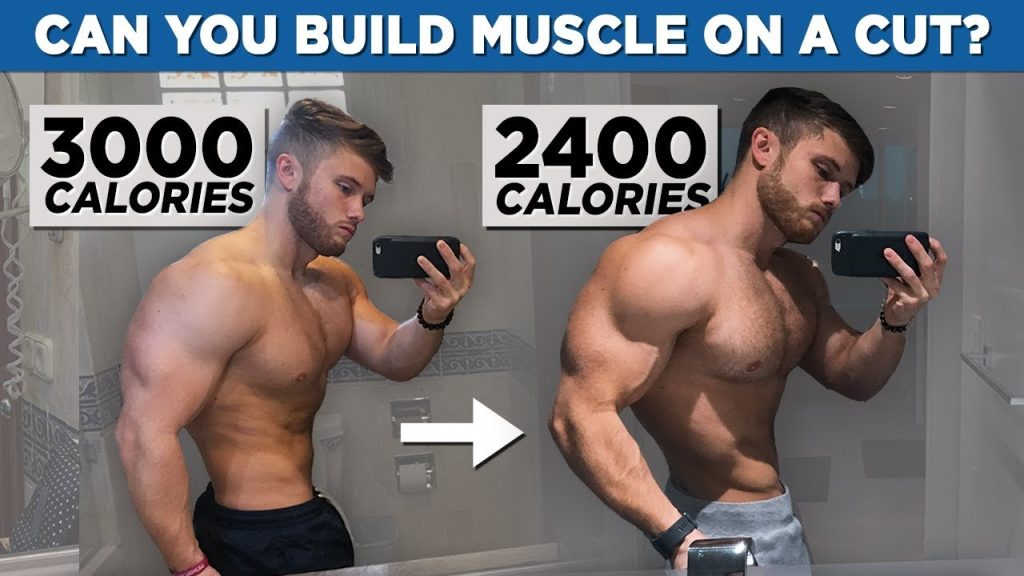
Are you trying to shed some pounds while also wanting to build muscle? It sounds like a dream come true, right?
The truth is, the idea of building muscle while in a calorie deficit can seem impossible. You’ve probably heard that to gain muscle, you need to eat more. So, how can you achieve both goals at the same time? This topic is packed with myths and misconceptions, and it’s easy to feel overwhelmed.
But don’t worry, you’re not alone in this quest. We’ll dive into the science behind building muscle in a deficit, debunk the myths, and provide you with practical tips. By the end, you’ll discover how you can effectively sculpt your body without sacrificing your muscle gains. Keep reading to unlock the secrets that could transform your fitness journey.
Muscle Building Basics
Building muscle requires a strong foundation. Understanding the basics helps you achieve this. Muscle growth depends on several key factors. These include caloric intake and protein consumption.
Even in a calorie deficit, muscle gain is possible. It requires careful planning and discipline.
Role Of Caloric Intake
Calories are energy units our body needs. Consuming fewer calories than burned creates a deficit. In a deficit, the body might use muscle for energy. This can hinder muscle growth.
Balancing calories is crucial. Ensure you consume enough to support muscle maintenance. Even in a deficit, the right balance aids muscle preservation.
Importance Of Protein
Protein is the building block of muscles. It plays a crucial role in repair and growth. Even with low calories, a high-protein diet helps maintain muscles.
Include lean meats, eggs, and legumes in your diet. These foods are rich in protein and support muscle health. Aim for consistent protein intake throughout the day.

Credit: m.youtube.com
Deficit Defined
Understanding the term ‘deficit’ is crucial for fitness goals. It’s often linked with weight loss, but can you build muscle in a deficit? Let’s explore how a deficit influences muscle growth.
Caloric Deficit Explained
A caloric deficit occurs when you consume fewer calories than you burn. It’s the foundation for losing weight. Your body uses stored energy to make up for the shortfall. This process can impact muscle growth. Building muscle requires energy. In a deficit, the body might prioritize energy for vital functions. But muscle gain isn’t impossible. Strategic nutrition can help.
Balancing Deficit And Nutrition
Balancing a deficit with proper nutrition is key. Eating enough protein supports muscle repair and growth. Choose nutrient-rich foods. They provide essential vitamins and minerals. These nutrients aid in maintaining muscle while losing fat. Focus on quality over quantity. Small adjustments can make a big difference. Monitor your intake and adjust as needed. This balance supports muscle retention during a deficit.
Science Of Muscle Growth In Deficit
Building muscle while in a caloric deficit challenges traditional beliefs. Many think gaining muscle requires excess calories. But science shows it’s possible with the right approach. Understanding the science of muscle growth in deficit is crucial. It involves metabolic adaptation and muscle protein synthesis.
Metabolic Adaptation
Metabolic adaptation plays a key role in muscle growth during a deficit. Your body adjusts to lower calories. It becomes more efficient at using energy. This efficiency supports muscle maintenance and growth. The adaptation process involves hormonal changes. These changes help preserve muscle mass. They can even aid muscle growth, despite fewer calories.
Muscle Protein Synthesis
Muscle protein synthesis is vital for building muscle. It is the process of repairing and growing muscle fibers. In a deficit, protein intake must be prioritized. High-quality protein sources stimulate muscle protein synthesis. This process helps maintain muscle mass. It also supports growth even with calorie restriction. Regular strength training enhances this effect. It signals your body to build muscle despite the caloric deficit.

Credit: www.facebook.com
Key Strategies For Success
Building muscle in a calorie deficit is challenging but possible with the right approach. Prioritize protein intake and strength training. These help maintain muscle while losing fat. Focus on compound exercises for better results.
Building muscle while in a calorie deficit might seem like a daunting task, but with the right strategies, it’s entirely possible. The key lies in optimizing your workout regimen and focusing on nutrient timing and quality. These aspects can make all the difference in achieving your fitness goals. Let’s dive into practical insights that can help you succeed.Optimizing Workout Regimens
Your workout routine needs to be on point if you’re aiming to build muscle while consuming fewer calories. Focus on strength training exercises. These exercises should target multiple muscle groups. Make sure your routine includes compound movements like squats, deadlifts, and bench presses. They are excellent for building muscle and boosting metabolism. Consistency is crucial. Aim for regular workouts, ideally 3-4 times a week. This keeps your muscles engaged and helps in gradual growth. It’s not just about lifting weights; it’s about lifting them effectively. Ensure you’re challenging yourself with progressive overload. This means gradually increasing the weight or reps over time. Are you tracking your progress? Keeping a record of your workouts can offer valuable insights and motivate you to push further.Nutrient Timing And Quality
When you’re in a calorie deficit, the timing and quality of your nutrients become even more crucial. Prioritize protein intake. Protein is essential for muscle repair and growth. Spread your protein consumption throughout the day. This can help in maintaining muscle protein synthesis, crucial when you’re consuming fewer calories. Consider post-workout nutrition. Consume a protein-rich meal or shake shortly after exercising. This aids in muscle recovery and replenishment. Quality matters just as much as timing. Opt for whole foods that are rich in nutrients. Think lean meats, nuts, legumes, and whole grains. How do you handle cravings? It’s easy to reach for unhealthy snacks when you’re cutting calories. Choose nutritious alternatives like Greek yogurt or a handful of almonds. Remember, your body needs fuel to perform and recover. Balancing nutrient intake can make building muscle in a deficit far more achievable. By focusing on these strategies, you can make significant progress towards building muscle in a calorie deficit. What’s your plan to implement these tips and see real results?Common Challenges
Building muscle in a calorie deficit presents unique challenges. Muscle growth requires energy, but deficits often limit this. Balancing protein intake and strength training is crucial for muscle retention during weight loss.
Building muscle while in a calorie deficit is a hot topic among fitness enthusiasts. While it’s possible, several challenges can make the process difficult. Understanding these obstacles can help you better navigate your fitness journey and stay on track.Plateaus And Stalls
Plateaus are a common frustration when trying to build muscle in a calorie deficit. You might hit a point where your progress seems to stop. This can be disheartening, but it’s often a sign that your body is adapting to the new changes. Consider mixing up your workout routine. If you’ve been doing the same exercises, your body may need a fresh challenge. Try increasing the weight or changing the number of sets and reps. This can help break the plateau and stimulate new muscle growth.Energy Levels And Recovery
One of the biggest hurdles is maintaining energy levels. Eating fewer calories can leave you feeling tired, affecting your workouts and recovery. Imagine trying to lift weights when you’re running on empty. It’s tough, right? To combat this, focus on nutrient-dense foods. Foods rich in protein and healthy fats can help sustain your energy. Make sure to get enough sleep, as it’s crucial for muscle recovery and energy restoration. Are you adjusting your rest days based on how your body feels? Sometimes, listening to your body and allowing extra recovery time can be the key to better performance and muscle gain. Building muscle in a deficit isn’t easy, but overcoming these challenges can lead to rewarding results. How will you tackle these obstacles to achieve your fitness goals?
Credit: sci-fit.net
Real-life Success Stories
Building muscle while in a calorie deficit might sound challenging. Many believe it’s impossible. Yet, countless individuals have achieved it. Their stories inspire and motivate others. By balancing diet and exercise, they reach their goals. Let’s explore some of these success stories.
Athlete Experiences
Take Maria, a professional swimmer. She needed to lower her body fat for a competition. Maria didn’t want to lose muscle. She followed a strict diet plan. Her coach adjusted her protein intake. Maria included strength training in her routine. In three months, she gained muscle and lost fat.
Another example is Jake, a bodybuilder. He aimed to enter a lower weight class. He cut calories but maintained his muscle mass. Jake incorporated high-intensity interval training. This approach helped him shed fat. His muscle definition improved significantly.
Practical Tips From Experts
Experts offer valuable advice on building muscle in a deficit. They suggest prioritizing protein intake. Protein helps preserve muscle mass. Combine it with resistance training. This combination stimulates muscle growth.
Another tip is to track progress carefully. Keep an eye on muscle measurements. Adjust the diet and workout if needed. Listen to the body’s signals. Rest when necessary. This balance prevents burnout.
Stay consistent with the plan. Consistency leads to visible results. Celebrate small victories along the journey. It boosts motivation and commitment.
Frequently Asked Questions
Can I Build Muscle In A Protein Deficit?
Building muscle in a protein deficit is challenging. Protein is essential for muscle growth and repair. Consuming adequate protein helps support muscle development. Without sufficient protein, muscle gains may be limited. Prioritize protein intake for effective muscle-building results.
Can I Build Muscle On 1200 Calories A Day?
Building muscle on 1200 calories daily is challenging. Typically, muscle growth requires more calories and protein. A balanced diet supports muscle development. Consult a nutritionist or trainer for personalized advice. Adjust calorie intake to match your fitness goals. Proper nutrition and exercise are essential for effective muscle building.
Can You Gain Muscle Without A Calorie Surplus?
Yes, muscle gain is possible without a calorie surplus. Focus on high-protein diets and strength training. Ensure nutrient-dense food intake and adequate rest. Monitor progress and adjust workouts for effective muscle building. Prioritize consistency and adapt strategies as needed for optimal results.
Can You Get Toned In A Deficit?
Yes, you can get toned in a calorie deficit. Losing fat while maintaining muscle helps achieve a toned appearance. Combine strength training with adequate protein intake to preserve muscle mass. This approach supports muscle definition even in a deficit. Consistency is key for optimal results.
Conclusion
Building muscle in a deficit is possible. It requires smart strategies. Focus on protein-rich foods. Train consistently with resistance exercises. Prioritize rest and recovery. Track progress to stay motivated. Balance is key. Avoid extreme calorie cuts. Listen to your body.
Adjust your plan as needed. Stay patient and committed. Results may take time. Small changes lead to big gains. Remember, every body is unique. Find what works best for you. Keep learning and adapting. Building muscle while losing fat is challenging.
But achievable with the right approach. Stay dedicated and trust the process.