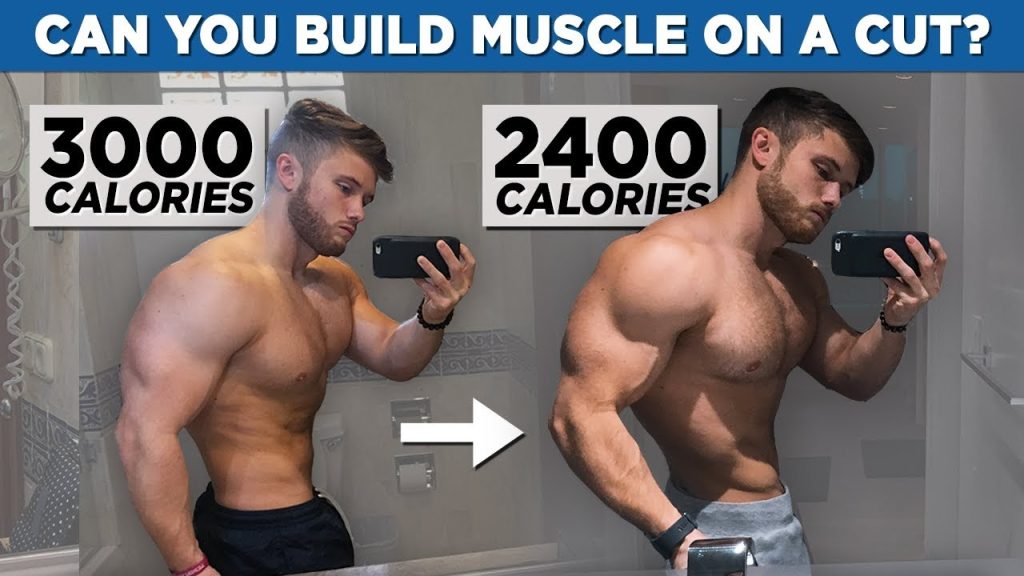
Are you struggling to balance your fitness goals with a calorie deficit? The idea of building muscle while cutting calories might sound like a contradiction.
However, it’s a question that nags at many fitness enthusiasts like you. How can you possibly gain muscle when you’re consuming less energy than your body needs? Imagine seeing the scale go down while your muscles grow stronger and more defined.
It seems almost magical, doesn’t it? You’ll discover whether it’s actually possible to build muscle in a calorie deficit. We’ll dive into the science and bust some myths along the way, so you can make informed decisions about your fitness journey. Stay with us to unlock the secrets that could transform your body composition and redefine what’s possible for you.
Calorie Deficit Basics
Understanding the basics of a calorie deficit is crucial for fitness goals. A calorie deficit means consuming fewer calories than your body needs. This practice is common for those aiming to lose weight. But can you build muscle while in a calorie deficit? To answer this, it’s essential to grasp the fundamentals of how your body manages energy and nutrients.
What Is A Calorie Deficit?
A calorie deficit occurs when you eat fewer calories than your body burns. This forces your body to use stored energy to function. It’s a common strategy for weight loss. Your body taps into fat reserves to make up the energy gap. This process leads to a reduction in body fat.
How The Body Uses Calories
Calories provide the energy needed for daily activities. Your body uses them for everything from breathing to exercising. The number of calories needed varies based on age, gender, and activity level. Eating more calories than you burn leads to weight gain. Eating fewer leads to weight loss.
Impact On Muscle Building
Building muscle while in a calorie deficit is challenging but possible. It requires a strategic approach to nutrition and exercise. Protein intake is crucial. It helps preserve muscle mass while losing fat. Strength training also plays a vital role. It stimulates muscle growth even in a calorie deficit.
Balancing Deficit And Muscle Growth
The key is to maintain a moderate calorie deficit. This ensures you have enough energy for workouts. It helps in preserving muscle mass. Consuming enough protein supports muscle repair and growth. Focus on whole foods. They provide essential nutrients without excess calories.
Muscle Building Fundamentals
Muscle building is a science. Understanding the basics is crucial for success. It involves balancing diet, exercise, and recovery. Building muscle while in a calorie deficit is challenging. Yet, not impossible. Let’s delve into the fundamentals of muscle growth.
Understanding Muscle Growth
Muscles grow when stressed during workouts. This stress causes tiny tears. Proper recovery heals these tears, making muscles stronger. Consistent exercise is key. Regular strength training helps muscles adapt and grow over time.
The Role Of Protein
Protein is essential for muscle repair. It supports growth. Consuming enough protein is vital. Even in a calorie deficit, prioritize protein intake. Aim for lean sources like chicken, fish, and legumes.
Importance Of Resistance Training
Resistance training targets specific muscle groups. It increases muscle mass and strength. Incorporate weights or resistance bands. Focus on compound exercises like squats and deadlifts. They work multiple muscles at once.
Recovery And Rest
Recovery is often overlooked. Muscles need rest to repair and grow. Ensure adequate sleep. It aids muscle recovery. Avoid overtraining. Listen to your body. Rest days are necessary for muscle growth.
Consistency And Patience
Muscle building requires time and effort. Stay consistent with workouts and nutrition. Progress may be slow in a deficit. Patience is key. Track your progress to stay motivated.
Science Behind Muscle Growth
Understanding the science behind muscle growth can be the key to achieving your fitness goals, especially if you’re trying to build muscle in a calorie deficit. Muscle growth is not magic; it’s rooted in biology and requires a strategic approach. You might be wondering if it’s possible to gain muscle while consuming fewer calories than you burn. Let’s dive into the science and find out.
What Is Muscle Growth?
Muscle growth, or hypertrophy, occurs when muscle fibers increase in size. This happens when your muscles are exposed to stress, like lifting weights, which triggers the repair process. During this process, muscle fibers fuse, increasing in size and number. The result is stronger, larger muscles.
The Role Of Protein
Protein is essential for muscle repair and growth. When you exercise, your muscles suffer tiny tears. Protein helps repair these tears and builds up the muscle tissue. Consuming enough protein is crucial, especially when you’re in a calorie deficit. Aim for high-quality sources like chicken, fish, or legumes.
Impact Of Training Intensity
How hard you train directly affects muscle growth. High-intensity workouts maximize muscle stress, leading to more significant gains. Short, intense sessions can be more effective than longer, less intense workouts. Push yourself, but listen to your body to avoid injury.
Balancing Nutrition And Exercise
Finding the right balance of nutrition and exercise is critical. You need enough energy to fuel your workouts while in a calorie deficit. Focus on nutrient-dense foods that provide energy without excess calories. Consider timing your meals to align with your workouts for optimal results.
Personal Insight: My Journey
When I first tried building muscle in a calorie deficit, I was skeptical. But by carefully monitoring my protein intake and adjusting my workout intensity, I saw results. It taught me the importance of precision in diet and exercise. Have you tried changing your approach to see what works for your body?
Is Muscle Growth Possible In A Calorie Deficit?
Yes, but it requires a strategic approach. Focus on protein, intense workouts, and balanced nutrition. Results may take time, but with perseverance, you can achieve muscle growth. What strategies have you found effective in your fitness journey?

Credit: m.youtube.com
Role Of Nutrition In Muscle Gain
When you’re aiming to build muscle in a calorie deficit, nutrition becomes a key player. Your body needs fuel to repair and grow muscles, even when you’re cutting calories. Balancing what you eat can make a significant difference in achieving your fitness goals.
Understanding Protein’s Impact
Protein is essential for muscle growth. It helps repair muscle tissues after workouts. If you’re reducing calories, ensure you’re not cutting down protein intake. Lean meats, fish, and plant-based proteins like beans and lentils can be great choices.
Importance Of Timing Your Meals
Strategically timing your meals can aid muscle development. Eating protein-rich foods post-workout provides your body with the necessary nutrients for muscle repair. Consider a protein shake or yogurt after your exercise session.
Quality Over Quantity
Focus on nutrient-dense foods rather than empty calories. Whole grains, vegetables, and healthy fats should dominate your plate. These foods provide essential vitamins and minerals that support overall health and muscle recovery.
Hydration: Often Overlooked
Water is crucial for muscle function. Dehydration can impair your performance and muscle growth. Keep a water bottle handy during workouts and throughout the day. Sometimes, thirst can be mistaken for hunger, leading to unnecessary calorie intake.
Have you ever noticed how certain meals make you feel more energetic or sluggish? Reflect on your diet choices and adjust accordingly. You have the power to influence your muscle-building journey with the right nutrition. What small change can you make today to enhance your progress?
Impact Of Calorie Deficit On Muscle
Building muscle while in a calorie deficit might seem challenging, but it is not impossible. Understanding how your body adapts to fewer calories can help you achieve your fitness goals. It’s crucial to recognize how a calorie deficit impacts muscle growth and what strategies you can use to mitigate any adverse effects.
Energy Balance
Energy balance is the relationship between the calories you consume and the calories you burn. When you’re in a calorie deficit, you’re consuming fewer calories than your body needs for maintenance. This can often lead to weight loss, but it also means your body has less energy to build muscle. However, if you’re strategic about your energy intake and expenditure, you can still see muscle gains.
Consider this: maintaining regular weight training sessions can signal your body to preserve muscle mass. You might have noticed that even during a period of reduced calorie intake, consistent workouts can help maintain your strength. This is because your body prioritizes muscle preservation when it senses the need for it. Are you ensuring your workouts remain challenging?
Protein Synthesis
Protein synthesis is the process through which your body builds new proteins, crucial for muscle growth. In a calorie deficit, this process can be slowed down due to reduced energy availability. However, by prioritizing protein intake, you can support muscle maintenance and growth even when calories are limited.
Have you ever tried increasing your protein intake during a diet phase? You might have noticed that consuming adequate protein helps you feel full and supports muscle repair. Aim for high-quality protein sources like chicken, fish, beans, and tofu. Are you getting enough protein to fuel your workouts?
Maintaining a calorie deficit doesn’t mean you have to sacrifice muscle growth. By understanding energy balance and protein synthesis, you can make informed decisions to support your fitness journey. What adjustments will you make to ensure your muscles continue to grow?

Credit: www.facebook.com
Factors Influencing Muscle Growth In Deficit
Building muscle while in a calorie deficit depends on several factors. Protein intake plays a crucial role in muscle synthesis. Strength training can help maintain muscle mass despite lower calories.
Building muscle while in a calorie deficit can seem like a challenging puzzle. However, several factors can significantly influence muscle growth, even when you’re consuming fewer calories than you burn. Understanding these factors can help you fine-tune your approach to fitness and nutrition, making muscle gains more achievable. Let’s dive into some key elements that can impact your muscle-building journey during a calorie deficit.Training Intensity
The intensity of your workouts plays a crucial role in muscle growth. High-intensity training stimulates muscle fibers, encouraging them to grow stronger and bigger. It’s not just about lifting heavier weights but also about pushing your limits with each session. Have you ever noticed how your muscles feel after a challenging workout? That burn is a sign that you’re on the right track. Incorporating compound movements like squats, deadlifts, and bench presses can maximize your muscle recruitment. Aim for progressive overload, where you gradually increase the weight or resistance. This strategy is essential for muscle development, even when calories are restricted.Genetic Factors
Your genetics can influence how easily you gain muscle, regardless of your calorie intake. Some people are naturally predisposed to build muscle more effectively due to their genetic makeup. This doesn’t mean you can’t achieve your goals if you don’t have “ideal” genetics. Do you know someone who seems to gain muscle effortlessly? While it might be tempting to compare yourself, remember that everyone’s body responds differently. Embrace your unique journey, and focus on optimizing your training and nutrition. Tailor your workout plans to suit your body type and capabilities, ensuring consistent progress over time.Nutrient Timing
When you eat can be just as important as what you eat, especially in a calorie deficit. Timing your meals strategically can enhance your muscle growth and recovery. Consuming protein around your workouts can help repair and build muscle tissue more effectively. Imagine finishing a workout and refueling with a protein-rich meal. This practice can lead to better recovery and muscle preservation. Consider having a balanced meal with carbohydrates and protein about 30-60 minutes post-workout. This timing can replenish glycogen stores and kickstart muscle repair, crucial for those trying to build muscle while losing fat. Navigating a calorie deficit with the goal of muscle growth requires a strategic approach. What changes will you make in your routine to support your muscle-building goals?Real-life Experiences
Many wonder if muscle growth is possible with fewer calories. Real stories offer insights. They help us understand the challenges and successes. Each journey is unique. People share their personal experiences. These stories inspire others on similar paths.
Case Studies
John, a 35-year-old office worker, faced weight issues. He decided to lose weight but wanted to keep muscle. John reduced his calories and hit the gym. Over six months, he saw changes. He lost fat and gained muscle. His secret? Consistent workouts and protein intake.
Anna, a young mother, had a similar journey. She struggled with post-pregnancy weight. Anna aimed to build strength. She ate fewer calories but focused on nutrients. Her routine included weight training. After a year, Anna was leaner and stronger.
Athlete Insights
Professional athletes also share experiences. They often need to stay lean for competitions. Maria, a track athlete, maintained her muscle. She cut calories before a big event. Her coach helped balance her diet. Maria’s focus was high protein and smart training.
Tom, a bodybuilder, faced off-season weight gain. He needed to trim fat but not lose muscle. Tom adjusted his meal plan and exercise. He tracked his progress closely. With discipline, Tom achieved his goals. His advice? Keep workouts intense and meals balanced.
Common Myths And Misconceptions
Building muscle while in a calorie deficit can be challenging. Many people believe it’s impossible. This belief stems from various myths and misconceptions. Understanding these can help clear confusion.
Myth: You Need A Surplus To Build Muscle
Many think extra calories are vital for muscle growth. It’s not always true. You can gain muscle with fewer calories. The body uses stored energy to support this. Training and nutrition are key.
Misconception: More Protein Equals More Muscle
Some believe eating lots of protein builds muscle. Excess protein doesn’t always convert to muscle. The body uses what it needs. Balance your diet for best results.
Myth: Cardio Burns Muscle
Cardio has a bad reputation for muscle loss. It can actually support muscle growth. It improves heart health and endurance. Include it wisely in your routine.
Misconception: Weight Training Alone Builds Muscle
Weight training is important, but not enough alone. Proper nutrition and rest are also vital. Muscles need time to repair and grow. A balanced approach works best.
Myth: Only Young People Can Gain Muscle
Age is not a barrier to muscle growth. Older adults can also build muscle. They just need to adjust their approach. Focus on proper form and recovery.
Expert Opinions
Experts suggest building muscle in a calorie deficit is challenging yet possible. Focus on protein intake and strength training. This strategy can help maintain muscle while burning fat.
When it comes to building muscle, many people wonder if it’s possible to do so while in a calorie deficit. Expert opinions on this topic vary, offering valuable insights and strategies that you can apply to your own fitness journey. Understanding these perspectives can help you make informed decisions about your diet and exercise routines.What Do Fitness Experts Say?
Fitness experts often emphasize the importance of protein intake. They argue that increasing protein can help maintain muscle mass even when you’re cutting calories. Some experts believe that careful planning and tracking are key. They suggest monitoring your macronutrient ratios to ensure you’re getting enough protein while managing your calorie deficit.Insights From Nutritionists
Nutritionists highlight the role of nutrient timing. Eating protein-rich meals after workouts can aid muscle recovery and growth. They also stress the importance of quality over quantity. Choosing nutrient-dense foods can provide the vitamins and minerals necessary for muscle building, without adding excess calories.Personal Trainers Weigh In
Personal trainers often focus on exercise strategies. Resistance training is particularly beneficial for muscle retention during a calorie deficit. They recommend maintaining intensity in your workouts. This means challenging your muscles with heavier weights and varied exercises to stimulate growth.Is There A Middle Ground?
Some experts suggest a balanced approach. This involves cycling between calorie deficit and maintenance phases to allow your body to recover and build muscle effectively. They encourage listening to your body. Adjusting your plan based on how you feel can lead to better results and prevent burnout. Do you think there’s more to this than just numbers and calculations? Or is the key to building muscle in a calorie deficit hidden in our everyday choices and habits?Strategies For Optimizing Muscle Growth
Building muscle in a calorie deficit can seem challenging. But with the right strategies, it’s possible to optimize muscle growth. The key lies in balancing your diet and training. This can help maximize gains even when consuming fewer calories. Implementing specific adjustments ensures muscles get the support they need.
Diet Adjustments
Prioritize protein intake. Protein is essential for muscle repair and growth. Aim for lean sources like chicken, fish, or tofu. This helps maintain muscle while in a calorie deficit.
Include healthy fats. They provide energy and support hormone production. Choose options like avocados and nuts. These can keep you feeling full longer.
Consider timing your meals. Eating protein-rich meals after workouts aids recovery. This ensures muscles have the nutrients they need promptly.
Training Modifications
Focus on resistance training. This type of exercise stimulates muscle growth. Use weights or resistance bands. These help maintain muscle mass effectively.
Include compound exercises. Exercises like squats and deadlifts engage multiple muscles. They are efficient and support overall strength.
Ensure adequate rest. Rest days allow muscles to recover and grow. Overtraining can lead to fatigue and hinder progress.
Track your progress regularly. Adjust your routine based on results. Consistent evaluation helps identify what works best.

Credit: sci-fit.net
Frequently Asked Questions
Can You Be On A Calorie Deficit And Gain Muscle?
Yes, it’s possible to gain muscle on a calorie deficit. Focus on consuming enough protein and strength training. Ensure you maintain adequate nutrition to support muscle growth while losing fat. Balance is key for achieving both goals simultaneously. Prioritize nutrient-dense foods and proper workout routines.
Is 1500 Calories A Day Enough To Lose Weight And Gain Muscle?
A 1500-calorie diet may aid weight loss but might be insufficient for muscle gain. Individual needs vary based on age, gender, activity level, and goals. Consulting a nutritionist or fitness expert ensures a tailored approach. Prioritize balanced nutrition and strength training for effective muscle building and weight management.
Is 2500 Calories Enough To Build Muscle?
2500 calories might be enough to build muscle, depending on individual factors like age, weight, and activity level. Ensure protein intake is adequate for muscle growth. Consult a nutritionist or fitness expert to tailor your calorie needs. Adjust intake based on progress and results for optimal muscle gain.
Can I Build Muscle On 1200 Calories A Day?
Building muscle on 1200 calories daily is challenging. Most people need more calories for muscle growth. Focus on a balanced diet with adequate protein. Consider consulting a nutritionist for personalized advice.
Conclusion
Building muscle in a calorie deficit is possible. Focus on protein intake. Strength training is crucial. Consistency is key. Listen to your body. Results take time. Stay patient. Monitor progress regularly. Adjust your plan as needed. Balance is essential. Remember, every body is unique.
What works for others may not work for you. Keep learning about your body. Seek guidance if unsure. A balanced approach leads to success. Stay committed to your goals. Small steps lead to big changes. Embrace your journey to better health.