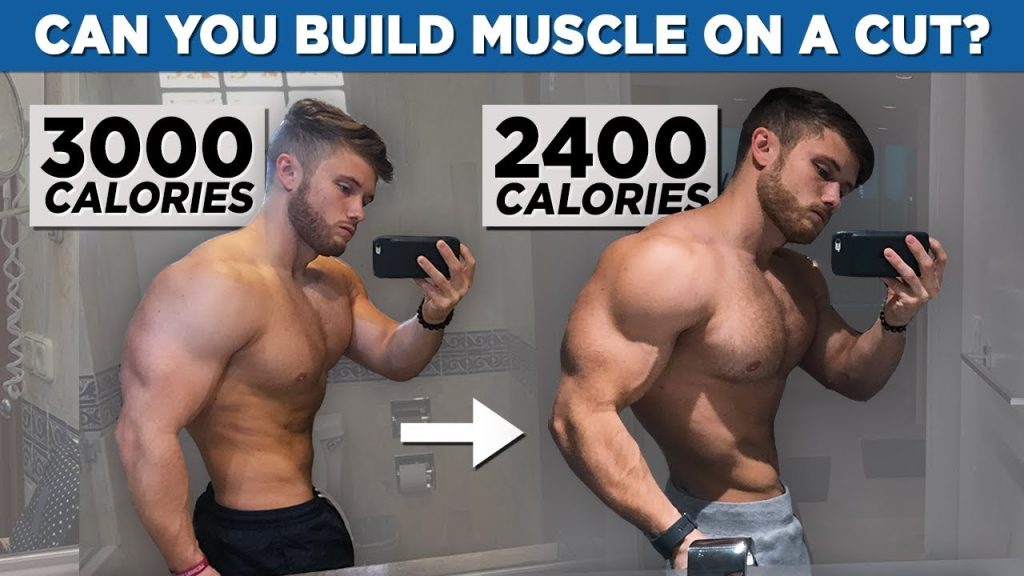
Imagine sculpting your dream physique while shedding those stubborn pounds. It sounds like a fitness fairy tale, doesn’t it?
Yet, many fitness enthusiasts and beginners alike ponder this intriguing question: Can you build muscle in a caloric deficit? If you’ve ever wondered whether you can gain strength and size while losing weight, you’re not alone. This question has puzzled gym-goers and experts for years.
But here’s the exciting part: the answer might surprise you. By understanding the right strategies, you can unlock the secrets to achieving both goals simultaneously. Keep reading, and discover how you can transform your body, break through plateaus, and finally achieve the results you’ve always desired.

Credit: www.facebook.com
Muscle Growth Basics
Building muscle requires dedication and understanding of how your body works. Many believe muscle growth is impossible in a caloric deficit. While challenging, it is possible with the right approach. Let’s explore the essentials of muscle growth.
Role Of Protein
Protein plays a crucial role in muscle growth. It is the building block of muscles. Consuming enough protein helps repair and build muscle fibers. Aim for protein-rich foods like chicken, fish, and beans. These foods support muscle growth even in a caloric deficit.
Importance Of Resistance Training
Resistance training is key for muscle development. Lifting weights challenges your muscles, leading to growth. Incorporate exercises like squats, deadlifts, and bench presses. These exercises target multiple muscle groups. Consistency in training helps maintain muscle mass.
Caloric Deficit Explained
Understanding a caloric deficit is key if you’re aiming to shed some weight or simply get healthier. It’s a term you hear often in fitness circles, but what does it really mean? Essentially, a caloric deficit occurs when you consume fewer calories than your body needs to maintain its current weight. But how does this impact your body? And how is it different from a caloric surplus? Let’s break it down.
How It Affects The Body
When your body is in a caloric deficit, it starts using stored energy to make up for the shortage. This stored energy is fat. So, being in a deficit can lead to weight loss. But it’s not just about losing weight.
Your metabolism might slow down, and your energy levels could dip. This is your body’s way of preserving energy. Have you ever felt sluggish when you’re dieting? That’s your body adapting to fewer calories.
On the flip side, some people find they have sharper mental clarity during a deficit. This happens because the body releases certain hormones that can enhance focus and alertness.
Difference Between Deficit And Surplus
Think of a caloric deficit and surplus as two sides of a coin. In a deficit, you’re consuming less than what your body needs, leading to weight loss. In a surplus, you’re eating more, which can lead to weight gain.
Imagine you’re saving money. A deficit is like spending less than you earn, leading to savings. A surplus is spending more than you earn, potentially leading to debt. It’s all about balance and knowing what your body needs.
Ask yourself: Are you fueling your body for the demands you place on it? Understanding this balance is crucial. It’s not just about eating less or more; it’s about giving your body what it truly requires.
Whether you’re in a deficit or surplus, make sure your nutrition supports your goals. Without proper nutrition, neither will work effectively. So, what’s your current approach? Are you in tune with your body’s needs?
Impact Of Caloric Deficit On Muscle Building
Building muscle while in a caloric deficit may seem like a daunting task. You often hear that to gain muscle, you need to eat more. But is it possible to achieve your muscle-building goals while consuming fewer calories? Understanding the impact of a caloric deficit on muscle building can help you navigate this tricky terrain and make informed decisions about your fitness journey.
Challenges And Limitations
One of the main challenges is providing your body with enough energy to support muscle growth. When you’re in a caloric deficit, your body lacks the surplus energy typically used for muscle repair and growth. You might notice slower progress in muscle gain compared to when you’re consuming more calories.
Another limitation is maintaining muscle mass. Your body might break down muscle for energy if you’re not careful, especially if your protein intake is low. This can lead to muscle loss instead of muscle gain. Adjusting your protein intake can help mitigate this risk.
Have you ever felt tired or lacked motivation during workouts? A caloric deficit can make it harder to maintain intensity and focus during exercise, impacting your muscle-building efforts. Consider prioritizing workouts and recovery to counteract this challenge.
Factors Influencing Muscle Gain
Your protein intake plays a critical role in muscle building during a caloric deficit. Consuming enough protein helps preserve muscle mass and encourages muscle repair. Aim for a balanced diet with adequate protein to support your goals.
Strength training is another key factor. Focusing on progressive overload in your workouts can stimulate muscle growth even when calories are limited. Increasing weights gradually or adding more repetitions can contribute to muscle gain.
Have you thought about your sleep habits? Quality sleep is essential for recovery and muscle growth. Poor sleep can hinder your progress, so ensure you’re getting enough rest each night. Consider how improving sleep quality could enhance your muscle-building journey.
So, can you truly build muscle in a caloric deficit? With careful consideration of these factors, the answer can be yes. What adjustments will you make to turn this challenge into an opportunity?
Scientific Evidence And Studies
Recent studies suggest it’s possible to build muscle while in a caloric deficit. This requires a focus on consuming enough protein and engaging in strength training. Scientific evidence highlights that maintaining muscle growth depends on diet and exercise balance.
When it comes to building muscle, the common advice is to eat more calories than you burn. This helps fuel muscle growth. But what if you’re trying to lose weight at the same time? Can you build muscle while eating fewer calories than you burn? Scientific studies have sought to answer this intriguing question. Let’s look at the evidence and see what researchers have found.Key Research Findings
Research shows that building muscle in a caloric deficit is possible, especially for beginners or those returning to training after a break. A study published in the “Journal of Clinical Endocrinology and Metabolism” found that participants who followed a strength-training program while consuming fewer calories were able to gain muscle mass. They also lost fat, showing that both goals can be achieved simultaneously. Another study in the “American Journal of Clinical Nutrition” highlighted how protein intake plays a crucial role. Participants who ate a higher amount of protein while in a caloric deficit preserved more muscle mass compared to those with lower protein intake. This suggests that your diet can significantly impact your ability to maintain and even build muscle.Case Studies And Real-world Examples
Take the case of a fitness enthusiast who managed to transform their physique while cutting calories. By prioritizing strength training and consuming adequate protein, they managed to gain muscle definition even as the scale dropped. Their journey is a testament to the power of strategic planning and disciplined execution. In another example, a group of overweight individuals participated in a study. They adhered to a calorie-restricted diet combined with resistance training. The results showed improved body composition, with muscle gain and fat loss occurring simultaneously. This real-world example provides hope that you, too, can achieve similar results with the right approach. Have you ever considered how adjusting your diet and exercise routine could lead to unexpected gains? Understanding these scientific findings may inspire you to rethink your strategy. Start by evaluating your protein intake and ensure your workouts are geared towards muscle maintenance and growth. By doing so, you may find yourself both leaner and stronger. Are you ready to challenge the traditional norms and see what’s possible for your body?Strategies For Building Muscle In A Deficit
Building muscle in a caloric deficit is possible with the right approach. Focus on protein intake to support muscle growth. Incorporate strength training exercises for effective results.
Building muscle while in a caloric deficit might seem like a daunting task, but with the right strategies, it’s entirely achievable. When you’re consuming fewer calories than your body needs, it’s crucial to make every nutrient count. With a well-structured plan, you can maximize muscle growth even when you’re trimming down. Let’s dive into some practical strategies to help you achieve this goal.Optimizing Nutrition
Eating the right foods can make a huge difference in your muscle-building journey. Focus on consuming high-protein meals to support muscle repair and growth. Protein is your best friend here, so aim for lean meats, fish, eggs, and plant-based options like beans and lentils. Consider timing your meals strategically. Eating protein-rich snacks before and after workouts helps your muscles recover faster. It’s not just what you eat, but when you eat it that matters. Have you tried tracking your nutrient intake? It can be eye-opening. Apps can help you ensure you’re getting enough protein, healthy fats, and carbs to fuel your workouts and recovery.Effective Workout Plans
Your workout routine should be tailored to your goals. Focus on strength training exercises that target major muscle groups. Compound exercises like squats, deadlifts, and bench presses are excellent choices. Keep your workouts intense but short. High-intensity interval training (HIIT) can be effective in a calorie deficit, as it burns fat while preserving muscle mass. Are you giving yourself enough rest? Muscle growth happens during rest periods, so don’t overlook recovery days. Listen to your body and adjust your routine as needed to prevent overtraining.Role Of Supplements
Supplements can be a helpful addition to your diet, but they are not magic solutions. Consider protein powder to easily meet your daily protein needs. It’s convenient and can be mixed into smoothies or shakes. Creatine is another supplement worth considering. It can enhance your workout performance and help with muscle recovery. Just be sure to research and choose high-quality products. Are you relying too heavily on supplements? Remember, they should complement a balanced diet, not replace it. Prioritize whole foods first, and use supplements to fill any nutritional gaps. Building muscle in a deficit requires dedication and smart planning. What changes will you make today to start seeing results?Common Myths And Misconceptions
Building muscle while in a caloric deficit remains a debated topic. Some believe it’s impossible due to lack of energy from food. Yet, with proper nutrition and strength training, muscle growth can occur even with fewer calories.
Common Myths and Misconceptions When it comes to building muscle, many people believe they need to eat more calories than they burn. This is not entirely true. It’s time to address some common myths and misconceptions about building muscle in a caloric deficit. Understanding the truth can help you achieve your fitness goals without unnecessary stress.Debunking Popular Beliefs
A widespread belief is that it’s impossible to gain muscle while consuming fewer calories. This isn’t always the case. Your body can still build muscle by using stored fat for energy. Another myth is that you must consume high amounts of protein to see any muscle growth. While protein is essential, balance is key. Excessive protein intake can be counterproductive and lead to health issues. Some believe that lifting heavy weights is the only way to build muscle. You can build muscle with lighter weights and higher repetitions. It’s about the quality of your workout, not just the quantity.Understanding The Balance
Achieving muscle growth in a caloric deficit requires a delicate balance. You need to ensure you’re consuming enough protein and essential nutrients. This supports muscle repair and growth. Focus on nutrient-dense foods that provide energy without excess calories. Foods like lean meats, whole grains, and vegetables are excellent choices. Consistency in your workout routine is crucial. You can’t skip workouts and expect results. Find a workout plan that fits your lifestyle and stick to it. Have you ever noticed how some athletes maintain muscle mass while slimming down for competitions? They achieve this by smartly managing their diet and training. You can apply similar strategies to your own fitness plan. Are you ready to challenge these myths and misconceptions? Understanding the balance will empower you to reach your muscle-building goals, even in a caloric deficit.Expert Opinions And Advice
Building muscle in a caloric deficit sparks debates among fitness enthusiasts. Experts have differing views on its feasibility. Nutritionists and trainers offer valuable insights. Their advice helps understand this complex topic better.
Insights From Nutritionists
Nutritionists emphasize the role of protein. Adequate protein intake supports muscle maintenance. They suggest consuming protein-rich foods like chicken and beans. Balancing macronutrients is also crucial. Carbs and fats provide energy for workouts. Nutritionists often highlight the importance of timing meals. Eating before and after workouts aids muscle repair.
Trainers’ Perspectives
Trainers often stress the importance of strength training. Lifting weights helps maintain muscle mass. They recommend a consistent workout routine. Compound exercises like squats and deadlifts are effective. Trainers advise monitoring progress closely. Adjusting workouts based on results is key. Rest days are important too. They allow muscles to recover and grow.

Credit: sci-fit.net
Practical Tips For Success
Building muscle while in a caloric deficit can be challenging. Yet, it’s not impossible. Success hinges on a strategic approach. Implementing practical tips can help you achieve your muscle-building goals. This section provides actionable advice. It’s designed to optimize your efforts and maximize results.
Setting Realistic Goals
Start by setting achievable goals. Understand your body’s limits. Avoid aiming for drastic changes overnight. Set small, attainable milestones. This helps maintain motivation. Focus on incremental progress. Realistic goals lead to sustainable success.
Tracking Progress And Adjustments
Tracking progress is crucial. Regularly monitor your muscle growth. Use a journal or app. Record your workouts and diet. This helps identify what’s working. Adjust your strategies accordingly. Be open to change. Small tweaks can lead to big results.

Credit: m.youtube.com
Frequently Asked Questions
Can I Build Muscle On A Calorie Deficit?
Yes, building muscle on a calorie deficit is possible. Focus on high-protein intake and strength training. Adjust workouts for optimal muscle gain and fat loss balance. Consistency and proper nutrition are key to achieving results.
Can You Build Muscle On 1200 Calories A Day?
Building muscle on 1200 calories a day is challenging. Most need more calories for muscle growth. This calorie level may not provide enough protein and nutrients. Prioritize balanced nutrition and consult a professional for personalized advice.
What Happens If I Lift Weights In A Calorie Deficit?
Lifting weights in a calorie deficit can lead to fat loss while preserving muscle mass. Ensure adequate protein intake to support muscle maintenance. Combining strength training with a calorie deficit helps improve body composition and boosts metabolism. Consistent workouts and balanced nutrition are crucial for optimal results.
Is 1500 Calories A Day Enough To Lose Weight And Gain Muscle?
Consuming 1500 calories may not be sufficient for muscle gain. Individual needs vary based on activity level, age, and goals. For effective weight loss and muscle gain, consult a nutritionist. Balance calories with protein intake and strength training to support muscle development and fat loss.
Conclusion
Building muscle in a caloric deficit is challenging but possible. Focus on protein intake. Train with intensity. Rest is crucial for recovery. Monitor progress and adjust as needed. Small gains can happen over time. Patience is key. Muscle growth might be slower.
Consistency is vital. Keep goals realistic. Listen to your body. Stay motivated and committed. You can achieve your fitness goals with dedication. Remember, it’s a journey, not a sprint. Balance your diet and workouts for best results. Keep learning and adapting.
Your effort pays off in the long run.