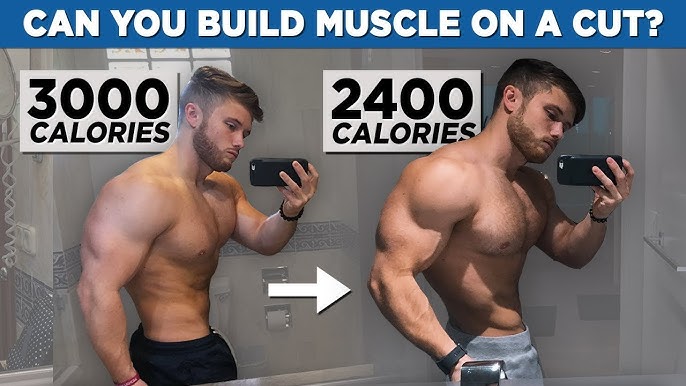
Have you ever wondered if you can build muscle without eating more? Maybe you’re content with your current weight but still want to see those muscles grow.
The idea of building muscle at maintenance calories might sound too good to be true. Yet, it’s a fascinating topic that challenges conventional wisdom. What if you could transform your body composition without changing your caloric intake? This intriguing possibility opens up a world of potential for anyone looking to get stronger without the hassle of bulking and cutting.
Dive into this article, and discover the science, strategies, and surprising truths that could change your approach to fitness forever.

Credit: www.seannal.com
Muscle Building Basics
Building muscle is a journey that combines dedication, strategy, and understanding how your body responds to different inputs. One common question is whether you can build muscle while consuming maintenance calories. Let’s break down the basics of muscle building to shed light on this topic.
Role Of Protein
Protein is crucial for muscle growth. It provides the building blocks, known as amino acids, that your muscles need to repair and grow after workouts. You might wonder, how much protein should you consume? Aim for about 1.6 to 2.2 grams per kilogram of body weight daily. This amount can support muscle growth even if you’re not in a calorie surplus.
Consider practical examples. A chicken breast, a scoop of whey protein, or even a plant-based option like lentils can help you reach your daily protein goal. Have you tried tracking your protein intake using apps? It’s a simple way to ensure you’re on the right path.
Importance Of Resistance Training
Resistance training is the cornerstone of muscle building. It involves exercises that challenge your muscles, prompting them to grow stronger. Are you incorporating this into your routine? You should engage in resistance training at least three times a week.
Focus on compound exercises like squats, deadlifts, and bench presses. These exercises work for multiple muscle groups and are efficient for building strength. Have you ever noticed the difference after a consistent training schedule? It’s rewarding to see your strength increase over time.
Muscle building is more than just lifting weights and eating protein. It’s about understanding your body’s needs and tailoring your approach to fit your lifestyle. Are you ready to take these insights and apply them to your routine? Your commitment to learning and improving will be the key to achieving your muscle-building goals.
Understanding Maintenance Calories
Building muscle at maintenance calories is a fascinating concept. Understanding maintenance calories is key. This approach can be effective for muscle growth. It avoids the excess fat gain. It also helps maintain your current weight.
Defining Maintenance Calories
Maintenance calories are the calories needed to keep your weight steady. Consuming more or fewer calories affects your weight. To build muscle, you must focus on nutrients. Protein is crucial for muscle growth.
Maintenance calories vary for each person. They depend on age, gender, activity level, and metabolism. Your daily routine also impacts this number. Knowing your maintenance calories aids in muscle building.
Calculating Your Maintenance Level
Calculating maintenance calories requires some steps. First, determine your basal metabolic rate (BMR). This is the energy your body uses at rest. Use online calculators for this. They consider your age, weight, and height.
Next, factor in your activity level. Different activities burn different amounts of calories. Sedentary lifestyles require fewer calories. Active individuals need more. Combine BMR and activity level to find maintenance calories.
Tracking your calorie intake helps maintain your weight. Monitor your daily consumption. Adjust as needed to meet your goals. This balance supports muscle building. Keep an eye on your body’s signals. They guide your adjustments.
Factors Influencing Muscle Gain
Building muscle at maintenance calories is possible with the right strategies. Focus on strength training and progressive overload. Protein intake and adequate rest also play crucial roles in muscle growth.
Building muscle while maintaining your current calorie intake can be challenging, but it’s not impossible. You might wonder, is it really feasible to gain muscle without increasing calorie consumption? The answer lies in understanding the factors that influence muscle growth. While a calorie surplus often makes muscle gain easier, certain elements like genetics, training intensity, and protein intake play pivotal roles in your muscle-building journey.Genetics And Muscle Growth
Your genetic makeup can significantly impact your muscle growth potential. Some people naturally have a higher percentage of fast-twitch muscle fibers, which are more responsive to strength training. If you’re one of the lucky ones, you might find it easier to build muscle even at maintenance calories. However, genetics aren’t the end of the story. While you can’t change your DNA, focusing on other factors can help you maximize your potential. Reflect on your own progress and consider how your unique genetic makeup might be influencing your results.Training Intensity And Frequency
How hard and often you train are critical factors in muscle gain. Training with high intensity and frequency can stimulate muscle growth, even without additional calories. Aim to challenge your muscles with progressive overload, which means gradually increasing the weight or resistance you use. Consistency is key. Plan your workouts to ensure you’re hitting each muscle group regularly. Have you noticed how your body responds to different training frequencies? Adjust accordingly to find what works best for you.Protein Intake And Timing
Protein is crucial for muscle repair and growth. Consuming sufficient protein, even at maintenance calories, can help support muscle gain. Aim to distribute your protein intake evenly throughout the day to maximize muscle protein synthesis. Consider the timing of your protein consumption. Eating protein-rich meals or snacks around your workouts can enhance muscle recovery and growth. Have you tried experimenting with different protein sources or timing strategies? Small adjustments can make a big difference. Understanding these factors can empower you to make informed decisions about your fitness journey. What changes will you make to optimize your muscle gain at maintenance calories?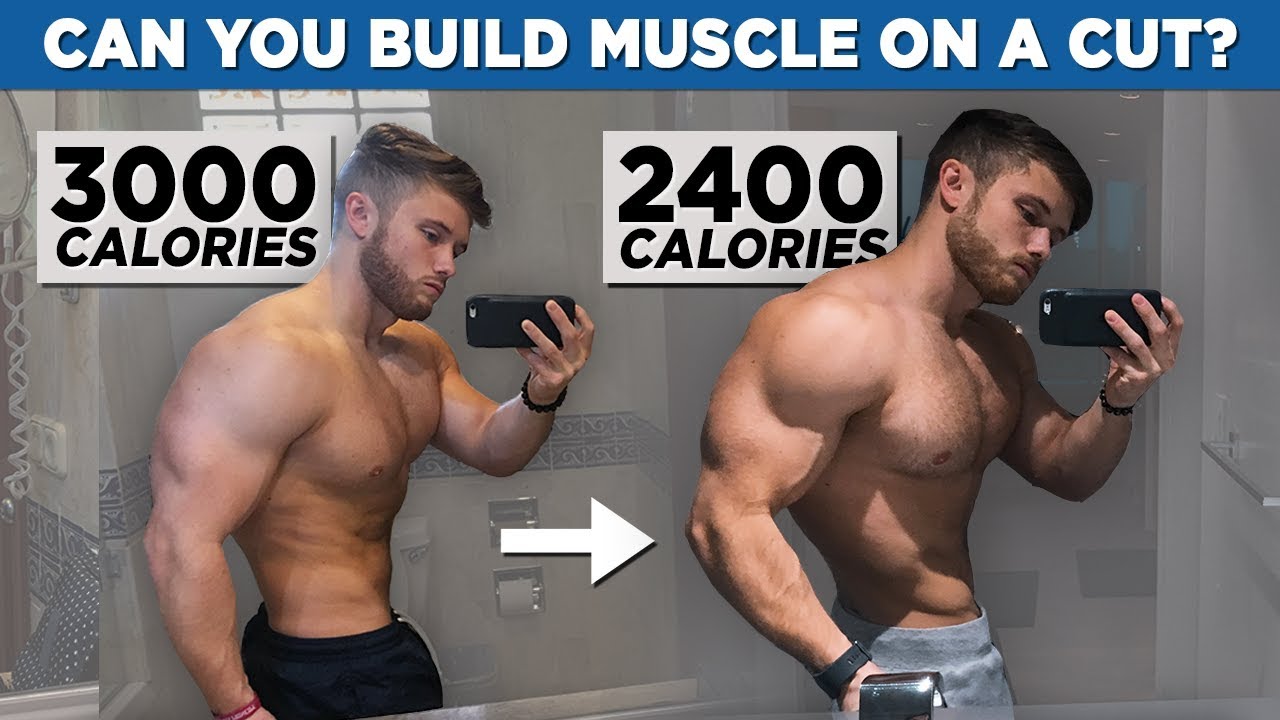
Credit: www.youtube.com
Myth Or Fact: Muscle Gain At Maintenance
You’ve probably heard people say you can’t build muscle without eating in a caloric surplus. But is it true? The idea of gaining muscle while eating maintenance calories has been a hot topic in fitness circles. Some swear by it, while others dismiss it as a myth. Let’s dive into the facts and see what science says about muscle gain at maintenance levels.
Scientific Evidence
Research shows that muscle growth can occur even when you’re not consuming extra calories. Studies have found that with proper resistance training and adequate protein intake, muscle gain is possible at maintenance levels. Your body becomes more efficient at using the nutrients you consume, especially if you’re consistent with your workouts.
Consider this: a study published in the Journal of Strength and Conditioning Research found participants gained muscle while maintaining their weight over a 12-week period. They followed a structured workout plan and consumed enough protein daily. This suggests that while caloric surplus speeds up muscle gain, it isn’t strictly necessary for everyone.
Common Misconceptions
Many believe that you need to eat significantly more to gain muscle. This misconception stems from the idea that calories are directly tied to muscle growth. While calories provide the energy needed for training, it’s your workout intensity and nutrition balance that play a crucial role.
Another common belief is that gaining muscle without extra calories is slow and ineffective. But think about this: if you’re patient and consistent, the results will come. You might not see drastic changes overnight, but steady progress is still progress. Isn’t it better to gain muscle slowly than to gain fat quickly?
People often overlook the importance of protein. Ensuring your protein intake is sufficient can help maximize muscle synthesis, even at maintenance calorie levels. Have you assessed if your protein intake meets your muscle-building needs?
Have you tried building muscle at maintenance calories? What was your experience? Share your thoughts in the comments below!
Strategies For Success
Building muscle while maintaining calorie intake requires a strategic approach. Success hinges on optimizing nutrition and training techniques. Focus on protein synthesis and structured training plans. These strategies can help maximize muscle gains.
Optimizing Protein Synthesis
Protein is crucial for muscle growth. Consuming enough protein supports muscle repair and growth. Aim for 1.6 to 2.2 grams of protein per kilogram of body weight. Spread protein intake throughout the day. This ensures constant availability for muscle synthesis. Include protein in each meal and snack. Lean meats, dairy, and plant-based options are excellent sources. Prioritize protein-rich foods post-workout. This boosts recovery and enhances muscle building.
Periodization In Training
Structured training can drive muscle growth. Periodization organizes workout routines into cycles. It balances intensity and volume. Alternating between heavy and lighter weights can prevent plateaus. Start with a focus on strength, then shift to hypertrophy. This mix optimizes muscle adaptation. Track progress and adjust cycles as needed. Consistency and variation are key. Listen to your body and rest when necessary. Recovery is vital for muscle development.
Real-world Examples
Many believe building muscle requires excess calories. But real-world examples show otherwise. Some individuals achieve muscle growth while eating maintenance calories. Let’s explore these cases.
Case Studies
John, a fitness enthusiast, maintained his weight while building muscle. He focused on high protein intake and strength training. Over six months, he gained noticeable muscle mass. His body composition improved, proving muscle gain can occur at maintenance calories.
Sarah, a busy professional, wanted to enhance her physique. She balanced her meals to meet maintenance calorie levels. By prioritizing resistance workouts and proper recovery, Sarah experienced muscle growth. Her success story inspires many to rethink traditional muscle-building methods.
Athlete Experiences
Tom, a professional athlete, often eats at maintenance to stay in shape. He emphasizes consistency in his training and nutrition. His regimen includes varied workouts and balanced meals. Tom’s experience highlights the potential of muscle gain without calorie surplus.
Lisa, a competitive swimmer, shares a similar experience. Her training demands high performance without weight gain. Eating at maintenance allows her to build muscle. Her disciplined approach to diet and exercise serves as a valuable lesson.
Potential Challenges
Building muscle at maintenance calories can be tricky. The body needs enough protein and strength training. Balancing energy intake and expenditure is crucial for muscle growth without surplus calories.
Building muscle while maintaining calories can be a challenging yet rewarding endeavor. It requires careful planning and an understanding of the body’s needs. While it’s possible to gain muscle without a calorie surplus, several obstacles can hinder progress. Knowing these potential challenges can help you stay on track and achieve your fitness goals.Plateaus In Progress
One of the biggest hurdles is hitting a plateau. You might notice your strength increasing initially, but then progress stalls. This can be frustrating and demotivating. It’s essential to vary your workouts to keep your muscles guessing. Are you doing the same routine every week? Mix it up with different exercises or increase the intensity. Sometimes, small tweaks can reignite your progress. Remember, the body adapts quickly, so constantly challenge it. If you find yourself stuck, it might be time to reassess your workout strategy.Nutritional Considerations
Maintaining calories while building muscle also demands precise nutritional planning. You need to focus on high-quality protein sources to support muscle growth. But how do you do this without increasing your calorie intake? Consider incorporating lean proteins like chicken, fish, or plant-based options. Balancing your macronutrients is crucial, so pay attention to your carbs and fats as well. Are you getting enough vitamins and minerals? They play a vital role in muscle repair and overall health. Keep an eye on nutrient-dense foods to ensure your body gets what it needs without extra calories. Personal story: I once underestimated the power of a balanced diet. After tweaking my nutrient intake, I noticed a significant difference in my energy levels and muscle definition. Sometimes, it’s the small changes that make the biggest impact. Building muscle at maintenance calories is possible, but it requires strategy and patience. Embrace the challenge, adjust as needed, and enjoy the journey towards a stronger you.Expert Opinions
Building muscle while maintaining calories is possible, according to experts. Focus on strength training and protein intake. Muscle growth depends on exercise type and consistency, not just calorie surplus.
Building muscle at maintenance calories is a topic filled with curiosity and debate. It may seem counterintuitive to pack on muscle without a calorie surplus, but experts offer valuable insights into how this can be achieved. Understanding their perspectives can help you navigate your fitness journey more effectively.Insights From Nutritionists
Nutritionists often emphasize the importance of optimizing your macronutrient balance. They suggest focusing on protein intake, which plays a crucial role in muscle synthesis. Imagine this: instead of increasing calories, you adjust your diet to ensure sufficient protein and nutrient-dense foods. This approach supports muscle growth while maintaining your current weight. Many nutritionists also recommend tracking your food. This helps you understand your eating patterns and make informed adjustments. Consider seeking a professional consultation to personalize your nutrition plan. It can make all the difference in achieving your muscle-building goals.Views From Fitness Trainers
Fitness trainers highlight the significance of resistance training to build muscle at maintenance calories. They argue that workouts should challenge your muscles consistently for growth. A trainer once shared how his clients achieved impressive results by focusing on progressive overload. It’s about gradually increasing the weight or intensity of exercises, pushing your muscles to adapt. Trainers often advise incorporating compound movements like squats and deadlifts. These exercises engage multiple muscle groups, maximizing the effectiveness of your workout. Ask yourself: Are you pushing your limits in the gym? Adjusting your workout routine may be the key to building muscle while maintaining your calorie intake. Experts suggest being patient and consistent. Muscle gain at maintenance calories might be slower, but it’s achievable with the right strategy.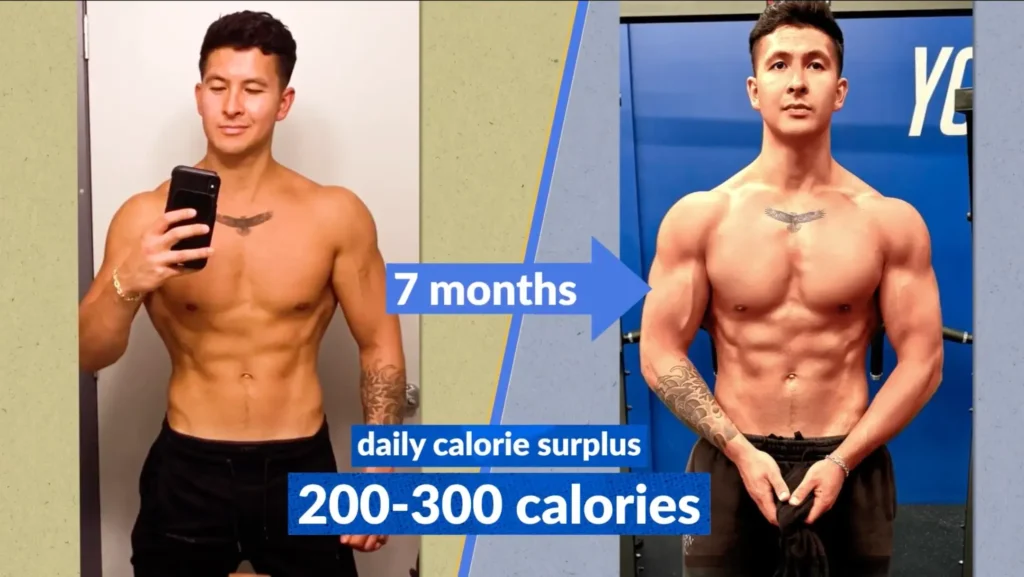
Credit: builtwithscience.com
Frequently Asked Questions
Is 2500 Calories Enough To Build Muscle?
Whether 2,500 calories are enough depends on individual factors. Consider your age, weight, activity level, and metabolic rate. Many people require more calories to build muscle effectively. Consult a nutritionist for personalized advice.
Can You Build Muscle On 1500 Calories A Day?
Building muscle on 1500 calories daily is challenging. Adequate protein intake is crucial. Combine resistance training and nutrient-dense foods for better results. Monitor progress and adjust calorie intake as needed. Consulting a nutritionist can provide personalized advice for muscle gain goals.
How Many Calories Above Maintenance To Grow Muscle?
Consume 250-500 extra calories daily above maintenance for muscle growth. Adjust based on individual goals and metabolism. Monitor progress and tweak intake as needed to ensure optimal gains. Keep protein intake high to support muscle repair and growth. Focus on nutrient-rich foods for overall health and performance.
Can You Maintain Muscle On 1200 Calories?
Maintaining muscle on 1200 calories is challenging. This low intake may lead to muscle loss, especially without strength training. Adequate protein and strength exercises are crucial. Consult a nutritionist or fitness expert for personalized advice. Prioritize nutrient-dense foods to support muscle health.
Conclusion
Building muscle at maintenance calories is possible with the right approach. Focus on strength training and proper rest. Nutrient-rich foods fuel muscle growth. Track progress and adjust workouts as needed. Consistency is key. Listen to your body. Everyone’s journey is unique.
Muscle gains may be gradual. Patience and dedication bring results. Celebrate small victories along the way. Remember, it’s about health and strength, not just size. Stay informed and keep learning. Seek advice from fitness professionals if needed. Keep a balanced lifestyle for long-term success.
Enjoy the process and stay motivated.