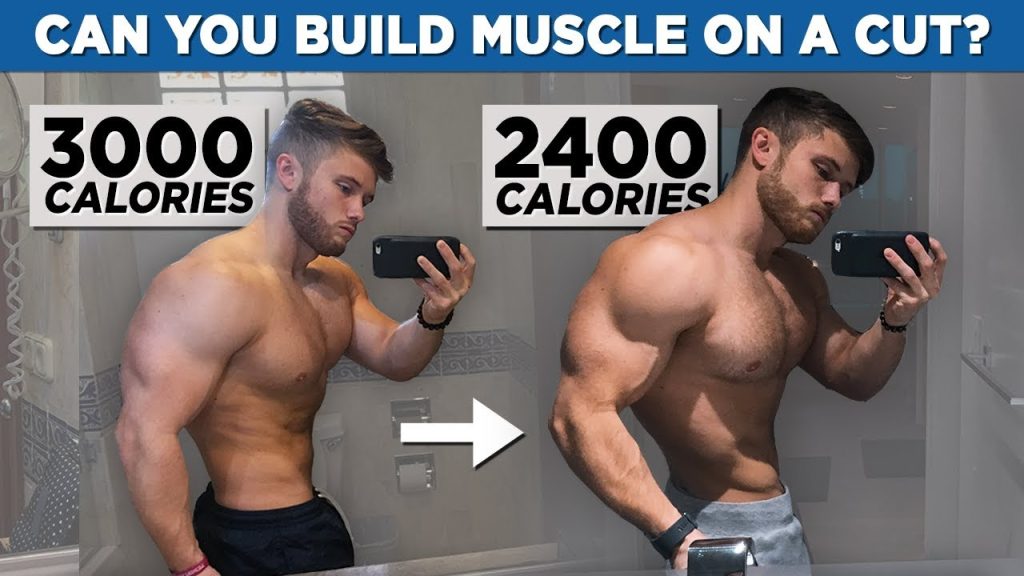
Have you ever wondered if you can build muscle while eating fewer calories than your body needs? It might sound like a dream come true, especially if you’re trying to shed some unwanted pounds while getting stronger.
You may have heard that you need to eat a lot to pack on muscle. But what if I told you there’s more to the story? There’s a way to transform your body without overloading on food. This article will unravel the truth behind muscle gain in a calorie deficit.
Imagine seeing your muscles grow even as the number on the scale drops. It’s not magic—it’s science, and you can tap into it. You’ll discover the secrets of how your body can adapt and thrive, even when the energy intake is lower. Stay with us to learn how you can achieve your fitness goals efficiently and effectively.
Muscle Building Basics
Building muscle in a calorie deficit is challenging but possible with a focused approach. Prioritize protein-rich foods and strength training. Balance these elements to preserve muscle while losing fat.
Building muscle in a calorie deficit may sound challenging, but it’s possible with the right approach. Understanding the basics of muscle building is crucial, especially when your primary goal is shedding some pounds while gaining strength. Whether you’re a beginner or seasoned athlete, mastering these fundamentals can help you achieve a leaner, stronger physique.Role Of Protein
Protein is your muscle’s best friend. It provides the building blocks needed for muscle repair and growth. Eating enough protein is essential, especially when you’re consuming fewer calories. How much protein should you aim for? Generally, about 0.8 to 1 gram per pound of body weight. This ensures your muscles get what they need, even when your calorie intake is reduced. Have you ever felt fatigued after a workout? Increasing your protein intake might help alleviate that, giving your muscles the fuel they need to recover.Importance Of Resistance Training
Resistance training is key to building muscle, especially in a calorie deficit. It challenges your muscles, forcing them to adapt and grow stronger. You don’t need fancy equipment to start. Bodyweight exercises, like push-ups and squats, can be incredibly effective. Consistency is crucial—aim for at least three to four sessions a week. Have you noticed how your energy levels fluctuate after a good workout? That’s your body responding positively to the strength training, helping you burn fat while preserving muscle. Are you ready to take control of your fitness journey? Focus on these muscle-building basics, and you’ll find yourself achieving your goals, even with a calorie deficit.
Credit: m.youtube.com
Understanding Calorie Deficit
Building muscle in a calorie deficit is challenging but possible with a balanced approach. Focus on consuming enough protein to support muscle repair and growth. Combining strength training with proper nutrition can help maintain muscle mass while losing weight.
Understanding Calorie Deficit Navigating the world of fitness often leads you to one crucial concept: calorie deficit. You might wonder if building muscle while consuming fewer calories than you burn is feasible. Understanding how calorie deficit impacts your body can be a game-changer in your fitness journey.What Is A Calorie Deficit?
A calorie deficit occurs when you consume fewer calories than your body needs to maintain its current weight. Imagine eating just enough to fuel your daily activities without overloading your system. This can be achieved by eating smaller portions or choosing foods lower in calories. A simple way to check if you’re in a calorie deficit is by monitoring changes in your weight over time.Impact On Metabolism
Being in a calorie deficit can slow your metabolism. Your body adapts to lower energy intake by conserving energy, which can make losing weight more challenging. If your metabolism slows, you may find it harder to burn calories efficiently. This is why some people plateau in their weight loss efforts despite being in a deficit. To keep your metabolism active, consider incorporating strength training into your routine. It can help maintain muscle mass, which in turn keeps your metabolism humming. Have you ever noticed how some people seem to eat a lot but never gain weight? Their metabolism is likely more efficient. Could strength training be the secret to unlocking this efficiency for you? Remember, understanding how your body responds to a calorie deficit is key. Are you ready to make informed choices that align with your fitness goals?Science Behind Building Muscle In A Deficit
Understanding the science behind building muscle while in a calorie deficit can be a game changer for your fitness goals. Many people believe you need to eat more to gain muscle. However, research shows it’s possible to build muscle even when consuming fewer calories than you burn. It’s essential to grasp how your body can achieve this remarkable feat. Let’s dive into the science that makes this possible.
Mechanisms Of Muscle Growth
Muscle growth occurs through a process known as hypertrophy. Your muscles need a stimulus to grow, which is usually strength training. When you lift weights, your muscle fibers endure small tears. Your body repairs these tears, making the muscle stronger and larger.
Protein plays a crucial role here. Even in a calorie deficit, consuming enough protein can provide the necessary building blocks for muscle repair and growth. Your muscles can still grow if they receive adequate protein intake.
Another mechanism is hormonal balance. Hormones like testosterone and growth hormone facilitate muscle growth. Their levels can be optimized through proper training and nutrition, even when you’re not eating as much.
Research Findings
Studies have shown that muscle growth is possible in a calorie deficit. Researchers found that participants who engaged in resistance training while consuming fewer calories still gained muscle mass. This challenges the common belief that you must eat more to build muscle.
In one study, participants were placed on a calorie deficit but consumed high-protein diets. They engaged in regular strength training. The results showed significant muscle gain despite reduced calorie intake.
Another research highlighted the importance of nutrient timing. Consuming protein-rich meals around workout sessions helped maximize muscle growth, even in calorie deficits. This suggests a strategic approach to eating can boost your results.
Are you willing to challenge the notion that more food equals more muscle? By understanding these scientific principles, you can make informed decisions about your fitness journey. How will you adjust your diet and training to achieve your goals?
Challenges And Considerations
Building muscle in a calorie deficit presents unique challenges. A balance between protein intake and workout intensity is crucial. Monitoring energy levels and recovery time helps optimize muscle growth efforts.
Navigating the journey of building muscle in a calorie deficit presents unique challenges. Striking the right balance between nutrition and exercise demands careful attention. Energy levels can fluctuate, impacting workout performance. Planning and precision are crucial for achieving muscle growth while consuming fewer calories.Balancing Nutrition And Training
Maintaining a proper diet is essential. Protein intake becomes crucial during a calorie deficit. It supports muscle repair and growth. Lean sources such as chicken, fish, and legumes are optimal. Carbohydrates should be chosen wisely to fuel workouts. Whole grains and vegetables provide necessary energy. Incorporate healthy fats like avocado and nuts. They aid in hormone production and satiety. Training should focus on intensity and consistency. Strength training is key. It stimulates muscle fibers and encourages growth. Balance between lifting heavy and adequate rest is vital. Rest days allow muscles to recover and grow. Incorporate compound exercises like squats and deadlifts. They target multiple muscle groups efficiently.Maintaining Energy Levels
Energy levels can dip in a calorie deficit. Hydration is essential for maintaining energy. Water consumption should be prioritized throughout the day. Electrolytes can be replenished with foods like bananas and spinach. Sleep quality directly impacts energy and muscle growth. Aim for 7-9 hours of rest each night. Monitor stress levels. High stress affects muscle recovery and energy. Engage in relaxation techniques such as meditation or deep breathing. Keep track of your body’s signals during workouts. Adjust intensity if fatigue sets in. Listen to your body. Adapt your routine as needed for optimal results.Effective Strategies
Building muscle while in a calorie deficit is possible with careful planning. Focus on strength training and a high-protein diet to maintain muscle mass. Ensure adequate rest and recovery for optimal results.
To build muscle while on a calorie deficit might sound like a magic trick, but it’s entirely possible with the right strategies. When you consume fewer calories than you burn, your body typically starts shedding weight. However, with effective approaches, you can still gain muscle. The key lies in fine-tuning your diet and workout routine to meet your body’s needs. Let’s delve into some proven strategies that can help you achieve this goal.Optimizing Protein Intake
Protein is the cornerstone of muscle building. It’s crucial to ensure you’re getting enough protein in your diet, even when you’re cutting calories. Aim for about 1.6 to 2.2 grams of protein per kilogram of body weight daily. You might wonder how much that is. Consider adding a chicken breast, a couple of eggs, or a protein shake to your meals. This approach will help repair and build muscle tissue. When I started focusing on my protein intake, I noticed a significant improvement in my muscle mass despite being on a calorie deficit.Incorporating Strength Training
Strength training is essential for muscle growth. Even in a calorie deficit, lifting weights can help you gain muscle and maintain your strength. Focus on compound exercises like squats, deadlifts, and bench presses. These exercises engage multiple muscle groups, making your workout more efficient. You don’t need to spend hours at the gym; even a 30-minute session a few times a week can make a difference. Have you ever felt the post-workout high after a good strength session? It’s not just your muscles growing; it’s a testament to your dedication. Effective muscle building in a calorie deficit requires a smart balance of protein intake and strength training. Are you ready to transform your approach and see results?
Credit: www.fuadfit.com
Realistic Expectations
Building muscle while in a calorie deficit is challenging. Many people wonder if it’s possible. Setting realistic expectations is crucial. Understanding the potential results and timeframe helps. It keeps goals achievable and on track.
Potential Results
Gaining muscle in a deficit is tough. Expect slower muscle growth. Strength gains might be noticeable. Muscle definition can improve as fat decreases. Results vary based on experience and body type.
Timeframe For Progress
Progress takes time. Changes won’t happen overnight. Patience is key. Results might show in weeks or months. Consistent effort is essential. Tracking progress helps stay motivated. Adjust goals as needed.
Common Myths
Many believe building muscle in a calorie deficit is impossible. This belief stems from common myths and misinformation. People often think a calorie deficit leads to muscle loss. Understanding these myths can help you achieve your fitness goals.
Misconceptions About Muscle Loss
One common misconception is that calorie deficits always result in muscle loss. People fear losing muscle when cutting calories. But this isn’t always true. Your body can preserve muscle while burning fat. Proper nutrition and strength training are key. Protein intake plays a crucial role here. It helps maintain muscle even in a deficit.
Another myth is that only gaining weight builds muscle. This idea can mislead many. While bulking helps, it’s not the only way. You can build muscle even in a deficit with the right approach. Focus on resistance training and protein-rich foods. This strategy helps in muscle retention and growth.
Clarifying Fitness Myths
Some think cardio eliminates muscle gains. This belief is misleading. Cardio, when balanced, complements muscle building. It helps burn fat without affecting muscles. Integrating cardio with strength training is beneficial. This combination aids in overall fitness improvement.
Many also believe heavy lifting is essential in a calorie deficit. While lifting heavy can help, it’s not mandatory. Consistency in lifting and proper technique matter more. Light to moderate weights can be effective too. The key is maintaining muscle tension and progressive overload.
Understanding these myths can guide better fitness decisions. A well-planned diet and exercise regime can lead to muscle gains, even in a deficit. Knowledge and strategy are your best tools.
Expert Opinions
Building muscle in a calorie deficit sparks much debate. Experts provide various insights. Their views can guide you through this fitness challenge. From nutritionists to trainers, let’s explore their thoughts.
Insights From Nutritionists
Nutritionists focus on nutrient balance. They suggest consuming more protein. Protein helps in muscle repair and growth. Even in a calorie deficit, protein intake remains crucial.
They advise monitoring your macronutrients. This ensures your body gets enough fuel. Carbs and fats are also essential. They provide energy during workouts.
Hydration is another key aspect. Water aids in digestion and muscle function. Nutritionists recommend drinking plenty of water daily.
Trainers’ Perspectives
Trainers emphasize strength training. Lifting weights maintains muscle mass. It also encourages muscle growth, even with fewer calories.
Progressive overload is vital in their view. Gradually increase the weight or reps. This challenges your muscles, promoting growth.
Rest and recovery are equally important. Trainers highlight the need for rest days. Muscles repair and grow during these periods.
Consistency is their mantra. Sticking to a routine yields better results. Patience and dedication are key.

Credit: www.facebook.com
Frequently Asked Questions
Can You Build Muscle On 1200 Calories A Day?
Building muscle on 1200 calories a day is challenging. Muscles need more calories and protein for growth. Consuming too few calories may lead to muscle loss. Consult a nutritionist or fitness expert for personalized advice. Adjust calorie intake based on activity level and goals for optimal results.
What Will Happen If I Lift Weights In A Calorie Deficit?
Lifting weights in a calorie deficit can lead to fat loss while preserving muscle mass. You’ll likely become stronger and more toned. Ensure adequate protein intake to support muscle maintenance. Consistent training and balanced nutrition are key for optimal results.
Is 1500 Calories A Day Enough To Lose Weight And Gain Muscle?
A 1500-calorie diet may aid weight loss but might not support muscle gain. Nutritional needs vary per individual. Consult a healthcare professional or nutritionist to tailor a diet plan that balances calories, nutrients, and exercise for your specific goals. Proper protein intake and strength training are essential for muscle growth.
Can You Build Muscle While Cutting?
Yes, you can build muscle while cutting by maintaining a high protein intake and engaging in strength training. Focus on preserving muscle mass by balancing calorie deficit with adequate nutrients. Consistency in workouts and proper nutrition are key to achieving muscle growth during a cutting phase.
Conclusion
Building muscle while in a calorie deficit is challenging but possible. Focus on protein intake. Choose nutrient-rich foods. Regular strength training is crucial. Muscles need consistent resistance. Listen to your body. Rest and recovery are essential. Track progress and adjust plans.
Patience is key. Results may be slower. Stay committed to your goals. Adapt your strategies as needed. Balance is vital. Ensure you meet nutritional needs. Prioritize quality over quantity. Consider consulting a professional. They provide personalized guidance. Keep striving for your fitness goals.
Success comes with dedication and effort.