Are you curious if your treadmill sessions can do more than just burn calories? Imagine turning those routine runs into muscle-building workouts.
Yes, you heard that right! Running on the treadmill might be your new secret weapon for sculpting muscles. As you lace up your sneakers, consider how each step could be working towards a stronger, leaner you. We’ll uncover the science and strategies that can transform your treadmill time into powerful muscle-building opportunities.
Stay with us to discover how you can maximize your workouts and achieve your fitness goals faster than ever before.
Benefits Of Treadmill Running
Treadmill running offers several benefits beyond just helping to build muscle. It’s a versatile exercise that can enhance various aspects of physical health. Whether you aim to improve cardiovascular health or boost endurance, treadmill running provides a convenient and effective solution.
Cardiovascular Health
Running on a treadmill strengthens the heart and improves blood circulation. Regular sessions can lower the risk of heart disease. It also helps in maintaining healthy blood pressure levels. This exercise enhances lung capacity, making daily activities easier.
Calorie Burning
Treadmill running is a great way to burn calories efficiently. It increases metabolism, aiding in weight management. A consistent routine can lead to significant calorie loss. This helps in achieving and maintaining a healthy weight.
Endurance Improvement
Treadmill workouts enhance stamina and endurance over time. Gradually increasing speed and incline levels boosts physical resilience. It prepares the body for more intense physical activities. Improved endurance contributes to better overall fitness.

Credit: www.onepeloton.com
Muscle Engagement During Treadmill Running
Running on a treadmill might seem like a straightforward cardio exercise, but did you know it also engages a variety of muscles in your body? Whether you’re a fitness enthusiast or just starting your journey, understanding how your muscles work during treadmill running can enhance your workout experience. Each stride involves a complex dance of muscles working together. This understanding not only helps you appreciate your workout but also enables you to optimize your routine for better results.
Primary Muscles Used
When you hit the treadmill, your legs take center stage. The quadriceps in the front of your thighs power your forward motion, while the hamstrings at the back counterbalance the movement. Your calves work tirelessly to push off the ground, giving you that extra spring in your step. Feel the burn in your glutes as they engage to stabilize your hips. Next time you’re running, pay attention to these primary players—notice how they drive each stride.
Secondary Muscles Involved
Beyond your legs, other muscles quietly support your run. Your core muscles, including the abdominals and lower back, act like a pillar, maintaining your posture and balance. Your arms, although not directly involved in propelling you forward, play a vital role. They swing rhythmically, helping to maintain momentum and balance. Have you ever wondered why your shoulders sometimes ache after a treadmill session? It’s because they’re working too, stabilizing your upper body.
Now that you know which muscles are working hard, how can you use this knowledge to improve your treadmill workouts? Consider adjusting your speed or incline to target specific muscle groups more effectively. Perhaps switch up your routine to challenge your secondary muscles further. Are you making the most of your treadmill workouts?
Comparing Treadmill Running To Outdoor Running
Running is a popular way to stay fit and healthy. Many runners face the choice between treadmill running and outdoor running. Each has its benefits and challenges. Understanding these can help you decide which suits your goals better.
Impact On Muscles
Treadmill running offers a controlled environment. You can adjust speed and incline easily. This helps target specific muscles. Incline settings can engage your calves and hamstrings more. Outdoor running involves natural terrain changes. These activate different muscle groups in the legs and core. Uneven surfaces can challenge your stability muscles.
Environmental Factors
Treadmills provide a consistent climate. No worries about rain or cold. This can make regular workouts easier. Outdoor running exposes you to fresh air. Natural sunlight can boost your mood. Scenic views might make your run more enjoyable. Weather changes can add variety to your routine.
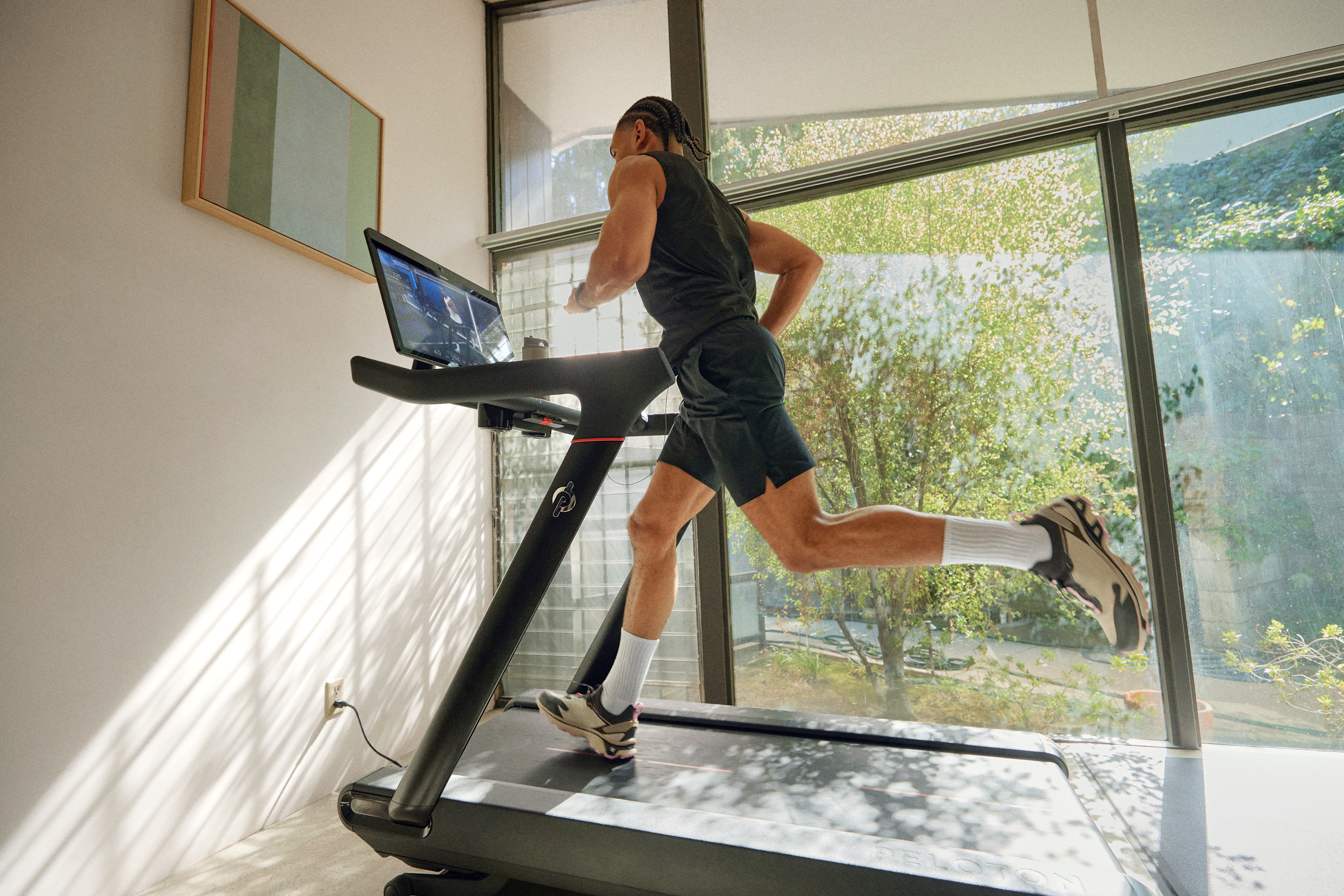
Credit: www.onepeloton.com
Strength Training On A Treadmill
Running on a treadmill is typically seen as a cardio workout, but it can also be a tool for building muscle. How can you transform your treadmill routine into a strength-building exercise? It involves clever techniques like incline running and interval training, which add resistance and intensity, turning your treadmill sessions into a muscle-strengthening powerhouse.
Incline Running
Incline running on a treadmill can mimic the challenges of uphill terrain. This added resistance forces your muscles, especially those in your legs, to work harder. Imagine you’re hiking up a steep hill—your calves, quads, and glutes are engaged like never before. You might notice your heart rate increasing and your muscles burning. That burn means you’re building strength.
Start by gradually increasing the incline on your treadmill. Even a slight incline can make a noticeable difference. Try different levels and find what challenges you without causing strain. You’ll find that not only does your endurance improve, but you also build muscle strength, especially if you maintain this practice consistently.
Interval Training
Interval training on a treadmill involves alternating between high-intensity running and rest or lower-intensity periods. This method not only boosts your cardiovascular fitness but also enhances muscle growth. Picture yourself sprinting for 30 seconds, then walking for a minute—your muscles experience intense engagement followed by recovery.
Begin with short bursts of speed, followed by slower recovery periods. This stop-and-start motion activates different muscle groups, increasing muscle fiber recruitment. You can adjust the intervals based on your fitness level. Feel your heart pounding and your muscles working hard, knowing each session is helping you build strength.
Have you ever tried to incorporate incline running or interval training into your treadmill routine? If not, give it a shot. You might be surprised at how effective these techniques are at building muscle. Why settle for just burning calories when you can also strengthen your body?
Complementary Exercises For Muscle Building
When you’re running on a treadmill, it might seem like cardio is the sole focus, but there’s more to it than just burning calories. To build muscle effectively, you’ll want to complement your treadmill workouts with other exercises. Doing so not only enhances your fitness journey but also aids in muscle growth and overall strength. But what exercises should you add to your routine? Let’s dive into some effective complementary exercises that can help you build muscle alongside your treadmill sessions.
Resistance Training
Resistance training is essential if you want to build muscle while running on a treadmill. It involves exercises like weight lifting, resistance bands, or bodyweight exercises such as push-ups and squats. By adding resistance training to your weekly routine, you can focus on building and strengthening specific muscle groups.
Consider setting aside two to three days a week for resistance training. You can target different muscle groups each session, ensuring a balanced workout plan. For instance, one day can focus on upper body exercises like bench presses and pull-ups, while another day can be dedicated to lower body workouts like lunges and deadlifts.
Have you ever noticed how runners who also lift weights tend to have more defined muscles? That’s the power of combining these exercises. Challenge yourself with increasing weights or resistance over time to continually build strength and muscle mass.
Core Workouts
A strong core is crucial for any fitness routine, including running. Core workouts not only help improve your running posture but also support muscle growth throughout your body. By strengthening your core, you can enhance your overall athletic performance.
Incorporate exercises like planks, Russian twists, and bicycle crunches into your routine. These exercises are simple yet effective, and you can perform them at home with minimal equipment. You might find that a strong core provides better balance and stability on the treadmill.
Do you feel your treadmill sessions becoming more efficient as your core strengthens? Many people notice less fatigue and better endurance. Adding core workouts to your routine could be the game-changer you need.
By blending these complementary exercises with your treadmill runs, you can create a balanced workout routine that not only helps you stay fit but also builds muscle. What’s your next step in enhancing your fitness journey?

Credit: www.nordictrack.co.uk
Common Myths About Treadmill Running And Muscle Building
Running on a treadmill is a popular exercise. Many believe it only aids in cardio and weight loss. But does it help build muscle? There are myths surrounding treadmill running and muscle growth. Let’s debunk some of these myths.
Myth Of Muscle Loss
Many think running makes you lose muscle. This is not true. Running can help maintain muscle mass. It depends on your routine and diet. With balanced nutrition, your body supports muscle growth. Running uses different muscles. It engages your legs, core, and even arms. This keeps muscles active and toned.
Myth Of Ineffectiveness
Some say treadmills are ineffective for muscle building. This is misleading. You can adjust treadmill settings. Increasing incline or speed can intensify workouts. This boosts muscle engagement. High-intensity interval training on a treadmill helps too. It challenges muscles more than steady running. Use these methods to see results.
Tips For Effective Treadmill Workouts
Running on a treadmill can do more than just improve cardio health. It can also help build muscle when workouts are done effectively. To maximize results, follow these practical tips. They focus on maintaining proper form and incorporating workout variability. These strategies ensure you get the most out of your treadmill sessions.
Proper Form
Good form is crucial during treadmill workouts. Start by keeping your head up. Your eyes should look forward, not down. This helps maintain balance. Keep your shoulders relaxed and back straight. Avoid slouching to prevent strain. Your arms should swing naturally at your sides. Don’t grip the handrails. It restricts movement and reduces workout effectiveness. Focus on landing softly with each step. A heel-to-toe motion is ideal. This minimizes impact on joints and maximizes muscle engagement.
Workout Variability
Mix up your treadmill routine to build muscle effectively. Change the incline to simulate uphill running. This engages different muscle groups. Adjust the speed for interval training. Alternate between fast and slow paces. This boosts endurance and muscle strength. Try different programs offered by the treadmill. They can provide varied and challenging workouts. Add bodyweight exercises like lunges or squats during breaks. This enhances muscle development. Regularly changing your workout keeps it exciting and effective.
Frequently Asked Questions
Can Running On A Treadmill Build Muscle?
Running on a treadmill primarily improves cardiovascular health and endurance. It can aid muscle tone and strength in legs. For significant muscle building, incorporate strength training exercises alongside treadmill workouts.
How Long Should I Run On The Treadmill To Build Muscle?
Running on a treadmill primarily aids cardiovascular fitness, not muscle building. To build muscle, focus on strength training exercises. Incorporate treadmill sprints for explosive power, but prioritize weightlifting. Aim for 20-30 minutes of cardio, ensuring muscle gain through resistance exercises.
Consult a trainer for personalized advice.
Does 12/30/3 Actually Work?
Yes, the 12/30/3 method can be effective for improving fitness. It involves walking on a treadmill at a 12% incline, 3 mph speed, for 30 minutes. Many people find it beneficial for cardiovascular health and calorie burning, but results vary based on individual fitness levels and consistency.
Can You Build Muscle Just By Running?
Running primarily improves cardiovascular health and endurance. It does not build muscle significantly. For muscle growth, incorporate strength training exercises such as weightlifting or resistance workouts. Combining running with strength training enhances overall fitness and muscle development.
Conclusion
Running on a treadmill can aid in muscle building. It strengthens your legs. Also, it improves overall fitness. Add resistance for better results. Try interval training. Combine running with strength exercises. This boosts muscle development. Consistency is key to success.
Keep a balanced routine. Include proper nutrition and rest. Listen to your body. Adjust workouts if needed. With dedication, you’ll see progress. Running is just one part of fitness. Explore other exercises for variety. Stay motivated and enjoy the journey.