Ever wondered if doing push-ups every day could be your golden ticket to building muscle? You’re not alone.
Push-ups are a staple in fitness routines, but knowing how often to do them can make all the difference. Imagine waking up, rolling out of bed, and knocking out a set of push-ups, feeling stronger and more energized each day.
Sounds appealing, right? But is it effective, or could it even backfire on you? You’ll discover the truth about daily push-ups and how they can fit into your muscle-building goals. Stick around to uncover tips, surprising facts, and expert insights that will help you make the most of your fitness routine. Don’t miss out on finding the perfect balance to boost your strength and confidence.

Credit: learn.athleanx.com
Benefits Of Daily Push-ups
Daily push-ups enhance muscle growth and improve strength. They boost endurance and support overall fitness. Consistent practice leads to visible improvements in muscle definition.
Have you ever considered doing push-ups every day to build muscle? The idea might sound simple, yet it packs a punch when it comes to benefits. Daily push-ups can enhance your strength, improve your fitness, and transform your body. Let’s dive into the specific advantages you can gain from making push-ups a daily routine.Improved Muscle Endurance
By performing push-ups every day, you gradually improve your muscle endurance. Your muscles learn to sustain activity over longer periods, which can be beneficial in various physical activities. As your endurance increases, you’ll notice that daily tasks become easier and less tiring.Enhanced Core Strength
Push-ups are not just about working your arms and chest; they also engage your core muscles. A stronger core can improve your balance and stability. You might find that activities like running or cycling become more efficient as your core gains strength.Increased Upper Body Strength
Daily push-ups effectively target your chest, shoulders, and triceps. Over time, these muscles grow stronger, allowing you to perform other exercises with greater ease. A friend once shared how his consistent push-up routine helped him lift heavier weights at the gym, proving that simple exercises can lead to significant strength gains.Better Posture
Good posture is crucial for your overall health and appearance. Push-ups help strengthen the muscles that support your spine, promoting better posture. You might find yourself standing taller and feeling more confident in your everyday life.Convenience And Accessibility
One of the best things about push-ups is that you can do them anywhere. No need for fancy equipment or gym memberships. Whether you’re at home, in a park, or traveling, push-ups offer a convenient way to stay active.Boosted Mental Health
Engaging in daily exercise like push-ups can have a positive impact on your mental well-being. Regular physical activity releases endorphins, which are known to improve mood and reduce stress. Have you ever noticed feeling more relaxed after a workout? That’s the power of endorphins at work. Are you ready to start your daily push-up routine? The benefits are clear, and the commitment is simple. Why not challenge yourself and see the changes firsthand?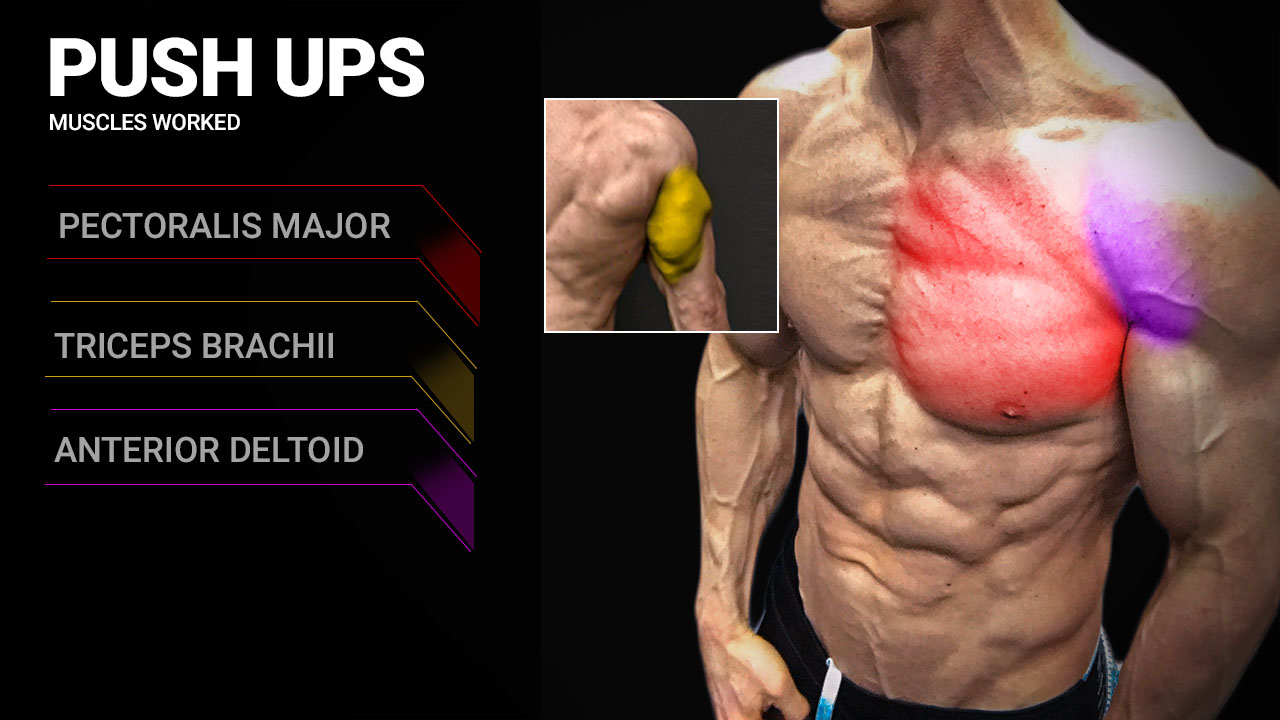
Credit: learn.athleanx.com
Potential Risks Of Overtraining
Considering daily push-ups to build muscle sounds appealing, right? But have you ever paused to think about the potential risks of overtraining? Many fitness enthusiasts find themselves caught up in the excitement of daily progress. Yet, pushing your body every day can lead to detrimental effects. It’s crucial to balance ambition with caution to avoid harm.
Muscle Fatigue
Muscle fatigue is a common risk of overtraining. When you do push-ups daily without rest, your muscles don’t have time to recover. This constant strain can lead to decreased performance and increased soreness. Have you ever felt more tired after a workout than energized? That’s a sign your body needs rest.
Increased Risk Of Injury
Injury is another potential risk. Repetitive strain on the same muscles can lead to injuries like tendinitis or muscle tears. I once pushed myself to do push-ups every day for a month. Instead of feeling stronger, I ended up with a shoulder strain. It was a valuable lesson in respecting my body’s limits.
Impact On Mental Health
Overtraining doesn’t just affect your body; it impacts your mind too. The constant pressure to perform can lead to stress and burnout. Have you noticed feeling anxious about missing a workout? This could be a sign of overtraining affecting your mental well-being.
Lack Of Progress
Ironically, overtraining can stunt your progress. Muscles need time to rebuild stronger after each workout. If you’re not giving them adequate rest, you might find your muscle gains plateauing. Wouldn’t it be frustrating to put in the effort and not see results?
Balancing Rest And Exercise
Finding the right balance is key. Consider alternating push-up days with rest or lighter exercises. Listen to your body and adjust your routine accordingly. How can you tweak your schedule to ensure your muscles get the rest they need to grow stronger?
In the pursuit of building muscle, understanding the risks of overtraining is vital. It’s about finding a sustainable routine that keeps you healthy and motivated. Remember, your body is your best guide. Pay attention to its signals and prioritize recovery for long-term success.
Optimal Push-up Technique
Push-ups are a fantastic exercise to build upper body strength and muscle. However, doing them every day without focusing on the right technique might not lead to the desired results. Understanding the optimal push-up technique is crucial for maximizing muscle growth and preventing injuries. Let’s dive into how you can refine your push-up form for best results.
Proper Form
Maintaining proper form during push-ups is key to effectively working your muscles. Begin by placing your hands shoulder-width apart on the ground. Keep your body in a straight line from head to heels, engaging your core. Lower your body until your chest nearly touches the floor, then push back up. Consistent form ensures you’re targeting the right muscles.
Consider the placement of your hands and feet. Adjusting them can vary the intensity and focus on different muscles. For example, wider hand placement targets the chest more, while closer placement emphasizes the triceps. Always keep your elbows slightly tucked, avoiding flaring out to minimize strain on your shoulders.
Common Mistakes
Many people unknowingly make mistakes that hinder muscle growth. Dropping your hips or arching your back are common errors that reduce the effectiveness of push-ups. Ensure your body remains straight and your core engaged throughout the movement.
Another frequent mistake is not lowering yourself enough. Half-reps might feel easier, but they don’t fully engage the muscles. Aim for full range of motion, bringing your chest close to the ground. It’s better to do fewer push-ups with perfect form than many with poor technique.
Think about your breathing. Holding your breath can limit your performance. Breathe in as you lower yourself and out as you push back up. Proper breathing supports muscle engagement and keeps your energy levels high.
Have you ever noticed a difference in your strength or endurance when you focus on technique? It’s amazing how small adjustments can lead to significant improvements. By refining your push-up form, you’ll maximize your muscle growth and enhance your workout routine.

Credit: www.youtube.com
Variations To Boost Gains
Push-ups are a classic exercise that can build muscle and strength. Doing push-ups daily can help, but adding variations can boost your gains. Different push-up styles target different muscle groups. This keeps your workout fresh and effective. Let’s explore some variations.
Incline Push-ups
Incline push-ups are great for beginners. They target the lower chest and shoulders. Use a bench or a sturdy table for support. Place your hands on the elevated surface, keeping your body straight. Lower your chest to the surface and push back up. This variation reduces pressure on the wrists.
Decline Push-ups
Decline push-ups challenge your upper chest and shoulders. Elevate your feet on a bench or chair. Keep your hands on the ground. Lower your chest until it’s close to the floor, then push up. This variation increases the difficulty of regular push-ups.
Diamond Push-ups
Diamond push-ups focus on the triceps. Place your hands close together, forming a diamond shape with your thumbs and index fingers. Lower your chest toward the diamond, then push up. This variation requires more stability and strength.
Plyometric Push-ups
Plyometric push-ups boost power and explosiveness. Start with a regular push-up position. Push up with enough force to lift your hands off the ground. Clap your hands quickly before landing. This variation improves muscle reaction and speed.
Designing A Balanced Routine
Designing a balanced routine is crucial for effective muscle building. Push-ups are a great exercise, but variety matters. A routine should not only focus on the number of push-ups but also on the overall balance. This includes rest days and complementary exercises. These elements help prevent injury and promote muscle growth. Let’s explore how to create a balanced routine.
Incorporating Rest Days
Rest days are essential in any muscle-building routine. They allow muscles to recover and grow stronger. Doing push-ups every day may lead to overtraining. This can cause fatigue or injury. Schedule rest days to let your body heal. Alternate between workout days and rest days. This ensures muscles get the recovery they need.
Complementary Exercises
Complementary exercises enhance your push-up routine. They target different muscle groups. Include exercises like squats, lunges, and planks. These workouts strengthen legs, core, and back. A balanced routine covers all major muscle groups. This leads to better overall strength. Each exercise supports the others. Together, they build a more balanced physique.
Nutrition For Muscle Growth
Building muscle with daily push-ups requires more than just exercise. Nutrition plays a crucial role. Without proper nutrition, muscles can’t repair and grow effectively. Eating the right foods supports muscle recovery and growth.
Protein Intake
Protein is essential for muscle repair. It provides the building blocks for muscle fibers. Aim to include protein in every meal. Lean meats, eggs, and dairy are great sources. Plant-based options like beans and tofu also work well. Protein shakes can help meet your daily needs too.
Hydration
Staying hydrated is vital for muscle function. Water helps transport nutrients to your muscles. Dehydration can lead to muscle fatigue. Drink water throughout the day. Listen to your body’s signals of thirst. Sports drinks can help after intense workouts.
Supplements
Supplements can support your muscle-building journey. Whey protein is popular among athletes. Creatine helps improve strength and endurance. Consult a healthcare professional before starting any supplement. Choose products with minimal additives for best results.
Tracking Progress
Push-ups every day can enhance muscle growth and strength. Consistency is key, allowing gradual progress and avoiding burnout. Track your progress and adjust routines for balanced development and optimal results.
Tracking your progress is crucial if you’re doing push-ups every day to build muscle. It not only helps you stay motivated but also ensures you’re on the right path to achieving your fitness goals. Let’s dive into how you can effectively track your progress and make the most out of your daily push-up routine.Setting Goals
Start with clear, realistic goals for your push-up journey. Do you want to increase the number of push-ups you can do in one set? Or perhaps you’re aiming to improve your form and endurance? Identify what success looks like for you. By setting specific targets, you create a roadmap for your progress. Remember, your goals should challenge you but still be achievable.Recording Metrics
Keep a log of your daily push-up sessions. Note down the number of sets, repetitions, and any feelings of fatigue or strength you experience. A simple notebook or a dedicated app can do wonders in helping you track these details. Consider taking weekly photos or videos. They can provide visual evidence of your progress and help you notice subtle changes in your form or muscle definition. Be mindful of how your body feels. Are you noticing increased stamina or quicker recovery times? These are signs of improvement that numbers alone might not capture. Tracking your progress is not just about numbers. It’s about understanding your body’s responses and using that information to fine-tune your routine. Are you ready to see how far you can go?Listening To Your Body
Daily push-ups can help build muscle, but listen to your body. Rest days are vital to prevent overuse injuries. Balance push-ups with varied workouts for overall strength.
Listening to your body is crucial when deciding if you can do push-ups every day to build muscle. Your body communicates with you through various signals. Understanding these signs can help you progress safely and effectively in your fitness journey. Prioritize not just your fitness goals but also your health and well-being.Signs Of Overtraining
Overtraining can sneak up on you if you’re not careful. You might feel unusually tired, even after a good night’s sleep. Your muscles may feel sore for too long, beyond the usual recovery period. A sudden decrease in performance, like struggling to complete your usual set of push-ups, is a key indicator. Mood swings and irritability can also be signs your body is stressed. Listen to what your body is telling you. If these signs appear, it might be time to take a step back.When To Seek Advice
There is no shame in seeking advice. If you’re unsure about your push-up routine, consider consulting a fitness expert. They can provide guidance tailored to your body’s needs and your goals. Sometimes, what works for one person may not work for another. Personalized advice can save you time and prevent injury. If you experience persistent pain or discomfort, see a healthcare professional. Your body is unique, and sometimes it needs expert attention to ensure you’re on the right path. Are you truly listening to your body, or just pushing through the pain? The balance between challenge and harm is delicate, and knowing when to seek guidance is key to long-term success.Frequently Asked Questions
Will Pushups Every Day Build Muscle?
Yes, daily pushups can build muscle by targeting chest, shoulders, and triceps. Ensure variety and proper form for effective results.
Do I Need Rest Days For Push-ups?
Yes, rest days are essential for muscle recovery and growth. They help prevent injuries and improve performance. Aim for at least one rest day per week to allow your body to heal and adapt. Listen to your body’s signals to determine the best rest schedule for you.
How Many Times A Week Should You Do Push-ups To Build Muscle?
Aim for push-ups 3-4 times a week to build muscle effectively. Allow rest days for recovery. Adjust frequency based on fitness level and goals. Consistency is key for results.
What Happens If You Do 200 Pushups A Day For 30 Days?
Performing 200 pushups daily for 30 days can improve upper body strength and endurance. You may notice muscle definition, increased stamina, and better posture. It’s crucial to maintain proper form to prevent injury. Results vary based on individual fitness levels and consistency.
Always consult a fitness professional for personalized advice.
Conclusion
Push-ups can effectively build muscle when done daily. Consistency matters. Start with manageable sets. Gradually increase repetitions over time. Listen to your body. Rest when needed. Avoid overtraining. Pair push-ups with a balanced diet. Ensure adequate protein intake. Consider adding variety.
Try different push-up styles. Focus on proper form. Engage core and arms fully. Seek professional advice if unsure. Muscle growth takes time. Be patient. Results will come with persistence. Enjoy the journey. Celebrate small victories. Push-ups are just one tool.
Explore other exercises too. Mix routines for overall fitness. Prioritize health and safety always.