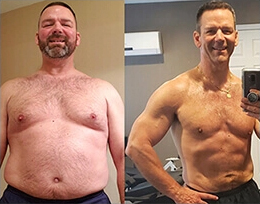
Are you over 50 and wondering if building muscle is still possible? You’re not alone.
Many men in their 50s and beyond ask the same question, and the answer might surprise you. Imagine rediscovering the strength and vitality you had years ago, and feeling more energetic in your daily life. Picture yourself lifting weights with confidence, and seeing noticeable changes in your body.
The truth is, age doesn’t have to be a barrier to achieving the physique you desire. In fact, it could be the perfect time to redefine your fitness goals and approach. This article will reveal the secrets to building muscle effectively and safely, no matter your age. By the end, you’ll have the knowledge and motivation to start your own muscle-building journey. So, are you ready to challenge the myths and discover how you can transform your body after 50? Keep reading to find out how.

Credit: www.youtube.com
The Science Of Muscle Growth After 50
Building muscle after 50 might seem challenging, but it’s entirely possible with the right approach. As you age, your body undergoes changes that can affect muscle growth. Understanding the science behind these changes is crucial to developing a successful strategy for building muscle.
The Role Of Hormones
Hormones play a significant role in muscle growth, especially testosterone. After 50, testosterone levels typically decline, which can impact muscle development. However, you can naturally boost testosterone through strength training and proper nutrition.
Protein Synthesis And Aging
Your body’s ability to synthesize protein decreases with age. This means your muscles might not recover as quickly as they used to. Increasing protein intake can help counteract this effect, aiding in muscle repair and growth.
Muscle Memory
Did you know that your muscles have memory? If you’ve been active before, your muscles can “remember” previous training, making it easier to regain strength. Consistent workouts can help reactivate this memory, speeding up muscle growth.
Adjusting Workout Intensity
It’s essential to adjust your workout intensity as you age. You might not lift as heavy as before, but focusing on form and controlled movements can provide great results. What adjustments have you made to your workouts?
Recovery becomes even more critical after 50. Your muscles need more time to repair. Prioritizing rest days and quality sleep can dramatically impact muscle growth and overall health.
Consider these insights as tools in your muscle-building journey. What changes will you make to your routine today? By embracing science and understanding your body, you can continue to grow stronger, even after 50.
Challenges And Myths
Building muscle after 50 presents unique challenges. Many myths surround this topic. Understanding these is crucial for success. Age-related changes can make muscle building harder. But they don’t make it impossible. Let’s explore these challenges and debunk common myths.
Metabolism Changes
Metabolism slows down as we age. This affects muscle growth. Older adults may burn fewer calories. Muscle repair might take longer. Adjusting diet and exercise is vital. Eating protein-rich foods helps. Staying active can counteract metabolic slowdown.
Hormonal Shifts
Hormones play a role in muscle growth. Testosterone levels decrease after 50. This can impact muscle mass. It’s a natural process. Exercise can boost testosterone levels. Strength training is effective. Focus on compound exercises. They engage multiple muscle groups.
Common Misconceptions
Many believe muscle building isn’t possible after 50. This is false. Age is not a barrier. Consistency matters more. Exercise and diet are key. Lifting weights is safe for older adults. Proper form prevents injury. Progress may be slow, but it happens.
Nutrition For Muscle Building
Building muscle after 50 is not just a possibility; it’s a reality that starts in the kitchen. Nutrition plays a crucial role in muscle building, especially as you age. Your body needs the right fuel to support workouts and recovery. What you eat can either hinder or help your progress. Let’s dive into the essentials of nutrition for muscle building for those over 50.
Protein Intake
Protein is the cornerstone of muscle growth. It provides the building blocks your muscles need to repair and grow. As you age, your body might need more protein to maintain muscle mass. Consider increasing your protein intake slightly. Think about adding lean meats, fish, eggs, and dairy to your meals. If you’re vegetarian, beans, lentils, and tofu are excellent sources. Aiming for around 1.2 to 2.0 grams of protein per kilogram of your body weight each day can be effective. How can you ensure you’re getting enough protein?
Supplements
Supplements can be beneficial, but they’re not magic pills. They should complement a balanced diet. Protein powders can be a convenient option post-workout. Creatine might help with energy and recovery, especially in intensive sessions. But remember, supplements are just that—a supplement to your diet, not a replacement. Always consult with your healthcare provider before starting any supplement regimen. What supplements have you considered adding to your routine?
Hydration Importance
Hydration is often overlooked but vital for muscle health. Water helps transport nutrients to your muscles, aids in recovery, and can even improve performance. As you age, your sense of thirst might diminish. Make a conscious effort to drink water throughout the day. Consider carrying a water bottle as a reminder. Adding electrolytes can also support hydration, especially after intense workouts. How much water are you drinking daily?

Credit: www.strengthafter50.com
Effective Exercise Strategies
Building muscle over 50 is achievable with the right strategies. Exercise must be tailored to suit your body’s changing needs. Effective strategies focus on strength, cardio, and flexibility. These elements work together for optimal muscle growth. Let’s explore how each can contribute.
Strength Training
Strength training is vital for muscle building at any age. It helps increase muscle mass and bone density. Focus on compound exercises like squats and deadlifts. These exercises engage multiple muscles, boosting overall strength. Start with lighter weights and gradually increase. Consistency is key to seeing results.
Cardio Balance
Cardio remains important for overall health. It supports heart health and aids in weight management. Too much cardio can hinder muscle growth. Balance cardio with strength training sessions. Short, intense cardio sessions work best. This ensures muscle growth is not compromised.
Flexibility And Mobility
Flexibility aids in muscle recovery and prevents injuries. Incorporate stretching exercises into your routine. Yoga and Pilates improve flexibility and mobility. They also enhance balance and core strength. These practices support overall physical health, complementing strength training.
Recovery And Rest
Building muscle over 50 is not impossible. It requires focus on recovery and rest. These elements are key for muscle growth. They help your body repair and strengthen. Proper recovery can enhance your workout results. Let’s explore the importance of recovery and rest.
Sleep Quality
Quality sleep is vital for muscle recovery. Aim for 7 to 9 hours each night. Sleep helps your body repair muscle tissue. It also balances hormones that boost muscle growth. Create a comfortable sleep environment. Keep your bedroom dark and quiet. Avoid screens before bedtime. A good night’s sleep makes a big difference.
Active Rest Days
Rest days do not mean doing nothing. Engage in light activities. Walking, yoga, or swimming are good choices. Active rest keeps your body moving. It aids recovery without overexertion. This can reduce soreness and prevent injuries. Listen to your body and adjust as needed.
Stress Management
Stress can hinder muscle growth. It affects your body’s ability to recover. Find ways to manage stress effectively. Practice deep breathing or meditation. Regular exercise can also reduce stress levels. Maintaining a balanced lifestyle supports muscle building. Staying calm and relaxed aids recovery and performance.
Success Stories
Building muscle after 50 might seem challenging. Many have defied expectations. Their stories inspire those who think it’s impossible. Let’s dive into these success stories. Discover how determination changes lives.
Real-life Examples
John, a 52-year-old banker, transformed his body. He started with simple exercises. Gradually, he increased intensity. Within a year, he gained 15 pounds of muscle. Sarah’s story is similar. At 54, she felt weak. She joined a local gym. With a trainer’s help, she built strength. Now, she’s fitter than ever.
Lessons Learned
Consistency is key, say the successful ones. Regular workouts lead to results. Nutrition also plays a vital role. Eating protein-rich meals aids muscle growth. Patience is crucial. Changes don’t happen overnight. Small steps make a big difference. Setting realistic goals keeps motivation high.
Expert Tips
Building muscle after 50 might seem challenging, but it’s achievable. Experts share valuable tips to guide you. With the right approach, you can see significant improvements. Let’s dive into expert insights that can help you gain muscle effectively.
Personal Trainer Insights
Consulting a personal trainer can be beneficial. They offer tailored exercise plans for older adults. Trainers focus on safe, effective workouts. They emphasize strength training and balance exercises. Regular sessions help in tracking progress. This personalized approach boosts confidence and motivation.
Fitness Community Support
Joining a fitness community offers encouragement. It helps in staying consistent with workouts. Community support provides accountability. Sharing experiences with peers can be inspiring. Online forums and local groups are great options. They foster a sense of belonging and commitment. Engaging with others can make fitness enjoyable.

Credit: www.burnthefatinnercircle.com
Frequently Asked Questions
Can You Rebuild Muscle Mass After 50?
Yes, rebuilding muscle mass after 50 is possible. Focus on strength training, consume adequate protein, and ensure proper rest. Regular exercise and a balanced diet are essential. Consult a fitness expert for personalized guidance. Stay consistent and monitor progress for optimal results.
How Long Does It Take To Build Muscle In The 50s?
Building muscle in your 50s typically takes 8 to 12 weeks with consistent exercise and proper nutrition. Progress may vary based on factors like genetics, workout intensity, and recovery practices. Combining strength training with protein-rich diets accelerates muscle growth. Consult a fitness professional for personalized guidance.
Can A 50 Year Old Man Get Ripped?
Yes, a 50-year-old man can get ripped with dedication, proper diet, and consistent strength training. Age doesn’t limit muscle growth. Focus on resistance exercises, balanced nutrition, and adequate rest for effective results. Consult a fitness expert for personalized guidance and monitor progress for safety and efficiency.
How Many Times A Week Should A 50 Year Old Man Lift Weights?
A 50-year-old man should lift weights 2 to 4 times weekly, focusing on strength and muscle maintenance. Balance workouts with adequate rest, nutrition, and other activities. Consult a fitness expert for personalized guidance. Regular exercise improves health, supports joint function, and enhances overall well-being.
Adjust frequency based on fitness levels.
Conclusion
Building muscle after 50 is indeed possible. With the right approach, gains are achievable. Focus on strength training exercises. Consistency plays a crucial role. Nutrition supports muscle growth too. Protein intake is essential. Stay hydrated and get enough rest. Listen to your body.
It helps avoid injuries. Patience is key in this journey. Progress may be slow, but it’s real. Celebrate small victories along the way. Consult a professional if needed. A balanced plan leads to success. Age is just a number. Stay motivated and committed.
Your body will thank you.