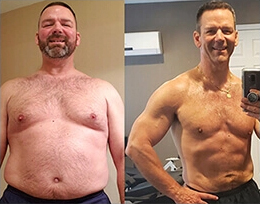
Are you over 50 and wondering if it’s still possible to build muscle? You’re not alone.
Many people believe that age is a barrier to fitness, but the truth might surprise you. Imagine feeling stronger, more energetic, and healthier than you have in years. Muscle building isn’t just for the young—it can be a rewarding and achievable goal at any stage of life.
You’ll discover how you can defy age-related myths and unlock your potential for strength and vitality. Read on to learn the secrets to building muscle after 50 and why it’s never too late to start transforming your body and your life.

Credit: www.burnthefatinnercircle.com
Debunking Myths
Building muscle after 50 is possible. Age doesn’t stop muscle growth. Proper exercise and nutrition help. Stay consistent. Results follow effort.
Building muscle after 50 can seem daunting, with many myths surrounding this topic. You might have heard some say it’s impossible, or that you’ll never see the same results as younger individuals. But let’s cut through the noise and get to the truth. Age is just a number, and with the right mindset and approach, muscle building is within reach. Let’s debunk some common myths and reveal the reality of your potential.Myth: It’s Too Late To Start Building Muscle
Many believe that once you hit 50, the ship has sailed on muscle growth. But that’s far from the truth. Starting at any age can yield impressive results. I recall my uncle, who began weight training at 55. Within months, he noticed improved strength and muscle tone. It’s never too late to start, and every bit of progress counts.Myth: You Can’t Build Muscle Due To Decreased Hormones
Yes, testosterone levels may drop with age, but they don’t evaporate. Your body still produces enough to support muscle growth. Embrace this reality and tailor your workouts and nutrition to suit your body’s needs. Many men over 50 successfully build muscle by focusing on proper diet and consistent exercise.Myth: You Need To Train Like A Young Athlete
It’s easy to think you need to hit the gym with the same intensity as a 20-year-old. But your body has different requirements now. Training smart is more important than training hard. Focus on exercises that promote joint health and flexibility, and don’t underestimate the power of rest days. Your body will thank you.Myth: Muscle Building Requires Expensive Supplements
The supplement industry can be tempting, but you don’t need fancy powders to build muscle. Whole foods like lean meats, beans, and nuts can provide the necessary nutrients. My friend swears by his post-workout snack of Greek yogurt and berries, and he’s seen great gains. Focus on a balanced diet that supports your goals.Myth: Results Won’t Be Visible
This myth is a real confidence killer. Results may come slower, but they do come. Celebrate each milestone, whether it’s lifting heavier weights or seeing a bit more definition. These are victories worth acknowledging, and they prove that your hard work is paying off. Do these myths resonate with you? Challenge them and see for yourself what you can achieve. Building muscle after 50 is entirely possible with the right approach and mindset. So, what’s stopping you from rewriting your own story?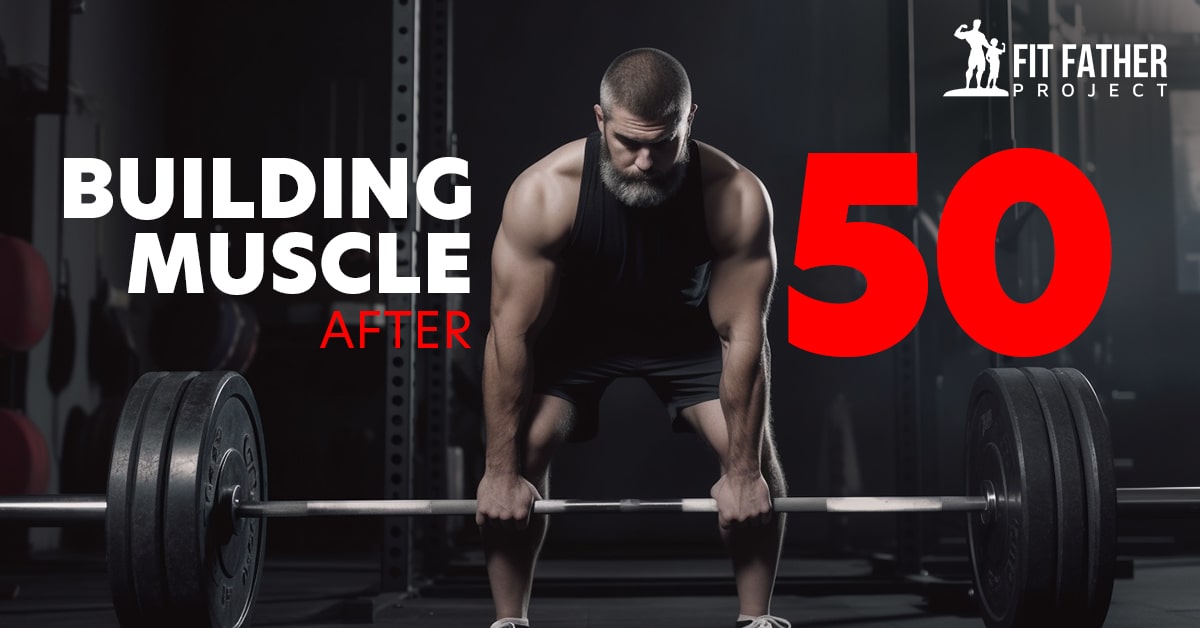
Credit: www.fitfatherproject.com
Benefits Of Building Muscle After 50
Building muscle after 50 brings a host of benefits. It is not just about looking good; it’s about feeling good. Muscle growth in later years can improve health, boost energy, and enhance quality of life. Let’s explore these benefits further.
Improved Metabolic Rate
Muscle tissue burns calories efficiently. With more muscle, the metabolic rate increases. This helps in weight management and reduces fat. Even at rest, muscles consume energy.
Enhanced Strength And Balance
Strong muscles support the body’s structure. They improve balance and prevent falls. Strength training can help maintain independence. Daily activities become easier.
Better Bone Health
Muscle building aids in bone strength. Weight-bearing exercises stimulate bone growth. This reduces the risk of osteoporosis. Stronger bones mean fewer fractures.
Improved Mental Well-being
Exercise releases endorphins. These are natural mood lifters. Building muscle helps reduce stress and anxiety. It can also improve sleep quality.
Increased Longevity
Studies show a link between muscle mass and longevity. More muscle can mean a longer life. It helps combat age-related decline. Staying active is key to healthy aging.
Understanding Aging And Muscle Growth
Many believe muscle growth stops at a certain age. But that’s not true. Men over 50 can still build muscle. Aging impacts the body, but with the right approach, you can see results. Let’s explore how aging affects muscle growth.
Physiological Changes
The body changes as we age. Muscle mass naturally decreases. This is a normal part of aging. Called sarcopenia, it starts around age 30. By 50, muscle loss becomes more noticeable.
But muscle can still grow. Exercise and diet play a big role. Resistance training helps. It can counteract muscle loss. Consistent workouts lead to muscle gains. Remember, muscles need time to recover and grow.
Impact On Metabolism
Metabolism also slows with age. This means fewer calories burned at rest. Muscle mass impacts metabolism. More muscle means a higher metabolic rate. So, building muscle helps keep metabolism active.
Diet becomes important. Protein intake supports muscle growth. It helps repair muscle fibers after workouts. Balanced nutrition aids metabolism. Combine this with regular exercise for the best results.
Effective Training Strategies
Building muscle after 50 is achievable with effective training strategies. Age doesn’t limit your ability to gain strength and improve fitness. With dedication and the right approach, muscle growth is possible. Let’s explore essential strategies for strength training, cardio, and flexibility.
Strength Training Essentials
Strength training is crucial for muscle building. Focus on compound exercises like squats and deadlifts. These exercises engage multiple muscle groups. Aim for at least two sessions per week. Gradually increase weights to challenge muscles. Always prioritize proper form to prevent injuries.
Incorporating Cardio
Cardio supports muscle growth by improving heart health. Choose activities that elevate your heart rate. Walking, cycling, and swimming are great options. Include cardio sessions three times a week. This enhances endurance and complements strength training efforts.
Importance Of Flexibility
Flexibility helps maintain muscle health. Incorporate stretching exercises into your routine. Focus on areas prone to stiffness like the back and legs. Yoga and Pilates improve flexibility and balance. Spend 10 minutes daily on stretching exercises. This reduces risk of injury and aids recovery.
Nutrition For Muscle Growth
Building muscle after 50 might seem challenging, but with the right nutrition, it’s entirely achievable. Your body might not respond to workouts like it did in your 20s, but strategic nutrition can make a world of difference. Think of your diet as the fuel that powers your muscle growth, helping you maximize your workouts and recover effectively.
Protein Requirements
Protein is your best friend when building muscle. Aim to consume 1 to 1.5 grams of protein per kilogram of your body weight daily. This might sound like a lot, but breaking it down into smaller portions throughout the day can make it manageable. Consider lean meats, fish, eggs, and plant-based options like lentils and chickpeas.
Have you ever noticed how energized you feel after a protein-rich breakfast? That’s because protein kickstarts your muscle repair and growth. Try adding a protein shake or Greek yogurt to your morning routine. You’ll feel the difference during your workouts.
Balancing Macros
Macronutrients are key. Besides protein, your diet should include carbohydrates and fats. Carbs are crucial for energy, especially during workouts. Choose complex carbs like oats and quinoa to keep your energy levels steady. Healthy fats, found in nuts and avocados, support hormone production crucial for muscle growth.
Ever wondered why some days you feel drained and others you’re full of energy? Your balance of carbs and fats might be the reason. Play around with your diet to find what makes you feel your best. Could a bowl of oatmeal before your workout be your secret weapon?
Hydration And Recovery
Hydration is often overlooked, but it’s vital for muscle recovery. Water helps transport nutrients to your muscles and removes waste. Try drinking at least 8 cups of water daily. Adding electrolytes can further enhance your hydration.
Remember the last time you felt sore after a workout? Proper hydration can reduce soreness and speed up recovery. Could increasing your water intake make post-workout recovery smoother? It’s worth trying.
Nutritional tweaks can lead to noticeable muscle growth, even after 50. Challenge yourself to make these adjustments and observe the changes in your muscle tone and energy. What will be your next step in this muscle-building journey?
Role Of Rest And Recovery
Muscle growth over 50 requires rest and recovery. Rest allows muscles to heal and strengthen after workouts. Recovery boosts energy and reduces injury risk.
Building muscle after 50 is entirely possible, but it requires a strategic approach. One of the most crucial, yet often overlooked, aspects is the role of rest and recovery. As you age, your body’s ability to bounce back from workouts doesn’t quite match its younger self. Paying close attention to how you rest and recover can make or break your muscle-building journey. Are you giving your body the time it needs to repair and grow stronger?Importance Of Sleep
Sleep is not just a break from your busy day—it’s a cornerstone of muscle recovery. During sleep, your body releases growth hormones crucial for muscle repair. Aim for 7-9 hours of quality sleep each night. If you’re struggling with sleep, consider creating a bedtime routine. A calming activity like reading or a warm bath can signal your body that it’s time to wind down. Make your bedroom a sanctuary for sleep by keeping it dark, quiet, and cool.Managing Stress Levels
Stress can be a silent saboteur of your muscle-building efforts. High stress levels increase the production of cortisol, a hormone that can break down muscle tissue. How do you manage stress effectively? Try incorporating relaxation techniques into your daily routine. Deep breathing exercises or meditation can work wonders. Have you ever noticed how a walk in nature can clear your mind? Simple activities like these can help keep stress levels in check. Think of rest and recovery as your secret weapon. Are you treating it as such? By prioritizing sleep and managing stress, you not only enhance your muscle growth but also improve your overall well-being. What’s your next step towards a balanced recovery routine?Supplementation Tips
Building muscle after 50 is achievable with the right approach. Focus on a balanced diet and quality supplements. Essential nutrients like protein, vitamin D, and omega-3s support muscle growth. Regular strength training and proper rest also contribute to muscle development.
Stay consistent and patient for best results.
Building muscle after 50 is not just possible but can be incredibly rewarding. Supplementation can play a crucial role in supporting your muscle-building journey. Whether you’re new to supplements or looking to refine your current regimen, understanding which supplements to consider and how to use them safely can help you achieve your goals more effectively.Recommended Supplements
Adding the right supplements can enhance your muscle growth and overall health. Protein powders like whey or plant-based options are excellent for ensuring you get enough protein, especially if your diet falls short. They are convenient and can be mixed into shakes or even your morning oatmeal. Creatine is another popular choice. It helps improve strength and muscle mass by increasing your muscle cells’ ability to produce energy. Many people find that it offers a noticeable boost in their workouts. Omega-3 fatty acids can support muscle health by reducing inflammation and improving recovery times. These can be easily added to your routine with fish oil capsules or algae-based supplements if you prefer a plant source.Safety And Efficacy
Safety should always be your top priority when considering supplements. Consult with your doctor before adding any new supplement, especially if you have existing health conditions or take other medications. Consider the quality of the supplement. Look for products that are third-party tested to ensure they contain what they claim without harmful additives. This small step can make a big difference in your health and results. Efficacy is equally important. Choose supplements that have strong scientific backing. For instance, creatine and protein have been extensively studied and proven to aid muscle growth. Your body deserves the best, so choose wisely. Have you ever wondered how much your supplement choices impact your muscle-building success? By making informed decisions, you not only safeguard your health but also optimize your muscle growth potential.Tracking Progress And Setting Goals
Building muscle after 50 is challenging. Tracking progress and setting goals are crucial. These steps keep you motivated and focused. You see improvements over time. This journey isn’t about quick fixes. It’s about steady progress and commitment.
Measuring Success
Success isn’t just about the scale. Measurements matter too. Track your waist, chest, and arms. Photos show changes in your physique. Write down your workout details. Record weights and reps. This helps monitor strength gains.
Adjusting Goals Over Time
Goals should evolve as you grow. Start with realistic targets. Small achievements boost confidence. As you gain strength, increase your goals. Listen to your body. Rest when needed. Adjust plans to fit your lifestyle.
Overcoming Common Challenges
Building muscle after 50 is achievable with proper nutrition and consistent exercise. Focus on strength training to increase muscle mass. Prioritize protein intake to support muscle recovery and growth.
Building muscle after 50 is not just possible; it’s achievable with the right mindset and strategies. However, as with any worthwhile goal, there are challenges to overcome. These hurdles can seem daunting, especially when life throws curveballs like injuries or waning motivation. But remember, every challenge is an opportunity to grow stronger—not just physically, but mentally too. Let’s dive into some common obstacles and how you can tackle them.Dealing With Injuries
Injuries can be a frustrating setback in your muscle-building journey. They might slow you down, but they don’t have to stop you. Take the time to understand your body’s limits. Rest is crucial, but so is movement. Gentle exercises like walking or swimming can keep you active without aggravating injuries. Consider consulting a physical therapist or trainer who specializes in working with older adults. They can provide personalized advice and modifications to your workouts. Think about what you can do, rather than what you can’t. Have you considered yoga or tai chi for flexibility and strength? These activities can be easier on the joints while still offering significant benefits.Staying Motivated
Staying motivated can be one of the toughest challenges. Life is busy, and energy levels fluctuate. Set realistic goals that excite you. Maybe it’s lifting a certain weight or fitting into your favorite clothes again. Celebrate the small victories along the way to keep your spirits high. Create a schedule that fits seamlessly into your daily routine. Morning workouts can set a positive tone for the day, while evening sessions might help you unwind. What works best for you? Think back to a time when you achieved something difficult. How did it feel? Use those memories as fuel to push through days when motivation wanes. Surround yourself with supportive friends or a community that shares your goals. Sharing your journey can make it more enjoyable and hold you accountable. Building muscle after 50 is not just about physical strength; it’s about resilience and perseverance. Each challenge you overcome is a testament to your determination. What challenge will you tackle next?
Credit: www.strengthlog.com
Inspiring Success Stories
At 50, building muscle might seem daunting. Yet, many have achieved remarkable physiques with dedication and proper guidance. Their inspiring stories prove age is just a number when pursuing fitness goals.
Building muscle after 50 might seem challenging, but countless success stories prove it’s entirely possible. You might wonder if age is just a number when it comes to fitness transformation. The inspiring tales of men who have defied age stereotypes are nothing short of motivational.John’s Journey To Fitness
John was 52 when he decided it was time for a change. He started with simple exercises at home, gradually increasing intensity. Within a year, he transformed his physique and boosted his energy levels. John focused on consistency, doing strength training three times a week. He incorporated a balanced diet, rich in protein and vegetables. His dedication paid off, showing that commitment can lead to impressive results, regardless of age.Mark’s Muscle Makeover
Mark, at 57, felt he was too old to start lifting weights. He proved himself wrong and embraced a new routine with a personal trainer. Mark’s determination led to visible muscle gains and improved overall health. He prioritized compound exercises like squats and deadlifts. Mark also paid attention to recovery, ensuring his body healed between workouts. His story highlights the importance of professional guidance and perseverance.Paul’s Passion For Progress
At 60, Paul was tired of feeling sluggish. He committed to a lifestyle change, focusing on both physical and mental health. His journey emphasizes the holistic approach to muscle building. Paul combined yoga and weight lifting, enhancing both flexibility and strength. He found joy in the process, keeping motivation high. His success shows that blending different activities can bring comprehensive benefits. These stories illustrate that building muscle is achievable at any age. You might ask yourself, what steps can you take to start your journey? Whether it’s finding a workout routine that excites you or seeking advice from professionals, the key is to begin. The inspiring transformations of John, Mark, and Paul demonstrate that age doesn’t define your potential.Frequently Asked Questions
Can You Rebuild Muscle Mass After 50?
Yes, you can rebuild muscle mass after 50. Focus on strength training exercises. Include adequate protein intake and maintain a balanced diet. Consistency and proper rest are crucial for muscle recovery and growth. Consult a fitness professional for personalized guidance.
Stay committed for best results.
How Long Does It Take To Build Muscle In The 50s?
Building muscle in your 50s typically takes 3-6 months with consistent strength training and proper nutrition. Progress varies based on genetics, workout intensity, and lifestyle factors. Stay patient and committed for optimal results.
Can A 50 Year Old Man Get Ripped?
Yes, a 50-year-old man can get ripped. Consistent strength training, proper nutrition, and adequate rest are essential. Focus on compound exercises, maintain a balanced diet, and ensure sufficient protein intake. Stay hydrated and manage stress effectively. Consult a fitness professional for personalized guidance to achieve optimal results.
How Many Times A Week Should A 50 Year Old Man Lift Weights?
A 50-year-old man should lift weights 2 to 4 times a week. This routine promotes muscle strength and overall health. Rest days are essential for recovery and preventing injuries. Adjust frequency based on personal fitness goals and body response. Always consult a healthcare professional before starting a new exercise routine.
Conclusion
Building muscle after 50 is entirely possible. Consistency plays a key role. Focus on strength training and balanced nutrition. Listen to your body and avoid overstraining. Rest is as important as exercise. Seek guidance from fitness experts if needed. Adjust your workouts to suit your current fitness level.
Patience is essential; progress takes time. Celebrate small victories along the journey. Stay motivated by setting realistic goals. Remember, it’s never too late to start. Healthy habits improve both body and mind. Embrace the process and enjoy the results. Stay active, stay strong.
Your health journey is worth it.