Are you ready to transform your fitness routine without the need for a gym membership or fancy equipment? Calisthenics might be just what you need.
With just your body weight, you can sculpt a stronger, leaner physique right in your living room or at the park. Imagine being able to perform exercises that not only improve your strength but also boost your confidence and energy levels.
If you’re a beginner, don’t worry! This calisthenics workout plan is designed with you in mind. It’s simple, effective, and best of all, adaptable to your pace. Curious to know how you can start seeing results and feeling amazing? Keep reading to discover how you can kickstart your fitness journey with a plan that’s both fun and rewarding.
Benefits Of Calisthenics
Explore the benefits of a calisthenics workout plan for beginners. Build strength and flexibility with simple body-weight exercises. Enhance core stability, improve balance, and boost overall fitness without needing special equipment.
Calisthenics has been gaining traction as a fitness regime, especially among beginners. The allure of using your body weight to get fit is irresistible. It’s not only cost-effective but also remarkably efficient. What makes calisthenics truly stand out? Let’s dive into the benefits of this dynamic workout style.Improved Functional Strength
Calisthenics focuses on movements you use in everyday life. Think about pushing, pulling, or squatting. These exercises enhance your functional strength. You’ll notice tasks such as lifting groceries or climbing stairs become easier over time. Your body learns to work as a cohesive unit, making daily activities less taxing.Enhanced Flexibility And Mobility
Flexibility is often overlooked in workout routines. Calisthenics naturally incorporates stretching and movement, improving your flexibility. Increased mobility reduces the risk of injuries. Being flexible isn’t just for yogis—it’s essential for everyone. Have you ever struggled with bending to tie your shoes? Regular calisthenics can help with that.Cost-effective Fitness
You don’t need a fancy gym membership to start with calisthenics. All you need is space and commitment. I remember starting my calisthenics journey in my living room. It was liberating to know that my body was my gym. This workout style is perfect for those on a budget or who prefer exercising at home.Boosted Mental Health
Exercise is a powerful mood booster. Calisthenics, with its varied movements, keeps your mind engaged. This engagement can help reduce stress and anxiety. Have you noticed how a good workout can turn your day around? With calisthenics, you’ll experience that uplifting feeling more often.Scalable Progression
One of the beauties of calisthenics is its scalability. You can start with basic moves and gradually add complexity. This progression keeps you motivated as you see your skills and strength evolve. It’s satisfying to move from a simple push-up to more advanced variations. Where do you want your calisthenics journey to take you? Calisthenics offers these benefits and more, making it a compelling choice for beginners. Are you ready to transform your fitness routine with calisthenics? Give it a try and experience the difference.Essential Equipment
Calisthenics for beginners requires minimal gear. Essential items include a pull-up bar for strength exercises. A yoga mat provides comfort during floor workouts. Resistance bands add variety to training.
Calisthenics is a great way to start your fitness journey. It builds strength, flexibility, and endurance using your body weight. But do you know that having the right equipment can enhance your workout experience? Let’s explore the essential gear you need to start your calisthenics workout plan as a beginner.Resistance Bands
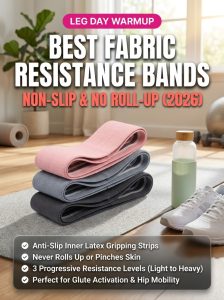
Resistance bands are versatile and affordable. They add intensity to your workouts, helping you build muscle faster. You can use them for assisted pull-ups, which are perfect for beginners struggling with the full range of motion. They also help in stretching exercises, which improve your flexibility. When I first started, I found them invaluable for developing my strength gradually.Pull-up Bar
A pull-up bar is a must-have for any calisthenics enthusiast. It helps you perform various exercises like chin-ups and hanging leg raises. Doorway pull-up bars are easy to install and remove. They provide a convenient way to work out at home. Imagine mastering your first pull-up in your living room—it’s an empowering feeling!Parallettes
Parallettes are small bars that mimic parallel bars. They’re great for exercises like L-sits and push-ups. Using them can improve your balance and arm strength. When I first tried an L-sit, I realized how challenging yet rewarding it was. Have you ever thought about how a simple piece of equipment can transform your workout?Yoga Mat
A yoga mat provides comfort and safety. It cushions your joints during floor exercises like planks and sit-ups. It’s also ideal for stretching and cooling down. A good mat can make your workout sessions more enjoyable and less stressful on your body.Jump Rope
A jump rope is excellent for cardio and coordination. It’s a fun way to burn calories and improve heart health. You can use it for warm-ups or high-intensity interval training. Did you know a jump rope can help you refine your timing and footwork? It’s not just a child’s plaything—it’s a powerful fitness tool. Consider these essential pieces of equipment to start your calisthenics journey. Which one will you try first? Remember, the right gear can make all the difference.Basic Principles
Starting a calisthenics workout involves mastering basic principles like push-ups, squats, and planks. Focus on correct form and gradual progression. Building strength and endurance ensures a solid foundation for future exercises.
Calisthenics is a form of exercise that uses your body weight to build strength, flexibility, and endurance. For beginners, understanding the basic principles is crucial to starting a successful workout plan. These principles will help you achieve steady progress, avoid injuries, and stay motivated throughout your fitness journey.Understanding Your Body
Listen to your body. Pay attention to how it reacts to different exercises. If you feel pain, it’s a signal to adjust your form or pace. Your body is unique, and understanding its limits and capabilities is key.Consistency Is Key
Consistency builds habits. Make a schedule and stick to it. Regular workouts, even if short, lead to better results than sporadic efforts. Consider setting specific days and times for your workouts to establish a routine.Start With Basic Movements
Begin with fundamental exercises like push-ups, squats, and lunges. These movements form the foundation of calisthenics. They are simple yet effective in building strength and preparing your body for more challenging exercises.Focus On Form
Proper form prevents injuries. It ensures you target the right muscles and maximize your workout benefits. If you’re unsure, consider watching tutorial videos or seeking guidance from a knowledgeable friend or trainer.Progress Gradually
Aim for gradual improvements. Increase repetitions or try more advanced variations as you grow stronger. This approach maintains a challenge while preventing burnout. Remember, small progress is still progress.Stay Motivated
Find what motivates you. Set achievable goals and celebrate small victories. Maybe it’s completing your first set of ten push-ups or holding a plank for an extra few seconds. Motivation is personal, so discover what keeps you driven.Keep It Fun
Variety keeps your workouts exciting. Mix different exercises and try new routines. Enjoyment fuels motivation, so find what you love and make it part of your plan. Have you ever tried doing squats to your favorite music? It can be surprisingly energizing.Ask Yourself: What’s Next?
Challenge yourself with new goals. As you master basic movements, think about what you want to achieve next. Perhaps it’s mastering a pull-up or increasing your endurance. What’s the next step in your calisthenics journey? Start your calisthenics workout plan with these principles. They guide your progress and keep you focused. As you embrace this path, remember that every step forward is a step towards better health and strength.Warm-up Routine
Beginner calisthenics workouts benefit from a simple warm-up routine. Start with light cardio, like jogging or jumping jacks. Include dynamic stretches to prepare muscles and joints. Warm-ups prevent injury and improve performance.
Embarking on a calisthenics journey can be an exhilarating experience. But before diving into your workout, a proper warm-up routine is essential. Warming up prepares your body for the exercise ahead, reducing the risk of injury and improving performance. A well-structured warm-up routine enhances blood flow, increases heart rate, and loosens up your muscles. Here’s how to get started with an effective warm-up routine for beginners.Dynamic Stretches
Dynamic stretches are crucial in your warm-up routine. They help increase your range of motion and prepare your muscles for the workout. You can start with arm circles, leg swings, and hip circles. Aim for 10 repetitions of each to get your joints moving.Cardio Warm-up
Elevating your heart rate is key to a successful warm-up. Engage in light cardio exercises like jogging in place, jumping jacks, or high knees. Spend about five minutes on these activities to get your blood pumping and muscles ready for action.Joint Mobilization
Focusing on joint mobilization can prevent stiffness and injury. Pay attention to wrists, ankles, and shoulders. Circle these joints gently for a minute each. This ensures they are ready to support your body weight during exercises like push-ups and planks.Muscle Activation
Activating your muscles primes them for the workout. Incorporate exercises like glute bridges, wall slides, or bodyweight squats. Perform these in a controlled manner, focusing on the muscle contraction. This step is crucial, especially if you have been sitting for a long time during the day.Breathing Exercises
Breathing exercises can enhance your performance and focus. Spend a minute practicing deep breathing. Inhale deeply through your nose, hold for a few seconds, and exhale through your mouth. This not only calms your mind but also enriches your blood with oxygen. Why skip the warm-up when it’s your ticket to a safer and more effective workout? The next time you lace up your shoes for a calisthenics session, remember these steps. How do you plan to incorporate these into your routine? Your body will thank you for it.Beginner Exercises
Starting your fitness journey with calisthenics is a fantastic way to build strength and improve flexibility. It uses your body weight for resistance, making it accessible and effective. As a beginner, focus on mastering fundamental exercises that lay the groundwork for more complex moves later. You’ll be surprised at how quickly your body adapts and grows stronger. Let’s dive into some core exercises that will kickstart your calisthenics routine.
Push-ups
Push-ups are a staple in any workout plan. They strengthen your chest, triceps, and shoulders. Begin with your body in a straight line, from head to heels. Lower yourself until your chest almost touches the ground, then push back up. If full push-ups are challenging, start on your knees. Aim for sets of 10, gradually increasing as you get stronger.
Squats
Squats target your lower body, focusing on thighs and glutes. Stand with feet shoulder-width apart. Lower your body as if sitting in a chair, keeping your chest up and knees over your toes. Rise back up, engaging your core. Try 15 reps per set. Feel the burn and see your leg muscles tone up over time.
Planks
Planks build core strength, essential for overall stability. Position yourself in a push-up stance but rest on your forearms. Keep your body straight and hold the position. Start with 20 seconds, and increase as you gain endurance. Challenge yourself to hold longer each week.
Lunges
Lunges improve leg strength and balance. Step forward with one leg, lowering your hips until both knees are bent at a right angle. Push back to the starting position and switch legs. Include lunges in your routine, doing about 12 reps per leg. Feel your legs gaining power with each step.
Pull-ups
Pull-ups are excellent for upper body strength, particularly your back and biceps. Find a sturdy bar, grip it, and pull your body up until your chin is above the bar. If pull-ups are too hard, try assisted versions with resistance bands. Start with 5, increasing as your strength improves. It’s tough but rewarding.
Do you remember the first time you tried one of these exercises? How did it feel? Use that memory to motivate your progress. As you practice these beginner exercises, you lay the foundation for a healthier, stronger you. Keep pushing your limits and enjoy the transformation. What will you accomplish in the next month if you stay consistent?

Credit: www.pinterest.com
Weekly Workout Schedule
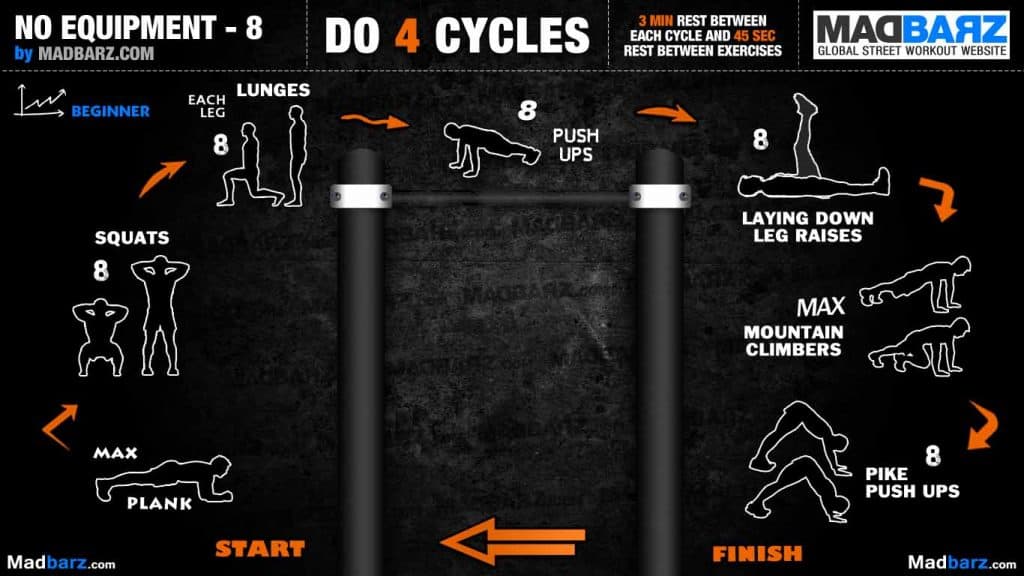
Starting a calisthenics workout plan can be exciting. It requires no equipment and builds strength naturally. A weekly workout schedule helps maintain consistency. It aids in tracking progress. Here, we outline a simple plan for beginners. Each day targets different muscle groups. This approach prevents fatigue and boosts recovery.
Day 1: Upper Body Strength
Begin with push-ups. Aim for 3 sets of 8 reps. Next, perform pull-ups. If needed, use a band for assistance. Follow with dips on parallel bars or a sturdy chair. End with planks. Hold for 30 seconds, 3 times.
Day 2: Lower Body Power
Start with squats. Do 3 sets of 10 reps. Move to lunges. Alternate legs for a balanced workout. Include calf raises. Perform on a step for added intensity. Finish with wall sits. Hold for 30 seconds, 3 times.
Day 3: Core Stability
Begin with sit-ups. Aim for 3 sets of 15 reps. Next, leg raises. Keep your back flat. Follow with Russian twists. Use a light weight if available. End with mountain climbers. Perform for 30 seconds, 3 times.
Day 4: Rest And Recovery
Rest days are crucial for muscle recovery. Engage in light activities. Stretching or yoga can enhance flexibility. Hydrate well and eat nutritious meals.
Day 5: Full Body Circuit
Combine exercises from previous days. Perform each for 30 seconds. Rest for 1 minute between circuits. Aim for 3 complete circuits.
Day 6: Cardio And Mobility
Include light jogging or brisk walking. Aim for 20 minutes of activity. Follow with dynamic stretches. Focus on hip and shoulder mobility.
Day 7: Active Recovery
Engage in a leisure activity. Swimming or cycling can be refreshing. Maintain a relaxed pace. Enjoy the movement.
Tracking Progress
Starting a calisthenics workout plan requires tracking progress to see improvement. Keep a journal to note each session’s exercises and repetitions. Celebrate small victories and adjust your routine based on the results.
Tracking your progress in a calisthenics workout plan is like having a compass on your fitness journey. It helps you see where you’re going and how far you’ve come. By keeping track, you can stay motivated, make necessary adjustments, and celebrate your achievements.Why Tracking Matters
Tracking your progress isn’t just about noting down numbers. It’s about recognizing your hard work. When you see improvements, no matter how small, it can boost your confidence and drive. Remember the first time you tried a pull-up? Maybe you struggled to do even one. Tracking can show you when that single pull-up becomes five, and eventually ten. Each milestone is a testament to your dedication.Tools For Tracking
You don’t need fancy gadgets to track your progress. A simple notebook or a free app on your phone can do wonders. Choose a method that feels natural to you. Apps can provide graphs and reminders, while a notebook allows for personal reflections. Some people even take progress photos. Find what keeps you engaged and stick with it.What To Track
Focus on key elements of your workout. Track the number of repetitions, sets, and rest times. Note how your body feels during and after exercises. Are you able to hold a plank longer this week than last? Jot it down. Tracking isn’t just about physical changes; it’s also about how you feel mentally and physically.Setting Achievable Goals
Set realistic goals based on your tracked data. If you’ve been doing five push-ups, aim for seven next week. Small, attainable goals keep you motivated. Ask yourself: What do you want to achieve this month? Maybe it’s mastering a new move or increasing endurance. Let your progress guide your goal-setting.Adjusting Your Plan
Your body tells you when it’s time to change things up. If you’re consistently hitting your targets, it might be time to increase intensity. On the other hand, if you notice a plateau, consider adjusting your routine. Listen to your body. Use your tracked data to identify patterns and make informed decisions. It’s about evolving with your progress, not against it.
Credit: www.gornation.com
Common Mistakes
Starting a calisthenics workout plan can be exciting. It’s all about using your body weight for strength and flexibility. Beginners often make mistakes that can hinder progress. Understanding these can help avoid setbacks. Let’s dive into the common pitfalls.
Improper Form
Form is crucial in calisthenics. Many beginners rush exercises, risking injuries. Correct posture maximizes benefits and prevents harm. Focus on technique first, speed later. Quality over quantity matters here.
Skipping Warm-ups
Warm-ups prepare the body for intense activity. They increase blood flow to muscles. Skipping them can lead to strains. Always start with light movements. Stretching is key to prevent injuries.
Overtraining
Doing too much can be counterproductive. Beginners often push too hard, too soon. Muscles need time to recover. Rest days are essential for growth. Balance is important for progress.
Ignoring Nutrition
Nutrition supports your fitness journey. Many focus solely on exercise. A balanced diet fuels workouts and aids recovery. Include proteins, carbs, and healthy fats. Eating right enhances performance.
Neglecting Core Strength
Core strength is foundational in calisthenics. It stabilizes your body during exercises. Weak core leads to poor form. Include planks and sit-ups in your routine. Strengthening the core improves overall workout.
Tips For Motivation
Starting a calisthenics workout can be challenging for beginners. Motivation plays a crucial role in keeping you on track and achieving your fitness goals. Here are practical tips to boost your motivation and keep you committed to your calisthenics journey.
Set Clear Goals
Define your fitness objectives. Whether you aim to gain strength or improve flexibility, having clear goals provides direction. Write them down and visualize achieving them daily.
Track Your Progress
Keep a workout journal. Document each session and the exercises completed. Seeing improvements over time can boost your confidence and motivation.
Find A Workout Buddy
Partnering with someone can increase accountability. A workout buddy can encourage you during tough times and make workouts more enjoyable.
Celebrate Small Wins
Recognize and celebrate milestones. Completing a challenging exercise or increasing reps deserves acknowledgment. Celebrating small victories builds momentum.
Mix Up Your Routine
Variety keeps workouts interesting. Try new exercises or change the order of your routine. This prevents boredom and keeps you engaged.
Stay Positive
Maintain a positive mindset. Challenges are part of the journey. Focus on your progress rather than setbacks to stay motivated.
Use Music For Motivation
Create a playlist of upbeat songs. Music can energize your workouts and improve mood. It turns routine exercises into fun activities.
Credit: biostrap.com
Frequently Asked Questions
What Is A Good Calisthenics Workout Plan For Beginners?
A good beginner calisthenics workout includes push-ups, squats, planks, lunges, and jumping jacks. Start with 3 sets of 10-15 reps each. Focus on proper form to avoid injury. Rest for 30-60 seconds between sets. Gradually increase intensity as strength improves.
Aim for consistency, exercising 3-4 times a week.
What Is The 80/20 Rule In Calisthenics?
The 80/20 rule in calisthenics suggests focusing on exercises that give 80% of results with 20% effort. Prioritize compound movements like pull-ups, push-ups, and squats. These exercises build strength and efficiency, maximizing progress in less time. Tailor your workout to include these core movements for optimal gains.
Is 20 Minutes Of Calisthenics A Day Enough?
Yes, 20 minutes of daily calisthenics can improve strength, flexibility, and overall fitness. Consistency is key. Adjust intensity and exercises to meet your goals and ensure a balanced routine. Consult with a fitness expert for personalized guidance.
Is The 28 Day Calisthenics Challenge Legit?
Yes, the 28-day calisthenics challenge is legit. It offers structured workouts to improve strength and flexibility. Many users report positive results, including increased muscle tone and endurance. Always consult a fitness professional before starting new exercises to ensure safety and effectiveness.
Conclusion
Starting a calisthenics workout plan is a smart choice. It builds strength and flexibility. No expensive equipment needed. Just your body. This plan suits beginners perfectly. Start slow. Progress steadily. Consistency is key. Listen to your body. Rest when needed.
Maintain a balanced diet for best results. Staying active boosts energy and mood. Make fitness a regular habit. Enjoy the journey towards a healthier you. Remember, every effort counts. Celebrate small victories. Keep pushing. You’re on the right path. Stay committed.
The benefits are worth it. Your fitness goals are within reach. Keep moving forward.