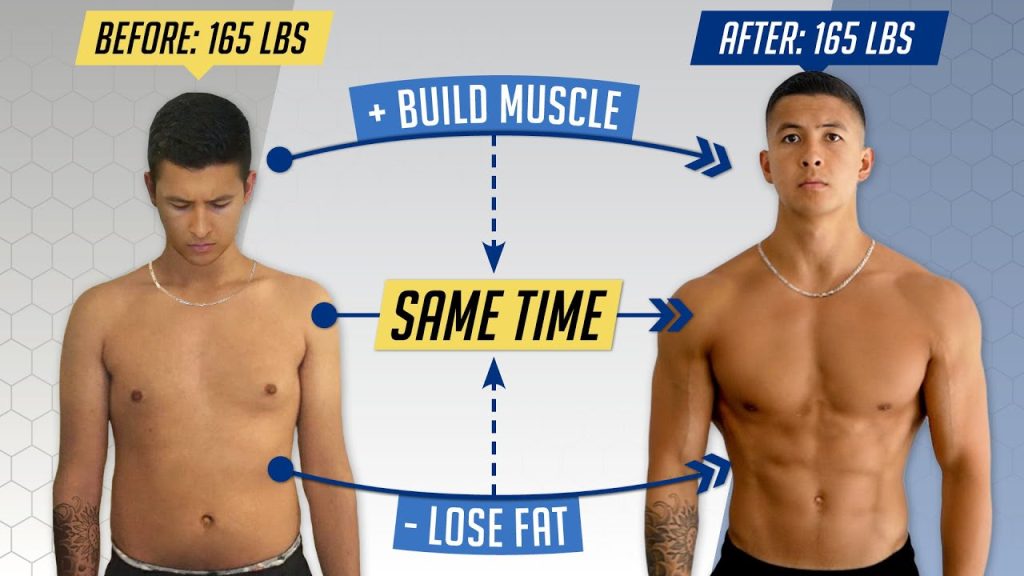
Burning fat and building muscle at the same time might sound like a dream come true, but it’s more achievable than you think. Imagine looking in the mirror and seeing a leaner, stronger version of yourself.
Doesn’t that sound appealing? This isn’t just about aesthetics; it’s about feeling powerful, energetic, and confident every single day. You don’t have to choose between losing fat and gaining muscle. You can have both, and you deserve to know how.
This article will guide you through simple, effective strategies to transform your body while keeping your lifestyle manageable. Ready to unlock the secrets to your best self? Keep reading to discover how you can make this transformation a reality.
Understanding Body Recomposition
Understanding body recomposition is key to achieving fitness goals efficiently. This concept involves losing fat while gaining muscle mass. It requires a strategic balance of nutrition and exercise. Unlike traditional weight loss, body recomposition focuses on changing body composition. This approach benefits overall health and enhances physical appearance.
What Is Body Recomposition?
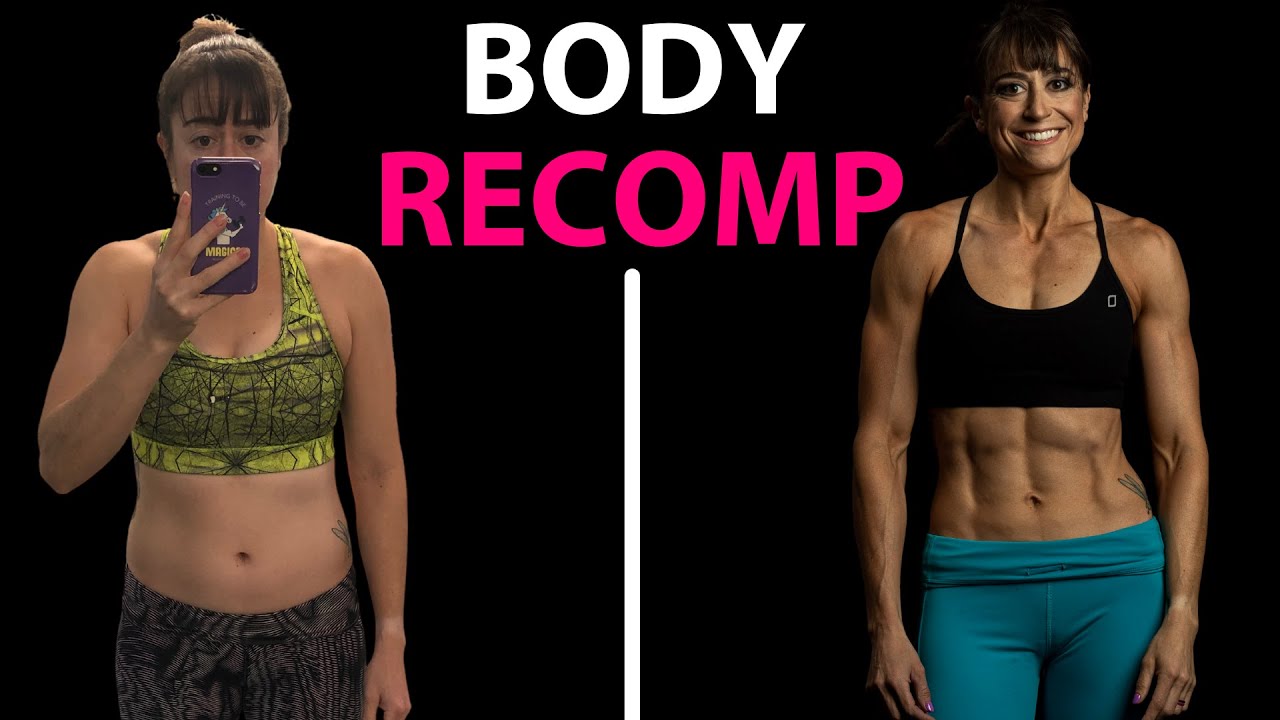
Body recomposition refers to altering the ratio of fat to muscle. It is not about losing weight but improving body composition. This process involves simultaneous fat loss and muscle gain. The goal is a leaner, more toned physique.
Why Focus On Body Recomposition?
Body recomposition improves strength and endurance. It enhances metabolic health and boosts energy levels. This approach supports sustainable fitness progress. It reduces the risk of muscle loss during fat reduction.
The Science Behind Body Recomposition
Body recomposition relies on caloric balance and resistance training. Consuming adequate protein supports muscle growth. Creating a slight calorie deficit aids in fat loss. Exercise stimulates muscle protein synthesis. This synergy facilitates body recomposition.
Creating A Body Recomposition Plan
A tailored plan combines diet and exercise. Prioritize protein-rich foods for muscle repair. Incorporate strength training exercises regularly. Monitor progress and adjust strategies as needed. Consistency and patience yield the best results.
Common Challenges And Solutions
Body recomposition requires discipline and commitment. Plateaus may occur during the process. Adjusting caloric intake can help overcome them. Mixing up workout routines keeps motivation high. Seek professional guidance if needed.
Nutrition Strategies
Achieving fat loss while building muscle requires a balanced diet with high protein and low carbs. Focus on nutrient-dense foods, like lean meats and vegetables. Regular exercise, including strength training, supports these nutrition strategies. Stay consistent for best results.
Embarking on the journey to burn fat while simultaneously building muscle is a challenge that requires precision, dedication, and strategic nutritional planning. Nutrition is the cornerstone of this dual goal, and getting it right can make all the difference. Let’s explore key nutrition strategies to help you achieve your fitness objectives.Caloric Balance
To burn fat and build muscle, you need to strike a delicate balance between consuming fewer calories than you burn and ensuring you have enough energy to fuel your workouts and recovery. Calculate your daily caloric needs based on your activity level and goals. Aim to create a slight calorie deficit to encourage fat loss while still providing sufficient nutrients to support muscle growth. It’s a balancing act, but with careful monitoring and adjustments, you can find the sweet spot. Have you tried tracking your calories to see where adjustments can be made?Macronutrient Ratios
Your macronutrient intake—proteins, carbs, and fats—plays a crucial role in achieving your fitness goals. Protein is essential for muscle repair and growth; aim for a higher intake to support muscle building. Consider adjusting your carb intake to fuel workouts and promote recovery while keeping fat intake moderate to support overall health. Experiment with different ratios to see what works best for your body and goals. What does your current macronutrient split look like?Meal Timing
When you eat can be just as important as what you eat. Distribute your meals throughout the day to keep your metabolism active and provide steady energy for workouts. Consuming protein-rich meals after exercising can enhance muscle recovery and growth. Think about timing your meals to match your activity levels and body’s needs. Have you noticed how your energy levels fluctuate based on when you eat? By focusing on these nutrition strategies, you can create a tailored plan that supports your unique journey to burning fat and building muscle. Remember, it’s about consistency and listening to your body. Are you ready to make these strategic changes to your diet and see results?Effective Workout Plans
Burning fat and building muscle are often seen as separate goals. But with an effective workout plan, you can achieve both simultaneously. Combining specific exercises and routines can help you shed fat while growing muscles. Here’s how you can create a workout plan that targets both.
Strength Training Exercises
Strength training is crucial for muscle growth. Focus on compound exercises that engage multiple muscle groups. Squats, deadlifts, and bench presses are excellent choices. These exercises build muscle and boost metabolism. Aim for three to four strength sessions per week. Gradually increase weights to challenge your muscles.
Cardio For Fat Loss
Cardio workouts help in burning calories. They speed up fat loss when combined with strength training. Running, cycling, and swimming are great options. Perform cardio exercises for 30 to 45 minutes, three times a week. Always keep the intensity moderate to ensure fat burning.
High-intensity Interval Training
HIIT combines short bursts of intense activity with rest periods. It boosts metabolism and burns fat faster. Include exercises like sprints or jumping jacks. A HIIT session can last 20 minutes. This makes it effective and time-efficient. Perform HIIT two to three times a week.

Credit: nutritionkitchenhk.com
Importance Of Recovery
Recovery plays a crucial role in burning fat and building muscle. Without proper recovery, your body won’t perform at its best. Muscles need time to repair and grow stronger. Recovery also helps in preventing injuries and improving overall fitness. Understanding the importance of recovery can enhance your workout results.
Sleep Optimization
Sleep is essential for muscle repair and growth. Aim for 7-9 hours each night. Quality sleep improves hormone balance. It boosts muscle growth and fat loss. Establish a bedtime routine. Avoid screens before sleep. This helps improve sleep quality.
Stress Management
Stress can hinder muscle growth and fat loss. Manage stress through meditation or yoga. These activities calm the mind and body. Practice deep breathing techniques daily. A stress-free mind supports better workout results.
Active Rest Days
Active rest days are crucial for recovery. Engage in light activities like walking or cycling. They promote blood circulation and muscle repair. Avoid intense workouts on rest days. Listen to your body and prioritize gentle movements.
Role Of Supplements
Embarking on a journey to burn fat while building muscle often feels like walking a tightrope. You might wonder if supplements can give you an edge in achieving your goals. The right supplements can indeed support your efforts, but understanding their role is crucial. Let’s dive into how protein supplements, fat burners, and creatine and BCAAs can assist you in your fitness journey.
Protein Supplements
Protein is your muscle’s best friend. It’s essential for repair and growth. Many fitness enthusiasts swear by protein supplements like whey or plant-based options to meet their daily protein needs. Imagine the convenience of a shake after a workout, ensuring your muscles get the fuel they need promptly.
Using protein supplements can help you hit your daily targets without feeling overwhelmed by food. It’s a practical choice, especially if you’re constantly on the go. Have you ever found yourself too busy to cook a high-protein meal? A scoop of protein powder might be just what you need.
Fat Burners
If you’re looking to shed some pounds, fat burners might catch your attention. They can boost your metabolism and energy levels. However, it’s important to choose wisely and understand their role. Some fat burners contain caffeine or green tea extract, giving you an energy kick. But remember, no supplement can replace a healthy diet and regular exercise.
Consider fat burners as a tool in your arsenal. They can aid in your fat loss journey, but they aren’t magic pills. Have you ever tried a fat burner and felt that extra push during your workout? It’s that added support that can make a difference.
Creatine And Bcaas
Creatine is popular for enhancing strength and muscle mass. It helps your muscles produce energy during high-intensity exercises. Picture yourself lifting more weights than you thought possible, thanks to the extra energy creatine provides.
BCAAs, or Branched-Chain Amino Acids, are crucial for muscle recovery. They can reduce muscle soreness after intense workouts. Imagine feeling less sore and more ready to tackle your next workout session. Isn’t that a relief?
Using supplements like creatine and BCAAs can empower you to push harder and recover faster. But, it’s essential to use them correctly. Have you ever considered how these supplements can fit into your daily routine?
Supplements can play a significant role in your fitness journey, but they’re not the sole answer. Balance is key. How will you integrate supplements into your lifestyle to achieve your goals?
Credit: www.youtube.com
Tracking Progress
Tracking progress in burning fat and building muscle helps maintain motivation and measure success. Consistent workouts and balanced nutrition are key. Small achievements boost confidence and encourage further effort towards fitness goals.
Tracking your progress is crucial when your goal is to burn fat and build muscle simultaneously. It keeps you motivated and helps you see what works and what doesn’t. Without a clear picture of where you stand, it’s easy to lose focus or give up.Body Measurements
Regularly measuring your body can provide tangible evidence of your progress. It’s not just about the number on the scale; sometimes, it doesn’t tell the whole story. Measure your waist, hips, chest, arms, and thighs weekly to get a more comprehensive view of your changes. Consider using a simple tape measure. Make it a habit to measure at the same time of day for consistency. Notice how your clothes fit better or how your muscle definition becomes more pronounced.Progress Photos
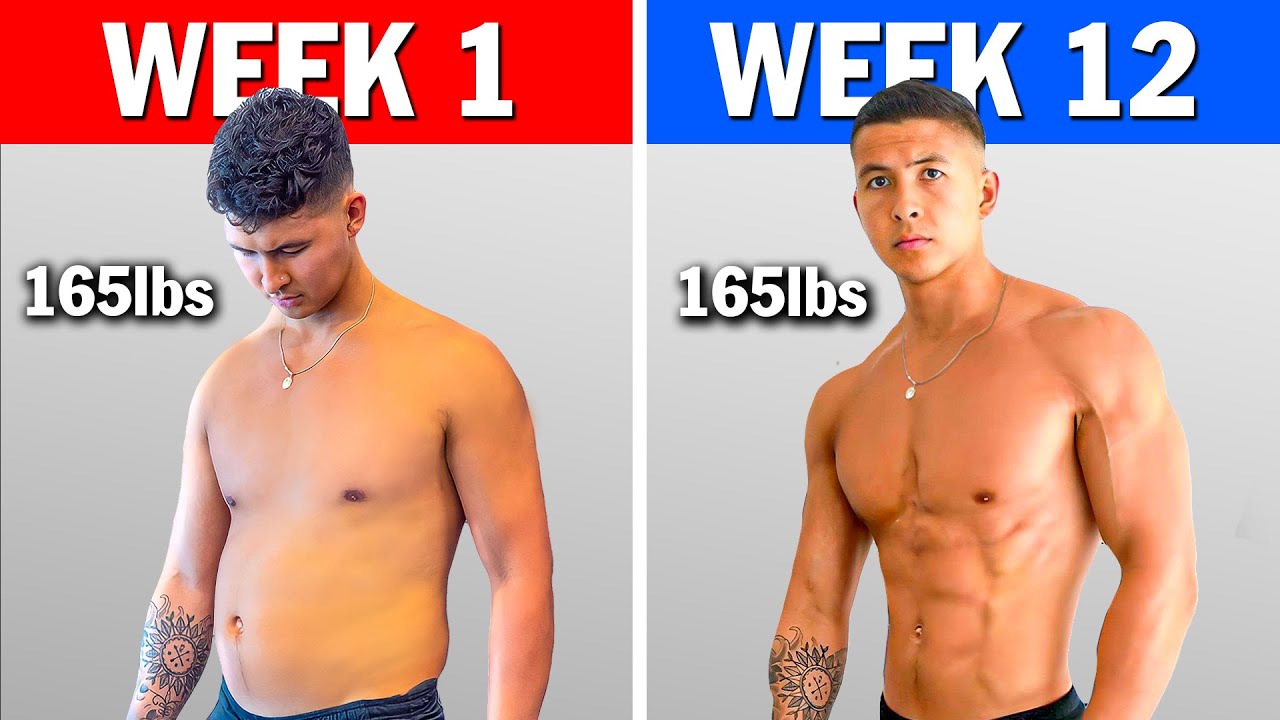
Photos can reveal changes that are easy to overlook in the mirror. Take progress photos every four weeks to create a visual timeline of your transformation. Stand in the same pose, wear similar clothes, and use the same lighting for accuracy. As you review these photos, look for subtle changes. Do you see more definition in your arms or a leaner waist? These small victories can boost your motivation and reassure you that your hard work is paying off.Fitness Journals
Keeping a fitness journal can help you track your workouts, diet, and feelings. Write down what exercises you performed, the weights you used, and how you felt during each session. Tracking your diet can also highlight patterns you might want to change. A journal doesn’t have to be complex. A simple notebook or a fitness app can do wonders. Reflecting on your entries can show trends and help you fine-tune your approach. Have you ever noticed how writing things down can make them feel more real? This practice not only keeps you accountable but also provides insights into what keeps you motivated or what may be holding you back.Common Mistakes
Mistakes often arise by neglecting nutrition balance, leading to inadequate muscle growth or fat loss. Focusing solely on cardio can hinder muscle building. Ignoring strength training contributes to poor results.
Burning fat and building muscle at the same time is challenging. Many enthusiasts stumble along this journey due to common mistakes. Understanding these pitfalls helps in achieving fitness goals more effectively. Below are some frequent errors people make.Overtraining Risks
Overtraining is a common mistake. Many believe more exercise means more results. But pushing the body too hard leads to fatigue. Overtraining can cause muscle loss, not gain. It also increases the risk of injuries. Balance your workouts with rest days. Allow your muscles time to recover and grow. Listen to your body’s signals.Nutritional Pitfalls
Diet plays a crucial role in fitness. Consuming too few calories can hinder muscle growth. Your body needs fuel to build and repair tissues. Skipping protein is another pitfall. Protein is essential for muscle synthesis. Ensure a balanced diet with adequate nutrients. Include carbohydrates, fats, and proteins in meals. Avoid processed foods and sugary snacks. They offer little nutritional value and can slow progress.Ignoring Recovery
Recovery is as important as exercise. Rest allows the body to repair and build muscles. Ignoring recovery leads to exhaustion and stress. Prioritize sleep for optimal recovery. Aim for 7-9 hours of quality sleep each night. Incorporate stretching and mobility exercises. These can prevent stiffness and improve flexibility. Consider activities like yoga or pilates. They help in relaxing the muscles and mind.Success Stories
Success stories inspire and motivate those striving for fitness goals. Stories of individuals who burn fat and build muscle prove that determination leads to results. These tales highlight challenges, perseverance, and triumphs. They offer hope and practical advice.
John’s Transformation Journey
John struggled with weight for years. He started a balanced workout routine. His focus was on strength training and cardio. He committed to eating healthy meals. John lost 40 pounds and gained muscle. His energy levels soared, and he felt confident.
Sophia’s Fitness Achievement
Sophia felt sluggish and tired. She joined a local gym. Her trainer created a personalized plan. She followed it diligently. Within months, Sophia shed excess fat. Her muscles toned up beautifully. She now participates in fitness competitions.
Mike’s Balanced Approach
Mike was overweight and lacked stamina. He incorporated weightlifting and running into his routine. His diet included lean proteins and veggies. Mike achieved a lean physique. His friends noticed his transformation. Mike became an inspiration to many.
Emily’s Consistent Efforts
Emily faced self-doubt and insecurity. She adopted a workout plan focusing on HIIT. Her meals were rich in nutrients. With time, Emily lost unwanted fat. Her muscles grew stronger and defined. Emily’s self-esteem improved dramatically.
Credit: redefiningstrength.com
Frequently Asked Questions
Is It Possible To Lose Fat And Gain Muscle At The Same Time?
Yes, you can lose fat and gain muscle simultaneously. Focus on strength training, consume protein-rich foods, and maintain a slight calorie deficit. This combination supports muscle growth while promoting fat loss, helping you achieve your fitness goals effectively. Consistency and a balanced approach are key to success in this process.
What Is It Called When You Burn Fat And Gain Muscle At The Same Time?
It’s called “body recomposition. ” This process involves simultaneously burning fat and gaining muscle mass. Achieving body recomposition requires a balanced diet, strength training, and adequate rest. It’s a popular goal among fitness enthusiasts seeking a lean and toned physique.
Consistency is key for successful body recomposition results.
Should I Burn Fat First And Then Build Muscle?
It’s best to focus on one goal at a time. Start by burning fat for better muscle definition. After reaching your desired body fat percentage, shift your focus to building muscle. This approach helps in maintaining motivation and tracking progress effectively.
Adjust your diet and exercise accordingly for optimal results.
What Cardio Is Best For Fat Loss And Muscle Gain?
HIIT and circuit training are ideal for fat loss and muscle gain. These workouts combine cardio and strength exercises. They boost metabolism and preserve muscle while burning fat. Include exercises like sprints, jump squats, and burpees for effective results. Aim for consistency and proper nutrition to maximize benefits.
Conclusion
Achieving both fat loss and muscle gain is possible. Consistent effort is key. Balanced nutrition helps fuel your workouts. Focus on protein-rich foods for muscle growth. Regular exercise, like strength training, supports your goals. Monitor progress to stay motivated. Adjust your routine as needed.
Remember, patience is important. Results take time, but dedication pays off. Keep pushing forward and celebrate small victories. Stay committed to your health journey. You can reach your fitness goals with persistence.