Have you ever wondered what makes your hair shine, your nails strong, or your muscles robust? The secret lies in the miraculous building blocks of life, responsible for constructing cell structures, hair, nails, horns, and muscles.
Understanding these fundamental components can unlock a world of health benefits, boosting your confidence and enhancing your natural beauty. Imagine feeling empowered with the knowledge that helps you nurture your body from the inside out. Ready to discover the elements that are tirelessly at work, ensuring your body performs at its peak?
Dive deeper into this article and uncover the fascinating science that shapes your daily vitality and appearance. Your journey to a healthier, stronger you starts here.

Credit: www.scribd.com
Protein’s Role In Cell Structures
Proteins are crucial for building and maintaining cell structures. They are involved in forming hair, nails, horns, and muscles. Without proteins, cells would lack strength and function. These molecules perform essential roles by providing support and shape to cells.
Proteins are everywhere in your body. They help cells work and grow. They are like tiny builders, making sure everything is in place.
Amino Acids As Building Blocks
Amino acids are the basic units of proteins. They are the building blocks. Each protein is made from different combinations of amino acids. There are 20 different amino acids. They join together in chains to form proteins. This variety helps create diverse cell structures.
Think of amino acids as small bricks. Together, they build strong walls. Without them, structures would collapse.
Protein Synthesis Process
Protein synthesis is how proteins are made. It starts in the cell nucleus. Here, the DNA provides instructions. These instructions are copied to RNA. The RNA travels to the ribosome. At the ribosome, amino acids are linked to form proteins.
This process is like a factory. The DNA is the blueprint. The ribosome is the assembly line. Amino acids are the raw materials. Together, they create the final product.
Types Of Proteins In Cells
Different proteins serve various functions in cells. Structural proteins give cells their shape. Enzymatic proteins speed up chemical reactions. Transport proteins move substances across cell membranes.
Imagine each type as a tool in a toolbox. Each tool has a specific purpose. Together, they ensure the cell functions properly.
Collagen is a structural protein found in connective tissues. Hemoglobin is a transport protein that carries oxygen. Enzymes are proteins that help break down food. Each type plays a unique role in your body.
Nourishing Hair And Nails
Our hair and nails are not just about aesthetics; they reflect our overall health. Have you noticed how your hair shines or your nails grow stronger when you’re eating well? It’s no coincidence. Nourishing these parts of your body is crucial, not just for beauty, but for overall well-being. Let’s dive into the essentials of keeping your hair and nails healthy.
Keratin And Its Importance
Keratin is a protein that forms the basic structure of your hair and nails. Think of it as the framework that keeps them strong and resilient. Without enough keratin, your hair may become brittle and your nails may easily break. You can boost your keratin levels by consuming foods rich in protein like eggs, fish, and beans.
Did you know that certain shampoos are infused with keratin to enhance your hair’s strength and shine? It’s true. But remember, while these products help, the real magic happens from the inside out. You might want to ask yourself, are you nourishing your body enough to support your beauty regime?
Nutrients For Strong Hair
Strong hair requires more than just keratin. Vitamins like Biotin (Vitamin B7) play a big role in hair health. You can find biotin in foods like almonds, sweet potatoes, and spinach. These not only support hair growth but also improve its texture.
Omega-3 fatty acids, often found in fish like salmon, are essential for a healthy scalp. A healthy scalp means less hair loss and more growth. Consider adding omega-rich foods to your diet for noticeable improvements.
Have you tried adding a variety of vegetables and fruits to your diet? They provide antioxidants which protect your hair from environmental damage. This simple change can make a big difference.
Maintaining Nail Health
Your nails need nutrients to remain strong and healthy. Calcium and Vitamin D are crucial for nail strength. Dairy products and leafy greens are excellent sources. If you find your nails breaking often, check if you’re getting enough of these nutrients.
Hydration also plays a critical role. Are you drinking enough water? Dehydration can lead to brittle nails, so make sure you’re staying hydrated throughout the day.
Do you often use nail polish? While it can make your nails look pretty, excessive use might weaken them. Try giving your nails a break every now and then to keep them healthy.
Taking care of your hair and nails is more than just using the right products. It’s about nourishing your body with the right nutrients. Remember, beauty starts from within. What changes will you make today to nourish your hair and nails?
Horns: Nature’s Marvels
Horns are one of nature’s most fascinating creations. They are not just ornamental; they serve crucial purposes in the animal kingdom. From majestic antelopes to mighty rhinos, horns play a vital role in survival and dominance. Have you ever wondered what makes them so special? Let’s dive into the intricacies of horn composition, growth, and their protective functions.
Composition Of Horns
Horns are primarily made of keratin, the same protein that builds your hair and nails. This tough material gives horns their strength and resilience. Beneath the keratin layer, there is a core of bone that forms the foundation. This combination allows horns to withstand significant force, making them effective tools for defense.
Interestingly, the keratin sheath grows continuously. This growth ensures that horns remain functional even as they endure wear and tear. It’s fascinating how nature employs keratin in various forms across species, each with a unique purpose.
Growth And Regeneration
Unlike antlers, horns are permanent structures. They grow throughout an animal’s life, becoming more robust with age. This growth is often linked to the animal’s diet and health. You might notice that a well-nourished animal tends to have larger, healthier horns.
Some species exhibit partial regeneration. Although damaged horns can’t fully regrow, they can repair themselves to some extent. This capacity for self-repair highlights the biological efficiency of horns.
Protective Functions
Horns serve as formidable weapons in the wild. They help animals defend against predators and rival males. When two creatures clash, horns are often the first point of contact, showcasing their protective role.
Moreover, horns can deter potential threats just by their presence. Their intimidating size and sharpness send a clear message. Have you ever felt the urge to back off when faced with something daunting? That’s precisely the effect horns aim to achieve in the animal world.
Understanding the marvels of horns can deepen your appreciation of nature’s ingenuity. Next time you see an animal with horns, consider the complex structure and vital roles they play. What other natural designs might hold secrets we are yet to uncover?
Credit: www.gauthmath.com
Building And Maintaining Muscles
Muscles play a vital role in our body. They help us move, lift, and perform daily tasks. Building strong muscles requires effort and dedication. Maintaining them is equally important. This section explores how to keep muscles healthy and strong.
Muscle Protein Synthesis
Muscle protein synthesis is crucial for growth. It is the process of building new proteins. Proteins repair muscle tissues after exercise. Eating protein-rich foods helps this process. Eggs, chicken, and beans are great choices. Consuming enough protein aids muscle growth.
Role Of Exercise And Diet
Exercise stimulates muscle growth. Weight lifting is especially effective. It challenges muscles to grow stronger. Cardio workouts keep muscles healthy. Exercise also boosts blood flow to muscles. A balanced diet supports muscle health. Carbs provide energy for workouts. Fats help hormone production which impacts muscles.
Preventing Muscle Loss
Muscle loss occurs with age and inactivity. Staying active is key to prevention. Regular exercise keeps muscles engaged. It reduces the risk of losing muscle mass. A healthy diet is essential too. Ensure enough protein intake daily. Proper nutrition helps preserve muscle strength.
Nutritional Essentials
Our bodies are incredible machines that rely on essential nutrients. These nutrients build cell structures, hair, nails, horns, and muscles. Understanding what fuels these parts helps maintain a healthy body. Let’s explore the nutritional essentials that support these structures.
Key Vitamins And Minerals
Vitamins and minerals play a crucial role in body structure health. Biotin supports healthy hair and nails. Vitamin C aids collagen production, vital for skin and muscles. Zinc is important for cell growth and repair. Iron helps transport oxygen in muscles, keeping them strong. Calcium strengthens bones and teeth, supporting overall structure.
Balanced Diet For Structure Health
A balanced diet provides the nutrients needed for strong structures. Include protein-rich foods like eggs and fish for muscle health. Leafy greens offer vitamins for skin and nails. Nuts and seeds give minerals that support cell growth. Whole grains deliver energy, essential for active muscles. A varied diet keeps all body parts functioning well.
Supplementation Considerations
Supplements can help fill nutritional gaps. Consider biotin for hair and nails. Collagen supplements may boost skin and muscle health. Iron tablets assist those with low iron levels. Calcium supplements strengthen bones if dietary intake is low. It’s important to consult a healthcare professional before starting supplements.

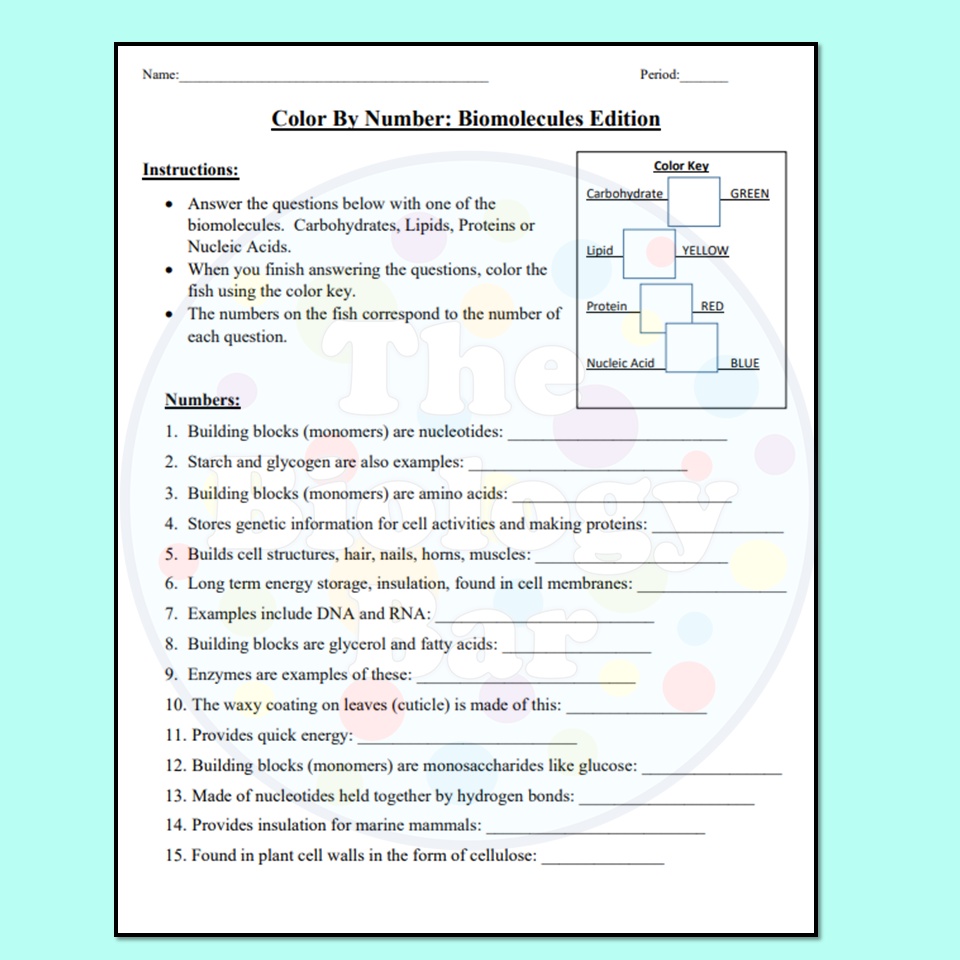
Credit: www.madebyteachers.com
Lifestyle Factors
Our body’s health relies on many lifestyle factors. These factors help build strong cell structures, hair, nails, horns, and muscles. Proper lifestyle choices support these essential body structures. Each choice impacts our body’s strength and resilience.
Impact Of Hydration
Hydration plays a vital role in maintaining healthy body structures. Water supports cell growth and repair. It helps skin stay elastic and prevents dryness. Proper hydration ensures nutrient transport to cells. It keeps hair and nails strong. Drinking enough water daily is crucial.
Sleep And Recovery
Sleep is essential for recovery and growth. Quality sleep allows the body to repair tissues. It supports muscle growth and recovery. During sleep, the body builds new cells. This process strengthens hair, nails, and muscles. Aim for 7-9 hours of sleep each night.
Stress And Its Effects
Stress can weaken our body’s structures. It leads to hair loss and brittle nails. Chronic stress affects muscle strength. It interferes with cell regeneration. Managing stress through relaxation techniques is important. It helps maintain healthy hair, nails, and muscles.
Frequently Asked Questions
What Builds Cell Structures, Hair, Nails, Horns, And Muscles?
Proteins build cell structures, hair, nails, horns, and muscles. They provide strength, support, and structural integrity. Essential amino acids from proteins help in growth and repair. Keratin, a protein, forms hair and nails. Collagen strengthens connective tissues. Ensure adequate protein intake for healthy development and maintenance.
Which Molecule Is Used To Build Structures Such As Muscle, Hair, Skin, And Nails?
Proteins are the molecules used to build structures such as muscle, hair, skin, and nails. These essential nutrients consist of amino acids that support body growth and repair. Consuming protein-rich foods like meat, fish, eggs, and legumes helps maintain healthy tissues and promotes overall well-being.
What Makes Proteins In A Cell?
Ribosomes create proteins in cells. They translate mRNA sequences into polypeptide chains. These chains fold into functional proteins. The process, called translation, occurs in the cytoplasm. Ribosomes consist of RNA and proteins themselves. They are essential for protein synthesis, ensuring cells function properly and maintain life.
What Types Of Molecules Are Enzymes, Fingernails, Hair, And Muscles Made Of?
Enzymes are proteins that catalyze biochemical reactions. Fingernails and hair are primarily made of keratin, a structural protein. Muscles consist of proteins such as actin and myosin, enabling contraction and movement.
Conclusion
Cell structures are vital for our hair, nails, horns, and muscles. They provide strength, growth, and protection. A balanced diet supports these structures. Nutrients like protein, vitamins, and minerals are essential. They help build and repair. Regular intake leads to healthy growth.
Poor nutrition weakens these cell structures. Regular exercise also benefits muscles. It enhances their strength and endurance. Understanding these elements helps maintain overall health. Your body thrives with proper care and nutrition. Always aim for a balanced lifestyle. It supports healthy cell structures.
Stay informed and make smart choices. Your body will thank you.