Are you ready to sculpt those biceps without ever stepping foot in a gym? Imagine flexing your muscles and feeling the strength you’ve always desired—all from the comfort of your own home.
The best part? You don’t need any fancy equipment. With the right techniques, you can achieve impressive results using just your body weight or a few simple tools you probably already have. In this guide, we’re diving into the ultimate bicep home workout that is not only effective but also convenient.
You’ll discover exercises that fit seamlessly into your daily routine, making it easier than ever to stay committed. Plus, we’ll reveal how small tweaks can lead to big gains, keeping you motivated and on track. Keep reading to unlock the secrets to building stronger, more defined biceps right where you are. Your journey to powerful arms starts now.

Credit: www.healthline.com
Benefits Of Bicep Workouts
Working out your biceps at home offers many advantages. These exercises not only enhance arm strength but also improve overall fitness. Bicep workouts can be easily done without gym equipment. They boost muscle growth and endurance. Let’s dive into the benefits of bicep workouts.
1. Stronger Arms
Building your biceps makes your arms stronger. This strength helps with daily tasks. Lifting, pulling, and carrying become easier. Strong arms can prevent injuries. They also support other workouts.
2. Improved Muscle Tone
Bicep workouts improve muscle tone. Toned muscles look better and feel better. They give your arms a defined shape. This boosts confidence. Well-toned arms are often admired.
3. Enhanced Grip Strength
Bicep exercises improve grip strength. Grip strength is essential for holding objects. It helps in sports and physical activities. A stronger grip supports other exercises. It also aids in everyday tasks.
4. Increased Metabolism
Working out your biceps can boost metabolism. More muscle mass increases calorie burning. This helps with weight management. A higher metabolism supports energy levels. It contributes to a healthier lifestyle.
5. Versatility And Convenience
Bicep workouts are versatile. You can do them at home. No need for fancy equipment. Use household items like water bottles. These exercises fit into any routine. They offer convenience and flexibility.

Credit: ar.pinterest.com
Essential Equipment
When you decide to focus on your bicep workouts at home, choosing the right equipment can make all the difference. While going to a gym gives access to various machines, working out at home requires a bit of creativity and planning. Let’s explore some essential equipment that can help you achieve those sculpted biceps.
Dumbbells
Dumbbells are incredibly versatile and can be used for a variety of bicep exercises. They come in various weights and designs, making them accessible for beginners and advanced lifters alike. You can start with a lighter set and gradually increase the weight as you build strength.
Consider adjustable dumbbells if you’re short on space. They allow you to modify the weight without cluttering your workout area. Picture yourself curling those dumbbells while watching your favorite show—multitasking at its finest!
Have you ever tried doing bicep curls with dumbbells in different variations? Experiment with hammer curls or concentration curls for a change. You might surprise yourself with the results.
Resistance Bands
Resistance bands are a fantastic addition to any home workout routine. They’re lightweight, portable, and provide a constant tension throughout the movement. This makes them great for isolating your biceps.
One of the benefits of resistance bands is their ability to offer varying levels of resistance. You can easily adjust the intensity by changing the band’s position or using multiple bands. Imagine doing bicep curls with a band while enjoying the fresh air on your balcony.
Try attaching a band to a sturdy anchor point and performing curls from different angles. It challenges your muscles in new ways, keeping your routine fresh and effective.
Bodyweight Options
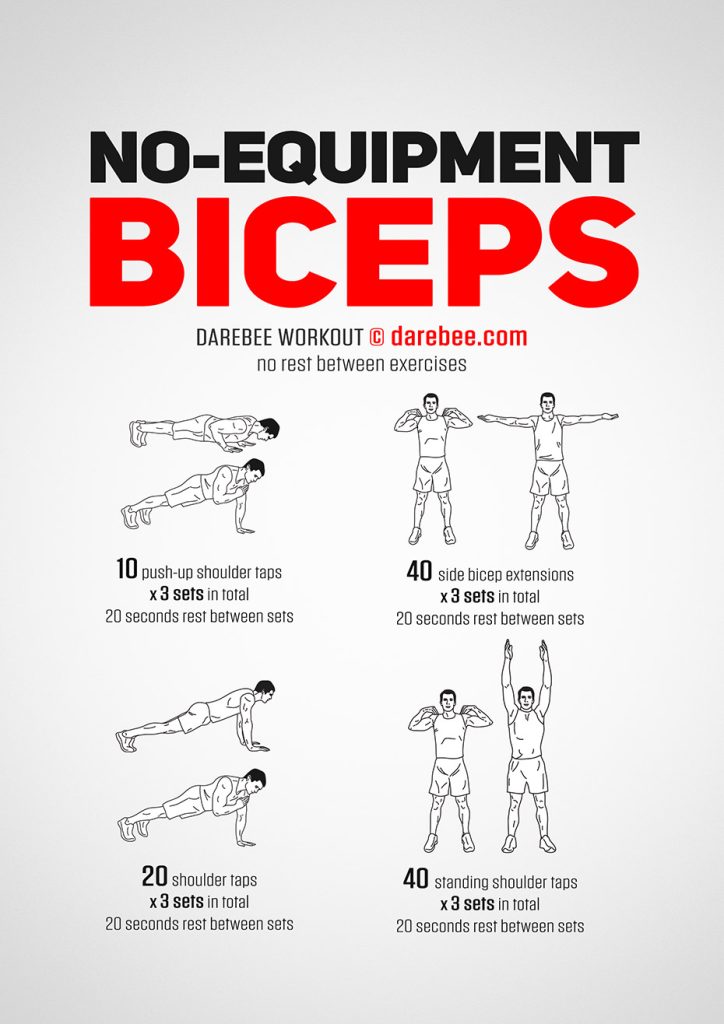
Believe it or not, you can effectively work your biceps without any equipment. Using your body weight offers a unique challenge and can be just as rewarding. Think about incorporating exercises like push-ups or planks that engage your biceps indirectly.
For a more direct approach, try doing chin-ups using a sturdy bar or doorway. It’s a classic move that targets your biceps while also working your back and shoulders. Ever tried doing a chin-up competition with a friend? It can be a fun way to push each other to new limits.
Consider using furniture around your home for support. A sturdy table or desk can provide the perfect setup for incline push-ups, giving your biceps a solid workout.
What are you waiting for? Equip yourself with these essentials and start your bicep workout at home today. Which equipment will you try first?
Warm-up Techniques
Effective warm-up techniques boost blood flow to the biceps, preparing muscles for a home workout. Stretching and light weights loosen muscles, reducing injury risk. Dynamic movements increase flexibility, enhancing workout performance.
Warm-Up Techniques Warming up is crucial before any workout, especially when you’re targeting specific muscles like your biceps. It prepares your body, reduces injury risk, and enhances your performance. Have you ever jumped straight into an intense workout, only to feel stiff and less energetic? A proper warm-up can change that experience. Dynamic Stretching Dynamic stretching involves active movements that help increase flexibility and blood flow. These are not static stretches where you hold a position. Instead, they involve gentle movements that mimic the exercises you’ll do. Try arm circles or swinging your arms gently forward and backward. These motions warm up your muscles and joints, preparing them for the heavier workload. Consider adding movements like shoulder rotations or gentle punches into the air. These actions engage the biceps and surrounding muscles, ensuring they’re ready for more strenuous activity. Cardio Exercises Cardio isn’t just for leg day. Incorporating brief cardio exercises into your warm-up can elevate your heart rate and get your blood pumping. A few minutes of jumping jacks or brisk walking on the spot can be effective. Imagine doing this while visualizing the upcoming workout, feeling your energy levels rising. You might be surprised how a short burst of cardio can invigorate your body and mind. Your muscles will thank you for the increased oxygen flow, setting the stage for a successful bicep workout. Warm-ups aren’t just a precursor to the real action; they are the foundation. Investing a few minutes into these techniques can drastically improve your workout experience and results.Core Bicep Exercises
Enhance your arms with core bicep exercises at home. Simple moves like curls and push-ups strengthen muscles efficiently. No equipment needed for a powerful workout.
When you’re aiming for powerful arms, core bicep exercises are your go-to moves. These exercises not only sculpt your biceps but also enhance your arm strength and endurance. By focusing on these fundamental exercises, you can achieve noticeable results right in the comfort of your home. Let’s dive into three essential bicep exercises that can transform your arm workout routine.Bicep Curls
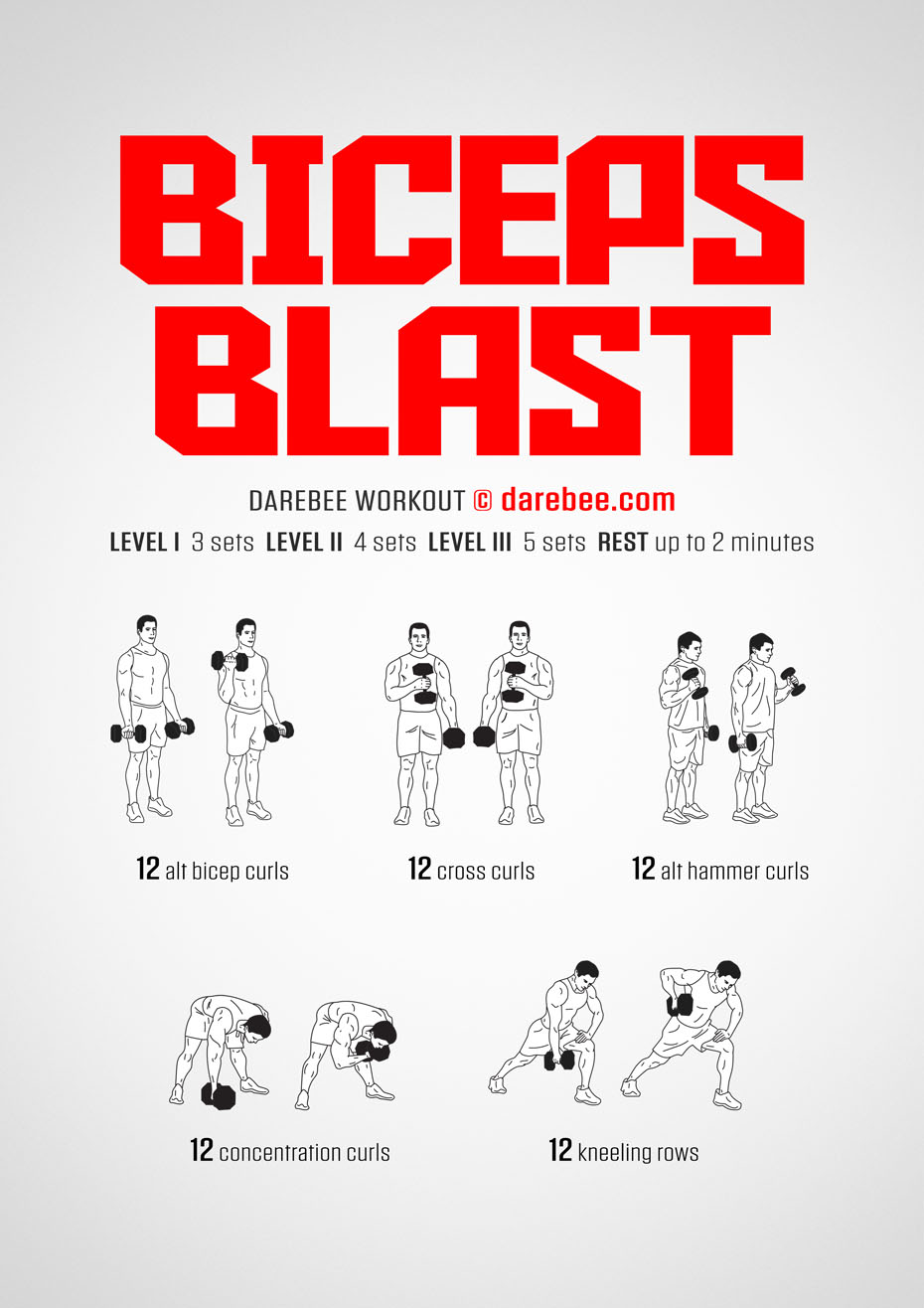
Bicep curls are a classic exercise that targets the main muscle in your upper arm. They’re simple yet effective. All you need are dumbbells or even household items like water bottles. Stand straight, hold your weights with your palms facing up, and curl them towards your shoulders. Feel the tension in your biceps as you lift. Try this: Perform three sets of 12 reps, and notice the burn! Are you keeping your elbows close to your sides? This ensures you’re working your biceps and not your shoulders.Hammer Curls
Hammer curls add a twist to the traditional bicep curl. By keeping your palms facing your body, you engage different parts of the arm. This exercise works the brachialis muscle, giving your arms a fuller look. Grab your weights, keep your elbows steady, and lift as if you’re holding a hammer. Is your grip strong? A firm grip enhances muscle activation. Aim for three sets of 10 reps, and feel the difference in your arm definition.Concentration Curls
Concentration curls are all about focus. Sit down, rest your elbow on your inner thigh, and curl a dumbbell towards your shoulder. This isolates the bicep, allowing for a deep contraction and effective muscle building. Consider this: Are you controlling the motion? Slow and steady wins the race here. Go for three sets of 8 reps, ensuring each curl is precise. Notice how your biceps respond to this concentrated effort. How do these exercises fit into your home workout routine? As you integrate them, you might find your biceps responding with increased strength and size. What’s stopping you from trying these exercises today?Advanced Bicep Moves
Boost your bicep workout with advanced moves. These exercises are great. They challenge your muscles and increase strength. Try these if you want more than basic curls. They offer variety and push your limits. Advanced bicep moves are effective and fun. They keep your routine exciting.
Incline Dumbbell Curls
Incline dumbbell curls target the long head of the bicep. Use a bench set at an angle. Sit back with your arms hanging down. Curl the weights slowly and control the movement. Feel the stretch at the bottom. This exercise enhances muscle growth. It builds bicep peak.
Resistance Band Curls
Resistance band curls add tension throughout the movement. Stand on the band with feet shoulder-width apart. Hold the handles firmly. Curl the bands up towards your shoulders. Keep your elbows close to your body. This exercise is versatile and easy to adjust. It suits different strength levels.
Isometric Holds
Isometric holds strengthen the biceps without movement. Hold a dumbbell at a 90-degree angle. Keep your elbow bent. Maintain this position for several seconds. Focus on squeezing the bicep. This builds endurance and muscle control. Isometric holds are simple yet powerful.
Credit: darebee.com
Creating A Workout Routine
Crafting a bicep home workout routine involves simple exercises like curls and push-ups. These exercises help strengthen arms effectively. Consistency and proper form ensure the best results.
Creating a workout routine for bicep exercises at home can be both exciting and rewarding. Having a structured plan ensures you maximize your time and energy, leading to better results. But how often should you train, and how much rest do those muscles really need? Let’s delve deeper into crafting the perfect routine.Frequency And Duration
Consistency is key when building muscle strength. Aim to work out your biceps two to three times a week. This frequency allows you to target the muscles effectively without overdoing it. Each session should last between 20 to 30 minutes. This timeframe is sufficient to include warm-up, exercises, and cool-down. You might be surprised how efficient a short workout can be when it’s focused.Rest And Recovery
Rest is just as important as the workout itself. Your muscles need time to repair and grow stronger. Ensure you have at least 48 hours between bicep sessions. What do you do on rest days? Focus on other muscle groups or engage in light activities like walking or yoga. This approach keeps your body moving without straining your biceps. Proper sleep and nutrition also play a huge role in recovery. Ensure you’re getting enough protein and sleep to support muscle growth. Have you noticed how much better you feel after a good night’s rest? Creating a balanced bicep workout routine is all about listening to your body and adjusting as needed. Are you ready to take your home workouts to the next level?Nutrition For Muscle Growth
Building bigger biceps at home requires more than just lifting weights. Nutrition plays a crucial role in muscle growth. Proper diet fuels your body and aids recovery. Eating the right foods helps build muscle tissue. It also improves performance during workouts.
Protein-rich Foods
Protein is essential for muscle repair and growth. Include lean meats like chicken and turkey in your diet. Fish such as salmon and tuna are also great sources. Plant-based proteins like beans, lentils, and tofu are good options too. Eggs provide a complete protein package. Dairy products like Greek yogurt and cheese add variety. Nuts and seeds offer protein and healthy fats.
Hydration Tips
Hydration supports muscle function and recovery. Drink water before, during, and after workouts. Aim for at least 8 cups daily. Use a water bottle to track your intake. Herbal teas and coconut water are good choices. Avoid sugary drinks that dehydrate you. Electrolyte drinks can help after intense workouts. Hydration keeps you energized and focused.
Tracking Progress
Monitor your bicep home workout results by recording reps and sets weekly. This helps identify growth and adjust exercises as needed. Consistent tracking ensures steady progress and motivation for future workouts.
Tracking progress in your bicep home workout is essential. It helps you understand your growth and motivate you. Seeing your progress can keep you focused. You’ll know when to push harder or ease off. Tracking also ensures your workout remains effective. Let’s explore how to measure and adjust your workout intensity.Measurement Techniques
Measuring your biceps can be straightforward. Use a tape measure around the widest part of your bicep. Do this while your arm is relaxed. Consistent measurement is key. Always measure at the same spot for accuracy. Another method is to take photos. Take a picture every few weeks. Compare them to see changes. This visual method can be motivating. You may also track your strength. Note the number of reps and sets you complete. Record how much weight you lift, if any. Increasing numbers show progress. These techniques provide clear evidence of improvement.Adjusting Intensity
Intensity adjustment keeps your workout challenging. Start by increasing your reps or sets. Gradually add more as you grow stronger. Another method is reducing rest time. Shorter breaks make the workout harder. Consider increasing weights if you use them. Even a small increase can make a big difference. Change the exercise type for variety. Try different bicep exercises for balance. Adjusting intensity prevents plateauing. It keeps your muscles engaged and growing. Always listen to your body. Rest when needed to avoid injury.Common Mistakes To Avoid
Working out at home can be convenient. But it comes with its own challenges. Many people make mistakes that hinder their progress. Knowing these mistakes can help you get better results. Let’s explore some common errors in bicep workouts.
Overtraining
Some think more is better. But too much exercise can harm your muscles. Overtraining leads to fatigue and slower recovery. Your muscles need time to heal. Without rest, growth becomes difficult. Plan rest days for recovery. Listen to your body for signs of fatigue.
Ignoring Form
Form is key in any workout. Poor form reduces effectiveness and increases injury risk. Many ignore proper form to lift heavier weights. This can strain your muscles. Start with lighter weights and focus on technique. Use a mirror to check your posture. A correct form ensures better muscle engagement.
Frequently Asked Questions
How Do I Train My Biceps At Home?
Train biceps at home using dumbbell curls, resistance bands, or bodyweight exercises like push-ups and plank variations. Maintain proper form and gradually increase intensity for best results. Consistency and balanced nutrition support muscle growth.
Can You Build Biceps Without Weights?
Yes, you can build biceps without weights. Use bodyweight exercises like push-ups, pull-ups, and chin-ups. Incorporate resistance bands for added intensity. Regularly practicing these exercises strengthens and tones biceps effectively. Maintain consistency and progressively increase difficulty to see better results.
Focus on proper form and balanced nutrition for optimal muscle growth.
Can You Get 20 Inch Biceps Naturally?
Achieving 20-inch biceps naturally is challenging and depends on genetics, consistent training, and proper nutrition. Most individuals may not reach this size without enhanced methods. Focus on progressive overload, balanced diet, and adequate rest to maximize muscle growth. Consult a fitness professional for personalized advice.
Are 3 Exercises For Biceps Enough?
Three exercises can be enough for biceps if they target different areas. Focus on form and intensity. Include variations to maximize muscle growth. Adjust based on personal goals and fitness levels. Consistency and progressive overload are key for effective results.
Always prioritize proper technique to prevent injury.
Conclusion
Achieving strong biceps at home is simple. No gym needed. Just dedication and consistency. Use these exercises regularly for the best results. Remember to keep good form. Avoid rushing through movements. Progress may take time. That’s okay. Patience is key.
Stay motivated and focused on your goals. Adjust exercises as needed. Listen to your body. If it feels too easy, increase reps or resistance. Over time, your strength will grow. Enjoy the journey to stronger arms. You can do it.
Keep pushing forward. Your home is the perfect workout space. Embrace it. Happy training!