Are you ready to transform your fitness routine without stepping into a gym? Welcome to the world of calisthenics.
This workout style uses your body weight to build strength, flexibility, and endurance. Whether you’re new to exercise or looking to switch things up, a beginner calisthenics workout plan can be the perfect fit. Imagine sculpting your body with just a few simple moves, no fancy equipment needed.
Intrigued? Dive in and discover how you can redefine your fitness journey and achieve remarkable results. Your path to a fitter, healthier you starts here.
Benefits Of Calisthenics
Discover how a beginner calisthenics workout plan can boost strength using just body weight. Engage in exercises like push-ups and squats to improve flexibility, balance, and endurance. Easily adaptable routines suit any fitness level.
Thinking about starting a calisthenics workout plan? It’s a fantastic choice, especially for beginners! Calisthenics offers a multitude of benefits that go beyond just physical fitness. Whether you’re aiming to improve your flexibility, strengthen your core, or enjoy a workout without a load of equipment, calisthenics has something to offer. Let’s delve into the specific advantages that can transform your fitness journey.Improved Flexibility
Calisthenics naturally enhances flexibility. As you perform various exercises, like lunges and stretches, your muscles lengthen, increasing your range of motion. You might find that you can bend and twist more easily in daily life, making tasks simpler and reducing the risk of injury. Imagine reaching the top shelf without struggling or feeling more agile during your favorite sport. That’s the power of improved flexibility through calisthenics.Enhanced Core Strength
Your core is the powerhouse of your body. Calisthenics exercises such as planks and mountain climbers target these muscles effectively. Strengthening your core supports better posture and balance. You might notice that everyday activities, like carrying groceries or sitting for long periods, become less strenuous. A strong core also enhances your performance in other workouts and sports activities. How might a stronger core change the way you move through your day?Minimal Equipment Required
One of the greatest advantages of calisthenics is the lack of need for equipment. You can perform a full workout using just your body weight, making it accessible anywhere, anytime. No need for expensive gym memberships or bulky home gym setups. Imagine working out at a park, in your living room, or even during a break at work. This accessibility means you can stay consistent with your fitness routine, no matter where you are. Incorporating calisthenics into your fitness plan can provide these benefits and more. Why not give it a try and see how it transforms your body and lifestyle?
Credit: www.pinterest.com
Setting Fitness Goals
Setting fitness goals is crucial for any workout plan, especially for beginners. Goals provide direction and help measure progress. They make exercises more meaningful and keep you focused. Without goals, workouts can become aimless and unproductive. Establishing clear objectives ensures a structured approach to fitness. This section will guide you on defining goals, tracking progress, and staying motivated.
Defining Short-term Goals
Short-term goals are essential for quick wins. They are achievable within weeks or a few months. Start with simple objectives like improving push-up counts. Or aim to increase workout frequency. These goals should be specific and realistic. They help build confidence and pave the way for bigger achievements. Write them down for clarity and commitment.
Tracking Progress
Tracking your progress keeps you informed. Record your workouts in a journal. Note the number of reps and sets completed. Monitor improvements in endurance and strength. Use apps to track your fitness journey. Seeing tangible results boosts motivation and highlights areas needing improvement. Adjust your plan based on these insights.
Staying Motivated
Motivation is key to sticking with a workout plan. Celebrate small victories to stay encouraged. Mix up routines to keep workouts exciting. Set reminders for daily exercises and rest days. Find a workout buddy to share the journey. Listen to music that energizes you. Motivation comes from enjoying the process and seeing results.
Essential Calisthenics Exercises
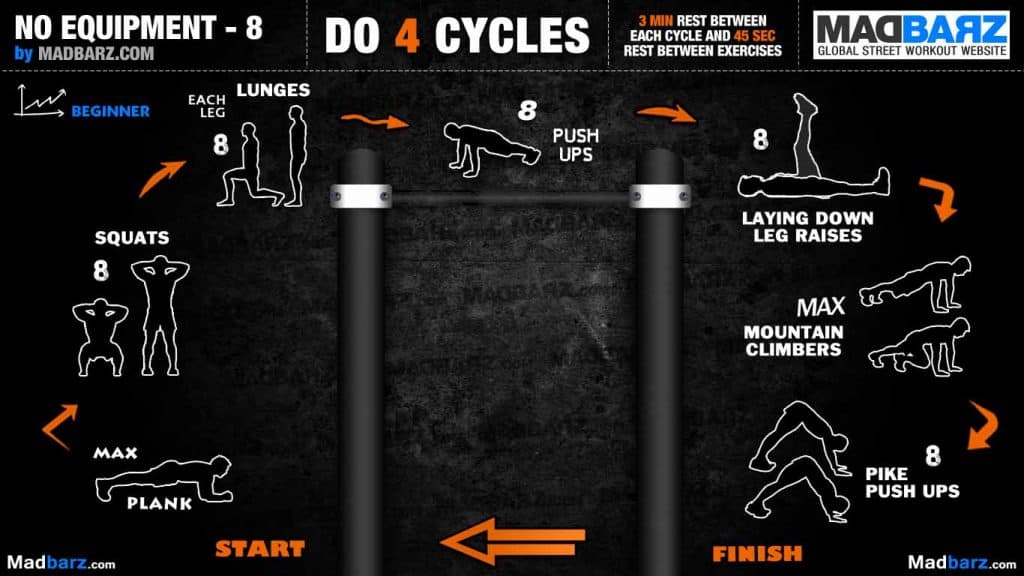
Calisthenics workouts are perfect for beginners. They require no equipment and build strength. Essential exercises form the core of a calisthenics workout plan. These moves use your body weight to train muscles effectively. Let’s dive into the key exercises for starting your calisthenics journey.
Push-ups
Push-ups work your chest, shoulders, and triceps. They improve upper body strength and stability. Start with your hands shoulder-width apart. Keep your body straight. Lower yourself until your chest nearly touches the ground. Push back up to the starting position. Adjust hand placement for variations. Wide stance targets chest more. Close stance focuses on triceps.
Pull-ups
Pull-ups strengthen your back and arms. They enhance grip strength and endurance. Find a sturdy bar for this exercise. Hang with arms fully extended. Pull yourself up until your chin reaches the bar. Lower back down with control. Use an overhand grip for wide pull-ups. Underhand grip focuses on biceps.
Squats
Squats build leg and core muscles. They improve balance and flexibility. Stand with feet shoulder-width apart. Lower your hips as if sitting in a chair. Keep your chest up and back straight. Return to a standing position. Try deep squats for extra challenge. Jump squats add cardio benefits.
Planks
Planks target your core and improve posture. They increase endurance and stability. Start by lying face down. Lift your body on elbows and toes. Keep a straight line from head to heels. Hold the position without sinking. Side planks work oblique muscles. Adjust time for intensity.
Creating A Weekly Routine
Starting a weekly routine in beginner calisthenics helps build strength and flexibility. Focus on exercises like push-ups, squats, and planks. Regular practice improves body control and endurance.
Embarking on a calisthenics journey is thrilling, especially when you’re crafting your very own weekly workout routine. This phase is crucial because it sets the rhythm for your fitness progress. A well-planned schedule not only keeps you motivated but also ensures you maximize your gains while minimizing the risk of injury. You’ll find that structuring your week strategically can make all the difference in achieving your fitness goals.Balancing Workout Days
Balance is key in any workout plan. Too much of one thing can lead to burnout or plateau. If you focus solely on upper body exercises, your legs might feel neglected, and vice versa. Consider splitting your workouts: dedicate certain days to upper body moves like push-ups and pull-ups, while reserving other days for lower body exercises like squats and lunges. Mix in some core workouts throughout the week. This ensures a well-rounded approach, keeping your body agile and strong. Remember, it’s not just about the workouts; it’s about creating harmony between them.Incorporating Rest Days
Rest days are as important as workout days. Without them, you’re likely to experience fatigue and diminished performance. Aim for at least two rest days a week. These breaks allow your muscles to repair and grow. Use rest days to focus on activities that rejuvenate you. Maybe it’s a light walk, stretching, or meditation. Listen to your body—if it’s asking for more rest, give it. The goal is sustainable progress, not quick burnout.Adjusting For Progress
Your body adapts over time, so it’s essential to tweak your routine periodically. As you get stronger, exercises that once seemed challenging may become too easy. Add more reps or try advanced variations to keep pushing your limits. Track your progress in a journal or app. Seeing how far you’ve come can boost motivation and highlight areas that need attention. Ask yourself: Are my goals evolving? What new challenge can I introduce this week? Creating a weekly routine is your personal blueprint for success. Make it dynamic and responsive to your needs. Take ownership of your journey, and watch your strength and confidence grow in leaps and bounds.Nutrition And Recovery
Beginner calisthenics workouts demand proper nutrition and recovery for optimal results. Balanced meals aid muscle repair and growth. Adequate rest ensures energy replenishment and prevents injury, enhancing workout performance.
Embarking on a calisthenics workout journey is exciting, but to truly succeed, you must pay attention to nutrition and recovery. These crucial aspects can significantly impact your progress and overall well-being. Whether you’re an early riser hitting the park or a late-night workout enthusiast, understanding how to fuel and care for your body will keep you motivated and strong.Hydration Tips
Staying hydrated is key to performing your best during workouts. Water helps maintain your energy levels and keeps your muscles functioning smoothly. Aim to drink at least eight glasses of water a day. Consider carrying a reusable water bottle with you. This makes it easier to track your intake and ensure you’re drinking enough. If you’re sweating heavily, try adding a pinch of salt or a splash of lemon to your water to replenish lost electrolytes. How do you feel when you forget to hydrate? You might notice a drop in energy or even headaches. Make hydration a priority to avoid these pitfalls.Protein Intake
Protein is essential for muscle repair and growth. After a calisthenics session, your muscles need protein to recover and strengthen. Incorporating protein-rich foods like chicken, eggs, and beans can make a big difference. Consider having a protein-rich snack or meal within an hour after your workout. This timing can boost your recovery process. If you’re vegetarian or vegan, options like tofu, lentils, and quinoa are excellent sources. Have you ever noticed how your body feels stronger after consistently including protein in your diet? It’s like giving your muscles the tools they need to rebuild and grow.Importance Of Sleep
Sleep is often overlooked, but it’s vital for recovery and performance. During sleep, your body repairs itself, allowing you to wake up refreshed and ready for another workout. Aim for 7-9 hours of quality sleep each night. Consider creating a bedtime routine that helps you wind down. This might include reading, stretching, or listening to calming music. Avoid screens before bed to improve your sleep quality. How does your body respond when you don’t get enough sleep? You might find workouts harder and feel less motivated. Prioritize sleep to ensure you’re ready to tackle your calisthenics routine with energy.
Credit: fitnessfaqs.com
Common Mistakes To Avoid
Starting a calisthenics workout plan can be exciting. But beginners often make mistakes. These mistakes can slow progress and cause injuries. Avoid these common pitfalls for a successful start.
Overtraining
Overtraining is a frequent error in calisthenics. Beginners often think more is better. This can lead to exhaustion and injuries. Muscles need time to recover. Rest days are crucial. They help your body repair and grow stronger. Balance your workout routine. Include rest periods.
Neglecting Warm-ups
Warm-ups prepare your body for exercise. Many beginners skip this step. This can cause muscle strains and sprains. Warming up increases blood flow and flexibility. It also reduces injury risk. Spend at least 5 minutes warming up. Do light cardio or dynamic stretches.
Ignoring Body Signals
Your body sends signals during workouts. Ignoring these can be harmful. Pain is a warning sign. It can indicate an injury. Listen to your body. Stop if you feel sharp pain. Modify exercises if needed. Understanding your limits keeps you safe and healthy.
Tracking Your Improvement
Beginner calisthenics workout plans help track improvement and build strength gradually. Regular exercises like push-ups and squats provide measurable progress. Documenting your journey keeps motivation high and highlights achievements over time.
Tracking your improvement in calisthenics is essential for progress. It helps you see how far you’ve come. It also keeps you motivated. This can be achieved through various methods. Here are some effective ways to track your calisthenics progress.Using Fitness Apps
Fitness apps can be a handy tool. Many apps offer tracking features for workouts. They help you log exercises and repetitions. Some apps even provide progress graphs. This visual representation can boost motivation. Choose an app that suits your needs.Recording Performance
Keep a workout journal or diary. Write down your exercises and reps. Include notes on how you felt. Record any difficulties or achievements. This helps identify patterns in your performance. It also makes it easy to see progress over time.Setting New Challenges
Set achievable goals for yourself. Start with small, realistic targets. Gradually increase the difficulty of your workouts. Challenges keep workouts exciting and engaging. They also ensure continuous improvement in your routine.
Credit: www.gornation.com
Frequently Asked Questions
What Is The 80/20 Rule In Calisthenics?
The 80/20 rule in calisthenics suggests focusing on 20% of exercises that deliver 80% of results. Prioritize compound movements like pull-ups, push-ups, and squats for maximum efficiency and muscle growth. This method maximizes workout effectiveness by concentrating on key exercises that provide the greatest benefits.
What Is A Good Calisthenics Workout Plan For Beginners?
A good beginner calisthenics workout includes push-ups, squats, lunges, planks, and burpees. Aim for three sets of 10-15 reps each. Practice three times a week, ensuring proper form and gradual progression. This builds strength and endurance efficiently.
Is 30 Minutes Of Calisthenics A Day Enough?
Yes, 30 minutes of calisthenics daily can be beneficial for fitness. It improves strength, flexibility, and endurance. Consistency and intensity matter for effective results. Adjust exercises to match personal fitness goals and levels.
Is The 28 Day Calisthenics Challenge Legit?
The 28-day calisthenics challenge is legit and can effectively boost strength and fitness. Many participants report positive results and improved endurance. The challenge encourages consistency, which is key to success in fitness. Always ensure exercises are done correctly to avoid injury.
Conclusion
Starting a calisthenics journey is both rewarding and enjoyable. With consistent practice, strength and flexibility improve. This beginner plan offers a solid foundation. Stick to it and watch your skills grow. Remember, progress takes time. Be patient with yourself. Listen to your body and rest when needed.
Celebrate small victories along the way. Stay motivated by setting achievable goals. Enjoy the process and have fun. Calisthenics will soon become a part of your routine. Keep pushing, and you’ll see great results. You’re on the path to a healthier, stronger you.
Keep going!