Are you ready to take your fitness journey to the next level? Imagine the thrill of competing, the rush of adrenaline, and the immense satisfaction of pushing your limits.
Fitness competitions for beginners offer you a unique opportunity to challenge yourself, meet like-minded individuals, and achieve new goals. You don’t need to be a seasoned athlete to dive in; these competitions are designed for people just like you who are eager to explore their potential.
Whether you’re looking to boost your confidence, enhance your physical health, or simply try something new, this introduction will guide you through the exciting world of fitness competitions tailored specifically for beginners. Keep reading to discover how you can transform your workout routine into a rewarding and exhilarating adventure.
Credit: www.ironmaster.com
Types Of Fitness Competitions
Fitness competitions offer a unique challenge for beginners. These events test different skills and strengths. Each type of competition focuses on specific areas of fitness. Participants gain motivation and find new ways to push their limits. Understanding the types of competitions helps in choosing the right fit.
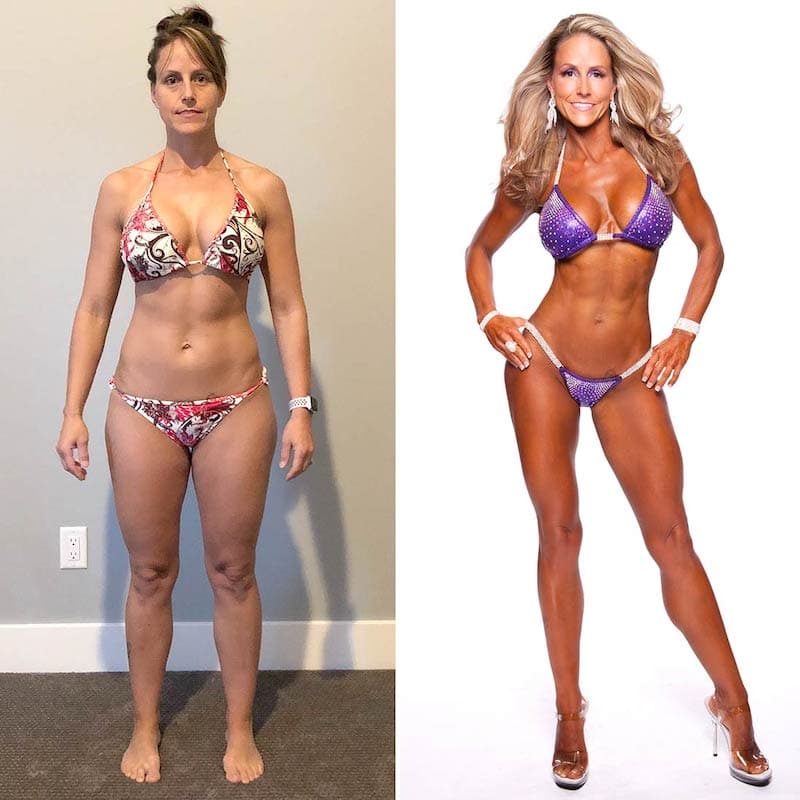
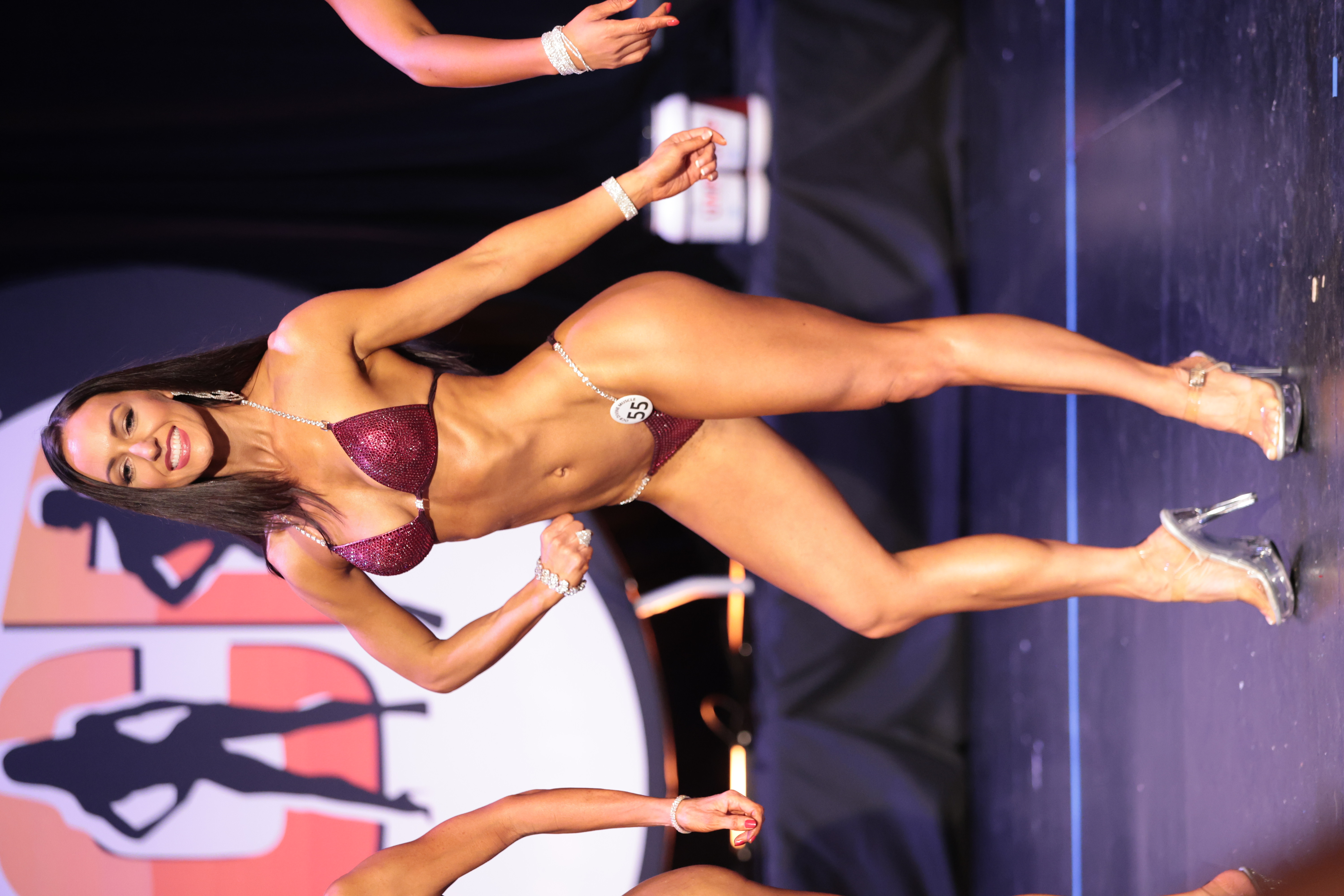
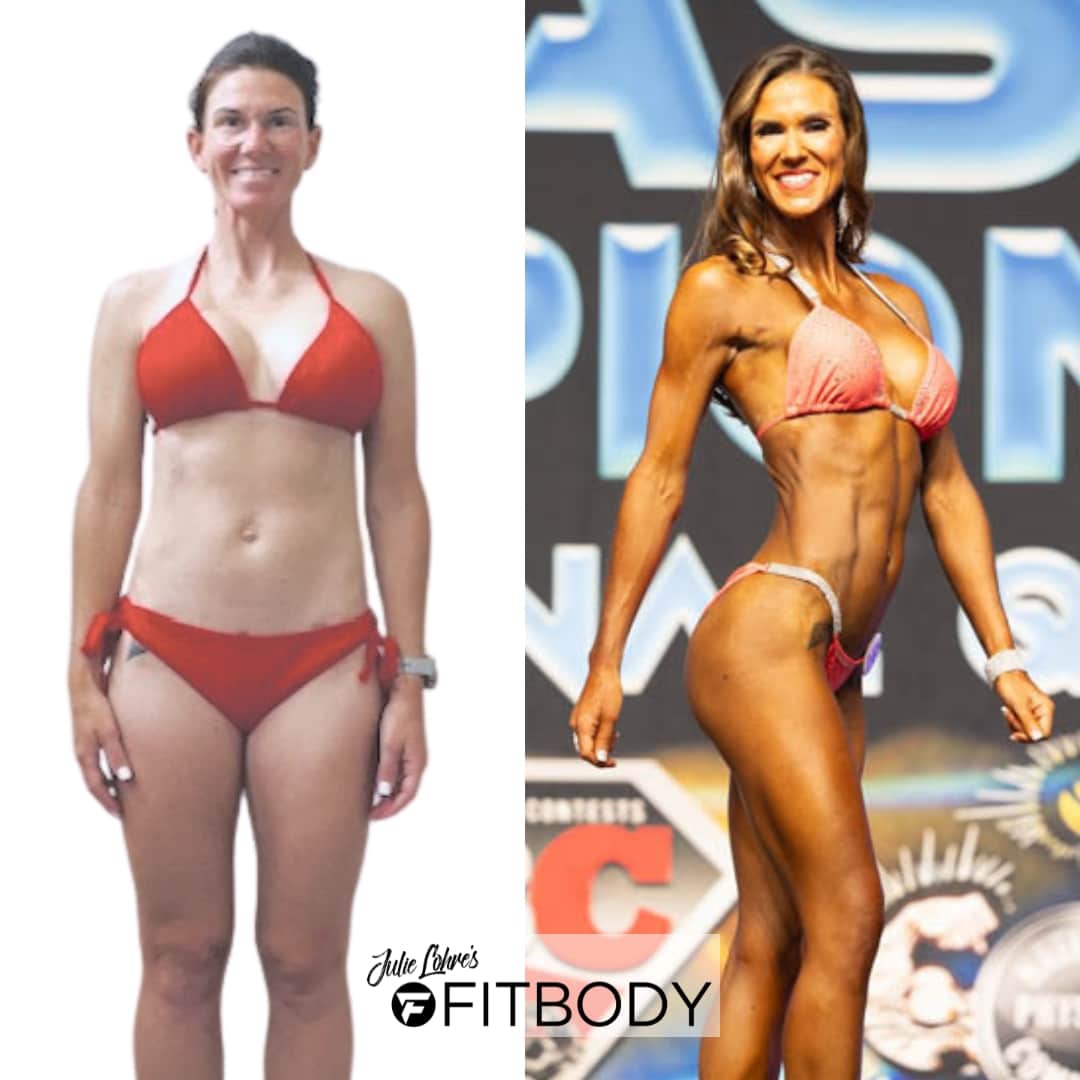
Bodybuilding Contests
Bodybuilding contests focus on muscle size and definition. Participants train for symmetry and proportion. Judges assess poses and overall physique. Beginners learn discipline and dedication through bodybuilding.
Crossfit Challenges
CrossFit challenges combine strength and endurance. Participants face varied workouts like lifting and running. These challenges test overall fitness. Beginners improve their agility and stamina in CrossFit events.
Obstacle Races
Obstacle races involve running and overcoming barriers. Participants climb, crawl, and jump through courses. These races test speed and problem-solving. Beginners develop resilience and teamwork in obstacle races.
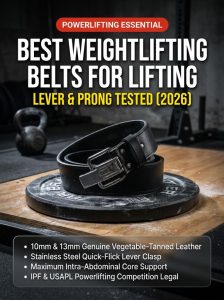
Powerlifting Meets
Powerlifting meets focus on maximum strength in three lifts. Participants perform squat, bench press, and deadlift. Judges score based on weight lifted. Beginners learn technique and power in powerlifting events.
Credit: julielohre.com
Choosing The Right Competition
Beginners should consider local fitness competitions with friendly environments. These events offer support and encouragement. Starting small helps build confidence and experience.
Deciding to enter a fitness competition is an exciting step towards pushing your boundaries and achieving new goals. Choosing the right competition is crucial to ensure you’re setting yourself up for success and enjoyment. Whether you’re just starting out or have been working out for a while, finding the right match can make all the difference in your experience and outcome.
Assessing Fitness Levels
Before committing to a competition, take a good look at your current fitness level. Are you comfortable with the basic exercises, or do you need to build more strength and endurance? If you find yourself struggling with your current routine, consider starting with a smaller, local event that accommodates beginners. It’s important to be honest about your capabilities. This doesn’t just mean physical strength; consider your mental readiness too. Are you prepared to handle the discipline and commitment required for training?
Setting Personal Goals
Define what you want to achieve through the competition. Is it about personal growth, gaining confidence, or perhaps meeting new people who share your interests? By setting clear goals, you’ll have a roadmap that will guide your training and keep you motivated. Think about both short-term and long-term objectives. Maybe your short-term goal is to complete the competition, while a long-term goal might be to improve your performance in specific areas. Personal goals should be challenging but realistic, giving you something to strive for without feeling overwhelmed.
Researching Local Events
Start by looking into local competitions to find a beginner-friendly event. Check community boards, gyms, and social media groups for upcoming competitions. A local event can be less intimidating and more supportive, offering a great way to ease into the competitive scene. Talk to people who have participated before. They can offer valuable insights and tips on what to expect and how to prepare. Consider factors like location, date, and entry requirements to ensure the event aligns with your schedule and abilities. Choosing the right competition involves more than just picking a date on the calendar. It’s about aligning your current fitness level and personal goals with an event that excites and challenges you. Have you found your perfect match yet?
Training Plans For Beginners
Embarking on a fitness competition journey can be exciting yet daunting for beginners. A well-structured training plan is crucial for success. Focusing on strength, cardio, and flexibility ensures balanced development. Let’s dive into essential aspects of a beginner’s training plan.
Strength Training Basics
Strength training builds muscle and boosts metabolism. Beginners should start with basic exercises. Squats, push-ups, and deadlifts are great choices. Aim for two to three sessions weekly. Each session should include three sets of 8-12 reps. Gradually increase weight to avoid plateauing. Proper form is vital to prevent injuries.
Cardio And Endurance
Cardio improves heart health and endurance. Start with low-impact activities like walking or cycling. Aim for 20-30 minutes, three to four times a week. Gradually increase intensity and duration. Intervals are effective for building stamina. Mix short bursts of speed with recovery periods.
Flexibility And Mobility
Flexibility and mobility are crucial for overall performance. Incorporate stretching into your routine. Focus on major muscle groups after workouts. Dynamic stretches are great for warming up. Static stretches help cool down. Yoga and Pilates improve flexibility and core strength. Aim for at least two sessions per week.
Credit: www.oxygenmag.com
Nutrition And Diet Tips
Starting a fitness competition journey requires balanced nutrition and a strategic diet. Focus on protein-rich meals to build muscle. Stay hydrated and include plenty of fruits and vegetables for essential vitamins.
Embarking on your first fitness competition journey is both exciting and challenging. Nutrition plays a vital role in preparing your body for the big day. Understanding how to fuel your body with the right nutrients can make all the difference in your performance and results.
Macro And Micronutrients
Understanding macros—proteins, carbohydrates, and fats—is essential. Proteins help build and repair muscles, while carbs provide energy. Healthy fats are crucial for brain function and hormone production. Micronutrients, like vitamins and minerals, support overall health. Think of them as the unsung heroes that keep your body running smoothly. Including a variety of fruits and vegetables ensures you get these vital nutrients. Are you getting enough of each nutrient? Tracking what you eat can help ensure you hit your targets. Apps like MyFitnessPal make this process simple and can be a game-changer in your preparation.
Hydration Strategies
Staying hydrated is crucial for peak performance. Water helps regulate your body temperature and keep your joints lubricated. It also plays a critical role in transporting nutrients to give you energy and keep you healthy. Aim to drink enough water throughout the day, not just during workouts. A good rule of thumb is to drink at least eight 8-ounce glasses daily. But remember, this can vary based on your activity level and climate. Monitor your urine color to gauge hydration levels; a pale yellow is what you should aim for. Have you ever noticed fatigue or muscle cramps? It might be your body’s way of telling you to drink more water.
Meal Prepping For Success
Meal prepping sets you up for success and keeps your diet on track. Cooking in bulk saves time and ensures you always have healthy options available. Plan your meals around your macro and micronutrient goals. Consider creating a weekly menu and shopping list to streamline your prep time. Have you ever been tempted by fast food because you didn’t have a meal ready? Prepping avoids these pitfalls by providing convenient, nutritious meals at your fingertips. Remember, consistency is key. Starting small and gradually improving your meal prep routine can lead to better habits and results. Are you ready to take charge of your nutrition and step onto the competition stage with confidence?
Gear And Equipment Essentials
Embarking on a fitness competition journey can be exciting. Proper gear and equipment make a significant difference. Beginners often wonder what essentials to invest in. The right choices enhance performance and comfort. Below, you’ll find key items that should be part of your kit.
Clothing And Footwear
Comfortable clothing is crucial during workouts. Choose breathable fabrics to keep cool. Avoid clothes that restrict movement. Footwear is equally important. Invest in shoes that offer good support. Proper footwear prevents injuries and enhances stability. Ensure the fit is snug but not tight.
Supplements And Recovery Tools
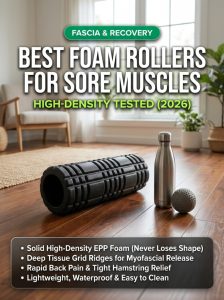
Supplements can aid in muscle growth and recovery. Protein powders are popular among athletes. They help in repairing muscles post-workout. Recovery tools like foam rollers are beneficial. They relieve muscle tension and improve flexibility. Consistent recovery ensures better performance.
Tech Gadgets For Tracking
Tracking progress is motivating. Consider investing in fitness trackers. They monitor steps, heart rate, and sleep patterns. Smartwatches offer detailed workout insights. They provide feedback on calories burned. These gadgets are user-friendly and offer real-time updates. Tracking helps in setting goals and achieving them.
Mental Preparation Techniques
Mental preparation techniques help beginners in fitness competitions stay focused and confident. Breathing exercises calm nerves before the event. Visualization aids in picturing success, enhancing motivation and performance.
Getting ready for your first fitness competition isn’t just about building muscles or perfecting your routine. It’s also about mental preparation. Your mind can be your greatest ally or your biggest barrier in achieving your goals. Let’s dive into some effective mental preparation techniques that can set you up for success in your fitness journey.
Visualization And Goal Setting
Visualizing your success can be a powerful tool. Picture yourself on stage, executing your routine flawlessly, and receiving applause. This mental rehearsal can boost your confidence. Set clear and achievable goals. Instead of saying, “I want to win,” focus on specific skills you want to improve. This helps you stay on track and measure your progress. Write down your goals and visualize them daily. This practice keeps you motivated and focused on the prize.
Stress Management
Competing can be nerve-wracking. Stress can negatively impact your performance if not managed properly. Deep breathing exercises can help calm your mind. Spend a few minutes each day taking slow, deep breaths to reduce anxiety. Consider journaling about your thoughts and feelings. This can be a great outlet for stress and help you process any fears or doubts.
Building Confidence
Confidence is key in fitness competitions. Reflect on your progress and how far you’ve come. This acknowledgment of your hard work can boost your self-esteem. Seek feedback from trainers or peers. Constructive criticism can help you improve and feel more prepared. Engage in positive self-talk. Replace negative thoughts with affirmations like “I am strong” or “I am ready.” Your mindset can make or break your performance. Remember, mental preparation is just as important as physical preparation. How will you mentally gear up for your fitness competition? Your mind is a powerful tool—use it wisely to achieve your fitness dreams.
Day Of The Competition
Fitness competitions for beginners offer a friendly environment to showcase your hard work and dedication. Participants experience excitement and camaraderie while testing their strength and endurance. This supportive atmosphere encourages personal growth and confidence.
The day of the competition is finally here, and it’s a mix of excitement and nerves. You’ve trained hard, and now it’s your moment to shine. But how do you ensure that everything goes smoothly and you perform your best? Let’s break down the essential steps to make the most of your competition day experience.
Pre-event Checklist
Preparation is key. Start your day with a checklist to keep your mind clear and focused. Ensure you have all your gear packed the night before: competition attire, snacks, water bottle, and any equipment you might need. Take care of logistics. Know the venue location and plan your travel time, allowing for unexpected delays. Arriving early can help you settle in and ease any last-minute jitters. Check your mindset. Remind yourself of your goals and visualize a successful performance. Confidence can be your best friend on competition day.
Warm-up Routines
A proper warm-up can make all the difference. It prepares your body and mind for optimal performance. Begin with light cardio to get your heart rate up. Incorporate dynamic stretches to loosen up your muscles. Focus on the muscle groups you’ll be using most during the competition. Practice a few key movements from your routine. This not only helps with muscle memory but also boosts your confidence as you step onto the competition floor.
Post-event Recovery
Your performance doesn’t end when the event does. How you recover is crucial for your body and mind. Start with a cool-down session to help your muscles relax and prevent stiffness. Hydrate and refuel with a nutritious snack to replenish your energy levels. A balanced combination of protein and carbohydrates can aid in muscle recovery. Reflect on your performance. What went well? What can you improve next time? This reflection helps you grow and prepares you for future competitions. Remember, every competition is a learning experience. What strategies will you implement on your competition day to ensure success? Share your thoughts and experiences in the comments below!
Networking And Community
Joining fitness competitions can be a thrilling journey for beginners. It’s not just about showcasing your physical prowess; it’s about becoming part of a vibrant community. The friendships and connections you make enhance your experience and support your personal growth. Networking within this community opens doors to new opportunities, valuable advice, and lifelong friendships.
Connecting With Other Competitors
Meeting other competitors can be a rewarding experience. Shared challenges and interests help create strong bonds. You’ll find people who understand your journey and cheer for your success. Attend events and social gatherings to meet fellow participants. These connections can lead to training partners and lifelong friends.
Finding Support Groups
Support groups are crucial for beginners. They offer encouragement and guidance throughout your fitness journey. Many communities have local groups that meet regularly. Online forums and social media groups also provide a space for sharing experiences. These groups help keep you motivated and focused on your goals.
Learning From Experienced Athletes
Experienced athletes are invaluable sources of wisdom. They have faced challenges and can offer practical advice. Observing their techniques and strategies can improve your own skills. Ask for tips on training routines and competition strategies. Their insights can help you avoid common pitfalls and achieve your best performance.
Evaluating Performance
Fitness competitions offer a unique challenge for beginners. It’s not just about competing. It’s about learning and growing. Evaluating performance is crucial after every event. This process helps you understand your strengths and weaknesses. It also guides your future fitness journey. Let’s break down how to evaluate your performance effectively.
Analyzing Results
Start by reviewing your competition results. Look at your scores and feedback. Were your expectations met? Did you excel in specific areas? Identify patterns in your performance. This helps in pinpointing areas that need more focus. Consider seeking feedback from judges or experienced competitors. Their insights can be invaluable.
Adjusting Future Goals
Use your analysis to adjust your goals. Set realistic and achievable targets. Maybe you need to focus more on endurance. Or perhaps strength training needs more attention. Adjusting goals keeps your fitness journey on track. Regular goal updates ensure progress. Always challenge yourself to reach new heights.
Celebrating Achievements
Don’t forget to celebrate your achievements. Every milestone counts. Whether big or small, they matter. Celebrating boosts motivation and morale. It reminds you of your progress. Share your success with friends or family. Their support can encourage you further. Remember, every competition is a step forward.
Frequently Asked Questions
What Is The Best Fitness Program For Beginners?
Start with a balanced program combining cardio, strength, and flexibility exercises. Try walking, bodyweight exercises, and yoga. Aim for 30 minutes a day, gradually increasing intensity. Always consult a professional trainer or physician before starting. Stay consistent and motivated for optimal results.
How To Start A Fitness Competition?
Begin by researching competition types and rules. Choose a category that suits your fitness level. Create a personalized training and nutrition plan. Find a coach for guidance and accountability. Register for a local competition and follow their entry requirements. Stay committed and track your progress consistently.
Do 30 Day Fitness Challenges Actually Work?
30-day fitness challenges can be effective. They boost motivation, establish routines, and improve fitness levels. Results depend on consistency, challenge design, and individual commitment. Short-term goals can lead to long-term habits, but personalized plans often yield better outcomes. Always consult a professional for tailored advice and safety.
What Is The Best Fitness Class For Beginners?
Yoga classes are ideal for beginners, offering flexibility, strength, and relaxation. Pilates builds core strength and improves posture. Zumba provides fun cardio workouts. Try a beginner-friendly option to ensure comfort and progress. Choose a class based on your interests and goals for the best experience.
Conclusion
Starting a fitness competition can be exciting. Beginners often find new motivation. Challenges push you to grow stronger. Friendships form during training sessions. You learn more about your body. Competitions teach discipline and focus. Small steps lead to big achievements.
Celebrate each milestone along the way. Keep setting new goals. Enjoy the journey, not just the results. Stay patient and consistent. Fitness competitions offer personal growth and fun. Embrace the challenge with enthusiasm. You might surprise yourself with your progress.
It’s a rewarding experience for everyone involved.