Are you ready to shed those extra pounds and embrace a healthier version of yourself? Imagine fitting into your favorite jeans, feeling more energetic, and boosting your confidence.
If you’ve been searching for a workout to lose weight plan that actually works, you’re in the right place. This isn’t just another generic weight loss guide; it’s tailored to meet your needs, keeping your lifestyle and goals in mind.
You’re not alone in this journey, and we know how overwhelming the information out there can be. But don’t worry, we’ve simplified it for you. This plan is designed to be easy to follow, and it’s backed by science to ensure you see real results. Stick with us, and by the end of this article, you’ll have a clear, actionable plan that fits seamlessly into your life. Let’s get started on transforming not just your body, but your entire outlook on health and fitness.
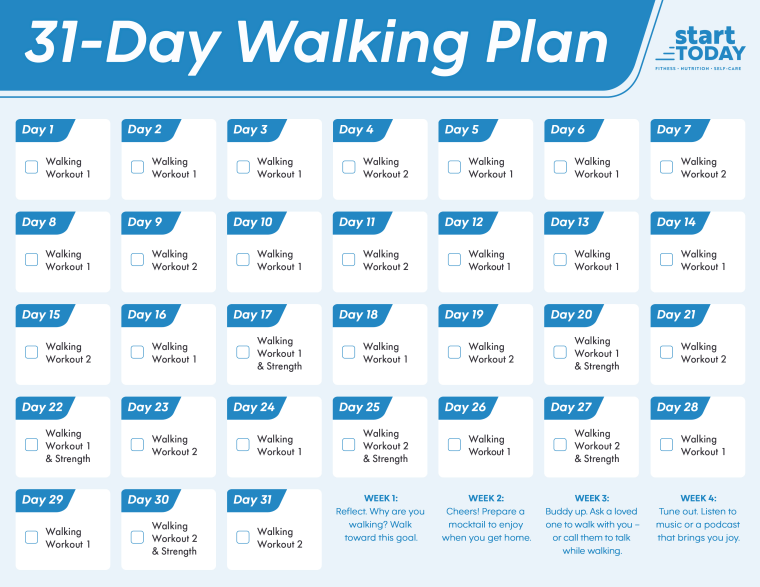
Credit: www.today.com
Setting Clear Goals
Establishing clear goals is vital in a workout plan to lose weight. Specific objectives guide your progress and keep motivation high. Aim for achievable targets to see consistent results.
Setting clear goals is the cornerstone of any successful workout plan aimed at weight loss. Without specific targets, it’s easy to lose motivation or veer off course. Imagine embarking on a journey without a map; that’s what a workout plan without defined goals feels like. By setting clear, realistic, and measurable goals, you create a roadmap that guides your efforts and keeps you accountable.Understanding Your Why
Before you lace up your sneakers, ask yourself why you want to lose weight. Is it to feel more energetic, improve health, or fit into that favorite pair of jeans again? Understanding your personal motivation can fuel your determination. When workouts get tough, and they will, this “why” can keep you moving forward.Setting Realistic Targets
It’s crucial to set achievable goals. Want to shed 10 pounds in a month? Break it down into weekly targets, like losing 2.5 pounds per week. This makes the goal less overwhelming and more attainable. Celebrate small victories along the way to stay motivated.Making Goals Measurable
Ensure your goals are specific and measurable. Instead of saying “I want to exercise more,” set a target like “I will work out for 30 minutes, five times a week.” This clarity helps track progress and identify areas for improvement.Creating A Timeline
Set a timeline for your goals to maintain focus. Whether you aim to lose weight over three months or six, having a deadline creates urgency. Adjust your plan as needed, but keep the timeline in mind to stay on track. Keep a journal or use fitness apps to track your workouts and weight changes. This allows you to see patterns and adjust routines if needed. Witnessing your progress can boost your confidence and provide tangible proof of your hard work.Adjusting Goals As Needed
Life is unpredictable, and sometimes goals need adjustment. If you hit a plateau or face an unexpected challenge, reassess your targets. It’s okay to modify your goals to fit your current situation. The key is to remain flexible yet committed to your overall vision. By setting clear goals, you lay the foundation for a successful weight loss journey. What’s your next step in this plan? Define it, commit to it, and watch as your efforts pay off.Choosing The Right Exercises
Choosing the right exercises for your weight loss journey can be a game-changer. Have you ever tried a workout plan that left you exhausted but with little results? Understanding which exercises to focus on can streamline your efforts and maximize fat loss. Let’s delve into the specifics of high-intensity interval training, strength training essentials, and cardio workouts to help you pick the best exercises for your goals.
High-intensity Interval Training
High-Intensity Interval Training (HIIT) is a powerful tool for weight loss. It involves short bursts of intense exercise followed by brief rest periods. Imagine sprinting for 30 seconds, then walking for 15. This method keeps your heart rate up and burns calories efficiently.
Many people find HIIT appealing because it can be done in as little as 20 minutes. You don’t need fancy equipment—just your body and some motivation. What could you achieve with just 20 minutes a day?
Personal experience shows that HIIT can boost your metabolism for hours after your workout. It’s like getting a bonus calorie burn even when you’re resting. Have you tried squeezing in a HIIT session before work?
Strength Training Essentials
Strength training isn’t just about building muscle; it’s crucial for weight loss too. By lifting weights, you increase your muscle mass, which helps burn more calories at rest. This means you can lose weight even while sleeping.
Focus on compound exercises like squats, deadlifts, and bench presses. These moves engage multiple muscle groups, maximizing your workout efficiency. Have you considered how these exercises can fit into your routine?
Beginners can start with bodyweight exercises such as push-ups and lunges. These are effective and require no equipment. What if you began your day with a quick set of lunges and push-ups?
Cardio Workouts
Cardio workouts are a staple in any weight loss plan. Activities like jogging, cycling, or swimming boost heart health and help burn calories. They can be easily adapted to your current fitness level.
Running a mile might sound daunting, but starting with brisk walking can be just as effective. Gradually increase your pace and distance over time. Have you thought about how a simple walk can evolve into a full-fledged workout?
Swimming is another excellent cardio workout, especially if you have joint issues. The water supports your body, reducing impact. How might swimming fit into your weekly schedule?
Choosing the right exercises can transform your weight loss journey. With HIIT, strength training, and cardio, you’re equipped to tackle your goals head-on. What will be your first step towards a healthier you?
Creating A Balanced Routine
Crafting a workout plan focused on weight loss requires balance. Mix cardio, strength training, and flexibility exercises for effective results. Maintain consistency while adapting routines to fit your lifestyle for sustainable progress.
Creating a balanced routine is your secret weapon in the quest to lose weight through exercise. It’s not just about sweating it out; it’s about crafting a plan that combines various elements for optimal results. You need a mix of cardio, strength training, and crucial rest periods. This combination will help you shed pounds while building a stronger, healthier body.Combining Cardio And Strength
Cardio is great for burning calories and improving heart health. Think activities like running, cycling, or swimming. Adding strength training builds muscle, which helps burn calories even at rest. Imagine this: you start with a brisk 20-minute jog followed by a 30-minute session of weight lifting. This combo maximizes calorie burning and boosts metabolism. Mixing these workouts not only makes exercise exciting but also targets different body areas. Have you tried alternating days between cardio and strength? It keeps your routine fresh and effective.Rest And Recovery Importance
Rest days are not lazy days; they’re essential. Muscles repair and grow during rest, boosting strength and endurance. Without recovery, you risk injury and burnout. Think of your body as a high-performance machine needing occasional pit stops. Do you allow yourself time to rest and recharge? It’s crucial for long-term success in any fitness journey. Consider integrating activities like yoga or stretching on rest days. These exercises enhance flexibility and promote relaxation, aiding recovery.Weekly Workout Schedule
Creating a weekly workout schedule helps maintain consistency. Here’s a simple template: – Monday: Cardio (30 minutes) – Tuesday: Strength Training (45 minutes) – Wednesday: Rest/Stretching – Thursday: Cardio (30 minutes) – Friday: Strength Training (45 minutes) – Saturday: Active Rest (light walk or yoga) – Sunday: Complete Rest This routine balances intensity and recovery. Are you sticking to a plan that keeps you motivated and accountable? Adjust based on your goals and progress. It’s not about rigid rules; it’s about finding what works for you and keeps you moving forward. Creating a balanced routine isn’t just about losing weight; it’s about fostering a sustainable, healthy lifestyle. How will you tailor your schedule to fit your life and goals?
Credit: in.pinterest.com
Nutrition And Hydration
Nutrition and hydration play vital roles in any weight loss workout plan. Eating right fuels your body and aids in effective workouts. Drinking enough water keeps you energized. Together, they help you achieve your weight loss goals.
Calorie Management
Calorie management is key to losing weight. Track your daily intake to ensure you eat less than you burn. Use apps or journals to record meals. Focus on whole foods like fruits, vegetables, and lean meats. Avoid processed foods high in sugar and fat.
Protein And Muscle Growth
Protein supports muscle growth during workouts. It helps repair muscles after exercise. Include sources like chicken, fish, beans, and nuts. Aim for protein at every meal. It keeps you full longer and fuels your workout recovery.
Staying Hydrated
Staying hydrated is crucial for weight loss. Water helps regulate body temperature and supports metabolism. Drink water before, during, and after workouts. Carry a water bottle to remind yourself to drink. Avoid sugary drinks that add empty calories.
Tracking Progress
Tracking progress is essential in any workout plan to lose weight. It helps you stay motivated and see how far you’ve come. Monitoring your progress also allows you to make necessary adjustments to your plan. This section will guide you through effective ways to track your fitness journey.
Using Fitness Apps
Fitness apps are great tools for tracking workouts. They provide easy access to your exercise data. Many apps offer features like step counting and calorie tracking. You can set goals and see your progress over time. Some apps even provide virtual challenges to keep you engaged. Explore different apps to find one that suits your needs.
Recording Measurements
Keeping track of measurements is vital. Regularly record your weight and body measurements. Use a journal or digital note app for this purpose. Measure areas like waist, hips, and arms. Take progress photos to visually see changes. These records help in assessing your success.
Adjusting Goals As Needed
Goals might need adjustment as you progress. Review your goals every few weeks. If you reach a goal, set a new one. If a goal seems too challenging, break it into smaller steps. Adjusting goals keeps you motivated and focused. Stay flexible and adapt as your journey evolves.

Credit: www.shape.com
Staying Motivated
Finding motivation to stick with a workout plan for weight loss can be challenging. Setting clear goals helps in staying committed. Celebrate small victories to boost morale and keep pushing forward.
Staying motivated during a workout to lose weight plan can be tough. However, keeping your motivation high is crucial for achieving your fitness goals. Sometimes, it’s the little things that keep you going, like setting milestones, rewarding yourself, or even finding the perfect workout buddy.Setting Milestones
Setting milestones can transform your weight loss journey. Start by defining clear, achievable goals. Instead of aiming for a significant weight drop, focus on losing a few pounds in a month. Create a timeline for each milestone. This keeps you accountable and gives you a sense of direction. Remember how good it feels to check off a completed task on your list?Rewarding Yourself
Rewards can boost your motivation significantly. After reaching a milestone, treat yourself to something special. It doesn’t have to be extravagant—perhaps a relaxing spa day or a new workout outfit. Rewards create positive reinforcement. They make the journey enjoyable and give you something to look forward to. What will your next reward be?Finding A Workout Buddy
A workout buddy can be your secret weapon. They provide support and encouragement, making workouts more enjoyable. When you commit to meeting someone, it’s harder to skip a session. Your buddy can also help you push your limits. You might find yourself running that extra mile or lifting heavier weights. Who in your circle would make the perfect workout partner? Staying motivated is about finding what works best for you. Whether it’s setting milestones, rewarding yourself, or teaming up with a buddy, keep experimenting until you hit the right formula. Remember, every small step counts in your journey to fitness.Overcoming Plateaus
Breaking a weight loss plateau requires new workout plans. Mixing cardio with strength training boosts metabolism. Regular changes keep muscles engaged and prevent boredom.
Hitting a plateau during a workout to lose weight plan can feel frustrating. You’re putting in the effort, yet the scale won’t budge. But don’t worry! Plateaus are a natural part of the weight loss journey. It’s your body’s way of adapting to the new challenges you’re throwing at it. The good news? You can overcome them with some strategic adjustments.Changing Up Your Routine
Repeating the same workout routine can lead your body to a comfort zone. Your muscles get used to the exercises, and they stop being as effective. Switching things up can reignite your weight loss. Try new activities like swimming, cycling, or yoga. Not only do they challenge different muscle groups, but they also keep things interesting. Who knows, you might discover a new passion along the way!Increasing Intensity
If you’ve been jogging at the same pace for weeks, your body might need a little push. Increasing the intensity of your workouts can break through that plateau. Consider adding interval training to your routine. Short bursts of high intensity followed by rest periods can boost your metabolism. You’ll burn more calories in less time. Strength training is another way to up the intensity. Lift heavier weights or add more reps to your sets. This approach helps build muscle, which in turn burns more calories even at rest. Are you ready to feel the burn?Seeking Professional Advice
Sometimes, expert guidance can make all the difference. If you’ve tried changing your routine and increasing intensity without success, it might be time to seek professional advice. A personal trainer can provide personalized workouts tailored to your needs. They can spot weaknesses in your routine and suggest improvements. Plus, having someone to hold you accountable can boost your motivation. Nutritionists can also help by evaluating your diet. Maybe your calorie intake isn’t aligned with your workout goals. With their guidance, you can fine-tune your eating habits to support your weight loss journey. Have you considered reaching out to a professional to help break your plateau?Safety And Injury Prevention
Maintaining safety in a weight loss workout plan is crucial for preventing injuries. Proper form and warm-ups prepare the body for exercise. Listening to your body helps avoid strain, ensuring a safe and effective routine.
Engaging in a workout to lose weight requires careful attention to safety. Injury prevention is crucial to maintain consistency and achieve your fitness goals. Understanding how to protect your body can enhance your workout experience.Proper Warm-ups And Cool-downs
Start your workout with a proper warm-up. This prepares your muscles and increases your heart rate. Warm-ups should include dynamic stretches. These movements are gentle and increase flexibility. They help prevent muscle strains and injuries. Cool-downs are equally important. They allow your body to return to a resting state. Stretching after a workout reduces muscle soreness. It also aids in recovery.Listening To Your Body
Pay attention to your body’s signals. If you feel pain, stop immediately. Pain is a warning sign. Ignoring it can lead to serious injuries. Fatigue is another signal to watch. Rest days are important for recovery. They prevent overtraining and boost performance. Listening to your body ensures a safe workout journey.Using Correct Form
Correct form is essential in exercises. It maximizes effectiveness and prevents injuries. Start with lighter weights or lower intensity. This helps you focus on your form. Consider consulting a trainer for guidance. They ensure you perform exercises correctly. Good form protects joints and muscles. It enhances your workout results and keeps you safe.Frequently Asked Questions
What Is The Best Workout Plan For Weight Loss?
A balanced workout plan for weight loss includes cardio, strength training, and flexibility exercises. Combine HIIT, weightlifting, and yoga for optimal results. Ensure consistency, proper nutrition, and adequate rest. Tailor the plan to your fitness level and goals for the best results.
Is A 30 Minute Workout Enough For Weight Loss?
A 30-minute workout can aid weight loss when combined with a healthy diet. Consistency is key. Choose high-intensity exercises to burn more calories. Listen to your body and gradually increase intensity as needed. Always consult a fitness expert for personalized advice.
What Is The 30/30/30 Rule For Weight Loss?
The 30/30/30 rule involves 30% protein, 30% fat, and 30 minutes of exercise daily. This approach aids weight loss by balancing macronutrients and promoting physical activity. It encourages sustainable habits, helping individuals achieve and maintain a healthy weight effectively.
What Exercise Burns The Most Belly Fat?
High-intensity interval training (HIIT) is the most effective exercise for burning belly fat. It combines short bursts of intense activity with rest periods. This boosts metabolism and burns calories quickly. Incorporate HIIT workouts into your routine for optimal fat loss results.
Conclusion
Achieving weight loss through workouts is possible with dedication. Consistency is key. Choose exercises you enjoy. This keeps motivation high. Balance your workouts with a healthy diet. Rest and recovery are crucial. Listen to your body. Progress may be slow, but persistence pays off.
Celebrate small victories. Stay patient and focused. Set realistic goals. A supportive community can help. Share your journey with others. Remember, every step counts. Fitness is a lifelong journey. Keep moving forward. Your health is worth it. Embrace the process.
Stay committed. You can do this.