Are you stuck in a fitness rut, lifting the same weights and seeing little to no progress? It’s time to shake things up with a progressive overload workout plan.
Imagine unlocking new levels of strength and muscle growth, all by making small, strategic changes to your routine. This isn’t just another workout fad; it’s a proven method to help you break through plateaus and achieve the results you’ve been dreaming about.
Picture yourself lifting heavier weights, pushing your limits, and feeling more powerful with each session. The secret? It’s all about gradually increasing the demands on your muscles. You don’t need to overhaul your entire workout; you just need to tweak it strategically. By the end of this article, you’ll have the tools and knowledge to transform your workouts and maximize your gains. Ready to take your fitness to the next level? Let’s dive into how progressive overload can be your game-changer.
What Is Progressive Overload?
Progressive overload is a fundamental principle in strength training and fitness. It involves gradually increasing the stress on your muscles during workouts. This method helps the body adapt and grow stronger over time. Let’s explore what progressive overload is and how it works.
Progressive overload is about making small changes to your workout routine. You increase the weight, reps, or intensity. This challenges your muscles beyond their current capabilities.
When you lift heavier weights, your muscles break down. During rest, they rebuild stronger. This cycle of breaking down and rebuilding leads to muscle growth. Progressive overload ensures consistent improvement.
Why Is Progressive Overload Important?
Without progressive overload, muscles stop growing. They adapt to the same routine and weight. To keep improving, your workout needs to evolve.
Progressive overload prevents plateaus. It keeps your body challenged and engaged. This leads to better results and keeps motivation high.
How To Implement Progressive Overload?
Start by increasing the weight you lift. Add small increments gradually. If you lift 10 pounds, try 12 pounds next session.
Increase the number of repetitions. If you do 10 reps, aim for 12. This pushes your muscles further.
Alter the intensity of your workout. Shorten rest periods between sets. Increase the speed of your movements. These adjustments keep your muscles under constant challenge.
Progressive overload boosts muscle strength and endurance. It helps burn more calories, aiding weight loss. Regular changes to your workout prevent boredom.
It improves overall fitness and health. You’ll feel stronger and more energetic. Consistent progress builds confidence in your fitness journey.

Credit: www.pinterest.com
Benefits Of Progressive Overload
Progressive overload workout plans boost muscle growth and strength. Gradually increasing weights or reps challenges muscles, encouraging adaptation and improvement. This method enhances endurance, ensuring steady progress and reducing workout plateaus.
Progressive overload is a key concept in strength training that ensures continuous improvement. By gradually increasing the demands on your muscles, you can achieve growth, strength, and endurance. This method isn’t just for seasoned athletes; it’s a simple yet powerful strategy that everyone can benefit from. Let’s dive into the perks of implementing a progressive overload workout plan.1. Builds Muscle Strength
You might have noticed that lifting the same weight repeatedly becomes easier over time. This is your body’s way of adapting. Progressive overload pushes your muscles beyond their comfort zone, leading to increased strength. Imagine adding a couple of pounds to your bench press every few weeks. Your strength grows, and your muscles become more defined.2. Enhances Muscle Growth
Muscle growth isn’t just about lifting heavier weights. It’s about challenging your muscles regularly. By gradually increasing the weight or the number of repetitions, your muscles are forced to grow. Remember the first time you struggled with a dumbbell curl? Now, you probably do it with ease, thanks to progressive overload.3. Improves Endurance
Endurance is crucial, whether you’re running a marathon or simply climbing stairs. Progressive overload helps improve your stamina by pushing your limits. Adding more reps or reducing rest time between sets can boost your endurance. Imagine running an extra mile without feeling exhausted, all because you progressively challenged yourself.4. Prevents Workout Plateaus
Have you ever felt stuck in your fitness journey, with no visible progress? Progressive overload can break through that plateau. By changing the intensity, volume, or frequency of your workouts, you keep your muscles guessing. This strategy keeps you motivated and continuously moving forward.5. Boosts Confidence
There’s nothing more satisfying than seeing improvement. Progressive overload empowers you to achieve small victories with each workout. Your confidence grows as you lift heavier weights, run longer distances, or perform more reps. You’re not just building muscles; you’re building a stronger, more confident version of yourself. Wouldn’t you want to see continuous progress in your fitness journey? Progressive overload is your ticket to achieving that. It’s a method that challenges you, keeps you engaged, and brings noticeable results. So, what’s stopping you from giving it a try?Key Principles Of Progressive Overload
Progressive overload is a core principle for effective strength training. It involves gradually increasing the stress placed on the body during exercise. This method helps build muscle strength, endurance, and size. The key principles of progressive overload ensure steady progress and prevent plateaus. Understanding these principles is essential for developing a successful workout plan.
Gradual Increase In Weight
Gradually increasing the weight lifted is crucial. Start with a manageable load. Over time, add small increments to challenge your muscles. This incremental increase encourages muscle growth and adaptation. Consistency in weight progression leads to improved strength.
Volume And Intensity Adjustments
Adjusting volume and intensity maintains workout effectiveness. Volume refers to the total number of sets and reps. Increase the number of sets to boost volume. Intensity refers to the effort level during exercises. Gradually increasing both keeps the muscles engaged and promotes growth.
Frequency Enhancements
Enhancing workout frequency stimulates muscle development. Train specific muscle groups more often to achieve better results. Increased frequency ensures continuous muscle engagement. Balancing rest days is crucial to prevent overtraining and allow recovery.
Designing Your Workout Plan
Designing your workout plan is crucial for success in fitness. A well-structured plan helps you make consistent progress. It ensures that you are using the right exercises and tracking your achievements. This approach leads to better results and keeps you motivated. Let’s explore how to set up a progressive overload workout plan effectively.
Setting Realistic Goals
Start with clear and achievable goals. Determine what you want to accomplish. Is your aim to build muscle or increase strength? Knowing your goals helps you stay focused. Consider your current fitness level before setting targets. Small, achievable milestones work best. Adjust your goals as you progress.
Choosing Exercises
Select exercises that match your goals. Focus on compound movements like squats and deadlifts. These exercises work multiple muscle groups. They offer better results in less time. Include variety to prevent boredom. Choose exercises you enjoy. This keeps you engaged and committed.
Tracking Progress
Monitor your progress regularly. Keep a workout journal or use fitness apps. Note down weights, reps, and sets. Tracking helps you see improvements over time. Adjust your plan based on your performance. Celebrate small wins to stay motivated. Regular tracking is key to long-term success.
Effective Techniques For Overload
Progressive overload is the cornerstone of building muscle and strength. It’s about consistently challenging your body to adapt to new levels of stress. But how can you effectively apply this principle? Let’s dive into some actionable techniques for maximizing your workout gains.
Weight Progression Strategies
Increasing the weight you lift is a straightforward way to overload your muscles. Start by adding small increments, like 5 pounds, to your lifts. This gradual increase helps your body adjust and grow stronger without risking injury.
Another method is to aim for a higher number of repetitions at your current weight before moving up. This ensures you have mastered the weight and are ready for the next challenge. Have you ever noticed how pushing for that extra rep can feel like conquering a mountain? Embrace that feeling and let it drive you.
Incorporating Compound Movements
Compound movements engage multiple muscle groups simultaneously, providing a more efficient workout. Think squats, deadlifts, or bench presses. These exercises not only build strength but also improve coordination and balance.
Instead of isolating your muscles, compound exercises offer a holistic approach to overload. Try swapping a few isolation exercises for compound ones in your routine. You might be surprised by the results. What’s stopping you from adding a squat to your leg day?
Utilizing Rest-pause Method
The rest-pause method involves taking short breaks during a set to push beyond your usual limits. Perform as many reps as possible, pause for 10-15 seconds, then continue. This technique is perfect for breaking plateaus.
Imagine you’re stuck at a certain weight or rep count. The rest-pause method can be your secret weapon to break through. It’s like giving your muscles a mini-recovery to keep going. Have you tried this approach yet?
Incorporating these techniques into your workout plan can elevate your fitness journey. Remember, it’s about finding what works best for you and sticking to it. What technique will you try in your next workout?
Common Mistakes To Avoid
Avoiding common mistakes in a progressive overload workout plan ensures steady gains and prevents injury. Gradually increase weights and reps to challenge muscles safely. Track progress regularly to maintain consistency and effectiveness in your fitness routine.
Progressive overload is a powerful strategy to build strength and muscle. However, common mistakes can derail your progress and even lead to injury. Let’s explore some pitfalls you should steer clear of to make the most of your workout plan.Ignoring Recovery Needs
Recovery is often underestimated in workout plans. Your muscles need time to heal and grow stronger after each workout. Skipping rest days might seem like a good way to speed up progress, but it can lead to burnout and injuries. Imagine feeling constantly fatigued and sore. That’s your body pleading for rest. Listen to it and ensure you give yourself adequate time to recover.Overtraining Risks
Overtraining is more common than you think. The enthusiasm to get results can push you to train too hard, too fast. This can stall progress and increase the risk of injury. Are you feeling chronic fatigue or irritability? These are signs of overtraining. It’s crucial to balance intensity with rest to keep your body in peak condition.Neglecting Form
Proper form is crucial for effective and safe workouts. Poor form can lead to inefficient workouts and potential injuries. You may feel strong but lifting with a rounded back or misaligned joints can cause harm. Take the time to learn and perfect your technique. Quality trumps quantity. Would you rather lift heavier weights with poor form or lighter weights correctly and safely? Choose wisely for long-term gains. By being mindful of these common mistakes, you can enhance your workout experience. How will you adjust your routine to avoid these pitfalls? Remember, smart training leads to sustainable results.Nutrition And Recovery
Fueling muscles properly accelerates recovery in a progressive overload workout plan. Balanced nutrition supports muscle repair and growth. Consuming protein and carbohydrates post-workout aids in replenishing energy.
Embarking on a progressive overload workout plan is more than just lifting heavier weights each week. To truly benefit from this approach, nutrition and recovery play crucial roles. Without proper fuel and rest, your body can’t effectively adapt to increasing demands. Let’s dive into how you can optimize your diet and rest for the best results.Importance Of Protein Intake
Your muscles rely on protein to repair and grow after challenging workouts. Consuming enough protein is essential to support this process and maximize your gains. Aim for a variety of protein sources such as lean meats, fish, eggs, and plant-based options like beans and tofu. How much protein do you really need? A good starting point is around 1.6 to 2.2 grams per kilogram of body weight. Adjust according to your progress and how your body feels.Balancing Macronutrients
Focusing solely on protein won’t cut it. Carbohydrates and fats are equally important to fuel your workouts and recovery. Carbs provide the energy required for those intense sessions, while healthy fats support hormone production and overall well-being. Consider having a balanced plate with a good mix of proteins, carbs, and fats. A typical meal might include grilled chicken, quinoa, and a side of steamed vegetables drizzled with olive oil.Sleep And Rest Essentials
Pushing your body without adequate rest is like trying to drive a car with an empty tank. Sleep is when your muscles repair and grow stronger. Aim for 7-9 hours of quality sleep each night to support your training efforts. Create a bedtime routine that helps you unwind and relax. This could be reading a book, practicing gentle yoga, or meditating. Avoid screens at least an hour before bed to ensure a restful night. Have you noticed how your energy levels and performance dip after a night of poor sleep? Prioritizing rest can make a significant difference in your workout results. Listen to your body, and give it the recovery it needs to thrive. By understanding and applying these nutrition and recovery principles, you can enhance your progressive overload workout plan and achieve your fitness goals more effectively. Are you ready to take your training to the next level?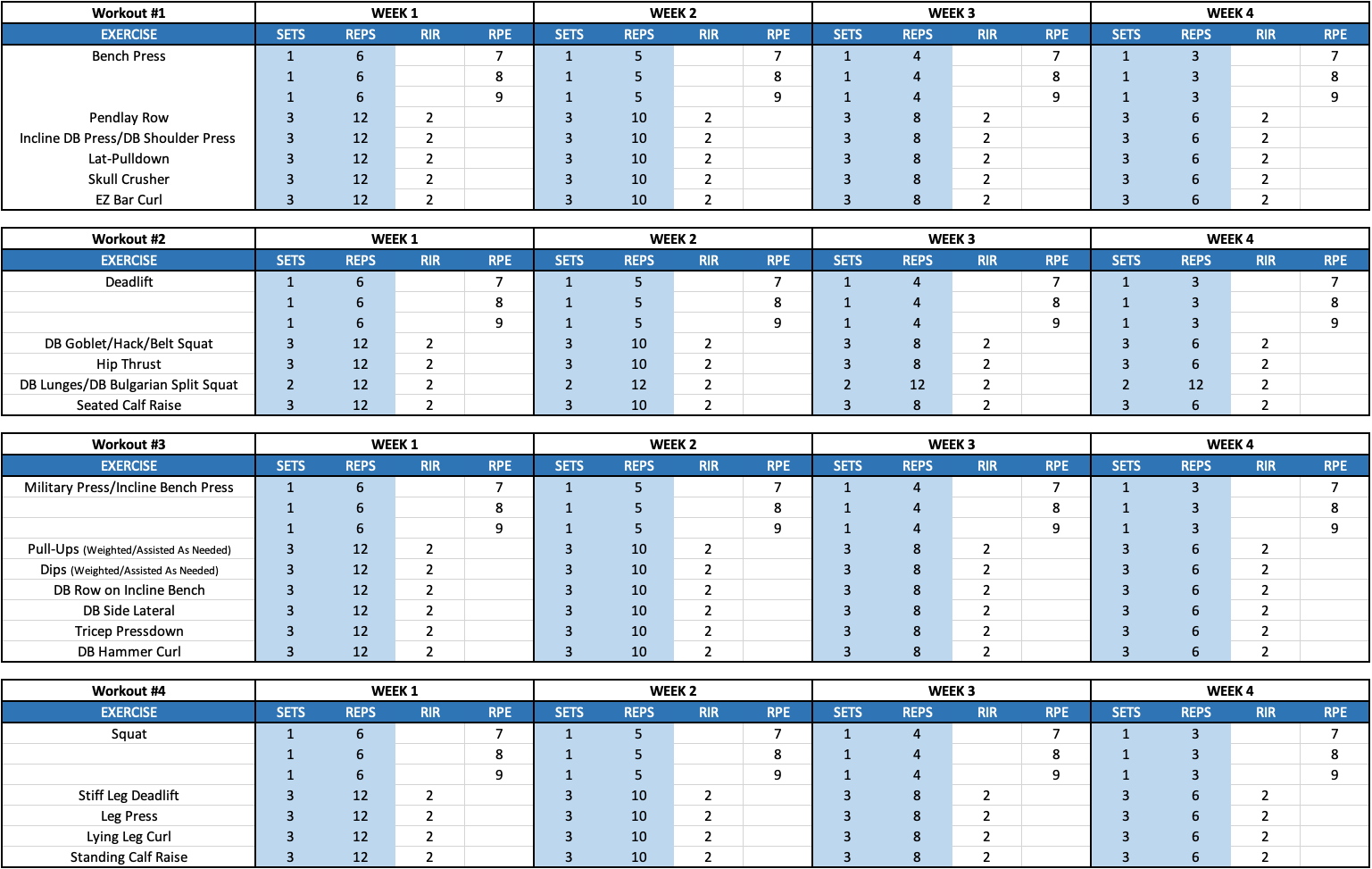
Credit: www.prbreaker.com
Tracking Your Progress
Embarking on a progressive overload workout plan is a thrilling journey of self-improvement. But how do you ensure you’re on the right path? Tracking your progress is key. It helps you understand what works, what doesn’t, and when you need to tweak your routine. Let’s dive into some practical ways to track your progress effectively.
Using Fitness Apps
Fitness apps are a great tool to keep tabs on your workout progress. They offer a convenient way to log exercises and monitor improvements. Many apps provide detailed statistics, such as weight lifted and reps completed. This data can be a motivational boost and guide you in setting realistic goals. Imagine the satisfaction of seeing your progress chart climb higher each week!
Don’t underestimate the power of reminders and notifications. These keep you accountable and ensure you don’t skip a workout. Choose an app that suits your style and needs. Whether it’s simplicity or advanced features, there’s an app out there for you.
Keeping A Workout Journal
A workout journal is your personal fitness diary. Writing things down can make your achievements feel more tangible. Record every set, rep, and weight lifted. This practice helps you see patterns and identify areas needing improvement.
Reflect on your workouts regularly. Did a particular exercise feel easier this week? Are you lifting more than last month? These insights can guide your next steps. Plus, flipping through past entries can be incredibly motivating. It’s a testament to how far you’ve come.
Regular Assessments
Assessments are checkpoints along your fitness journey. Schedule regular evaluations to measure your progress. This might include testing your strength, endurance, or flexibility. How does your current performance compare to last month’s?
Consider involving a trainer for assessments. They offer expert insights and can identify strengths and weaknesses. This is an opportunity for feedback and improvement. Are you willing to face the facts and adjust accordingly?
Tracking your progress is not just about numbers. It’s about understanding your body and pushing your limits. Are you ready to take control and make your fitness journey a success?
Adjusting Your Plan Over Time
Adjusting your progressive overload workout plan over time is crucial for continued success. It’s easy to get stuck in a routine, but your body needs variety to grow stronger. As you progress, you’ll need to tweak your plan to keep challenging yourself. This ensures you’re constantly moving forward and not just spinning your wheels.
Recognizing Plateaus
Feeling stuck despite consistent effort? You’re likely experiencing a plateau. It’s a common hurdle where progress slows down or stops.
Notice if your lifts aren’t increasing or your muscles aren’t growing. This might be your body’s way of telling you it’s time for a change.
Ask yourself: Are you still pushing your limits, or are you comfortably lifting the same weights? Identifying this can spur you into action.
Adapting To New Goals
Your fitness goals can evolve. Maybe you started with strength training but now want to focus on endurance. Or perhaps you’ve achieved initial goals and need new ones to stay motivated.
Adjust your plan to align with these new objectives. You can shift your routine to include more cardio or change your rep ranges.
What are your current goals? Make sure your workout reflects them.
Implementing Deload Weeks
Deload weeks are a strategic rest period where you reduce workout intensity. It’s not about taking a break but giving your body a chance to recover fully.
After weeks of pushing hard, your muscles need time to repair. You can reduce weights, cut down on reps, or focus on lighter activities.
When was your last deload week? If you can’t remember, it might be time to schedule one.
Adjusting your workout plan isn’t just about making changes—it’s about making smart changes. Listen to your body, set clear goals, and give yourself the rest you need. Your fitness journey is unique, so tailor it accordingly.

Credit: www.threads.com
Frequently Asked Questions
What Is A Good Progressive Overload Plan?
A good progressive overload plan involves gradually increasing weight, reps, or intensity. Focus on compound exercises like squats and deadlifts. Track your progress weekly, ensuring consistent challenges. Prioritize recovery, nutrition, and sleep to support muscle growth. Adjust your plan based on your goals and physical capabilities for optimal results.
What Is The 3-2-1 Progressive Overload Workout?
The 3-2-1 progressive overload workout involves three sets, two reps, and one focus on increasing weight or intensity. This method enhances muscle growth and strength by gradually challenging the body. It’s effective for various fitness levels and helps break through plateaus.
What Is The 2 2 2 Rule In Weightlifting?
The 2 2 2 rule in weightlifting suggests progressing only after completing 2 extra reps for 2 sets over 2 consecutive sessions. This method helps ensure gradual and safe strength gains while minimizing the risk of injury.
What Is The 5 4 3-2-1 Workout Method?
The 5 4 3-2-1 workout method is a structured exercise routine. It involves 5 minutes of cardio, 4 minutes of strength training, 3 minutes of core exercises, 2 minutes of high-intensity interval training (HIIT), and 1 minute of rest. This efficient method enhances fitness and burns calories.
Conclusion
Progressive overload boosts fitness steadily. It builds strength and endurance. Every workout counts. Stick to your plan and track progress. Increase weights or reps gradually. Listen to your body; rest is crucial. Achieving goals takes time and patience. Celebrate small victories along the way.
Consistency is key for success. Stay motivated and focused. Keep workouts challenging but safe. Consult a professional if needed. Remember, progress isn’t always linear. Set realistic expectations and enjoy the journey. Your fitness evolves with commitment. Prioritize health and wellness in your routine.
Embrace the process; results will follow.