Are you ready to take control of your fitness and start seeing real results? If you’ve been searching for the perfect beginner workout plan tailored just for men, you’re in the right place.
Whether you’re looking to build muscle, lose weight, or simply feel better, finding the right workout plan is crucial. But with so much information out there, it can be overwhelming to know where to start. This guide is designed to cut through the noise and give you a straightforward, effective plan that fits into your life.
Imagine seeing progress week by week, feeling more energetic, and building a stronger version of yourself. Don’t miss out on the opportunity to transform your body and boost your confidence. Read on to discover how you can kickstart your fitness journey with a plan that’s easy to follow and delivers real results.
Benefits Of Strength Training
Strength training boosts muscle growth and improves overall health. A beginner workout plan for men enhances energy levels and promotes weight management. Regular exercise builds stronger bones and increases endurance.
Strength training is more than just lifting weights; it’s a gateway to better health and a stronger you. As a beginner, understanding its benefits can motivate you to stick with your workout plan. Let’s dive into why strength training is essential for your fitness journey.Improved Muscle Mass
Strength training helps you build muscle mass efficiently. When you lift weights, your muscles experience small tears. As these tears heal, your muscles grow bigger and stronger. You might notice your clothes fitting differently, not because you’re getting bigger in a bad way, but because your body is becoming more toned. This transformation can boost your confidence and make everyday tasks easier.Enhanced Metabolism
Did you know that strength training can boost your metabolism? By increasing your muscle mass, your body burns more calories even when you’re at rest. This means that you’re burning calories, even while you’re binge-watching your favorite show. A faster metabolism can help you manage your weight more effectively. It’s like having a personal assistant that works 24/7, ensuring you stay on track with your fitness goals.Better Bone Health
As you age, maintaining bone health becomes crucial. Strength training can help you in this area by increasing bone density. Stronger bones reduce the risk of fractures and osteoporosis. Imagine being able to continue your favorite activities, like hiking or playing sports, without worrying about bone-related injuries. It’s like investing in a future where you remain active and independent.Improved Mental Health
Strength training isn’t just good for the body; it’s great for the mind too. Regular workouts can reduce symptoms of anxiety and depression. You’ll find that as you lift weights, your mind becomes clearer and more focused. You might also experience a sense of accomplishment after each session. This feeling can improve your mood and increase your motivation to tackle other areas of your life.Increased Strength And Endurance
Building strength through weight training makes everyday tasks easier. Carrying groceries, climbing stairs, or even playing with your kids becomes less tiring. You’ll notice that your endurance improves, allowing you to do more without feeling exhausted. This newfound strength can lead to a more active lifestyle, opening doors to activities you might have previously avoided. Are there hobbies you’ve always wanted to try but felt too tired or weak to pursue? Strength training can change that. As you embark on your strength training journey, keep these benefits in mind. They can serve as reminders of why you started and motivate you to keep pushing forward. Your fitness journey is personal, and each step you take brings you closer to a healthier, stronger you.Setting Realistic Goals
Starting a workout plan can be exciting and challenging. Many men dive into fitness with high expectations. Setting realistic goals is crucial to staying motivated. Unrealistic targets can lead to frustration and burnout. It’s important to understand your body and limits. This helps in crafting achievable fitness milestones.
Understanding Your Current Fitness Level
Assess your current fitness level before setting goals. Know your strengths and weaknesses. Are you comfortable with cardio or strength exercises? This assessment guides your workout plan. It helps you set reasonable targets. A clear understanding prevents overexertion and injuries.
Setting Short-term Goals
Short-term goals keep you motivated. They are quick wins on your fitness journey. Focus on weekly or monthly targets. For example, aim to run for 20 minutes daily. Celebrate small achievements. These goals build confidence and momentum. Adjust them based on progress and feedback.
Setting Long-term Goals
Long-term goals provide a bigger picture. They require patience and consistency. Want to lose weight or gain muscle? Set a timeline of six months or a year. Break these into smaller steps. Track your progress regularly. This keeps your journey focused and rewarding.
Being Flexible With Your Goals
Flexibility is key in goal setting. Life can be unpredictable. Adjust your goals when necessary. Listen to your body. If tired, reduce workout intensity. This prevents burnout and keeps you on track. Flexibility ensures a sustainable fitness journey.
Tracking Your Progress
Keep track of your achievements. Use a journal or app. Record workout duration, intensity, and feelings. Tracking reveals patterns in your fitness journey. It highlights areas needing improvement. Celebrate milestones to boost motivation. Regular tracking ensures steady progress.
Essential Equipment
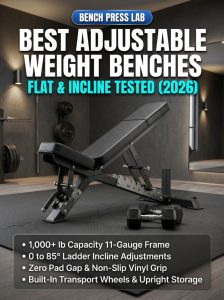
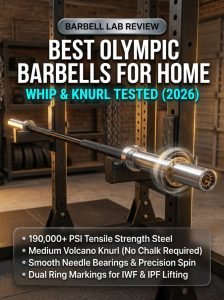
A beginner workout plan for men requires essential equipment like dumbbells, a yoga mat, and resistance bands. These tools help build strength and flexibility. They are easy to use and perfect for starting a fitness journey.
Embarking on a beginner workout plan is exciting, but having the right equipment can make or break your fitness journey. Think of essential equipment as your toolkit, helping you build strength and endurance. It’s crucial to start with the basics to ensure you have everything you need for effective workouts at home or the gym.Weights And Dumbbells
Having a set of dumbbells is a game-changer. They’re versatile and can be used for various exercises like bicep curls, shoulder presses, and lunges. Start with lighter weights to perfect your form, then gradually increase the weight as you gain confidence. Consider adjustable dumbbells if space is a concern. They offer flexibility and save room while allowing you to change the weight easily.Resistance Bands
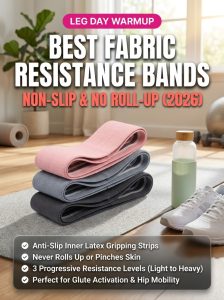
Resistance bands are a must-have for any beginner. They’re affordable, portable, and add intensity to your workouts. Use them for exercises such as squats, chest presses, or even stretching. You’ll find different resistance levels, so choose bands that match your current strength and work your way up. They’re perfect for home workouts or traveling, fitting easily in your bag.Exercise Mat
An exercise mat is essential for comfort and safety. It provides cushioning for exercises like push-ups, planks, or yoga. Choose a mat with good thickness and grip to prevent slipping during your workout. Having a designated space for exercise can mentally prepare you for the workout ahead. It’s a small investment with big returns in comfort.Stability Ball
A stability ball is excellent for core workouts and improving balance. It adds an element of instability, forcing your muscles to engage more. Use it for exercises like crunches, wall squats, or even as a seat during dumbbell presses. Make sure to choose the right size ball for your height. A properly sized ball will enhance your workout experience and effectiveness.Jump Rope
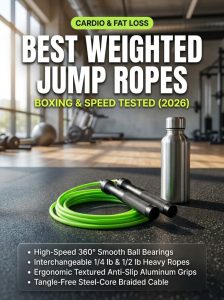
Don’t underestimate the power of a jump rope. It’s a fantastic tool for cardio, improving coordination, and burning calories. It’s easy to store and can be used anywhere, offering a great alternative to running. Jumping rope is a fun way to break up your routine and increase your heart rate. Challenge yourself to improve your speed and endurance over time. — Having the right equipment is like setting the stage for your performance. Each piece plays a role in your workout, enhancing your experience and results. Reflect on your needs and space before investing. What equipment will best support your goals and lifestyle? With these essentials, you’re equipped to start your journey and make progress every day.
Credit: www.pinterest.com
Warm-up And Cool-down Routines
Starting a workout plan can be daunting. Warm-ups and cool-downs are crucial. They prepare the body and aid recovery. This section highlights these routines for beginners. Proper preparation reduces injury risk. It also enhances overall performance. Cool-downs help muscles relax and recover.
Warm-up Routine
A good warm-up primes muscles for action. Begin with five minutes of light cardio. Jog or skip in place. This raises heart rate and blood flow. Follow with dynamic stretches. Arm circles loosen the shoulders. Leg swings prepare the hips. These movements improve flexibility.
Include exercises that mimic the workout. If you plan to lift weights, do bodyweight squats. This activates the right muscles. Warm-ups should be gentle but effective. Avoid static stretches during this phase. They can reduce muscle readiness. Focus on smooth, controlled movements.
Cool-down Routine
Cool-downs calm the body after exercise. Start with slow-paced cardio. Walk or cycle for five minutes. This helps lower heart rate steadily. Follow with static stretches. Hold each stretch for 20 seconds. Stretching aids muscle recovery.
Deep breathing during cool-down relaxes the mind. It reduces stress and promotes well-being. Focus on stretches for major muscle groups. Stretch the hamstrings and quadriceps. Include the back and shoulders. Cool-downs prevent stiffness and soreness. They are essential for a balanced workout routine.
Core Exercises For Beginners
Starting a workout routine can be challenging for beginners. Core exercises are vital for building strength and stability. These exercises form the foundation of any effective fitness plan. They target your core muscles, improving balance and posture. For men new to fitness, mastering these exercises is essential. Let’s dive into some basic core exercises that are perfect for beginners.
Squats
Squats are a fundamental exercise. They work your legs and core muscles. To perform a squat, stand with feet shoulder-width apart. Lower your body as if sitting in a chair. Keep your chest up and back straight. Return to the starting position. Squats help build leg strength and improve balance.
Push-ups
Push-ups are great for strengthening the upper body. Start in a plank position, hands below shoulders. Lower your body until your chest nearly touches the floor. Push back up to the starting position. Push-ups engage the chest, shoulders, and core. They are effective for building upper body strength.
Deadlifts
Deadlifts target the back, legs, and core. Stand with feet hip-width apart. Hold a weight in front of you. Bend at the hips, keeping the back straight. Lower the weight to the ground. Return to standing position. Deadlifts enhance overall strength and stability. They’re essential for a strong core.

Credit: www.facebook.com
Weekly Workout Schedule
Crafting a beginner workout plan for men can set a strong foundation. Focus on balanced routines with cardio, strength, and flexibility exercises. Adjusting intensity levels gradually ensures steady progress and boosts confidence.
Embarking on a workout journey can be both exciting and overwhelming, especially when you’re just getting started. A structured weekly workout schedule can provide you with a clear path to follow, ensuring that every muscle group gets attention while also allowing time for recovery. This plan is designed to ease you into a routine that’s manageable yet effective, helping you gain strength and build confidence as you progress.Day 1: Upper Body Focus
Kick off your week by concentrating on the upper body. This includes your chest, back, shoulders, and arms. A simple workout routine could be: – Push-Ups: 3 sets of 8-10 reps – Dumbbell Rows: 3 sets of 10 reps per arm – Shoulder Press: 3 sets of 10 reps – Bicep Curls: 3 sets of 12 reps Remember to maintain proper form. It’s not about lifting the heaviest weights; it’s about the quality of your movements. Have you tried adjusting your grip on dumbbells to see the difference in muscle engagement?Day 2: Lower Body Focus
Day two shifts your attention to the powerhouse of your body—the lower body. Working on your legs and glutes can improve your overall strength and balance. Consider this lineup: – Squats: 3 sets of 10-12 reps – Lunges: 3 sets of 10 reps per leg – Calf Raises: 3 sets of 15 reps – Leg Press: 3 sets of 10 reps Mix up your routine by varying the depth and speed of your squats. Do you feel the burn more when you slow down or speed up?Day 3: Full Body Workout
By midweek, it’s time to engage your entire body. This helps build endurance and keeps things dynamic. Try incorporating exercises like: – Burpees: 3 sets of 8 reps – Plank Holds: 3 sets of 30 seconds – Mountain Climbers: 3 sets of 12 reps per leg – Deadlifts: 3 sets of 10 reps Challenge yourself by seeing how long you can hold a plank. Did you notice how it helps stabilize your core? This schedule not only structures your workouts but also introduces variety to keep things interesting. As you follow this plan, pay attention to how your body responds. Are you feeling stronger and more energized?Importance Of Rest And Recovery
Rest and recovery are crucial in a beginner workout plan for men. Muscles need time to heal and grow stronger. Adequate rest prevents injury and boosts overall performance. Prioritizing recovery enhances results and maintains motivation.
Embarking on a workout journey is exciting, yet it’s easy to overlook a crucial aspect: rest and recovery. Many beginners focus solely on exercise, forgetting that muscles grow and repair during rest. Ignoring recovery can lead to burnout, fatigue, and even injury. By prioritizing rest, you ensure sustainable progress, allowing your body to adapt and improve.What Happens During Rest?
Rest isn’t just about taking a break from the gym. It’s when your muscles repair, strengthen, and grow. After a workout, your body enters a recovery phase, rebuilding muscle fibers that were broken down during exercise. This process is essential for muscle growth and improving your overall strength.Why Recovery Is Key To Progress
Recovery is where the magic happens. Without it, your workout efforts can go to waste. When you allow your body time to recover, you can return to your workouts stronger and more energized. It’s like recharging a battery; with each rest period, you’re preparing your body to perform at its best.Signs You’re Not Getting Enough Rest
Feeling constantly tired or lacking motivation? These are red flags that you might be overtraining. Experiencing muscle soreness that doesn’t go away, or noticing a decline in performance, also indicate insufficient rest. Listen to your body, and don’t ignore these signs.How To Incorporate Rest Days
Plan rest days into your weekly schedule. They are just as important as workout days. For example, if you train intensely three to four times a week, allocate at least two days for rest. Use these days to focus on light activities like walking or stretching to keep your body active without overexerting it.Active Recovery: A Balanced Approach
Active recovery involves low-intensity exercises that help your muscles recover without straining them. Consider activities like yoga, swimming, or a leisurely bike ride. These not only aid recovery but also improve flexibility and circulation. Have you tried incorporating active recovery into your routine?The Role Of Sleep In Recovery
Never underestimate the power of a good night’s sleep. During sleep, your body releases growth hormones crucial for muscle repair and regeneration. Aim for 7-9 hours of quality sleep each night. Establishing a regular sleep schedule can significantly enhance your recovery process.Nutrition’s Impact On Recovery
What you eat plays a vital role in how well your body recovers. Protein helps rebuild muscles, while carbohydrates replenish energy stores. Ensure your diet includes a balance of both, along with plenty of water. Have you considered how your nutrition might be affecting your recovery? Remember, recovery is not a sign of weakness, but a strategic component of a successful workout plan. By giving your body the rest it needs, you’re setting yourself up for long-term success and growth.Nutrition Tips For Building Muscle
Building muscle requires more than just lifting weights. Nutrition plays a crucial role. A well-balanced diet fuels workouts and aids muscle recovery. Understanding what to eat can enhance gains. The right foods help build strength and endurance. Let’s explore key nutrition tips for muscle growth.
Protein: The Building Block
Protein is essential for muscle repair. It provides amino acids. Include lean meats like chicken and turkey. Fish, eggs, and beans are also great choices. Aim for a variety in your diet. Balance is key.
Carbohydrates: Energy Source
Carbs provide energy for workouts. They help replenish glycogen stores. Opt for whole grains like oats and brown rice. Fruits and vegetables offer important vitamins. Choose complex carbs for lasting energy.
Healthy Fats: Support Growth
Healthy fats are crucial for hormone production. They support muscle growth. Avocados, nuts, and seeds are good sources. Olive oil and fatty fish offer beneficial omega-3s. Don’t shy away from healthy fats.
Hydration: Stay Fueled
Water is vital for overall health. It aids nutrient transport. Hydration supports muscle function. Drink water throughout the day. Consider electrolytes after intense workouts.
Timing: When To Eat
Meal timing impacts energy levels. Eat before and after workouts. A pre-workout snack boosts performance. Post-workout meals aid recovery. Plan meals around training sessions.
Tracking Progress
Monitoring your progress keeps motivation high in a beginner workout plan for men. Small improvements show hard work paying off. Regular tracking helps adjust exercises for better results.
Tracking your progress is an essential aspect of any workout plan, especially if you’re just starting out. It not only helps you see how far you’ve come but also motivates you to push further. This section will guide you on how to effectively track your progress to maximize your workout results.Setting Clear Goals
Begin by setting specific, measurable goals. Whether it’s lifting a certain weight, running a mile in a set time, or losing a few pounds, having a target keeps you focused. Write these goals down. Seeing them on paper or on your phone makes them real and achievable.Using Fitness Apps And Tools
Leverage technology to track your workouts. Apps like MyFitnessPal or Strava can help you log exercises, monitor calories, and even track your heart rate. Consider using wearable devices like smartwatches. They provide real-time feedback on your activity levels, encouraging you to move more.Regular Check-ins
Schedule regular check-ins with yourself. Weekly assessments can show you patterns in your progress and areas needing improvement. Ask yourself: Are you meeting your goals? If not, what’s holding you back? Use these insights to adjust your plan.Keeping A Workout Journal
Maintain a workout journal to jot down details of each session. Record reps, sets, and how you felt during the workout. Look back at your entries. You’ll be amazed at how much you’ve improved over time.Celebrating Milestones
Celebrate small victories. Completing a challenging workout or achieving a new personal best deserves recognition. Reward yourself in ways that keep you motivated, like buying new workout gear or enjoying a healthy treat. Tracking progress isn’t just about numbers. It’s about recognizing your journey and growth. What insights will you gain by tracking your fitness journey?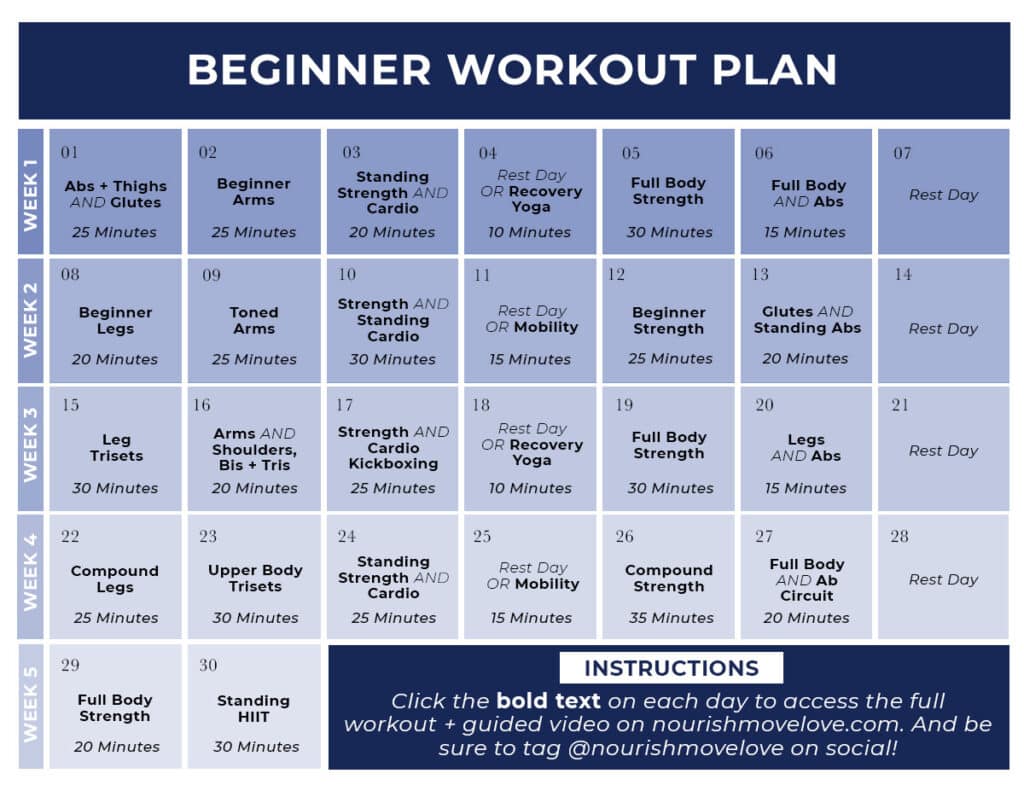
Credit: www.nuk.ma
Staying Motivated
Jump-start your fitness journey with a beginner workout plan designed for men. Stay motivated by setting clear goals and tracking progress. Small achievements build confidence and keep you moving forward.
Embarking on a workout journey can be exciting, but staying motivated often presents a challenge. It’s easy to start with enthusiasm, only to find yourself struggling to maintain that same energy weeks later. How do you keep the spark alive when the initial excitement fades? Understanding the essence of motivation is key to sustaining your workout routine. Let’s explore some practical strategies that can help keep you on track.Set Clear Goals
Begin by defining what you want to achieve. Is it building muscle, increasing stamina, or perhaps losing weight? Setting specific goals gives you direction and purpose. Make these goals measurable, like aiming to lift a certain weight or run a specific distance. Seeing progress is incredibly motivating.Track Your Progress
Keep a record of your workouts. Use a journal or an app to log your sessions. Tracking allows you to see improvements over time, which can boost your motivation. Celebrate small victories along the way. Did you add extra reps to your routine? Pat yourself on the back!Find A Workout Buddy
Working out with a friend can make exercising more fun and less daunting. Having someone to share the experience with adds an element of accountability. You’re less likely to skip a workout if you know someone is counting on you. Plus, friendly competition can push you to perform better.Mix Up Your Routine
Avoid monotony by varying your workouts. Try different exercises or switch up your schedule. This keeps things fresh and interesting. You might discover new activities you enjoy. Keeping your routine dynamic can reignite your passion for fitness.Reward Yourself
Set up a reward system. Treat yourself to something special when you hit a milestone. It could be a new workout gear or a day off to relax. Rewards give you something to look forward to, making the effort feel worthwhile.Stay Inspired
Surround yourself with inspiration. Follow fitness influencers or read success stories. Seeing others reach their goals can be incredibly motivating. You’ll find that their journeys can offer valuable insights and encouragement for your own path.Reflect On Your Why
Take a moment to remember why you started. What motivated you to begin this journey? Keeping your initial reasons in mind can help you stay focused. This reflection can be the driving force when you feel like giving up.Embrace Challenges
View challenges as opportunities to grow. Every workout has its tough moments, but overcoming them builds resilience. Embrace the struggle as part of the process. Ask yourself, how can you push beyond your limits today? By incorporating these strategies, staying motivated becomes a manageable task. Remember, every step you take brings you closer to your goals. What will you do today to fuel your motivation?Frequently Asked Questions
What Workout Plan Is Best For Beginners?
A beginner workout plan should focus on full-body exercises. Incorporate strength training, cardio, and flexibility workouts. Start with light weights and simple exercises like squats, push-ups, and lunges. Gradually increase intensity as you progress. Ensure consistency, proper form, and rest days for recovery.
Always consult a fitness professional for personalized guidance.
What Is The 5-3-1 Rule In Gym?
The 5-3-1 rule is a weightlifting program focusing on strength gains. Train four days weekly, performing a primary lift each day. Progressively increase weight while reducing reps: five reps for one week, three for the next, and one for the third week.
What Is The 6 12 25 Rule?
The 6 12 25 rule is a public speaking guideline. Speak for 6 minutes, use 12 slides, and maintain 25 words per slide. This approach keeps presentations concise and engaging.
What Is The 3/2/1 Rule In Gym?
The 3/2/1 rule in the gym involves three cardio sessions, two strength workouts, and one flexibility exercise weekly. This balanced routine enhances endurance, builds muscle, and improves flexibility. It’s an effective way to achieve overall fitness and maintain a healthy workout schedule.
Conclusion
A beginner workout plan is a great start for men. It builds strength, boosts confidence, and improves health. Consistency is key. Stick to your schedule and track progress. Listen to your body to avoid injury. Remember, it’s a journey, not a race.
Focus on form and enjoy each step. Small changes lead to big results over time. Celebrate every achievement, no matter how small. Support and patience will guide you. Keep motivated and stay dedicated. Fitness is a lifelong commitment. Enjoy the process and stay positive.
Your hard work will pay off. Keep pushing forward!