Struggling to find your groove at the gym? You’re not alone.
Starting a workout routine can be overwhelming, with so many machines, exercises, and techniques to choose from. You might even feel intimidated by those who seem to know exactly what they’re doing. But here’s the good news: you’ve taken the first step by seeking out a beginner gym workout plan.
This guide is your ticket to building confidence, understanding the basics, and setting yourself up for success. Imagine walking into the gym knowing exactly what to do, and leaving with a sense of accomplishment every time. Are you ready to transform your fitness journey from daunting to doable? Let’s dive into a plan that fits your pace and propels you toward your goals.
Setting Fitness Goals
Setting fitness goals is a crucial first step in any beginner gym workout plan. They provide direction and motivation, ensuring you stay focused and committed. But how do you set realistic and achievable goals? Let’s dive into the essentials.
Understanding Your Why
Before you set your goals, ask yourself why you want to start a gym routine. Is it to lose weight, build muscle, or simply feel healthier? Knowing your motivation helps tailor your plan to fit your needs.
Reflect on past experiences. Did you enjoy jogging, or prefer weightlifting? Recognizing what you like can make your goals more enjoyable and sustainable.
Setting Specific Goals
Aim for clear and specific goals rather than vague ones. Instead of saying “I want to be fit,” try “I want to run 5 kilometers in 30 minutes.” This gives you a tangible target to work towards.
Break down big goals into smaller milestones. Celebrating small victories keeps you motivated and on track. It’s easier to tackle a hill than a mountain.
Measurable Progress
Use quantifiable measures to track your progress. Whether it’s lifting heavier weights or running faster, numbers don’t lie. They show you how far you’ve come.
Consider keeping a fitness journal. Documenting your workouts can reveal patterns and help adjust your plan to maximize results.
Attainable And Realistic Goals
Set goals that are challenging yet achievable. Aim high but stay grounded. Unrealistic goals can lead to frustration and disappointment.
Consider your current lifestyle. If you work long hours, committing to daily workouts might be tough. Adjust your goals to fit your schedule.
Time-bound Objectives
Adding a timeline to your goals creates urgency. It pushes you to act now rather than later. Whether it’s a month or a year, deadlines help maintain focus.
Evaluate your progress regularly. Are you on track to meet your deadline? If not, reassess and adjust accordingly.
Remember, setting fitness goals is about creating a roadmap to success. What goals will you set today to transform your tomorrow?
Choosing The Right Gym
Starting a gym workout routine can be exciting and a bit overwhelming. One of the first decisions you’ll face is choosing the right gym. This choice can significantly impact your motivation and progress. The right gym will offer the tools and environment you need to thrive.
Location Matters
Think about how far you’re willing to travel for a workout. Is it close to home or work? A gym that’s conveniently located can make sticking to your routine much easier. Imagine saving time by hitting the gym right after work or before heading home.
Cost And Membership Options
Gyms come in various price ranges. Consider what you’re willing to invest in your fitness. Some gyms offer flexible month-to-month plans, while others require long-term contracts. Are you ready to commit for a year, or do you prefer the freedom of canceling anytime?
Equipment And Facilities
Does the gym have the equipment you need? If you’re into weightlifting, check for free weights and machines. If cardio is your focus, look for treadmills and bikes. A gym that lacks what you need can lead to frustration and wasted time.
Atmosphere And Community
Pay attention to the vibe. Is it welcoming and energetic? A supportive community can boost your motivation. Do you feel comfortable there? You want a place where you can focus on your goals without feeling judged.
Staff And Trainers
Knowledgeable staff can be a game-changer. Are there trainers available to guide you? Their expertise can help you avoid injuries and reach your fitness goals faster. A friendly staff can also make your gym visits more enjoyable.
Choosing the right gym is more than just picking a building with weights. It’s about finding a place that aligns with your lifestyle and fitness goals. What’s your ideal gym like? Consider these factors and make a choice that sets you up for success in your fitness journey.
Essential Gym Gear
Starting your gym journey can be exciting. You need the right gear to make workouts effective. Having essential gym gear enhances your comfort and performance. This section will guide you on what gear you should consider.
Gym Shoes
Good shoes provide support and stability. They protect your feet during exercise. Choose shoes with a firm grip. This prevents slipping and injuries. Look for breathable materials for comfort.
Comfortable Clothing
Wear clothes that allow movement. Tight clothes can restrict your motion. Choose clothes made of moisture-wicking fabric. This keeps you dry during workouts. Loose clothing can cause distractions.
Water Bottle
Staying hydrated is crucial. A water bottle keeps you refreshed. Choose a durable and lightweight bottle. Ensure it is easy to carry. Regular sips can maintain your energy levels.
Gym Bag
A gym bag helps organize your gear. It keeps your belongings secure. Choose a bag with enough space. Look for compartments for better organization. Durable material is essential for longevity.
Fitness Tracker
A fitness tracker monitors your progress. It tracks your heart rate and steps. This helps in understanding your workout intensity. Choose a user-friendly tracker. Consider battery life and compatibility.
Headphones
Music can boost your motivation. Headphones allow you to enjoy music while working out. Choose wireless options for convenience. Ensure they are sweat-resistant. Comfort and sound quality are important.
Workout Gloves
Workout gloves protect your hands. They prevent blisters during weightlifting. Choose gloves with good grip. Ensure they fit snugly. Breathable material is crucial for comfort.
Understanding Basic Terminology
Starting a gym workout routine can feel overwhelming. Many terms sound unfamiliar and complex. Understanding basic terminology is crucial for beginners. It helps in designing an effective workout plan. This section demystifies common gym terms. It boosts your confidence as you step into the gym.
Reps
Reps stand for repetitions. It’s the number of times you perform an exercise. For example, lifting a weight eight times is eight reps. Reps help in tracking your workout progress.
Sets
Sets refer to groups of reps. For instance, three sets of ten reps mean lifting a weight ten times, resting, and repeating twice. Sets help manage workout intensity.
Cardio
Cardio is short for cardiovascular exercise. It includes activities like running, cycling, and swimming. Cardio improves heart health and burns calories.
Strength Training
Strength training builds muscle strength and endurance. It involves lifting weights or using resistance bands. This type of training boosts metabolism and bone health.
Warm-up
A warm-up prepares your body for exercise. It includes light activities like jogging or stretching. Warming up reduces injury risk and enhances performance.
Cooldown
Cooldown helps your body recover post-exercise. It involves gentle movements and stretching. Cooling down prevents muscle stiffness and aids relaxation.
Form
Form refers to the correct way of performing exercises. Proper form prevents injuries and ensures effective workouts. Focus on maintaining good form over lifting heavy weights.
Rest Period
Rest period is the time between sets. It allows muscles to recover and prepare for the next set. Rest periods vary based on workout goals.
Compound Exercises
Compound exercises target multiple muscle groups. Examples include squats and deadlifts. They are efficient and effective for building strength.
Isolation Exercises
Isolation exercises focus on a single muscle group. Bicep curls and leg extensions are common examples. They help in targeting specific muscles.
Warm-up Routines
Warm-up routines are crucial for a successful gym workout. They prepare your body for exercise. They prevent injuries and improve performance. A good warm-up routine can make your workout more effective. It’s important to start your gym session with the right warm-up.
1. Dynamic Stretching
Dynamic stretching involves moving parts of your body. You use full range of motion. It helps increase blood flow. Enhances flexibility. Prepares muscles for activity. Arm circles and leg swings are great examples.
2. Light Cardio
Light cardio gets your heart pumping. It can include jogging in place. Or jumping jacks. This increases your heart rate gradually. It warms up your entire body. Helps you transition into more intense exercises.
3. Joint Rotations
Joint rotations focus on your joints. They improve mobility and circulation. Rotate your wrists, ankles, and neck. These movements can prevent stiffness. They also help in avoiding joint-related injuries.
4. Muscle Activation
Muscle activation ensures your muscles are ready. It usually involves simple exercises. Bodyweight squats or lunges work well. They target specific muscle groups. This makes your workout more efficient and safe.
5. Breathing Exercises
Controlled breathing calms your mind. It stabilizes your heart rate. Deep breathing prepares your lungs for exercise. It improves oxygen flow. Helps maintain energy throughout your workout.

Credit: tr.pinterest.com
Strength Training Basics
Beginner gym workout plans focus on strength training basics. Start with simple exercises like squats, push-ups, and lunges. Gradually increase weights and reps to build muscle and improve endurance.
Embarking on a strength training journey can be both exciting and overwhelming, especially if you’re new to the gym. Understanding the basics can set you on the right path. Strength training helps build muscle, increase endurance, and improve overall health. By focusing on key exercises and techniques, you can maximize your efforts and see results faster. Let’s dive into two essential types of exercises: compound and isolation.Compound Exercises
Compound exercises are multi-joint movements that work multiple muscle groups at once. These exercises are the foundation of any effective workout plan. They save time and burn more calories because they engage several muscles at once. Think about squats, for instance. They target your legs, glutes, and core in one move. Deadlifts are another excellent choice, strengthening your back, legs, and even grip strength. When starting out, focus on form over weight. Poor technique can lead to injury and slow your progress. What’s your favorite compound exercise so far?Isolation Exercises
Isolation exercises target a single muscle group, allowing you to focus on specific areas. These exercises are perfect for enhancing muscle definition and fixing imbalances. Consider bicep curls. They specifically target the biceps, allowing you to add size and strength to your arms. Leg extensions focus solely on the quadriceps, helping to shape your thighs. Add isolation exercises after your compound exercises to hone in on particular muscles. Have you identified any weak spots you want to improve? Balancing compound and isolation exercises in your routine ensures a comprehensive workout that builds strength effectively. Embrace the process, and you’ll soon notice improvements in your strength and physique.Cardio Workouts
Beginner gym workout plans often include cardio exercises to boost heart health and stamina. Activities like jogging, cycling, or using a treadmill enhance endurance and burn calories efficiently. Starting with moderate intensity ensures progress without overwhelming the body.
Cardio workouts are a crucial part of any beginner gym workout plan. They help improve your heart health, burn calories, and boost your mood. Whether you’re just starting or looking to shake up your routine, cardio should not be overlooked.Treadmill Tips
The treadmill can be a fantastic starting point for your cardio journey. Begin with a brisk walk to get your heart rate up. Gradually increase the speed as you feel more comfortable. Try alternating between walking and jogging. This mix can prevent boredom and increase your stamina over time. If you find yourself staring at the time, switch it up by setting small goals. Aim to reach a certain distance or burn a specific number of calories. Don’t underestimate the power of incline. Walking uphill can significantly boost calorie burn and engage different muscles. Adjust the incline slightly each week to challenge yourself.Elliptical Insights
The elliptical offers a low-impact alternative to treadmills, perfect if you’re concerned about joint health. Focus on maintaining a steady pace to build endurance. Use the handles to engage your upper body. This can turn your workout into a full-body session. Try incorporating intervals by alternating between fast and slow paces. This can spice up your routine and increase effectiveness. Adjusting resistance can add variety and challenge to your workout. Start with a low resistance and gradually increase it as you grow stronger. Remember, the key is to keep your workouts interesting and progressive. Have you found yourself in a cardio rut? Experiment with these tips to see what works best for you. What changes will you make to your cardio routine today?Flexibility And Stretching
Incorporating flexibility and stretching into a beginner gym workout plan enhances mobility and reduces injury risks. These exercises improve posture and ease muscle tension, creating a balanced routine. Regular practice helps in gradually increasing overall fitness levels.
Flexibility and stretching are crucial components of any beginner gym workout plan. They not only prevent injuries but also improve your overall performance. When you stretch, your muscles become more adaptable and ready for the exercises ahead, leading to better results.Benefits Of Stretching
Stretching enhances your range of motion, allowing you to perform exercises more efficiently. It also reduces muscle stiffness, making your workouts more enjoyable. You’ll find yourself recovering faster and feeling less sore after a workout.Types Of Stretching
Dynamic stretching is perfect before you start your workout. It involves controlled movements that gradually increase in speed and reach. Think of leg swings or arm circles. These prepare your body for the activity ahead. Static stretching is what you do after a workout. It involves holding a stretch for a set period, usually 15-30 seconds. Imagine reaching for your toes and holding that position. This helps in cooling down your muscles.Creating Your Stretch Routine
Start with simple stretches targeting major muscle groups. Focus on areas you will work on, like stretching your legs before a run. Consistency is key. Aim for a few minutes of stretching daily, even on rest days.Personal Insight
I remember skipping stretches when I first started working out. It led to tight muscles and frequent discomfort. Incorporating stretching into my routine was a game-changer. My flexibility improved, and workouts became more enjoyable.Common Mistakes To Avoid
Avoid bouncing during stretches, as this can cause injury. Don’t rush through your stretching routine; take your time to feel each stretch. Ensure you are breathing steadily, which helps in relaxing your muscles.Why Flexibility Matters
Are you able to reach your toes without bending your knees? Flexibility is a sign of healthy muscles and joints. It enhances your ability to perform exercises correctly, leading to better results.Tracking Your Progress
Measure your progress by noting how far you can stretch compared to before. Keep a journal or use a fitness app to track improvements. Watch how your flexibility enhances over time with consistent practice. Flexibility and stretching are more than just warm-ups and cool-downs. They are essential parts of your workout that improve performance and prevent injuries. Are you ready to add them to your workout routine?Weekly Workout Schedule
Starting a beginner gym workout plan offers structure and motivation. Focus on simple exercises targeting major muscle groups. Gradually increase intensity for best results.
Embarking on a fitness journey can feel daunting, especially if you’re new to the gym. A well-structured weekly workout schedule can transform this challenge into an exciting adventure. By having a clear plan, you’ll know exactly what to do each day, ensuring you target different muscle groups effectively. This approach not only keeps your routine fresh but also boosts motivation as you track your progress. Ready to dive in? Let’s break down a beginner-friendly weekly workout schedule that balances effort with recovery.Day 1: Upper Body
Day one kicks off with a focus on the upper body. Think about exercises that target your chest, shoulders, and arms. You might start with push-ups or bench presses. Add in some shoulder presses and bicep curls to round it out. Aim for 3 sets of 10-12 reps for each exercise. This setup lays a solid foundation for building strength.Day 2: Lower Body
On day two, shift your attention to the lower body. Squats and lunges are excellent choices. They engage your quads, hamstrings, and glutes. For a balanced routine, include calf raises and deadlifts. Again, aim for 3 sets of 10-12 reps. These exercises not only build muscle but also improve your core stability.Day 3: Rest And Recovery
Rest is crucial. It’s not just about taking a break; it’s an essential part of building strength. Use this day to focus on recovery. Consider light activities like walking or yoga. They promote blood flow without straining your muscles. Think of it as a well-deserved recharge day.Day 4: Core And Abs
Get ready to engage your core on day four. Exercises like planks and Russian twists are highly effective. They enhance your stability and support your overall fitness. You might also add leg raises or bicycle crunches to the mix. Remember to keep your movements controlled and focused. Your core is vital for almost every movement you make.Day 5: Full Body Workout
End the week with a full-body workout. Combine exercises from earlier in the week. This day is about synergy—how your muscles work together. Circuit training is a great option. It keeps your heart rate up and maximizes calorie burn. How does your body feel moving as one cohesive unit? Sticking to a workout plan is not just about the exercises. It’s about consistency, listening to your body, and enjoying the process. As you progress, you’ll see improvements not just physically, but mentally too. Remember, the first step is always the hardest. Are you ready to take it?
Credit: www.womenshealthmag.com
Tracking Progress
Tracking progress in a beginner gym workout plan helps you see improvements over time. It keeps motivation high and ensures you stay on track with your fitness goals. Regular checks on your progress make it easier to adjust workouts as needed.
Tracking progress is an essential part of any beginner gym workout plan. Not only does it help you stay motivated, but it also allows you to see tangible results from your hard work. As you begin your fitness journey, understanding how to effectively track your progress can make all the difference in achieving your goals.Setting Clear Goals
Before you start tracking, it’s crucial to set clear and realistic goals. Whether you’re aiming to lose weight, build muscle, or simply improve your overall fitness, having specific objectives will give you direction. Think about what you want to achieve in the next month or even six months. Write these goals down and keep them visible. This will keep you focused and remind you why you started.Using A Workout Journal
A workout journal is a simple yet powerful tool for tracking your progress. Use it to record the exercises you do, the number of sets and reps, and how much weight you lift. You can also note how you felt during each workout. Over time, you’ll have a detailed record of your journey. Seeing your improvements on paper can be incredibly motivating.Taking Photos
Sometimes, numbers don’t tell the whole story. Taking photos can provide a visual record of your progress. Snap a picture every week or month and compare them. You’ll likely notice changes that numbers can’t capture. This visual evidence can boost your confidence and push you to keep going.Monitoring Measurements
While weight is a common measure, don’t forget about body measurements. Track your waist, arms, and legs. These numbers can show progress that the scale might not. Often, your body composition changes even if your weight stays the same. Seeing your measurements shrink can be a strong indicator of success.Adjusting Your Plan
Tracking your progress isn’t just about looking back; it’s about planning ahead. Use the data you gather to adjust your workout plan. If you find you’re not meeting your goals, consider changing your exercises or increasing the intensity. Your workout plan should evolve as you do. Are you ready to make those changes? Tracking progress is about celebrating small victories and recognizing areas for improvement. By setting goals, keeping a journal, taking photos, monitoring measurements, and adjusting your plan, you create a feedback loop that keeps you engaged and inspired. What’s your next step in your fitness journey?Nutrition And Hydration
Proper nutrition and hydration are vital for a beginner gym workout plan. Eat balanced meals to fuel your exercises. Drink plenty of water to stay hydrated and enhance performance.
Embarking on a gym workout plan isn’t just about lifting weights and running miles; it’s also about what you eat and drink. Nutrition and hydration play a crucial role in your fitness journey, helping your body recover, build muscle, and stay energized. Imagine starting your workout feeling sluggish because of poor nutrition, or struggling to finish because you’re dehydrated. Let’s dive into some practical tips to keep your nutrition and hydration on point.Meal Planning
Planning your meals can be a game-changer for your workout routine. Start by jotting down what you’ll eat for breakfast, lunch, and dinner. Consider adding snacks that are high in protein, like nuts or yogurt, to keep your energy up. Think about incorporating colorful fruits and vegetables into your meals. These are packed with vitamins that aid muscle recovery. Try experimenting with different recipes to keep things interesting and avoid boredom. How often do you find yourself grabbing fast food because there’s nothing in the fridge? Preparing meals in advance can save you time and keep you on track with your fitness goals.Importance Of Water
Water is your body’s best friend, especially when you’re working out. Staying hydrated helps prevent muscle cramps and fatigue. Keep a water bottle handy during your workouts and sip regularly. Are you aware that even mild dehydration can affect your performance? Aim for at least eight glasses of water a day and increase this if you’re sweating more during intense workouts. Consider trying infused water with slices of lemon or cucumber if plain water feels dull. This can make drinking water a more enjoyable experience, keeping you refreshed and motivated to maintain your hydration levels. Incorporate these tips into your daily routine, and you’ll notice the difference in your energy levels and workout performance. What changes will you make to your nutrition and hydration habits today?Staying Motivated
Starting a gym routine can be tough, but staying motivated is key. A beginner workout plan helps build consistency. Celebrate small achievements to keep your spirits high.
Staying motivated on your fitness journey can be challenging, especially when you’re just starting out. It’s easy to feel enthusiastic in the beginning, but how do you keep that energy alive long-term? Here are some practical tips to help you stay on track with your beginner gym workout plan.Set Clear And Achievable Goals
Setting clear goals helps you maintain focus. Start with small, attainable goals that build confidence. Achieving these smaller milestones can lead to bigger accomplishments over time.Track Your Progress
Keeping a record of your workouts can be a great motivator. Use a journal or fitness app to log your exercises, weights, and reps. Seeing your progress over weeks and months can boost your motivation and reinforce your commitment.Find A Workout Buddy
Having a friend to work out with can make a big difference. A workout buddy can hold you accountable and make gym sessions more fun. You’re less likely to skip a workout if you know someone is counting on you.Mix Up Your Routine
Doing the same workout every day can become monotonous. Try varying your exercises to keep things interesting. Different routines not only prevent boredom but can also lead to better results as your body adapts to new challenges.Reward Yourself
After reaching a goal, treat yourself to something special. It could be new workout gear or a relaxing day off. Rewards can reinforce positive behavior and give you something to look forward to after hard work.Visualize Your Success
Picture yourself achieving your fitness goals. Visualization can be a powerful tool. Imagine how you’ll feel and look, and let that image fuel your motivation every time you hit the gym.Stay Positive
Focus on the progress you’ve made rather than what you haven’t achieved yet. Keeping a positive mindset can make the difference between giving up and pushing through tough days. Remind yourself why you started and the benefits you’re gaining. Is there a particular strategy that helps you stay motivated? Share your thoughts and experiences in the comments below!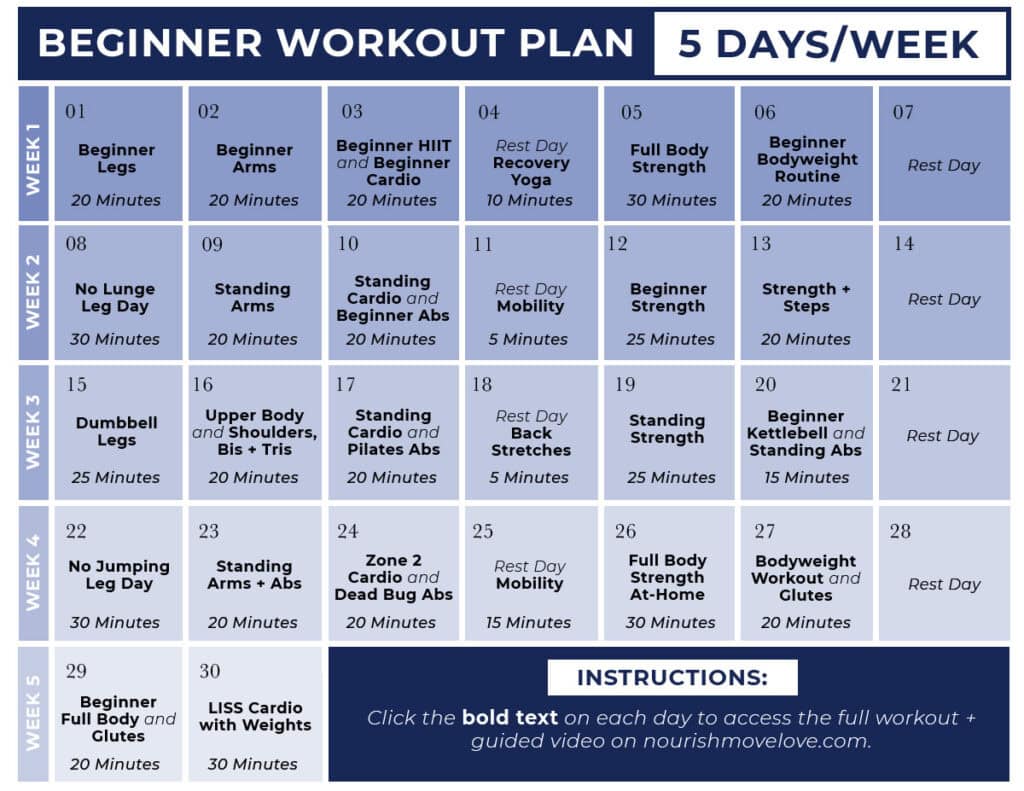
Credit: www.nourishmovelove.com
Frequently Asked Questions
What Is The Best Gym Plan For Beginners?
A beginner gym plan should include a mix of cardio, strength training, and flexibility exercises. Focus on full-body workouts, 3-4 times a week. Start with light weights and gradually increase intensity. Always warm up and cool down to prevent injuries.
Listen to your body and rest as needed.
What Is The 3/2/1 Rule In Gym?
The 3/2/1 rule in the gym stands for three sets, two minutes rest, and one exercise per muscle group. It optimizes strength training and recovery. This rule helps maintain focus, prevent overtraining, and ensure balanced muscle development.
What Is The 6 12 25 Rule?
The 6 12 25 rule guides financial planning. Spend 6 times your monthly income on a car, 12 times on home, and save 25 times for retirement. This rule helps balance spending and saving, ensuring financial stability and security. Follow it to manage your finances effectively.
What Should I Do For My First Gym Workout?
Start with a warm-up, like 5-10 minutes of cardio. Focus on full-body exercises such as squats, push-ups, and lunges. Use proper form and light weights. Stay hydrated and listen to your body. Finish with a cool-down and stretching to prevent injury.
Conclusion
Starting a gym routine can feel overwhelming. But it doesn’t have to be. Simple steps lead to big results. Stick to this beginner plan. Consistency is key to success. Remember to listen to your body. Rest when needed and stay hydrated.
Celebrate small victories to stay motivated. Over time, strength and confidence will grow. Keep pushing forward and enjoy the journey. Fitness is a lifelong commitment. Enjoy every step of progress. With dedication, you’ll see improvements. Embrace the changes and stay focused.
Your fitness journey begins now.