Are you ready to take control of your fitness journey? Building a workout plan tailored just for you can be the game-changer you’ve been looking for.
Imagine the energy boost, the confidence surge, and the satisfaction of seeing results. But where do you start? The process might seem overwhelming, but it’s simpler than you think. With the right guidance, you can design a plan that fits seamlessly into your life and keeps you motivated every step of the way.
Don’t let confusion hold you back from achieving the body and health you deserve. Dive into this guide, and discover how to create a workout plan that not only meets your goals but also transforms your approach to fitness.
Assess Your Fitness Level
Before starting a workout plan, it’s crucial to assess your fitness level. This helps tailor exercises to your needs. Knowing your current fitness state prevents injury and boosts motivation. Let’s dive into how you can evaluate your fitness effectively.
Understand Your Current Physical Condition
Begin by identifying your strengths and weaknesses. Are you strong, flexible, or have good endurance? Knowing these helps in setting realistic goals. Use simple tests like push-ups and sit-ups to gauge your strength. A brisk walk can measure your stamina.
Evaluate Your Cardiovascular Endurance
Cardiovascular endurance is vital for heart health. Test it by timing how long you can run or cycle. Start with a slow pace and increase gradually. Keep track of your heart rate during these activities. A healthy heart rate indicates good endurance.
Check Your Flexibility
Flexibility prevents injury during workouts. Assess it with stretches like touching your toes. Try reaching your arms over your head. Note how far you can stretch without strain. Improving flexibility can enhance your overall workout experience.
Assess Your Strength
Strength is key for muscle building. Measure it with exercises like lifting weights. Start with lighter weights to avoid strain. Gradually increase as you feel more comfortable. Keep a record of your progress to see improvements.
Record Your Fitness Levels
Write down your fitness levels in a journal. Include results from all tests you’ve done. This helps track progress over time. Seeing improvements can motivate you to stay committed. Adjust your workout plan based on these records.
Credit: www.youtube.com
Set Clear Goals
Setting clear goals is crucial for building an effective workout plan. Goals guide your efforts and keep you motivated. They help in tracking progress and celebrating achievements. By defining your goals, you ensure your workout plan is tailored to meet your personal needs. This section explores how to set short-term and long-term goals.
Short-term Goals
Short-term goals serve as immediate targets. They are achievable within weeks. These goals keep you focused on daily tasks. For example, aim to increase your running distance by one mile. Or, try to complete an extra set of push-ups. Short-term goals boost your confidence. They provide quick wins that encourage continued effort.
Long-term Goals
Long-term goals outline your bigger fitness picture. These take months or years to achieve. They require consistent effort and dedication. Think about where you want to be in six months. Perhaps aim to run a marathon. Or, plan to achieve a certain body composition. Long-term goals give your workouts a sense of purpose. They help maintain motivation over time.
Choose The Right Exercises
Building a workout plan requires choosing the right exercises. The right mix boosts results and keeps you motivated. Knowing which exercises fit your goals is key. Explore cardio, strength, and flexibility workouts. Each plays a vital role in a balanced routine.
Cardio Workouts
Cardio workouts increase heart rate and burn calories. Running, cycling, and swimming are popular choices. Choose activities you enjoy to maintain consistency. Aim for at least 150 minutes a week. Mix intensity levels to challenge your body.
Strength Training
Strength training builds muscle and enhances endurance. Start with bodyweight exercises like squats and push-ups. Gradually add weights for more resistance. Focus on major muscle groups for balanced growth. Aim for two to three sessions weekly.
Flexibility And Balance
Flexibility and balance are crucial for overall health. Yoga and Pilates improve flexibility and stability. Stretching reduces injury risk and enhances performance. Incorporate balance exercises to strengthen core muscles. Practicing regularly improves posture and coordination.
:max_bytes(150000):strip_icc()/erin-oprea-muscle-building-workout-plan-2-1dc246463d8d4f3f8fbdca51b40d4e87.jpg)
Credit: www.shape.com
Create A Weekly Schedule
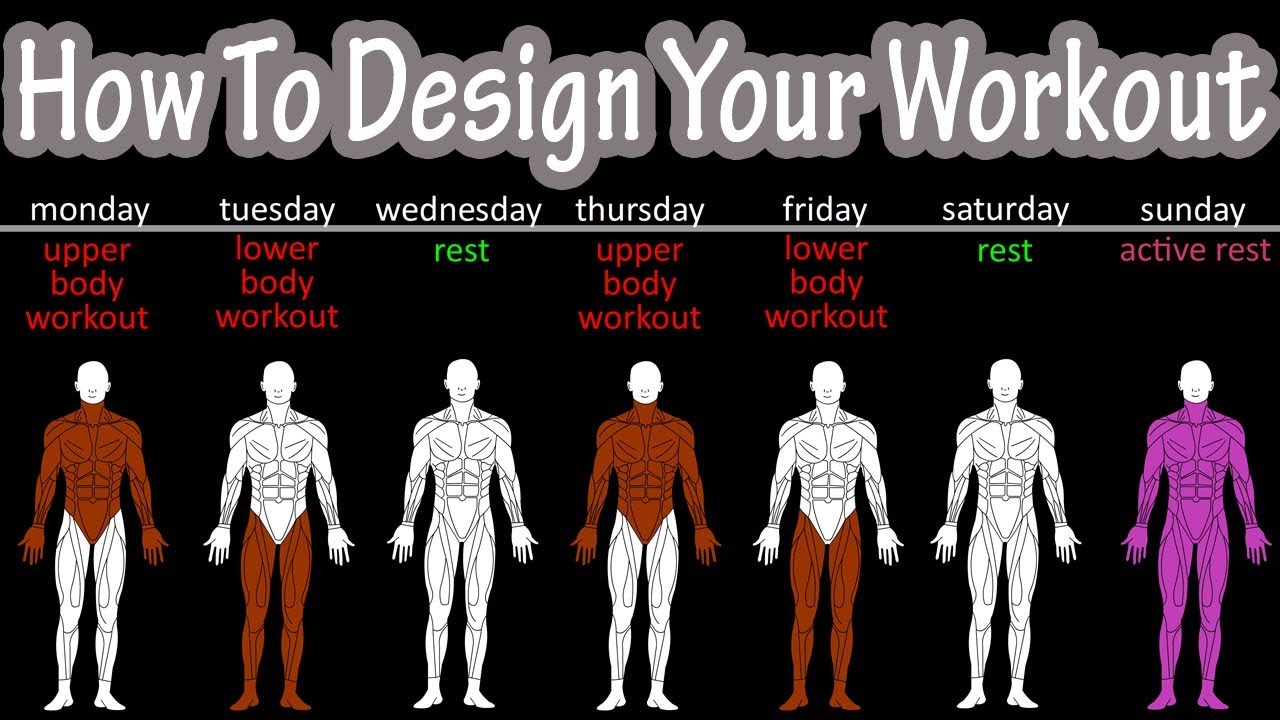
Crafting a weekly workout schedule boosts your fitness journey. First, set clear goals. Next, choose exercises you enjoy. This makes sticking to your plan easier. Balance cardio and strength workouts. Rest days are important for recovery. Adjust your plan as needed to keep improving.
Creating a weekly schedule for your workout plan is crucial for maintaining consistency and achieving your fitness goals. It’s not just about slotting in exercise; it’s about making sure each session serves a purpose and fits into your lifestyle. By strategically planning your workouts, you can optimize your time, avoid burnout, and make progress in different areas of fitness.Balancing Different Workouts
When planning your week, balance is key. A mix of cardio, strength training, and flexibility exercises ensures comprehensive fitness. For example, you might choose to run on Mondays and Thursdays, focus on strength training on Tuesdays and Fridays, and reserve Wednesdays for yoga or stretching. Each type of workout serves a different purpose: Cardio boosts your heart health, strength training builds muscle, and flexibility exercises improve mobility. Consider your goals and tailor your schedule accordingly. If your aim is to build muscle, prioritize strength training more often. What does your current routine look like? Is there room for improvement by adding variety?Rest And Recovery Days
Rest days are as important as workout days. They allow your body to repair and grow stronger. Without adequate recovery, you risk injury and fatigue. Typically, you should plan at least one or two rest days each week. Rest doesn’t mean doing nothing—it can include light activity like walking or gentle stretching. This keeps your body moving without intense strain. Listen to your body: If you feel exhausted, consider adjusting your schedule to add more rest. Reflect on your current rest strategy. Are you giving your body the time it needs to recover? By carefully creating a weekly schedule, balancing various workouts, and incorporating rest days, you’re setting yourself up for success. Make sure your plan aligns with your personal goals and lifestyle. This approach will not only enhance your fitness but also make your routine enjoyable and sustainable.Track Your Progress
Building a workout plan is only half the battle; the real magic happens when you track your progress. Keeping tabs on your achievements not only boosts your motivation but also helps you adjust your plan to meet your goals. Every small victory can fuel your drive. But how do you effectively track your progress? Let’s explore two popular methods: using fitness apps and keeping a workout journal.
Using Fitness Apps
Fitness apps are like having a personal trainer in your pocket. They offer a variety of features to track your workouts, set goals, and even monitor your nutrition. Most apps allow you to input your workout details, such as the type of exercise, duration, and intensity.
Some apps even sync with wearable devices to give you real-time updates on your heart rate and calories burned. Imagine finishing a workout and instantly seeing how many steps you took or how many calories you torched. It’s like getting an instant high-five!
These tools can also provide graphs and statistics that show your progress over time. Seeing a visual representation of your achievements can be incredibly motivating. You can spot trends, identify what works best for you, and make adjustments to your plan.
Keeping A Workout Journal
If you’re more of a pen-and-paper person, a workout journal might be your best friend. Writing down your workouts can be a satisfying ritual. It lets you reflect on what you’ve accomplished and plan what’s next.
In your journal, you can record the exercises you did, the weights you lifted, or the distance you ran. You can also jot down how you felt during and after your workout. This personal touch can help you understand your body’s responses and improve your routine.
Keeping a journal also makes it easy to spot patterns and progress. You can flip back to see how far you’ve come and tweak your plan based on your observations. Plus, there’s something rewarding about physically crossing off a goal you’ve achieved.
So, which method resonates with you? Are you ready to embrace technology, or do you prefer the tactile satisfaction of a journal? Whichever you choose, the key is consistency. Tracking your progress is not just about data—it’s about celebrating your journey and striving for growth.
Adjust Your Plan As Needed
Tailor your workout plan by making changes as needed. Listen to your body and adjust exercises or intensity. This ensures you stay motivated and achieve your fitness goals effectively.
Crafting a workout plan is just the beginning of your fitness journey. It’s essential to understand that a workout plan isn’t set in stone. As you progress, your body’s needs and capabilities will change. Adjusting your plan is crucial to ensure continuous improvement and avoid plateaus. Being flexible and responsive to your body’s signals can make all the difference in achieving your fitness goals.Listening To Your Body
Your body is an excellent communicator. Notice when you feel unusually tired or experience persistent soreness. It might be time to rest or modify your routine. Ignoring these signals can lead to burnout or injury. A few months ago, I pushed through a workout despite feeling exhausted. The result? A strained muscle that sidelined me for weeks. Learn from my mistake—always prioritize your body’s signals. Do you often find yourself skipping workouts because of fatigue? Listen closely. Adjust your plan to include more rest days or lighter sessions when needed.Changing Intensity And Volume
Sometimes, your body craves more challenge. If workouts feel too easy, it’s time to ramp up the intensity. This could mean adding more weight, increasing reps, or shortening rest periods. On the flip side, if you’re struggling to complete sessions, consider reducing the volume. This doesn’t mean you’re backtracking. It’s about finding the right balance to match your current fitness level. Look back at your progress over the past month. Are you seeing improvements, or have things stalled? Adjusting the intensity or volume can reignite your progress. Remember, there’s no one-size-fits-all approach. What works for one person may not work for another. Your workout plan should evolve with you, reflecting your unique journey and goals. Be proactive in making changes, and your body will thank you.Stay Motivated
Crafting a workout plan boosts motivation and keeps fitness goals on track. Start with clear objectives, then choose exercises that fit those goals. Break workouts into manageable routines to maintain focus and progress.
Staying motivated in your workout journey is key to success. Without motivation, even the best plans can falter. It’s important to find strategies that keep you excited. This section explores practical ways to maintain enthusiasm. Discover how a workout buddy and milestone rewards can help.Finding A Workout Buddy
A workout buddy can make a big difference. They provide support and encouragement. Having someone to exercise with adds accountability. You’re more likely to stick to your plan. Plus, workouts become more fun with company. Choose someone with similar fitness goals. It can be a friend, family member, or coworker. Schedule regular sessions to keep each other on track.Rewarding Milestones
Setting milestones helps track progress. Celebrate when you reach these goals. Rewards can boost motivation and make you feel accomplished. Keep rewards simple and meaningful. Treat yourself to a new workout outfit. Enjoy a relaxing day off. Choose rewards that encourage continued effort. Make sure they align with your fitness journey.
Credit: www.pinterest.com
Frequently Asked Questions
How Can I Create My Own Workout Plan?
Start by setting clear fitness goals. Choose exercises you enjoy, focusing on different muscle groups. Plan workouts weekly, balancing strength, cardio, and flexibility. Ensure gradual progression and rest days for recovery. Track your progress and adjust the plan as needed for optimal results.
Consult a professional if unsure.
What Is The 3-3-3 Rule In The Gym?
The 3-3-3 rule in the gym involves three sets of three exercises, each performed for three minutes. It targets different muscle groups, ensuring balanced workouts and efficient use of time. This method boosts endurance, strength, and flexibility, making it ideal for those seeking varied and effective exercise routines.
What Is The 5 4 3 2 1 Workout Method?
The 5 4 3 2 1 workout method involves five exercises. Do each exercise for one minute. Begin with five minutes of cardio, followed by four minutes of strength training, three minutes of core exercises, two minutes of stretching, and one minute of meditation.
This routine is quick and effective.
What Is The 5-3-1 Rule In Gym?
The 5-3-1 rule is a strength training method. Perform sets of 5, 3, and 1 repetition with progressively heavier weights. This approach helps improve strength and muscle growth, focusing on core lifts like squats, deadlifts, and bench presses. Adjust weights weekly to ensure consistent progress.
Conclusion
Creating your workout plan doesn’t need to be complex. Start with clear goals. Choose exercises that fit your lifestyle and needs. Mix strength and cardio for balance. Listen to your body and adjust as needed. Consistency is key; stick to your routine.
Remember, rest days are important. They help your body recover. Stay motivated by tracking progress. Celebrate small wins. Share your journey with friends. Enjoy the process. Fitness is a journey, not a sprint. Make your plan realistic and fun. Your health matters most.
Keep moving forward. You’ve got this!