Are you tired of spending endless hours at the gym without seeing the results you desire? What if you could achieve your fitness goals in a fraction of the time?
High-Intensity Interval Training, or HIIT, might be the game-changer you’ve been searching for. Imagine burning calories, boosting your metabolism, and improving your endurance, all while saving time. Sounds too good to be true, right? But it’s not. With a well-structured HIIT training workout plan, you can maximize your efforts and see real results fast.
Dive into this article to uncover how HIIT can transform your fitness routine and help you achieve your dream physique. Your new fitness breakthrough is just a few scrolls away.
Benefits Of Hiit
HIIT training boosts cardiovascular health and burns calories efficiently. Short, intense workouts improve endurance and muscle strength. Perfect for busy schedules, HIIT increases metabolism even after the workout ends.
High-Intensity Interval Training (HIIT) is not just a workout; it’s a lifestyle shift. The benefits of HIIT are not only evident in the mirror but also in how you feel every day. By pushing your limits for short bursts followed by recovery periods, HIIT keeps your body guessing and your mind engaged. Whether you’re a seasoned athlete or a fitness newbie, the benefits of HIIT are yours to embrace. Dive into the specifics below to see how HIIT can transform your health and fitness journey.Improved Cardiovascular Health
When you engage in HIIT workouts, your heart works harder than during steady-state exercises. This means your heart becomes more efficient at pumping blood, strengthening your cardiovascular system. You may find yourself climbing stairs without panting or chasing your kids without needing a break. Have you ever thought about how a simple workout can make everyday tasks easier?Increased Metabolic Rate
HIIT isn’t just about burning calories during the workout. It supercharges your metabolic rate, allowing you to burn more calories even after you’ve finished exercising. Imagine your body continuing to burn calories while you’re relaxing on the couch. This post-exercise calorie burn is called the afterburn effect, and it’s one of HIIT’s secret weapons.Enhanced Fat Loss
If shedding excess weight is your goal, HIIT is your ally. Its high-intensity intervals help your body tap into fat stores, promoting significant fat loss. You might notice your clothes fitting better or your confidence soaring. It’s not about spending hours at the gym, but making every minute count. Would you choose efficiency over time-consuming workouts? By incorporating HIIT into your routine, you’re not just exercising; you’re investing in a healthier, more vibrant life. Are you ready to see the change?Hiit Vs Traditional Cardio
When it comes to choosing between High-Intensity Interval Training (HIIT) and traditional cardio, many fitness enthusiasts find themselves at a crossroads. Both offer distinct benefits, but which one is right for you? This decision often boils down to factors like efficiency, calorie burn, and impact on muscle mass. Let’s dive into these aspects and help you make an informed choice.
Efficiency And Time Commitment
HIIT workouts are renowned for their efficiency. You can achieve a full workout in just 20-30 minutes. This is perfect for a busy schedule. Imagine squeezing in a workout during your lunch break and still having time to eat.
Traditional cardio, like jogging or cycling, often requires at least 45 minutes to an hour. Think about how much time you spend just getting into the rhythm. If your days are packed, HIIT can be a game-changer.
Calorie Burn Comparison
Here’s a fun fact: HIIT can burn calories even after you’ve finished exercising. This phenomenon is known as the afterburn effect. Your body continues to torch calories as it recovers.
Traditional cardio also burns calories, but the afterburn effect is less pronounced. You’ll burn calories during the workout, but it tapers off once you stop. If you’re looking to shed pounds quickly, HIIT could be your best friend.
Impact On Muscle Mass
If building muscle is your goal, HIIT might surprise you. It helps preserve muscle mass while burning fat. You’ll notice your muscles becoming more defined as your fat percentage drops.
Traditional cardio, on the other hand, can sometimes lead to muscle loss if not balanced with strength training. You might find yourself slimmer but less toned. Consider what your fitness goals are before choosing your path.
So, which workout aligns with your lifestyle? Do you prefer short bursts of intense activity or a steady-paced run? Remember, the best workout is the one you’ll stick with. Your journey is unique; make it enjoyable and rewarding!
Creating A Hiit Workout Plan
Crafting a HIIT workout plan involves alternating intense bursts of activity with short rest periods. This approach maximizes calorie burn and boosts cardiovascular health. Tailor exercises to fit your fitness level for effective results and increased stamina.
Creating a HIIT Workout Plan can be your ticket to achieving fitness goals faster and more efficiently. If you’re tired of long, tedious workouts and want to maximize your time, HIIT could be the perfect fit. Let’s dive into how you can craft a plan that suits your lifestyle and fitness aspirations.Setting Fitness Goals
Before you jump into the exercises, take a moment to define what you want to achieve. Are you aiming for weight loss, muscle gain, or improved endurance? Write it down. Clear goals will keep you motivated and focused. When I started my HIIT journey, I had a goal to lose 10 pounds in three months. Knowing this target helped me stay committed. Think about what success looks like to you. Is it fitting into a pair of jeans or running a mile without stopping? Your goals should be personal and meaningful. This clarity will guide your workout selections and keep your plan on track.Selecting Exercises
Choose exercises that align with your goals. If you’re aiming for weight loss, incorporate full-body movements like burpees or mountain climbers. Variety is key—mix cardio with strength exercises to maximize benefits. When I felt stuck, I added jump squats and noticed an immediate boost in my energy levels. Consider your fitness level. Starting out? Opt for exercises that are less intense, like lunges or push-ups. As you gain strength and stamina, introduce more challenging moves. This progression keeps your workouts dynamic and engaging.Determining Intensity Levels
Intensity is the heart of HIIT. The right level can push you to new heights. How hard should you go? Aim for a level that challenges you without causing strain. Listen to your body—it will tell you when to push and when to ease up. I remember pushing too hard initially and facing burnout. Adjusting intensity made my workouts sustainable. Consider using a scale from 1 to 10, where 1 is light activity and 10 is maximum effort. Start with a 6 or 7 and gradually aim for higher numbers. This scale gives you a tangible measure of your progress, making each session a mini achievement. — Are you ready to create your HIIT workout plan? Reflect on your goals, choose exercises wisely, and find the right intensity. What will your journey look like?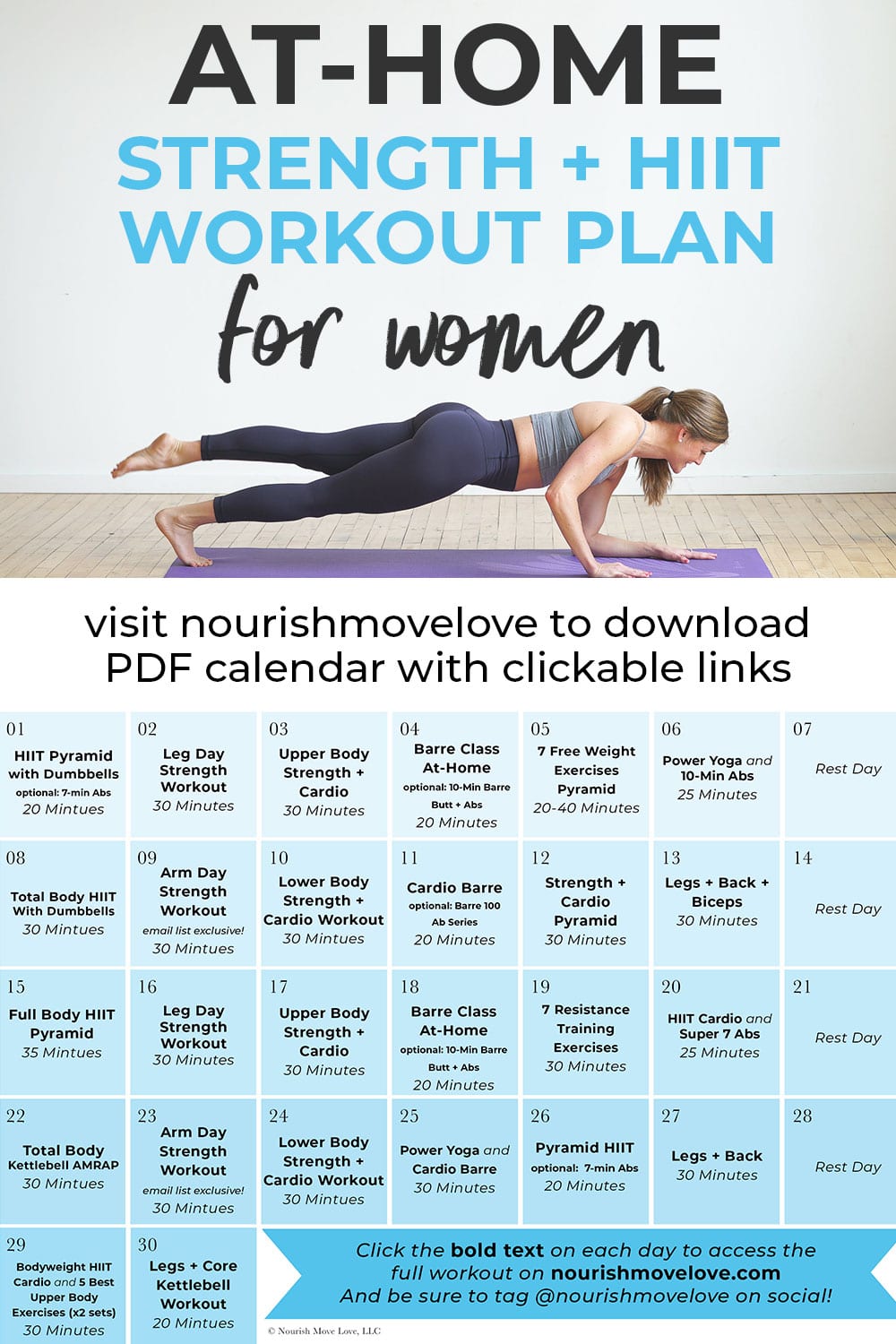
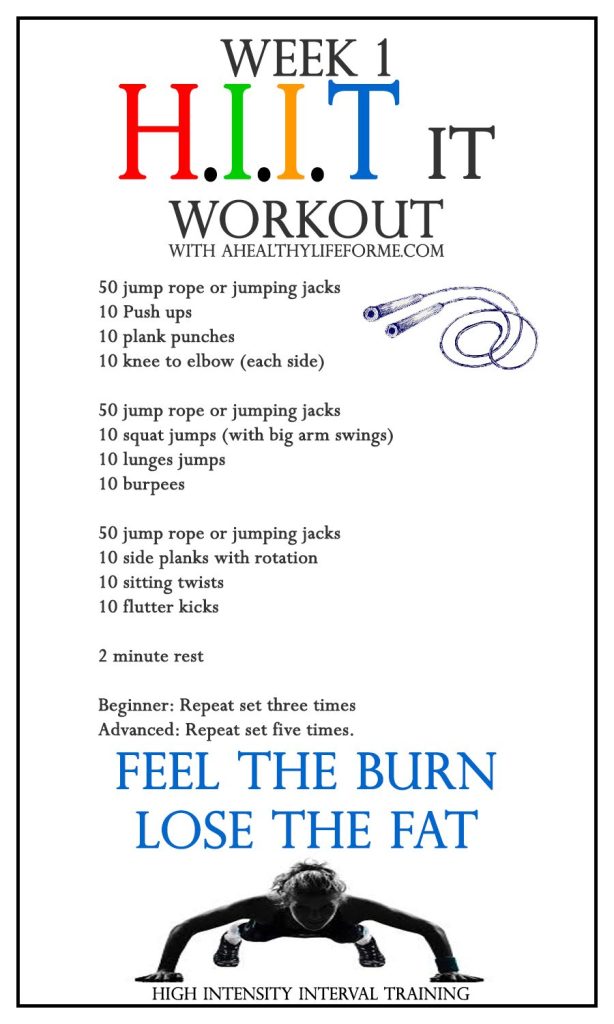
Credit: www.nourishmovelove.com
Sample Hiit Workout Routines
High-Intensity Interval Training (HIIT) can transform your fitness routine. It offers short, intense bursts of exercise with rest periods. This method improves cardiovascular health and burns calories efficiently. Let’s explore some sample HIIT workout routines. They cater to beginners, intermediates, and advanced enthusiasts.
Beginner Routine
Start with a 5-minute warm-up. Jog in place or do jumping jacks. Then, alternate 20 seconds of high knees with 40 seconds of rest. Repeat this for 10 rounds. This workout boosts your heart rate without overwhelming you. Finish with a 5-minute cool-down stretch. Deep breaths and gentle movements relax your muscles.
Intermediate Routine
Begin with a 5-minute dynamic stretch. Lunges and arm circles prepare your body. Next, do 30 seconds of burpees, followed by 30 seconds of rest. Then, perform 30 seconds of mountain climbers. Rest for 30 seconds. Repeat this cycle for 12 rounds. This routine enhances endurance and builds strength. End with a 5-minute cool-down. Focus on stretching your legs and arms.
Advanced Routine
Warm up with a 5-minute brisk jog. Prepare your body for intensity. Alternate 40 seconds of sprinting with 20 seconds of rest. Continue this for 15 rounds. Add 30 seconds of push-ups after every third round. This routine challenges your stamina and power. Finish with a 10-minute cool-down. Include deep stretches for your entire body.
Incorporating Hiit Into Weekly Schedule
Incorporating HIIT into your weekly schedule can be a game-changer for your fitness routine. This intense workout style is known for its efficiency and effectiveness, making it perfect for those with busy lives. But how can you fit HIIT into your lifestyle without burning out? Let’s dive into some practical strategies to help you balance rest and activity, combine HIIT with strength training, and adapt to your lifestyle.
Balancing Rest And Activity
Striking the right balance between activity and rest is crucial when adding HIIT workouts to your week. You may feel tempted to push through HIIT sessions daily, but your muscles need time to recover. Consider scheduling HIIT workouts two to three times a week, allowing ample time for rest days in between.
Think about the last time you pushed yourself too hard. Did you notice your performance dip? Remember, rest isn’t laziness; it’s a vital part of your progress. Listen to your body and adjust your HIIT frequency accordingly.
Combining With Strength Training
Pairing HIIT with strength training can maximize your results, but it requires strategic planning. You might start your week with a HIIT session followed by a strength workout the next day. This approach ensures you’re building muscle while boosting your cardiovascular fitness.
Have you tried combining these two yet? You might be surprised at how well they complement each other. Try alternating HIIT with strength days to keep your routine fresh and challenging.
Adapting To Lifestyle
Your lifestyle is unique, and your workout schedule should reflect that. If mornings are hectic, a quick HIIT session during lunch or after work might be ideal. Alternatively, if evenings are your downtime, consider early morning HIIT to kickstart your day.
Reflect on your daily routine: where can you carve out time for a 20-minute HIIT session? You don’t need hours at the gym to see results. Tailor your workout plan to fit seamlessly into your life and watch your energy levels soar.
Adjusting your workout schedule to include HIIT doesn’t have to be overwhelming. With a balanced approach, you can enjoy the benefits of this powerful training method while maintaining your lifestyle. Are you ready to shake up your routine?
Common Mistakes To Avoid
Avoid common HIIT workout mistakes. Start with a proper warm-up to prevent injuries. Maintain correct form for effective results.
Engaging in High-Intensity Interval Training (HIIT) can be a game-changer for your fitness journey. However, like any workout, it comes with its pitfalls. Common mistakes can derail your progress, lead to injuries, or even cause burnout. By being aware of these errors, you can maximize your HIIT sessions and stay on track with your fitness goals. Let’s dive into some of the most common mistakes to avoid.Overtraining Risks
Pushing yourself too hard might seem like a fast track to success, but it could be your undoing. Overtraining can lead to fatigue, decreased performance, and even injuries. Remember the time you thought doing more would get you faster results, only to find yourself exhausted and demotivated? Your body needs rest to recover and grow stronger. Balance your HIIT sessions with adequate rest days to let your muscles recover. Consider this: are you listening to your body’s signals, or are you pushing through pain? Ignoring fatigue could set you back weeks, if not months.Neglecting Warm-up And Cool-down
Skipping warm-ups and cool-downs is a common oversight that can lead to injuries. Warming up prepares your body by increasing blood flow and flexibility, while cooling down helps in recovery and reduces muscle soreness. Think about that time you jumped straight into a workout and felt a sharp pain mid-session. A simple warm-up could have prevented it. Start with dynamic stretches or light cardio before diving into HIIT. Similarly, a few minutes of stretching post-workout can do wonders. Are you spending enough time on these crucial steps, or rushing through them?Improper Technique
Executing exercises with poor form can hinder progress and cause injuries. It’s not just about speed; precision matters in HIIT. Recall the moment you watched a HIIT tutorial and thought you had it down, only to realize you were doing it wrong. Incorrect form means your muscles aren’t getting the full benefit of the exercise. Focus on learning each move correctly, even if it means slowing down at first. Have you considered recording yourself to check your form, or asking a friend for feedback? Avoid these common mistakes, and you’ll not only enhance your HIIT experience but also boost your overall fitness journey. Remember, it’s not just about working hard—it’s about working smart.Tracking Progress And Adjustments
Tracking progress in a HIIT training workout plan helps identify what works best. Regular adjustments ensure workouts remain effective and challenging. Staying attentive to changes in stamina and strength supports continuous improvement.
Embarking on a HIIT (High-Intensity Interval Training) workout plan is more than just sweating it out. It’s about understanding your body’s responses and making strategic adjustments to maximize results. Tracking your progress and making necessary tweaks can elevate your HIIT experience. This process isn’t just for elite athletes; it’s crucial for anyone serious about their fitness journey. Are you ready to see how far you can push your limits?Monitoring Performance
Regularly monitor your performance to understand your progress. Keep a workout journal or use fitness apps to note your achievements. Document exercises, reps, durations, and how you felt during each session. Did you feel stronger or more fatigued than usual? These insights offer clues about your body’s adaptation. Use heart rate monitors or wearable fitness trackers to gather data on your workout intensity. This information can tell you if you’re hitting your target zones or if adjustments are needed. It’s about making informed decisions based on real data, not just guesswork.Adjusting Intensity And Duration
Sometimes, your body needs a bit more—or less—to keep improving. Assess whether your current intensity and duration are challenging enough. If your workouts feel too easy, it might be time to increase the intensity or lengthen the intervals. On the flip side, if you’re constantly exhausted or struggling to complete your sessions, it might be wise to scale back. Listen to your body’s signals; they’re there to guide you. Remember, the goal is to push your limits, not to burn out.Setting New Goals
As your fitness level improves, set new goals to keep your motivation alive. Maybe you’ve completed your first set of burpees without stopping, or perhaps you’ve shaved seconds off your sprint time. Celebrate these wins and use them as stepping stones to loftier objectives. Set specific, measurable goals that challenge you just enough without overwhelming you. What’s the next milestone you want to achieve in your HIIT journey? By constantly setting and reaching new targets, you keep your workouts fresh and exciting. Tracking progress and making adjustments in your HIIT routine ensures you’re not just working hard but working smart. So, how will you tweak your plan today to bring you closer to your fitness goals?
Credit: www.pinterest.com
Hiit For Different Fitness Levels
HIIT workouts can be tailored to fit any fitness level, from beginner to advanced. Each plan adjusts intensity and duration to match individual capabilities, ensuring safety and effectiveness. Enjoy a varied routine that challenges the body while promoting endurance and strength.
High-Intensity Interval Training (HIIT) is a versatile workout plan that can be tailored to fit various fitness levels. Whether you’re just starting your fitness journey or you’re a seasoned athlete, there’s a HIIT routine just for you. The key is to modify the exercises to suit your current capabilities while still pushing your limits.Modifications For Beginners
Starting HIIT can feel overwhelming, but small changes can make it manageable. Focus on performing exercises with proper form and at a pace that challenges you without causing injury. Use modifications, such as stepping instead of jumping or opting for knee push-ups instead of full push-ups. Take short breaks between intervals to catch your breath. Remember, consistency is more important than intensity at this stage. Imagine finishing a workout and feeling accomplished rather than exhausted. That’s your goal.Challenges For Advanced Athletes
If you’re an advanced athlete, you’re probably seeking more intense challenges. Increase the duration of high-intensity bursts or reduce the rest periods. Introduce complex exercises like burpee tuck jumps or weighted squats. Monitor your performance with a stopwatch or fitness tracker. Are you progressing and feeling stronger over time? These adjustments can keep your routines fresh and push your limits further.Customizing For Special Populations
Special populations like older adults or those with chronic conditions can also benefit from HIIT. The key is to adapt the workout to meet their specific needs. Lower-impact activities such as cycling or water aerobics can be incorporated. Use a chair or wall for balance support during exercises. Consult with a healthcare professional to ensure the workout plan is safe and effective. What modifications can help you or someone you know to stay active and healthy? HIIT’s adaptability is its strength. Regardless of where you are on your fitness journey, there’s a way to make it work for you. How will you tailor your HIIT routine today?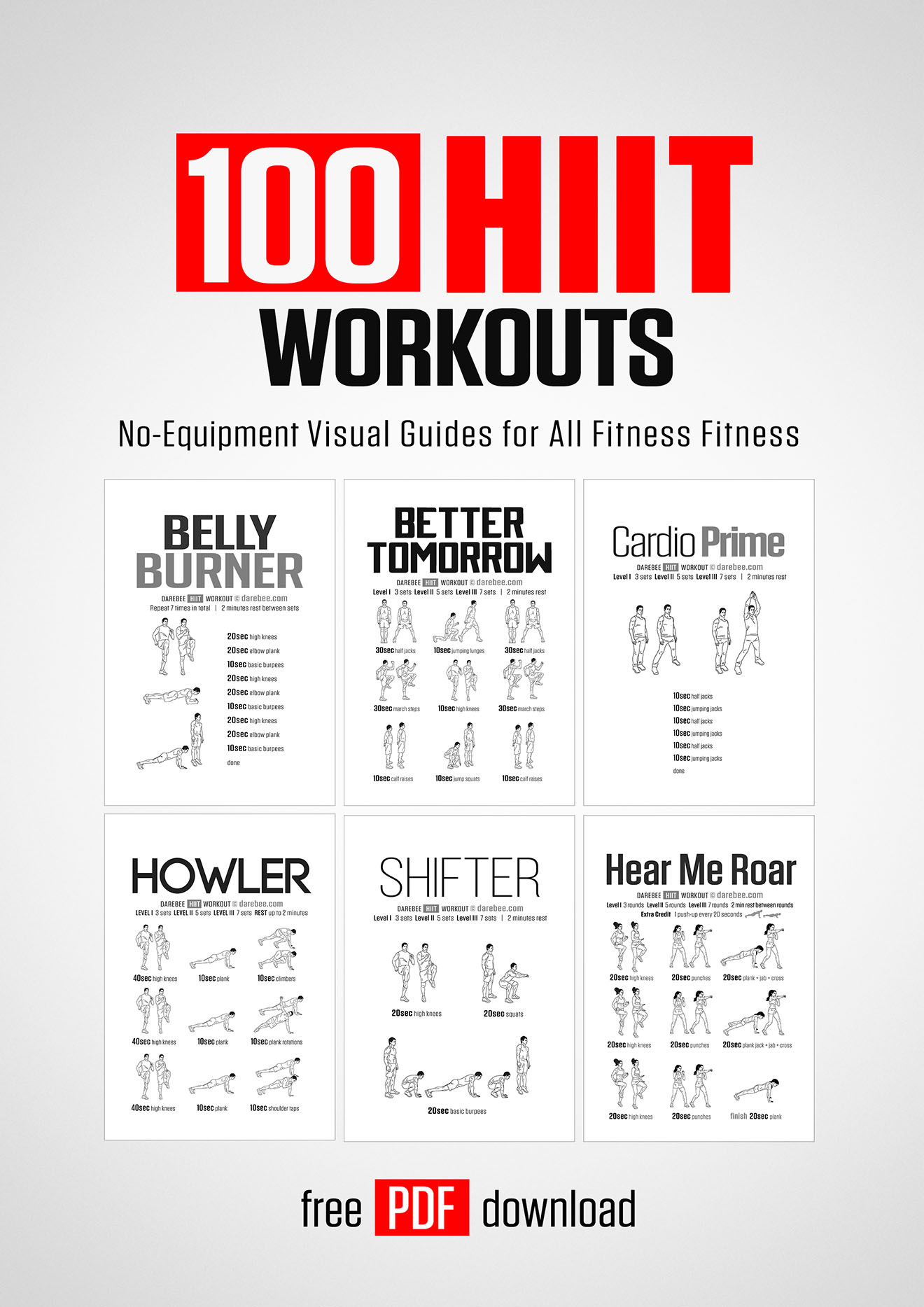
Credit: darebee.com
Frequently Asked Questions
What Is The 30 20 10 Rule For Hiit?
The 30 20 10 rule for HIIT involves 30 seconds of low-intensity, 20 seconds of moderate-intensity, and 10 seconds of high-intensity exercise. This sequence repeats for improved cardiovascular fitness and fat burning. It’s a time-efficient workout method popular for its effectiveness in boosting performance and health benefits.
How Many Days A Week Should You Do Hiit Training?
Perform HIIT training 2-3 days a week. Ensure rest days in between sessions for recovery. Adjust based on fitness level and goals.
Is 20 Minutes Of Hiit A Day Enough?
Yes, 20 minutes of HIIT daily can be effective. It boosts cardiovascular health and burns calories quickly. Ensure proper form and intensity to maximize benefits. Always consult a fitness professional or doctor before starting any new exercise regimen.
Is It Okay To Do A Hiit Workout Every Day?
Doing HIIT workouts every day can lead to overtraining. Experts recommend limiting HIIT to 3-4 times a week. Balance with rest or low-intensity exercises to allow muscle recovery. Listen to your body and adjust accordingly for optimal fitness results and injury prevention.
Conclusion
Embrace HIIT training for a healthier lifestyle. It fits busy schedules. Short, intense workouts boost fitness quickly. Build strength, burn calories, and improve endurance. Remember to listen to your body. Rest when needed. Stay consistent with your workout plan. Consistency brings results.
Enjoy the journey to better health. Adjust exercises to suit your level. Always warm up before starting. Cool down after finishing. Hydrate and eat well for best results. Make HIIT a part of your routine. Feel the difference in your energy and mood.
Stay motivated and keep moving forward.