
Are you considering Wellbutrin as a weight loss aid and wondering when you might start seeing results? You’re not alone.
Many people are curious about how this medication, primarily prescribed for depression and smoking cessation, might help shed those extra pounds. Understanding the timeline of its effects can make all the difference in managing your expectations and staying motivated. We’ll dive into what you can expect when you start taking Wellbutrin for weight loss.
By the end, you’ll have a clearer picture of whether this could be the right choice for you. Keep reading to discover the science behind Wellbutrin and how it might just be the key to unlocking your weight loss journey.
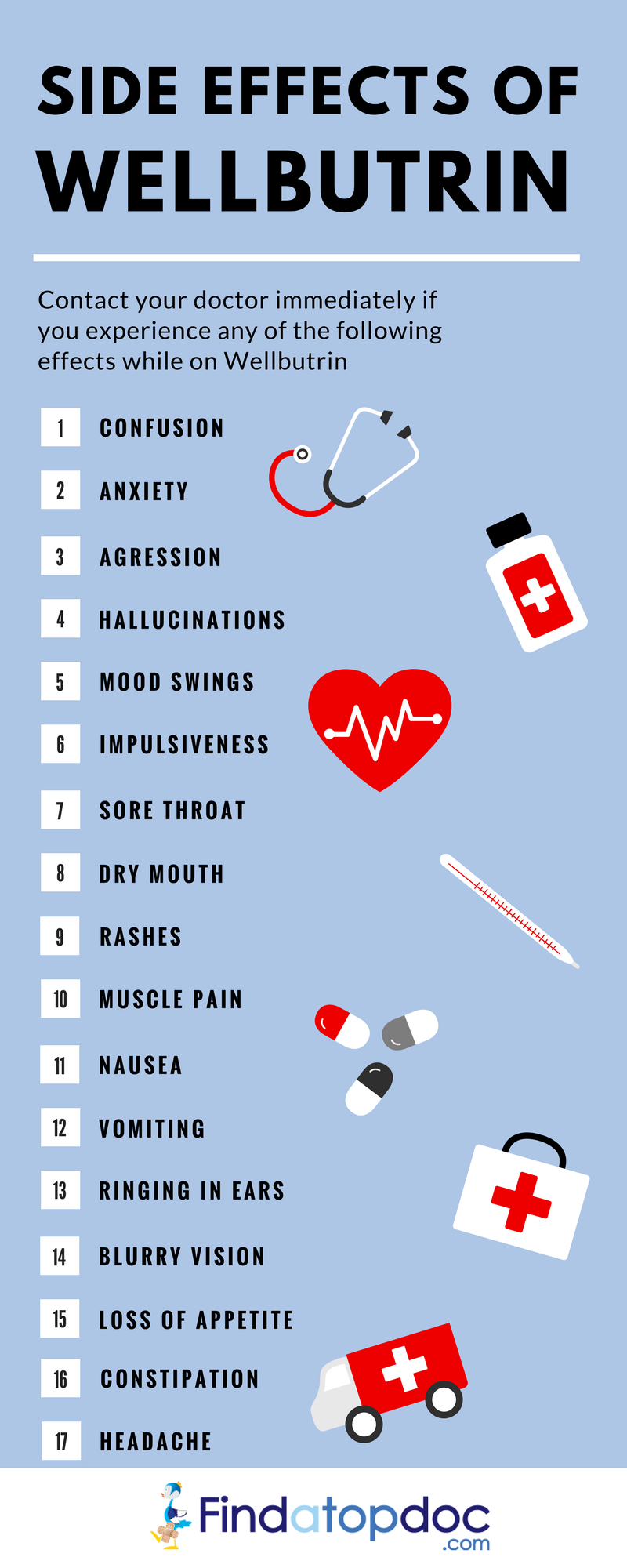
Credit: www.findatopdoc.com
What Is Wellbutrin?
Understanding Wellbutrin is crucial for those exploring weight loss options. Known for its antidepressant properties, this medication also impacts weight. It offers a unique approach to weight management, providing hope for many.
Wellbutrin is a prescription medication used primarily to treat depression. It is also known by its generic name, bupropion. Doctors prescribe it to help improve mood and feelings of well-being. Besides treating depression, Wellbutrin assists with smoking cessation.
Wellbutrin works by affecting neurotransmitters in the brain. These neurotransmitters include dopamine and norepinephrine. They play a vital role in mood regulation. By influencing these chemicals, Wellbutrin helps balance emotions. This balance can lead to improved mental health.
How Does Wellbutrin Affect Weight Loss?
Wellbutrin’s impact on weight is an area of interest for many. Some users experience weight loss while taking this medication. This effect is due to changes in metabolism and appetite. Wellbutrin may reduce food cravings, leading to fewer calories consumed.
Weight loss results vary among individuals. Factors such as diet, exercise, and metabolism play a role. Wellbutrin is not a guaranteed weight loss solution. Consulting with a healthcare provider is essential for personalized advice.
Side Effects Of Wellbutrin
While Wellbutrin offers benefits, it also has potential side effects. Common side effects include dry mouth, insomnia, and headaches. Some users may experience increased heart rate or anxiety. It’s important to monitor these effects closely.
Serious side effects require immediate medical attention. These include seizures or severe allergic reactions. Regular follow-ups with a healthcare provider can help manage side effects. Always discuss concerns with a doctor to ensure safe use.
Mechanism Of Action
Understanding how Wellbutrin works for weight loss begins with its mechanism of action. This medication, originally prescribed for depression and smoking cessation, has shown potential in aiding weight loss. But how does it actually work? What processes in your body does it influence to help shed those extra pounds?
Neurotransmitter Influence
Wellbutrin primarily acts on neurotransmitters in your brain. It boosts levels of dopamine and norepinephrine, which are chemicals that influence mood and appetite. Imagine feeling less hungry and more motivated to stay active. That’s part of Wellbutrin’s magic.
Have you ever noticed how a good mood can make you skip that extra cookie or choose a salad over fries? Wellbutrin helps create that positive environment in your brain. This shift can make a significant difference in your daily choices, leading to gradual weight loss.
Impact On Metabolism
Wellbutrin may also have an impact on your metabolism. By enhancing the metabolic rate, it can increase the number of calories your body burns even while resting. This means you might start noticing changes without drastic diet shifts.
Consider how your body reacts after a brisk walk or a workout. It’s burning calories more efficiently. Wellbutrin might offer a similar effect, giving your metabolism a slight boost. Have you ever thought about how small changes can lead to big results?
These processes are subtle but powerful. They encourage behavioral changes and metabolic shifts that can contribute to weight loss over time. While Wellbutrin isn’t a magic pill for losing weight, understanding its mechanism offers you insights into how it might support your journey to a healthier you.
Wellbutrin And Weight Loss
Wellbutrin, known for treating depression, has caught attention for weight loss. Many wonder how it aids in shedding pounds. This medication impacts brain chemicals that regulate mood and appetite. Some users experience decreased hunger and increased energy. But how effective is it really?
Clinical Studies
Research shows mixed results on Wellbutrin’s weight loss effects. Some studies note slight weight reduction among users. Others report no significant changes. The drug’s impact varies from person to person. Factors like diet and exercise also play roles. Scientists continue to explore Wellbutrin’s potential for aiding weight loss.
Patient Experiences
Users share diverse stories about Wellbutrin and weight loss. Some notice quick changes, losing a few pounds. Others see slower progress or no change at all. For many, appetite decreases, helping with weight management. Increased energy is another common benefit. Yet, every individual reacts differently. Personal experiences highlight varied outcomes.

Credit: addictionresource.com
Timeline For Weight Loss
Understanding the timeline for weight loss when taking Wellbutrin can help set realistic expectations. Many people turn to Wellbutrin not only for its antidepressant effects but also for its potential to aid in weight loss. But how soon can you expect to see changes on the scale?
Initial Weeks
During the first few weeks of taking Wellbutrin, you might notice a shift in your appetite. Some users report a decrease in cravings, which can naturally lead to weight loss. However, it’s crucial to remember that these changes can vary from person to person.
In my early days on Wellbutrin, I noticed my snacking habits reduced significantly. It wasn’t an overnight transformation, but by the end of the first month, my clothes started fitting better. Have you checked in with yourself to see if your eating habits have changed?
Long-term Effects
As you continue with Wellbutrin, the long-term effects on weight can become more pronounced. Sustained weight loss often hinges on maintaining a balanced diet and regular physical activity alongside the medication. It’s not just about taking a pill; it’s about making holistic lifestyle changes.
After several months, many users report more consistent weight loss. But remember, the scale is just one measure of success. How you feel mentally and physically can be just as important. Are you tracking other health improvements besides weight?
Ultimately, understanding the timeline for weight loss with Wellbutrin involves patience and self-awareness. Keep a journal of your progress and celebrate small victories. What small steps can you take today to support your journey?
Factors Affecting Weight Loss
Wellbutrin might help with weight loss, but it varies for each person. Some notice changes in a few weeks. Others take longer. Individual metabolism and lifestyle choices also play roles in effectiveness.
When embarking on a journey with Wellbutrin for weight loss, understanding the factors that can influence its effectiveness is crucial. While Wellbutrin has shown promise in assisting weight loss, results can vary widely among individuals. The path to achieving your weight loss goals may depend on several key elements that impact how Wellbutrin works for you. Let’s dive into some of these factors and see how they might play a role in your weight loss journey.Dosage Variations
The dosage of Wellbutrin can greatly affect its impact on weight loss. Some individuals may find that a higher dosage leads to more noticeable results, while others might experience effective changes with a lower dosage. It’s important to consult with your healthcare provider to determine the dosage that’s right for you. They can tailor the treatment based on your specific needs and health conditions, ensuring you get the most benefit with minimal side effects. Have you ever considered how small changes in dosage could alter your weight loss trajectory? Experimenting safely under medical guidance could unlock new possibilities for you.Individual Differences
Every person is unique, and so is their response to medication like Wellbutrin. Factors such as metabolism, lifestyle, and genetic makeup can play a significant role in how you experience weight loss. Your daily habits, including diet and exercise, can also influence how Wellbutrin affects your weight. Do you maintain a balanced diet and incorporate regular physical activity? These factors can amplify the effectiveness of Wellbutrin. Think about your personal experiences with medication—have you noticed how your body’s reaction differs from others? Embracing your individuality can help you tailor your approach to weight loss more effectively. Understanding these factors can empower you to make informed decisions about your weight loss journey with Wellbutrin. By paying attention to dosage and acknowledging your unique characteristics, you can steer closer to achieving your goals.
Credit: www.northwestpharmacy.com
Potential Side Effects
When discussing Wellbutrin for weight loss, understanding side effects is crucial. This medication can influence the body in various ways. Many users experience side effects, though not everyone will. It’s essential to know these effects to manage expectations.
Common Reactions
Some people feel dizzy or lightheaded with Wellbutrin. Dry mouth is another frequent issue. Insomnia might keep some users awake at night. These side effects usually fade over time. Nausea and headaches are also reported by users. Weight changes can be a side effect, too. It’s important to monitor how your body reacts.
Serious Concerns
Though rare, serious side effects can occur. Seizures are a potential risk. They are more likely with high doses. Allergic reactions are possible but uncommon. Symptoms include rash and itching. Swelling of the face or throat needs immediate attention. Mood changes can happen, such as feeling anxious or agitated. If these occur, consult a healthcare professional promptly.
Consulting Healthcare Providers
Before starting Wellbutrin for weight loss, talk to a healthcare provider. This ensures that the medication is safe and effective for your needs. A healthcare provider can evaluate your health history and any potential risks. They can also provide guidance on dosage and monitor your progress.
When To Seek Advice
Consult a healthcare provider before starting Wellbutrin. This is crucial if you have health conditions. Conditions like depression or anxiety may affect how Wellbutrin works. Also, if you’re taking other medications, seek advice. Interactions may occur with Wellbutrin.
Feeling uncertain about Wellbutrin’s effects? Talk to your healthcare provider. They can explain how Wellbutrin might work for you.
Questions To Ask
Prepare questions for your healthcare provider. Ask about the potential side effects of Wellbutrin. Inquire about how Wellbutrin can affect weight loss. Understanding this can help set realistic expectations.
Ask how long it might take to see results. This can vary from person to person. Also, discuss any concerns about diet or exercise while on Wellbutrin. Your provider can offer tailored advice for your lifestyle.
Frequently Asked Questions
When Does Wellbutrin Start Decreasing Appetite?
Wellbutrin may start decreasing appetite within the first few weeks of use. Individual responses can vary. Always consult your doctor for personalized advice.
Why Didn’t I Lose Weight On Wellbutrin?
Weight loss with Wellbutrin varies per person due to factors like metabolism, diet, and exercise. Consult your doctor for personalized advice.
Does 300 Mg Of Bupropion Help With Weight Loss?
Bupropion 300 mg may aid weight loss by reducing appetite and increasing energy levels. Individual results vary. Consult your doctor for personalized advice.
How Long After Starting Wellbutrin Do You Feel Better?
Most people start feeling better within 2 to 4 weeks of starting Wellbutrin. Individual responses may vary. Always consult your doctor for guidance.
Conclusion
Wellbutrin might aid weight loss, but results vary. Each person responds differently. Some notice changes in weeks. Others might wait longer. Patience is key. Lifestyle factors also play a role. Healthy eating and exercise support weight goals. Always consult a doctor before starting Wellbutrin.
It’s important to ensure safety and effectiveness. Monitor progress and adjust as needed. Stay informed and make healthy choices. Remember, everyone’s journey is unique. Celebrate small successes along the way. Keep motivated and focused on personal health goals.